Dennis Severs’ House

Dennis Severs’ magical house is one of the Londonphile’s top London picks and one of London’s most evocative little gems. American artist Dennis Severs created a mini time capsule in this listed Georgian terrace house, located near Spitalfields Market.

The ten rooms range in time periods from 1724 to 1914 and follow the varying fortunes of a family of Huguenot weavers who mysteriously appear to have always just left the room when you enter. The experience is a sensory overload, and your sense of smell will be particularly active throughout your visit as you experience the traditional smells associated with the various time periods. As Severs himself noted, “your senses are your guide” in this house.
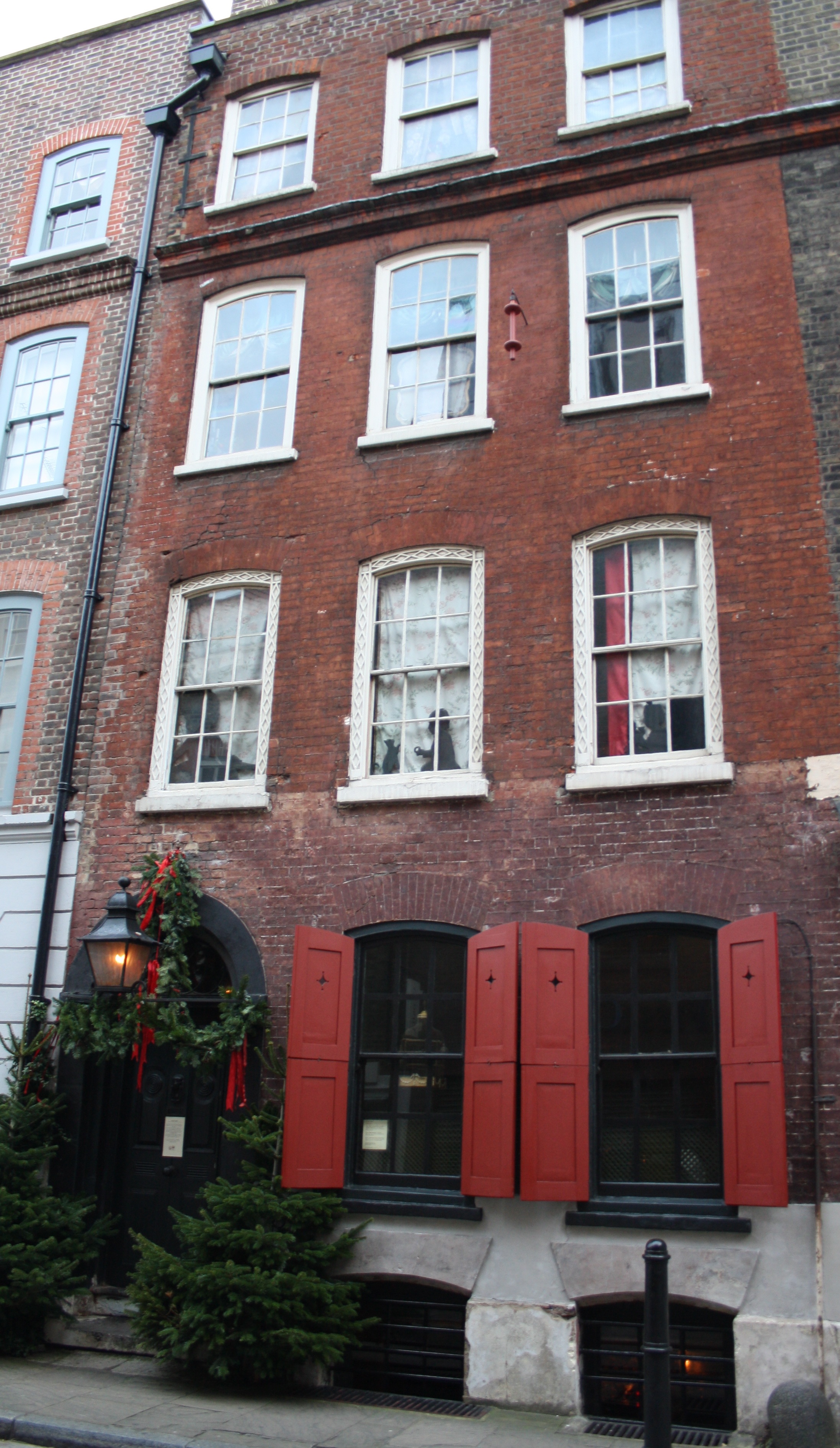
In keeping with the eras portrayed, there is no electricity in the house and you are asked to remain silent throughout your visit, so as to help fully soak up the atmospherics (and to appreciate the creaking of authentic floorboards). Amazingly, Severs himself actually lived in the house from 1979-1999 – on his death it was opened to the public. This is truly something you have to experience for yourself, so I will keep the description to a minimum!

Check the house’s website below for details of the regular opening hours as well as the Silent Night evening visits. This year’s Christmas installation of period Christmas decorations is currently up (until 6th January 2012) and is well worth a visit even if you have already seen the house. Exclusive Silent Nights are also run in which participants can  have a drink by the fire and meet the curatorial team – this is on the Londonphile’s wish list!

http://www.dennissevershouse.co.uk/
Eyebombing

‘Humanizing the world, one googly eye at a time’.

Image

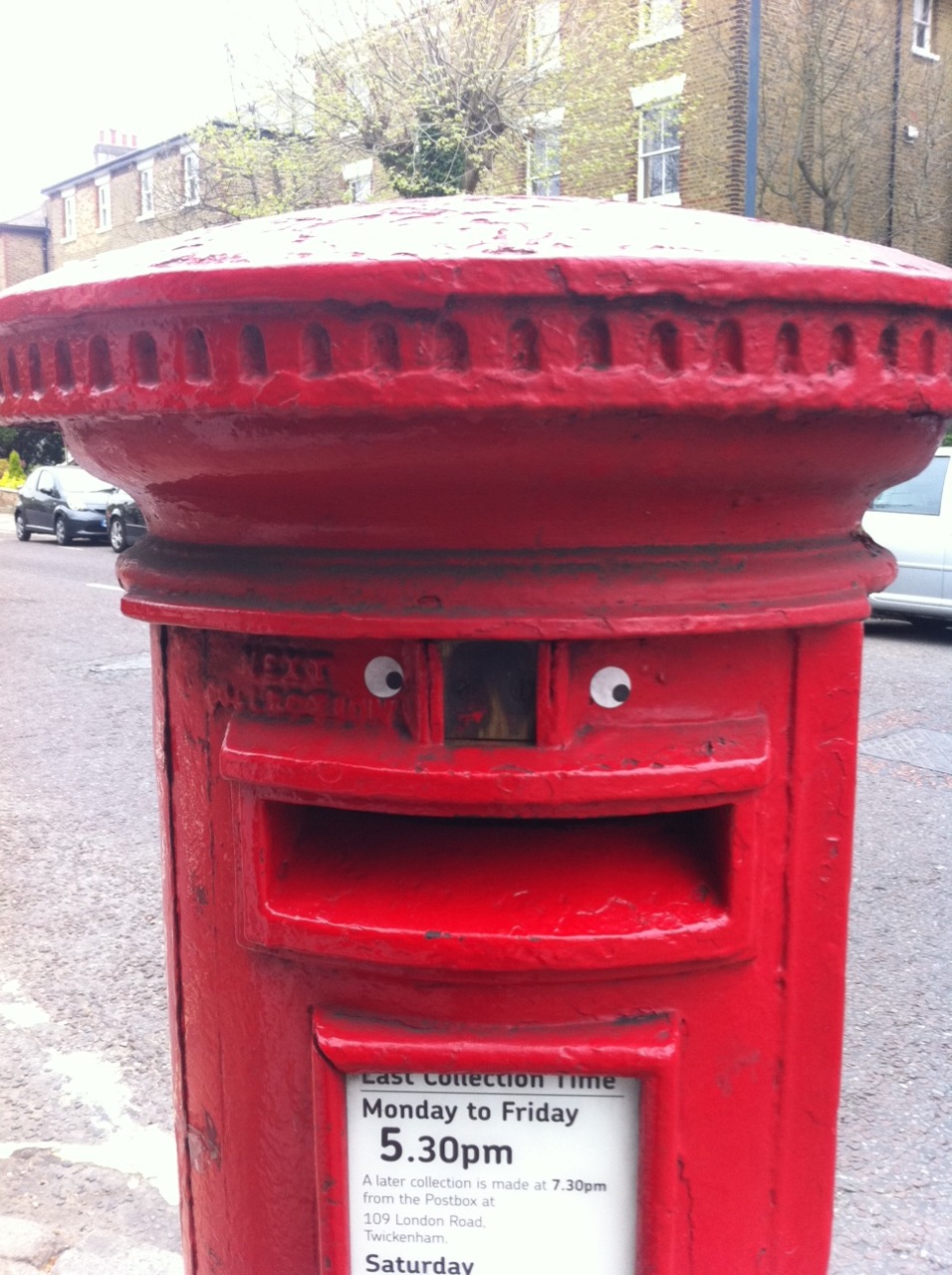
Possibly the sweetest take on street art – eyebombing involves sticking those googly eye sticker things on to any inanimate object out and about in the street. This creates the cute and often funny effect of making a random object of street furniture appear like a character or even a person. A new website devoted to this phenomenon has attracted submissions from around the globe, but it’s good to see London featuring in a few. This photo above (taken by Finbar Hawkins – thank you!) gives us a fresh take on a classic London icon.

http://eyebombing.com/post/13154350881/post-me-something-first-class

http://eyebombing.com/

Vintage postcards: British Museum

British Museum

I love Museums and I love old postcards, so you can see how this post came about. Just a short post so I can share with you the British Museum in all its neo-classical finery (not sure which year this one hails from I’m afraid – please feel free to hazard a guess!). Hope you like it – this will be the first of a series featuring old postcards and images from London.

Aldwych tube tour

Image

Every so often the London Transport Museum opens up the ‘non-operational’ Aldwych Underground Station for guided tours. And at the risk of sounding like a train-spotter of the first order, I was lucky enough to get tickets for the latest round of these, held over the last weekend in November and the first weekend in December.

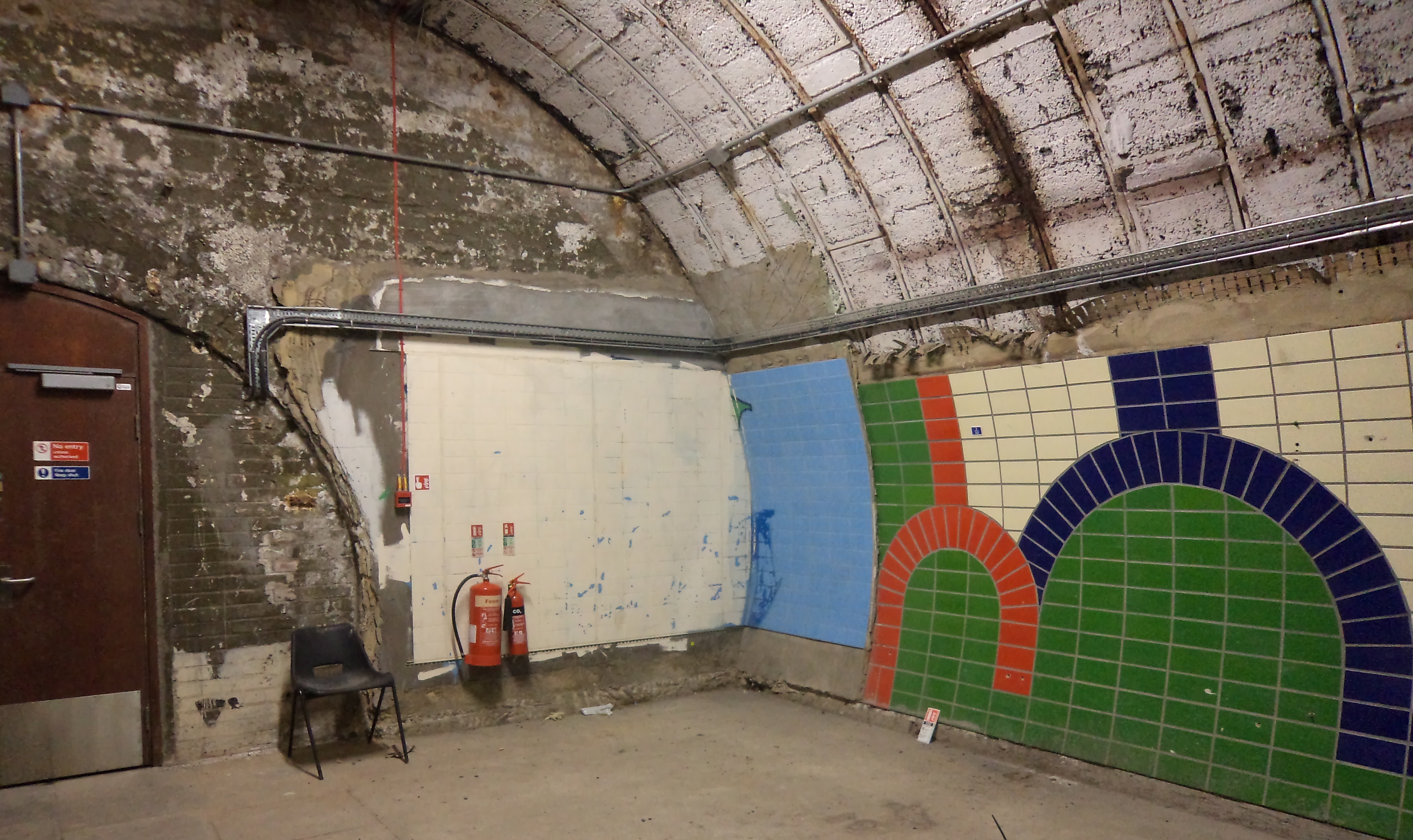
Aldwych station, first opened in 1907 and originally known as ‘Strand’, finally closed to the general public in 1994 – though it’s hard to believe it was so recent given the state of its interior and the 1970s posters still adorning the walls. Other than transporting people from A to B, it’s other major claim to fame was as a bomb shelter in World War One and World War Two. What it also sheltered from the bombs was paintings from the National Gallery (WWI) and objects from the British Museum and the V&A (WWII). The Elgin/Parthenon Marbles spent some years languishing behind the door in the picture below (and note the tiling ‘practice’ on the right hand side).

Image

The station also features in a number of films (V for Vendetta, Atonement and James Bond’s Die Another Day), and is currently used for training purposes by emergency services. The tour takes in both platforms, and ladies you should leave the heels at home for this one as sensible shoes are required in case of a serious evacuation – which would involve walking down the tunnel to Holborn station. It’s a fascinating way to spend an hour on a Sunday afternoon and is again the sort of event that I hope to advise people of beforehand in the future! You can keep an eye out for yourself on the Transport Museum’s page below, but be quick when tickets do go on sale next time as they sell out extremely quickly.

www.ltmuseum.org

ICA’s ‘Battleship Potemkin’ re-enactment

Image

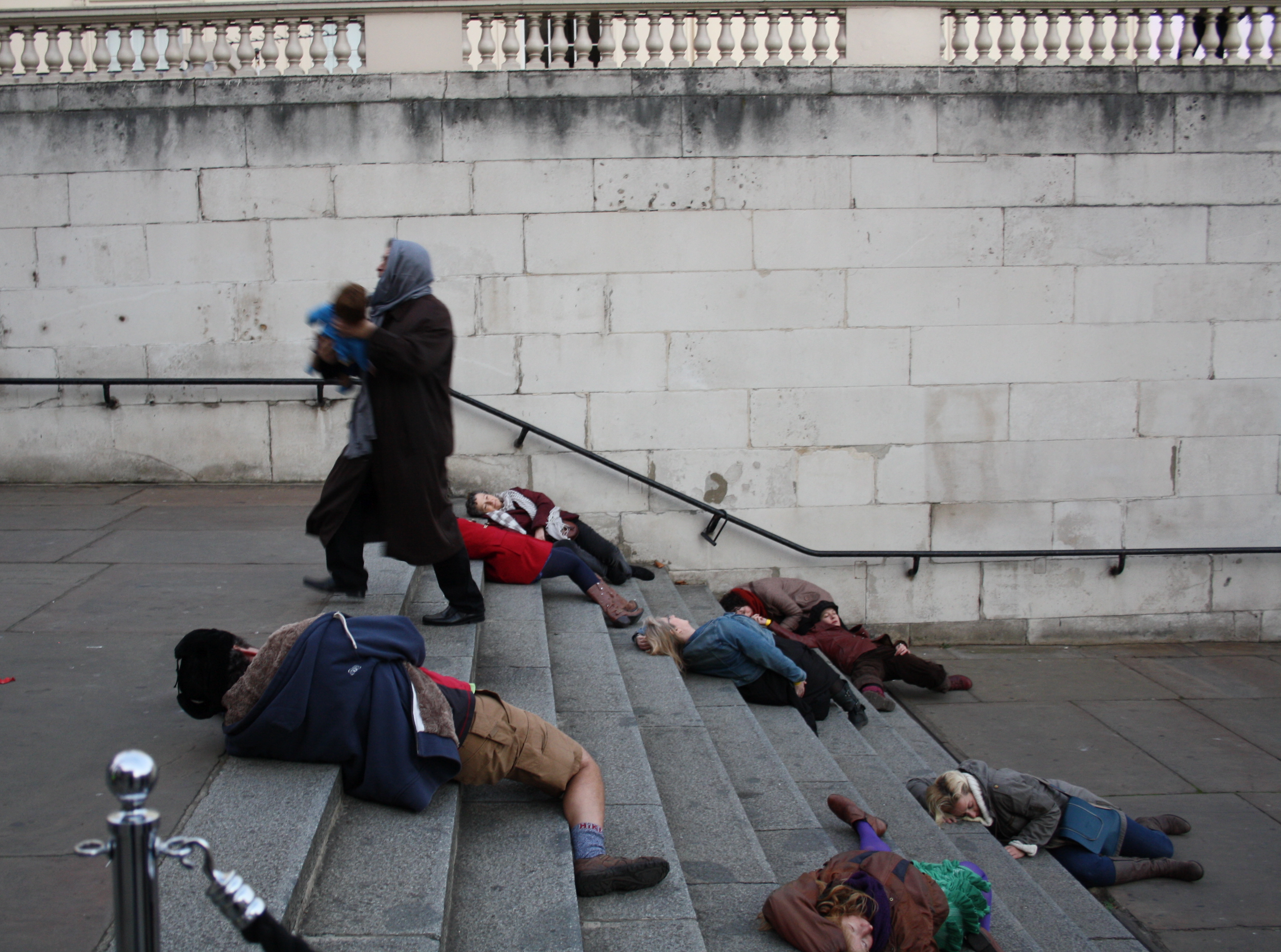
One interesting thing about living in a city like London is the opportunity to get involved in quirky little one-off events. This is exactly what I got to do last weekend when I joined in the Institute of Contemporary Art’s (ICA) re-enactment of the Odessa Steps scene from Eisenstein’s 1925 silent film Battleship Potemkin. That’s me in the top right of the picture above, in the dusty pink jacket, and isn’t it great that in my first appearance in my own blog I am playing dead!

This flash-mob style event was held as part of ICA’s fundraising day held on 26 November. Luminaries such as Tracey Emin (yes, she did chase me down the steps dressed as a cossack) and Andrew Logan joined in with us mere mortals to raise money and create a new version of the old classic scene. You can watch our creation at: http://www.youtube.com/watch?v=oLFr6YbcQfA&feature=channel_video_title

ICA are planning to hold further re-enactments in 2012, so keep an eye on their website for more details. This is also the kind of event that I plan to promote beforehand now that the Londonphile is up and running, so keep an eye out here too.

http://www.ica.org.uk/

Image

2 Willow Road

Image

A good place to start this blog is with one of my favourite architectural sites in London: 2 Willow Road. London is not known for its modernist architecture, and there’s even less of it than you can actually enter (especially outside the confines of the Open House weekend), but Willow Road is a happy exception to this rule.

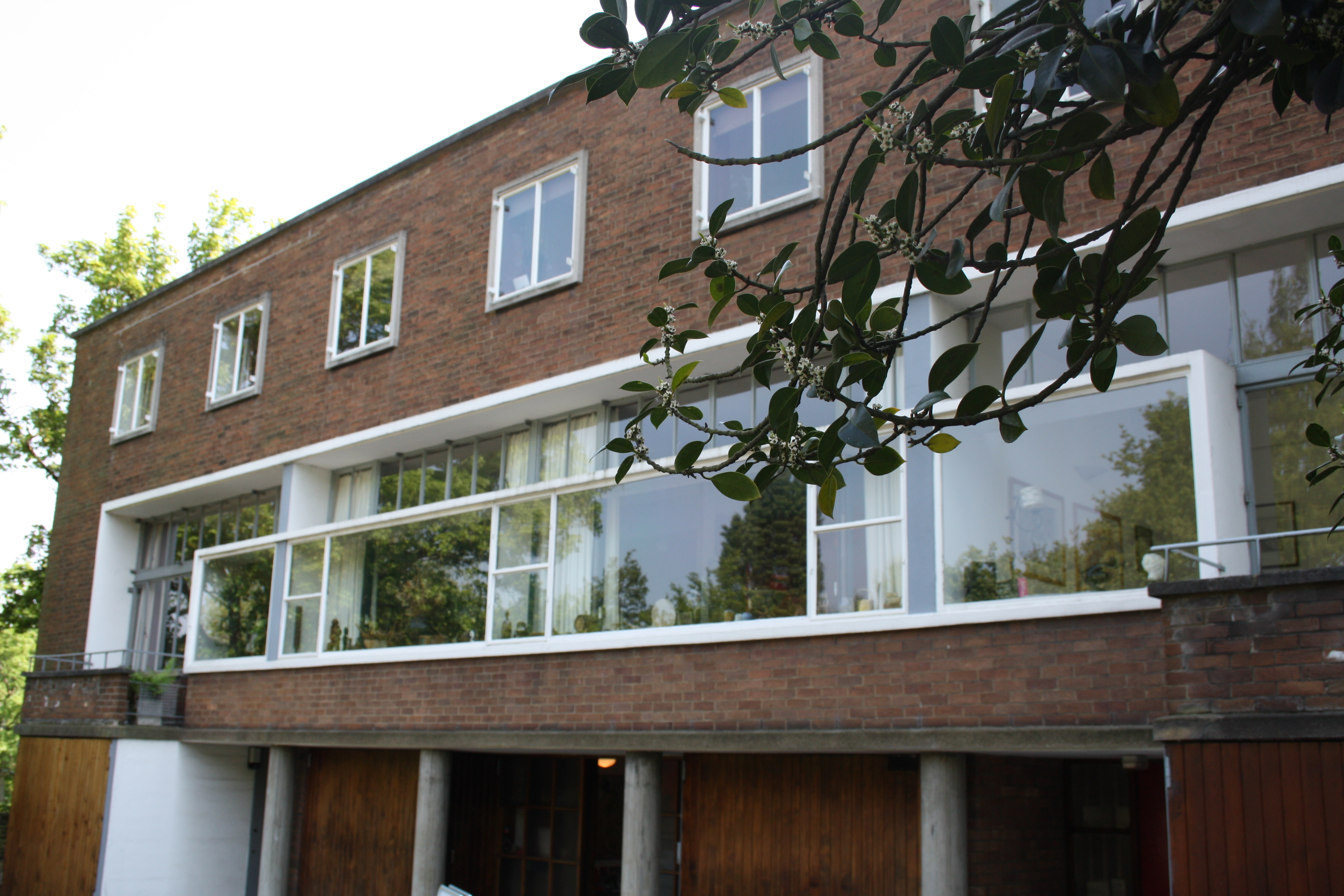
Located in leafy Hampstead, Willow Road was designed by Erno Goldfinger (of Trellick Tower fame) and completed in 1939. It has the strong, clean lines, concrete supporting columns and window walls we would expect of a modernist house of this era, although the brickwork was a concession to not straying too far out synch with the neighbours. Goldfinger had originally designed a block of flats for the site, but after this failed to receive planning permission, he scaled the design back to this group of three ‘terrace’ houses – the Goldfingers moved into number 2 (in the centre) with separate tenants to either side in 1 and 3.

Much of the built-in furniture and door furniture was designed by Goldfinger himself. A strong feature of the house is the use of movable partitions between rooms, allowing space to be opened up or closed down when required. But life at number 2 wasn’t obsessively modern – when Goldfinger’s mother moved into the house later in her life she filled up her room with her ornate Austro-Hungarian furniture! The house was clearly designed as a place to live – it housed four generations of the family at one point – and also to work, featuring a studio (originally for Goldfinger’s wife) and study.

2 Willow Road is now run by the National Trust and open to visitors from March to November each year (in 2012 it will open from 3 March to 4 November, Wednesday to Sunday from 11am-5pm, with entry by guided tour on the hour between 11-2 and self-guided viewing from 3-5). You can also pick up a copy of a good self-guided walking tour of Hampstead’s modernist architecture on site. And keep an eye on the National Trust’s website as they also run excellent guided walking tours on this theme. I did one earlier this year and can highly recommend it – but that’s another post…

http://www.nationaltrust.org.uk/2willowroad

Image

Welcome to the Londonphile

Hello and welcome to the Londonphile.

As you will come to see, I love London, and in particular its heritage, architecture, museums, art and history – especially those that are maybe just a little bit quirky. London is my hobby, more or less, and I like to think I have now done enough research, reading and visiting around and about the sort of places that interest me that I could share this with others.

The Londonphile is by no means intended as a comprehensive review of all that there is to do in London, or even of the many, many sights falling under the heritage/museums/art/architecture/history banner. It is a very personal take on a most amazing city. It’s a collection of places I have found interesting, or want to visit in the future.  It also serves as a reminder for me of the things I have seen and would like to see. It will cover one-off ‘events’ as well as temporary exhibitions and permanent sights. Basically, anything that I think is of interest! And although it revolves around my own take on my favourite city, please feel free to let me know if there is anywhere you think I would like to visit; I’m always up for new tips and places to go…

This is primarily a positive blog – if I have included something here it means that I think it is worth visiting. If I think it may not be for everyone then I will say so. I hope over time that the Londonphile will grow to become a collection of London’s more idiosyncratic days out.