Written in Soap

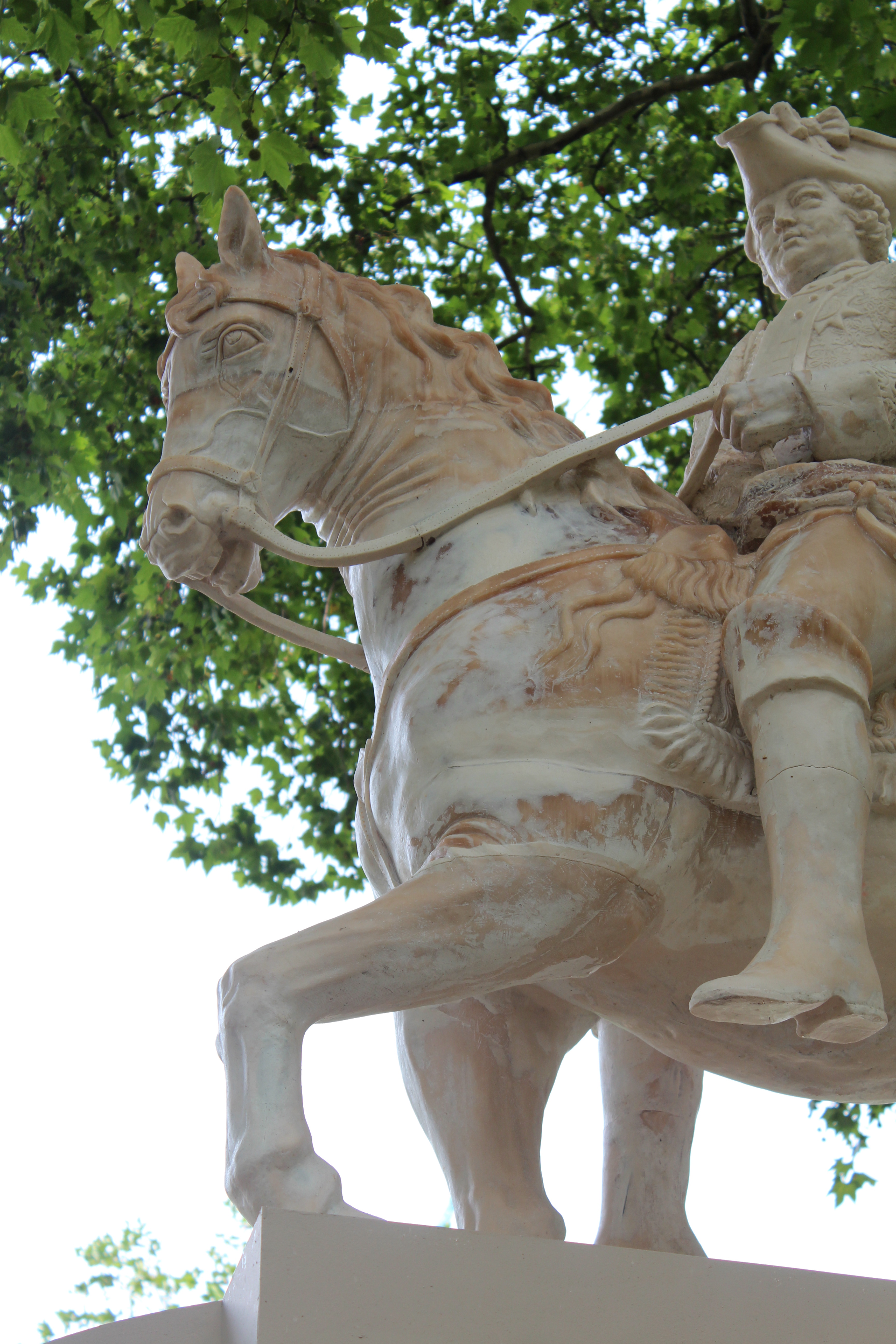
When Londonist wrote about the soap sculpture in Cavendish Square last week I knew this was something I had to see for myself. Much like the structure featured in last week’s post, Paleys upon Pilers, Meekyoung Shin’s soap sculpture is a temporary addition to London’s streetscape, which is part art installation, part historical reference.

This soap scultpure of the Duke of Cumberland, which launched on 24 July, replaces the one originally installed in 1770 then removed in 1868 when the subject became increasingly unpopular. While the fate of the original statue is unknown, the stone plinth has stood empty ever since in the middle of Cavendish Square, just behind Oxford Circus.

While Shin’s work is indeed made of (vegetable-based) soaps it does include a metal skeletal armature attached to the base on which it stands to hold the sculpture upright. The piece was intended to be as close as possible to the original, based on existing sketches – although the exact dimensions remain unknown it was created to fit the proportions of the plinth. Intriguingly there are no signs in the square about its latest addition, so I can only guess that the casual visitor would assume it was an ordinary statue.

Shin’s work has much to say about the changeable nature of art, monuments and history – she is particularly interested in the way that history is drawn (and re-drawn and erased) on the urban landscape. The sculpture will remain in Cavendish Square for one year – and it’s anyone’s guess how it will endure the four seasons. I plan to revisit it over this time and will update you on how it is progressing.

http://www.writteninsoap.com/

Paleys upon Pilers

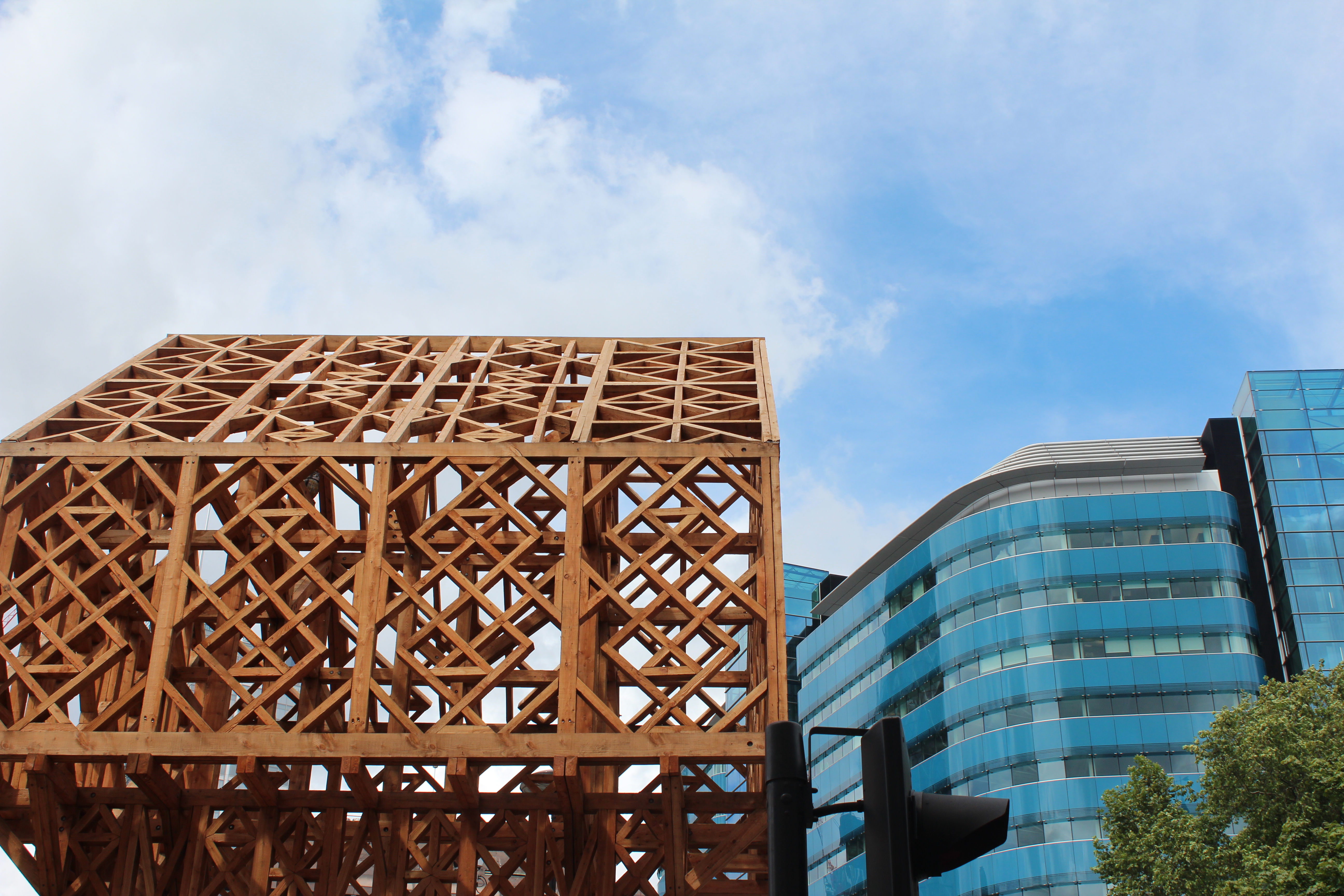
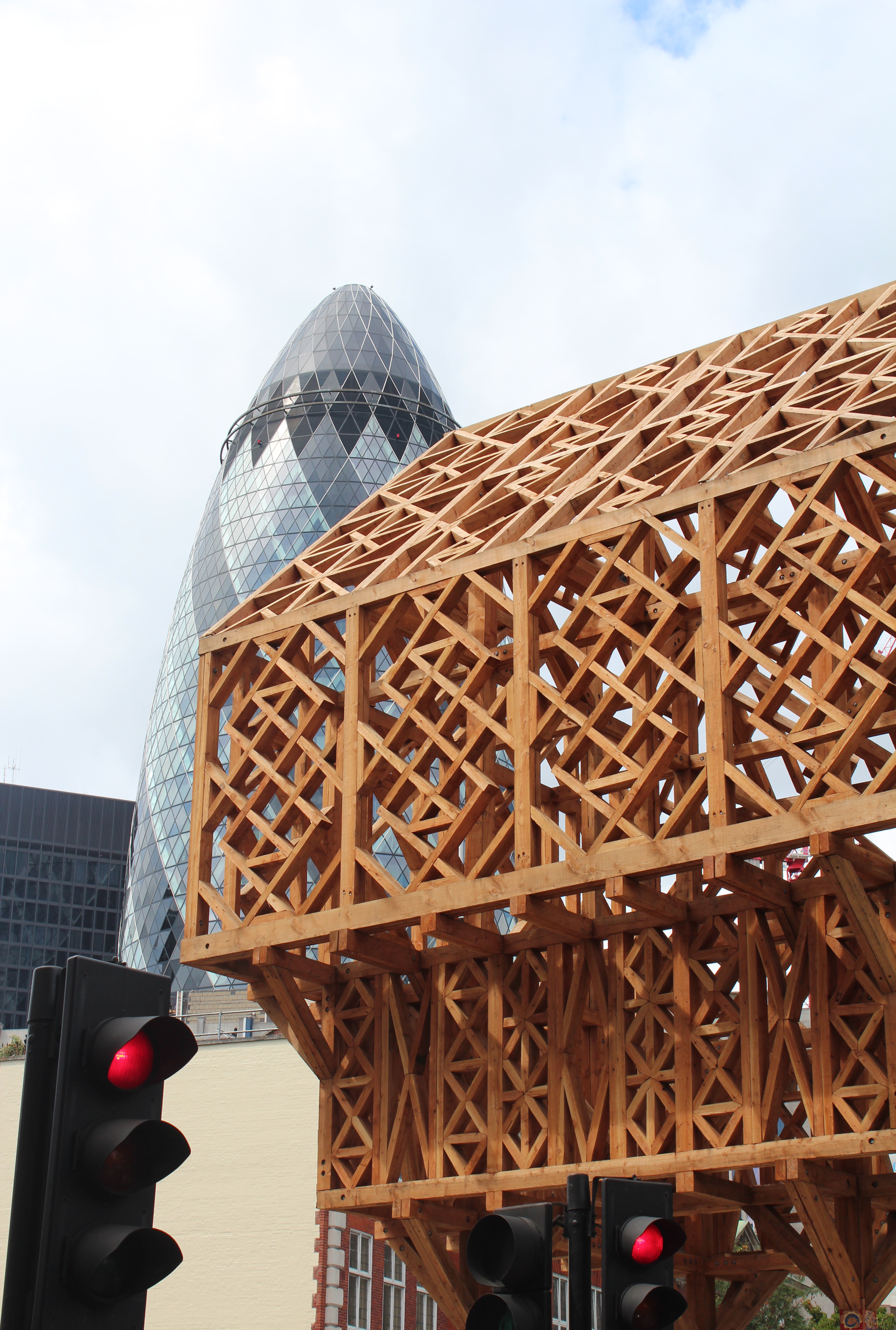
Next time you find yourself in the vicinity of Aldgate tube station take a moment to investigate this intricate wooden structure floating above the streets. This marks the location of the City wall’s easternmost gate – Aldgate. The original gate once included a small house above it, which was home to the poet Geoffrey Chaucer from 1374 to 1386.

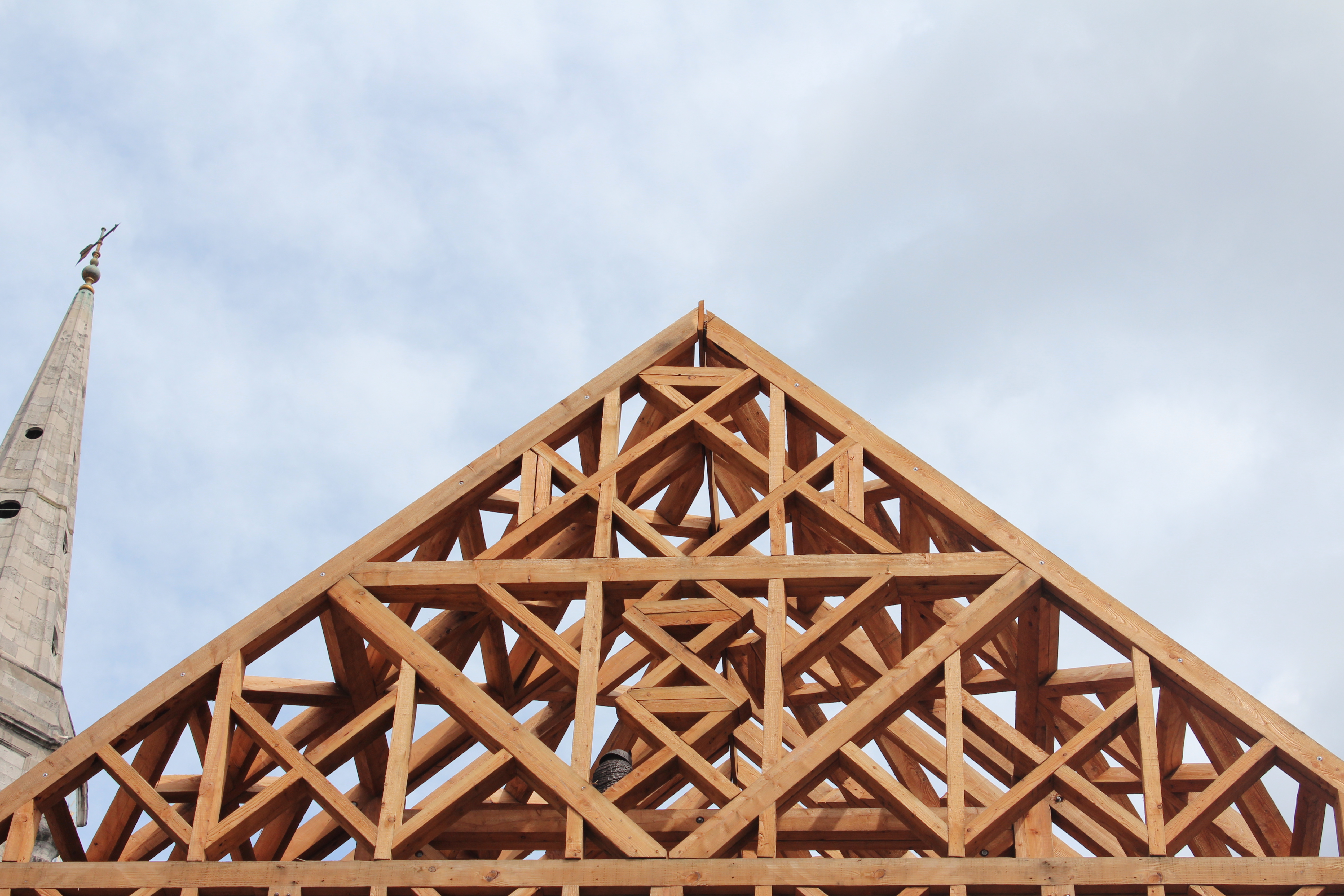
This new structure – named Paleys upon Pilers (meaning ‘palace on pillars’) was designed by architects Studio Weave. They also took inspiration from Chaucer’s two dream poems, featuring elevated temples, which he wrote while living above the old gate.

The timber – which references the wood used in the old houses of the area – is described by the designers as a kind of ‘timber embroidery’ and it is indeed beautifully intricate. The painted pillars supporting the structure were inspired by designs found in the illuminated manuscripts, and have been gilded with Dutch gold leaf.

Don’t miss the wooden owl – nicknamed Geoffrey – who perches silently in the eaves. Part architectural installation, part historical reference, Paleys upon Pilers is a welcome addition to London’s architecture, and creates fascinating juxtapositions with the various buildings surrounding it. The good news is that although it formed part of the London Festival of Architecture 2012, it is now expected to stay much longer than the three month period originally intended. It can be found very close to Aldgate station, near St Botolph’s church.

http://www.studioweave.com/projects/paleys-upon-pilers-aldgate/

Fulham Palace

You know that a residence is very old when it has ‘est 704’ in its logo. In fact, although the earliest written evidence for Fulham Palace dates from 704 it was acquired by a bishop around 700 and the site has evidence of occupation dating back much longer than that, with Neolithic, Iron Age and Roman artefacts uncovered here. Originally the country home for the Bishop of London, the Palace later became their main abode – the last bishop to live here was Bishop Stopford, who moved out in 1973.

Today Fulham Palace is open to the public and you can wander around a number of rooms at your leisure, including the Great Hall (circa 1495), which was re-panelled in the 19th century from recycled materials including an old communion rail. Or you can have lunch in the cafe that was once Bishop Howley’s Georgian drawing room. There is also a small museum covering the history of Fulham Palace. The moat (now dry) that encircles the property was once the longest domestic moat in England. Both the Palace and the grounds have been altered over the years by the different bishops in residence, who have left their various marks upon it.

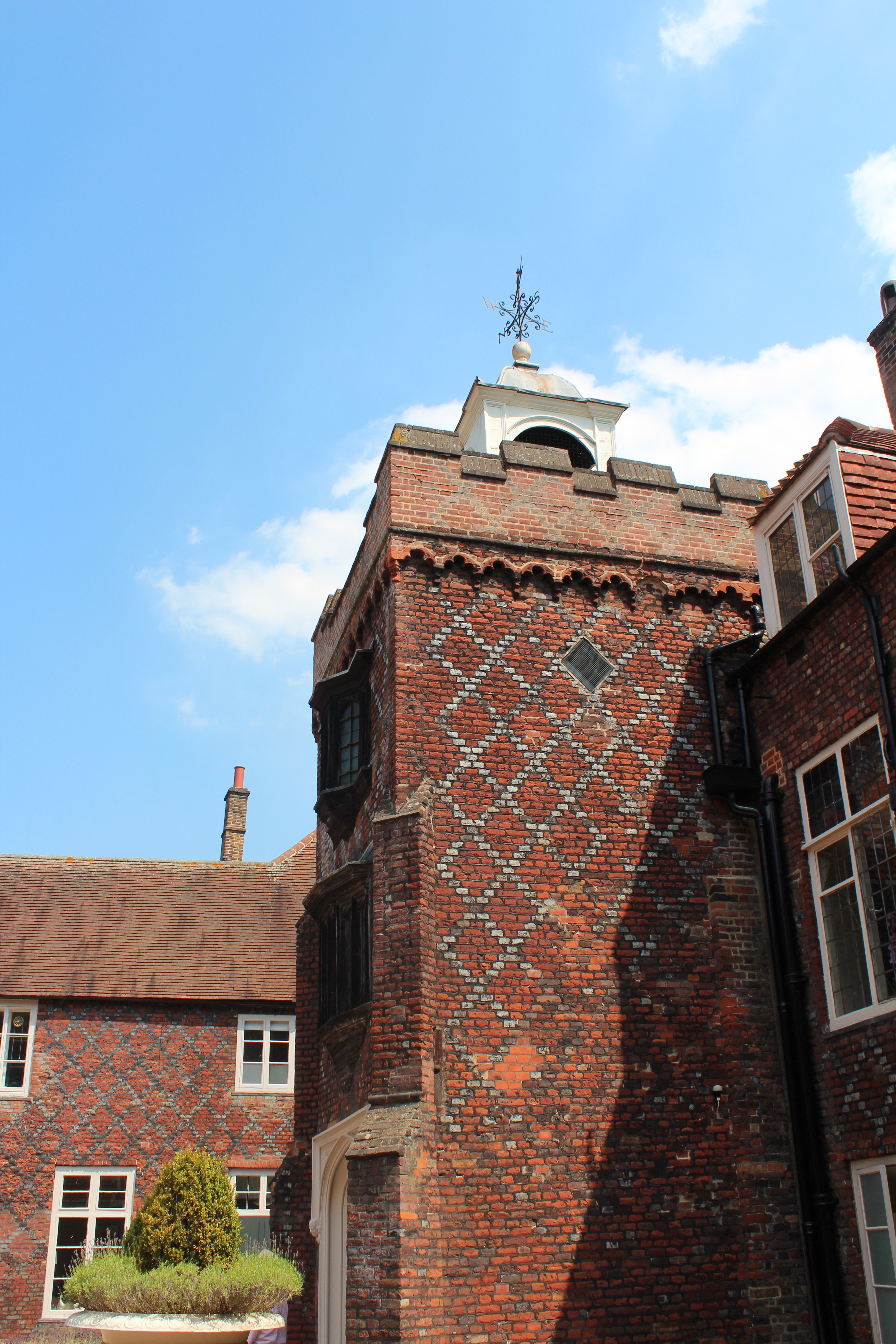
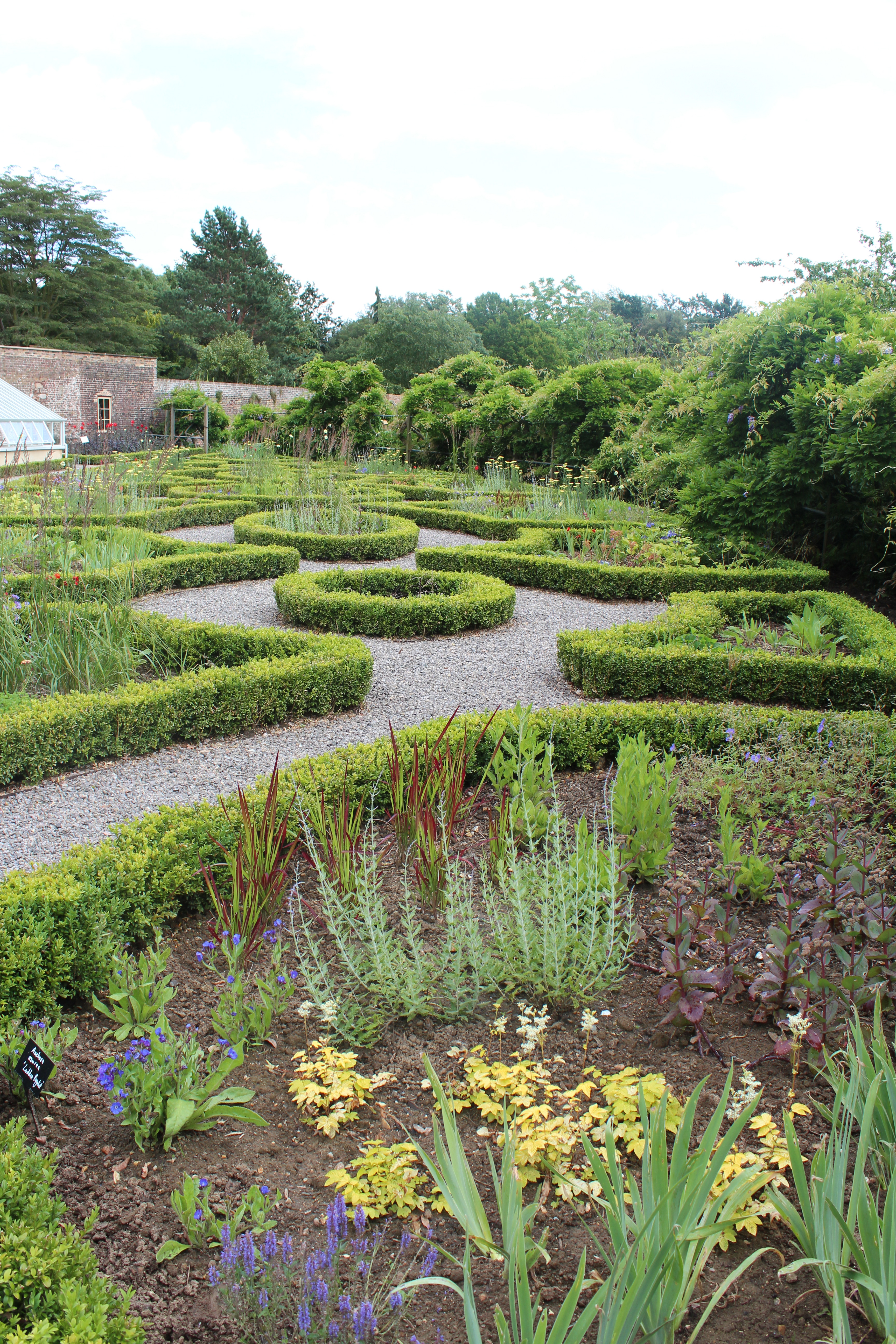
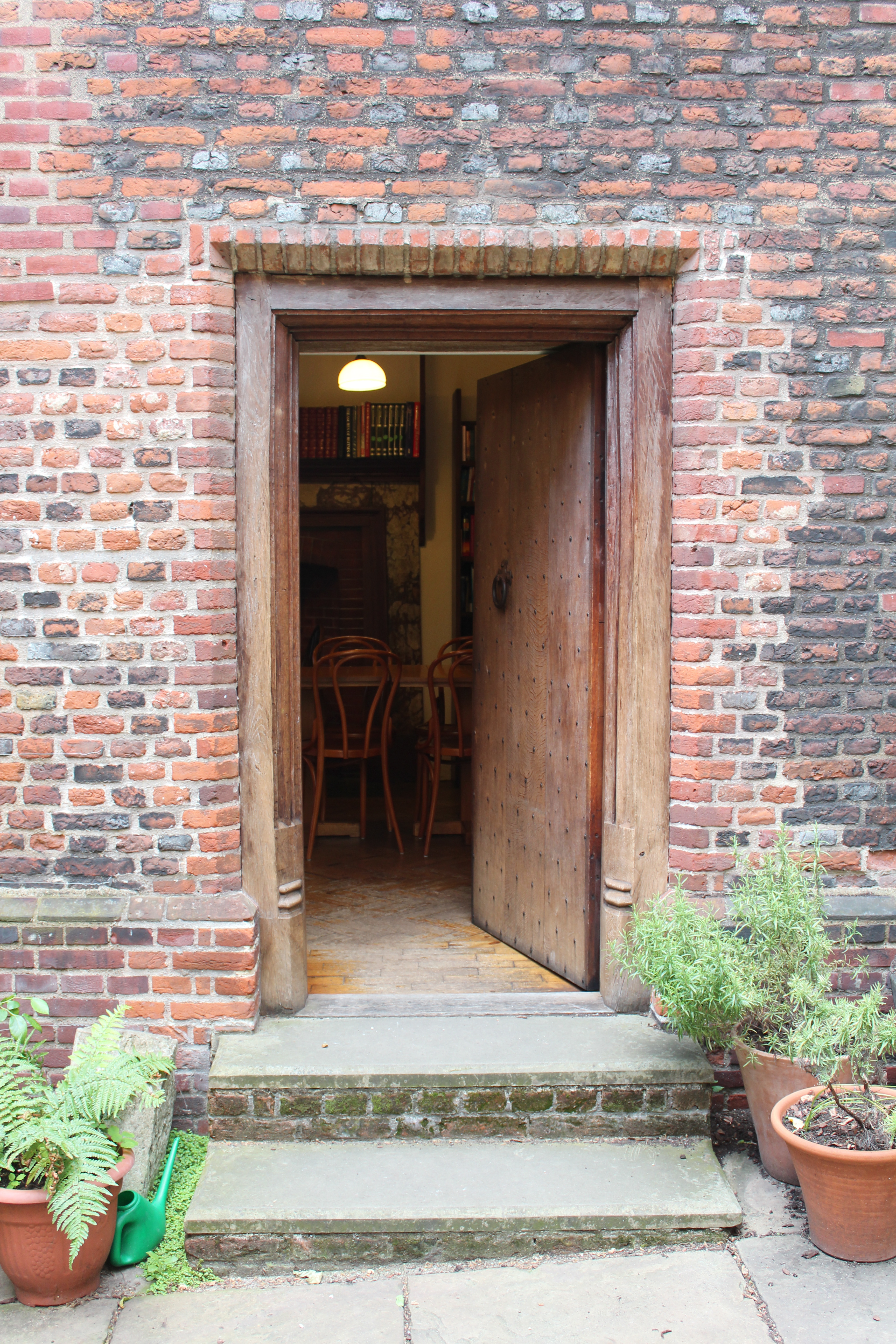
Fulham Palace is understandably excited about recent happenings in its walled garden, originally landscaped in its current form by Bishop Terrick (1764-1777), although the Tudor entranceway (pictured below) signifies an older version. It is currently being restored and was re-opened to the public on the 27th of May. The restoration is still in progress, giving visitors the opportunity to see a partial ‘before’ picture. Bishop Blomfield’s knot garden – planted in the colours of his own coat of arms and replicating his original 1831 design – is complete and a new greenhouse has been built on the exact footprint of the original. Bee boles – holes along the outside of the walls once used to attract bees, not only for their honey but to pollinate the walled garden’s fruit trees – have just been uncovered after being bricked up for over a century.

I don’t know about you, but when I hear about an archaeological dig I tend to think about bones and dead bodies. However, the purpose of the archaeological dig currently taking place in the walled garden is to uncover remnants of previous garden design, so as to inform plans for the restoration. They are seeking hints and patterns of previous planting, formal beds, paths, statuary and the like. As well as a girl guide’s badge (from the days when lunches for guides where hosted here), they have also uncovered Victorian plant labels, children’s toys and buttons from the clothing worn by former gardeners. The dig has been a community one, with volunteers joining in from the local area and schools.

The dig has recently been extended until the 10th of August, so you’ve still got time to join in if you’re interested. Fulham Palace also offers historical walks and garden tours, check their website for details: http://www.fulhampalace.org/  These are £5 per person, but admission to the Palace and its grounds is free. The closest tube is Putney Bridge on the District line.

Standby cabinet war rooms

Hidden away underneath a particularly nondescript brick building in the suburbs of North London – Dollis Hill to be exact – lie the standby cabinet war rooms. These bombproof rooms would have been put into use for Churchill’s cabinet should the secret war rooms in Westminster have been damaged or destroyed. Thanks to Subterranea Britannica, the rooms are opened up a couple of times a year, providing you with an opportunity to explore their beautiful dereliction.

Plans for the standby cabinet rooms began in 1938, with war imminent, and construction commenced in 1939 below the site of the Post Office Research Station. After 13 months and at a cost of £250,000 the rooms – code-named ‘PADDOCK’ – were complete. As it turned out, they were only used for cabinet meetings on two occasions, with the more vulnerable Westminster rooms remaining unharmed. After the war the entire site reverted to use by the Post Office. They moved out in 1976 and the war rooms have been unoccupied since. Houses were developed across the site in the late 1990s, but on the agreement that the alternative war rooms remain and are opened up to the public at least twice a year.

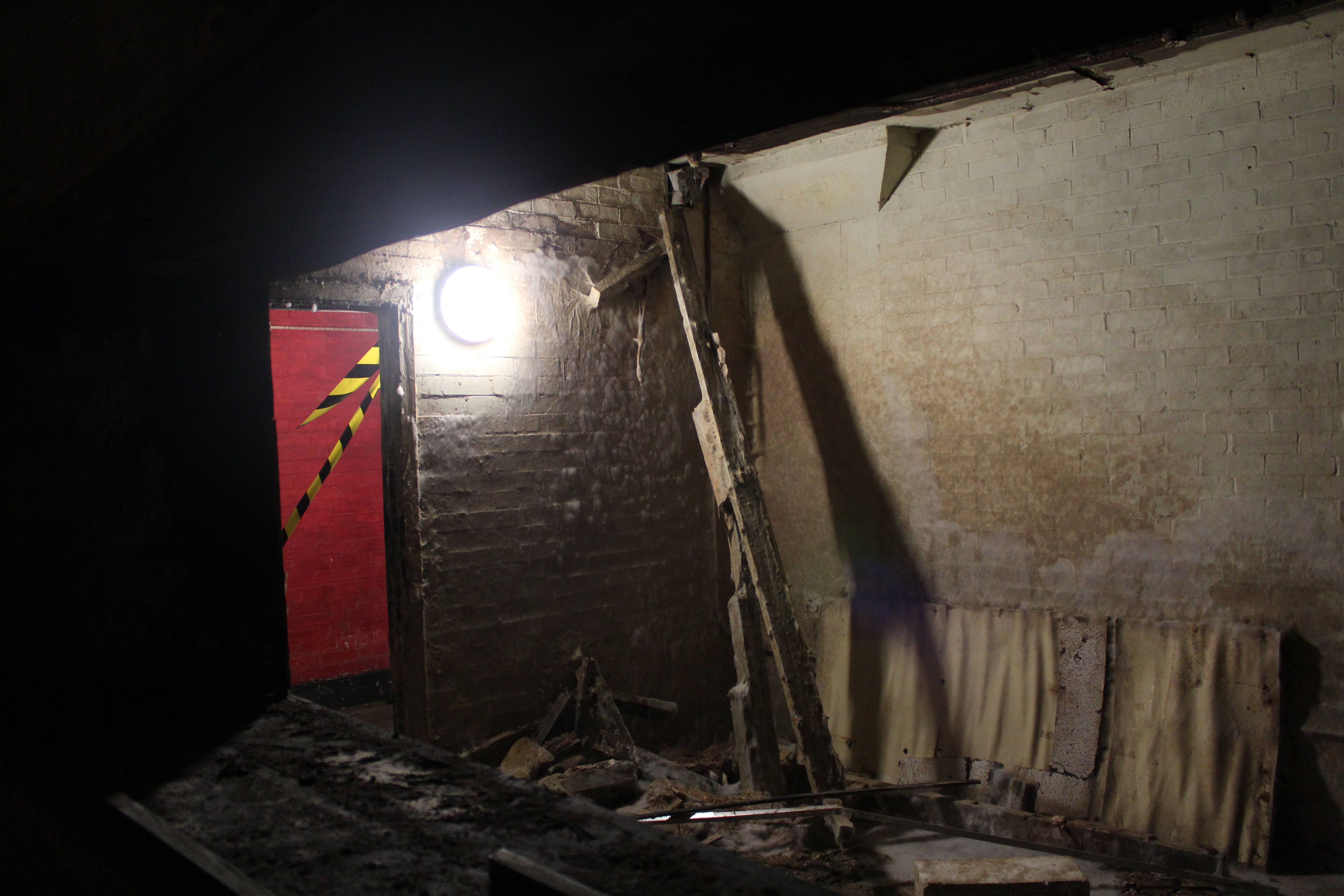
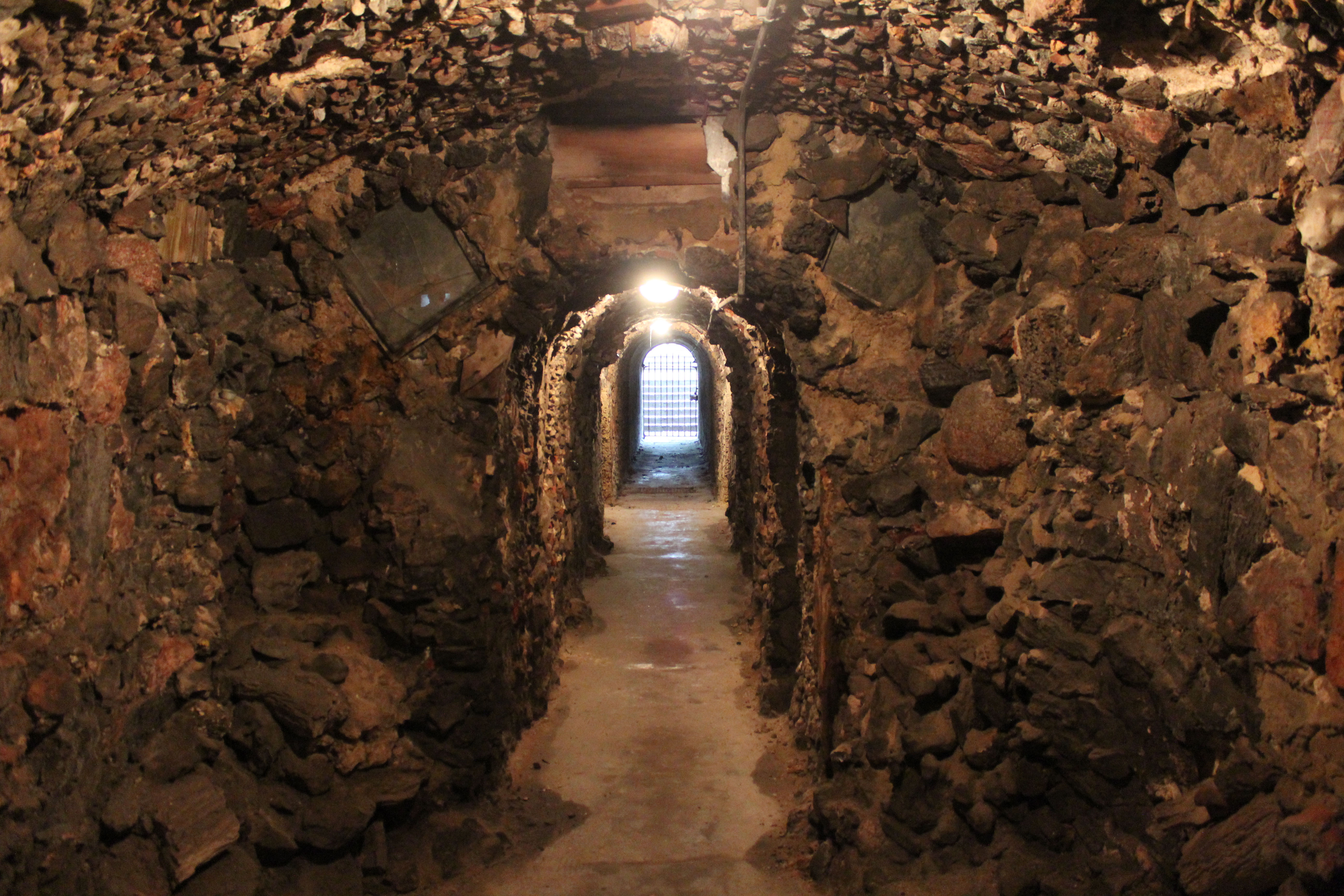
As these photographs amply attest, the rooms’ original features are still in situ and in a high level of dereliction, with stalactites forming on the ceilings, fittings rusting away and mould blooming on walls. Our tour included the air filtration room, the lower plant room with its massive generator, the telephone exchange room and what was once the map room, which would once have had maps adorning the wall and a map table in the middle of the room. Today the maps have disappeared but you can see the tide mark from the water that had flooded the map room after it was abandoned. What we didn’t visit was the toilets, as these were amazingly left out of the design process – apparently a fire bucket or a dash to the post office buildings above had to suffice.

Last weekend’s opening was part of the London Festival of Archaeology, but the site will also be open for tours again in September as part of Open House London, and I highly recommend adding it to your list for that busy weekend.
Subterranea Britannica also has detailed information about the rooms on its website.

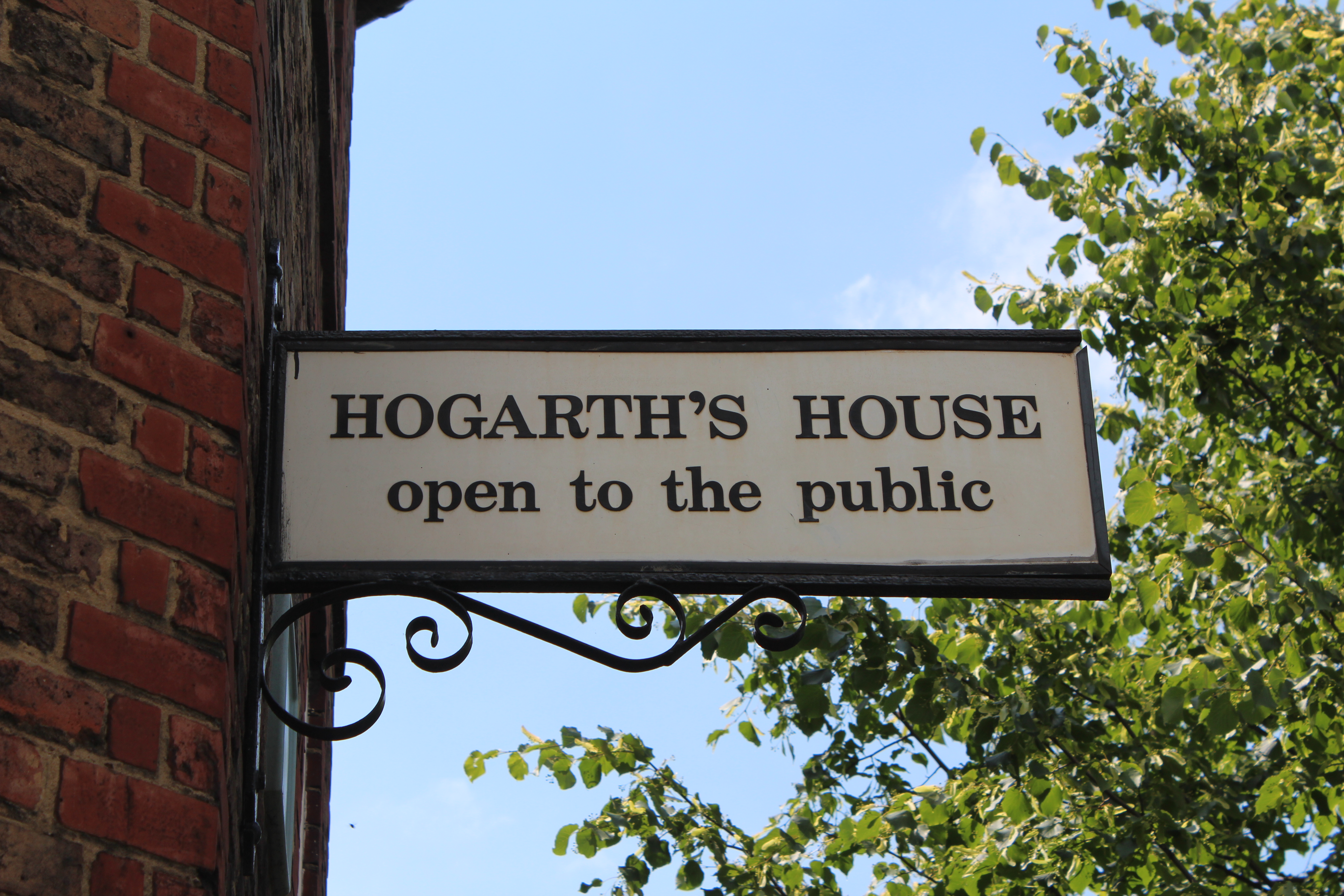
Hogarth’s House

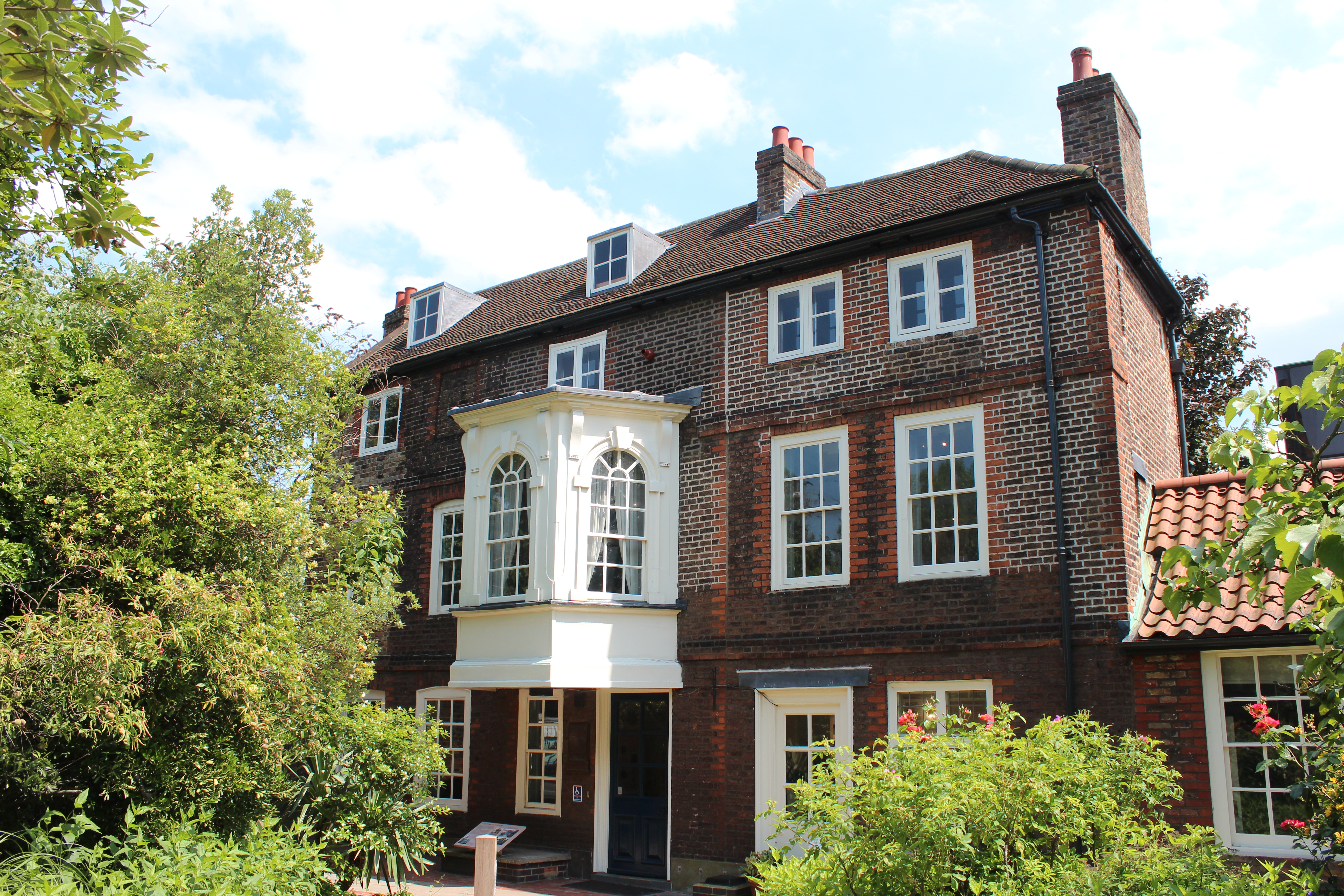
It’s hard to believe with the traffic thundering along the six-lane dual carriageway just metres outside, but William Hogarth and family bought their Chiswick house as a country retreat. No doubt it was still considerably quieter back in the day than their London home in what is now Leicester Square. Exactly what the artist would have made of the nearby Hogarth Business Park and the chaotic Hogarth Roundabout is anybody’s guess…

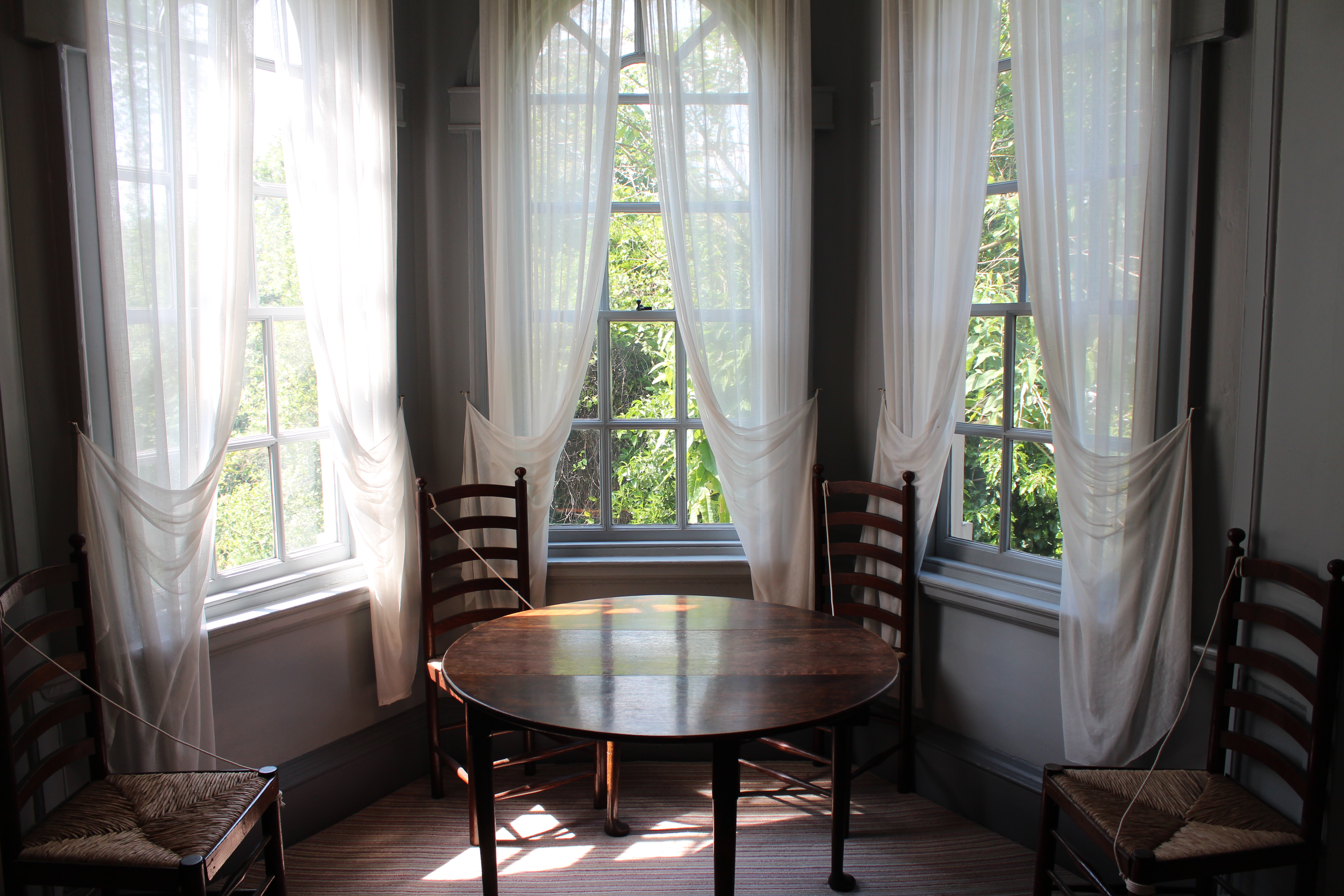
Hogarth’s House must be one of London’s oldest house museums. It was first opened to the public in 1904 after one Lieutenant-Colonel Shipway purchased the property for this purpose. He also commissioned the reproduction of Georgian-style furniture for the house from the Chiswick Art-Workers’ Guild, with each piece based on a piece of furniture featured in Hogarth’s work. This furniture is still on display in the house today – along with some of Hogarth’s personal possessions, including a palette and a snuff box – and sits well with the lovingly restored Georgian interiors.

Hogarth depicted life in Georgian London (often menacing, mercenary and decadent it turns out) in his satirical illustrations and series of paintings on ‘modern moral subjects’, the latter being serialised as hugely popular prints. Copies of a number of these prints are on display in the house, including Gin Lane, Beer Street and The Four Stages of Cruelty – so if you’re looking for a a crash course in Hogarth’s work a visit to his former abode might be just the thing.

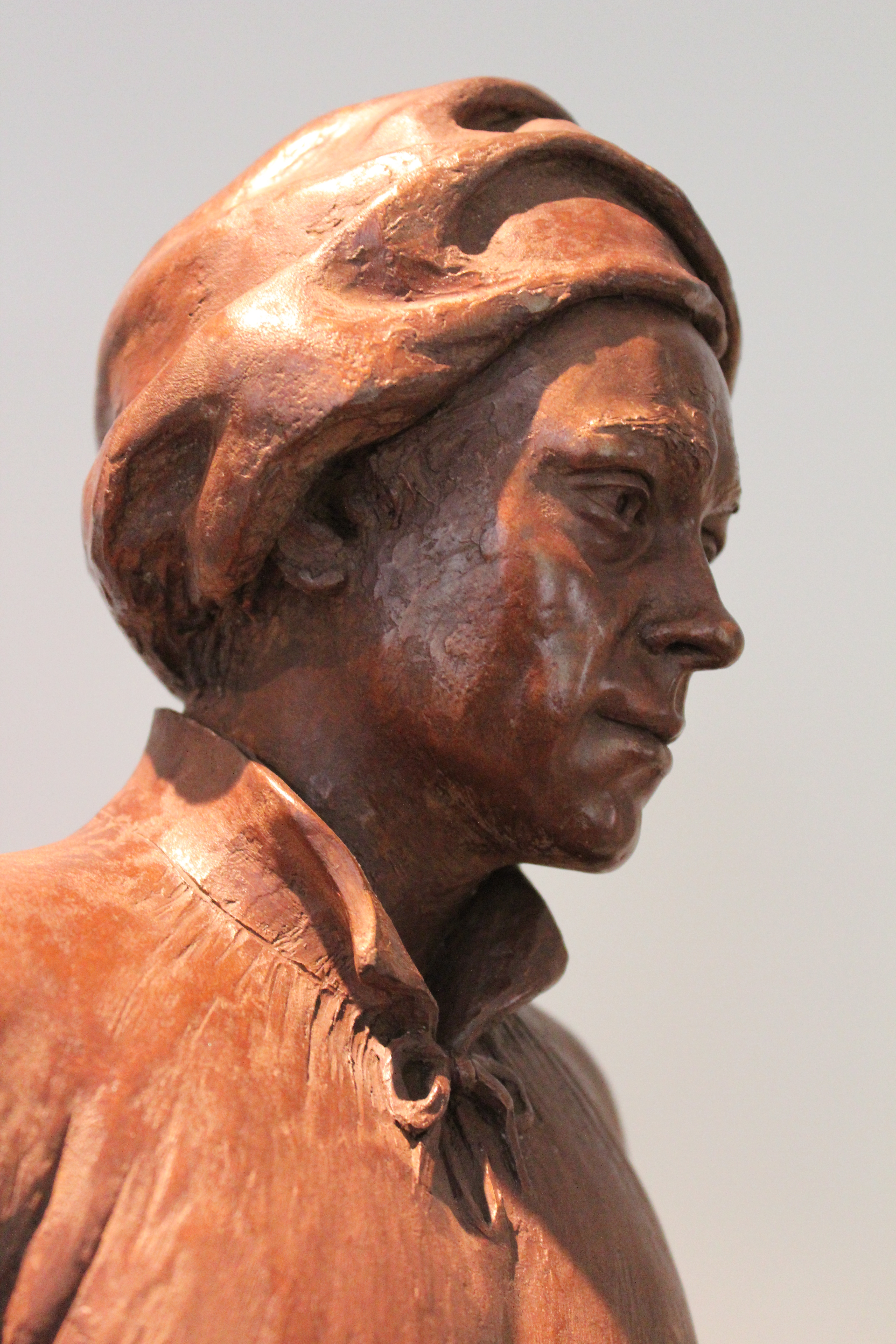
The model for Jim Mathieson’s statue of Hogarth is on display at the house.

The house itself was built around 1700 and Hogarth lived here from 1749 until his death in 1764. His wife Jane stayed on in the house after his death – apparently on the condition that she did not remarry. Jane Hogarth organised the extension of the kitchen wing on the ground floor, which is now a gallery. Currently on display is a range of historical pictures of the house and photographs documenting its recent restoration and unfortunate history of damage – it was badly bombed in the Second World War and a fire broke out in 2009 during the restoration process, delaying its re-opening until November 2011.

Hogarth’s House is open 12 noon to 5pm, Tuesday to Sunday and Bank Holidays. Admission is free. The closest tube in Turnham Green – keep an eye out for the Jim Mathieson statue of Hogarth (and his pug dog) just down the road from the station, on the corner of Turnham Green Terrace and Chiswick High Road.
You could combine a trip to Hogarth’s House with a visit to Chiswick House and Gardens, which is located virtually next door.

Twickenham’s Grottoes Part 2

Marble Hill Park Grotto

Having explored Alexander Pope’s once magnificent grotto in Part One of this series, we now turn to another grotto in Twickenham with connections to Pope. The grotto located in the grounds of English Heritage’s Marble Hill property – and this one is open to the public – was not only inspired by Pope, but the poet himself helped with the design (and indeed with that of the entire grounds) – ‘assisting’ landscape shaper Charles Bridgeman.

Marble Hill was built between 1724-29 for Henrietta Howard, the mistress of King George II. The Countess of Suffolk, as she was later to become, had visited Pope’s grotto and determined to have one of her very own built in the grounds of her nearby Palladian villa. In fact, it is believed that there were originally two grottoes built in the grounds, and it seems likely that the one you can see today is the smaller of the two. It was first rediscovered after a fallen tree revealed a secret chamber in 1941. It was refilled at this time but in 1983 subsidence on the lawn lead to excavations which saw it uncovered yet again and finally restored.

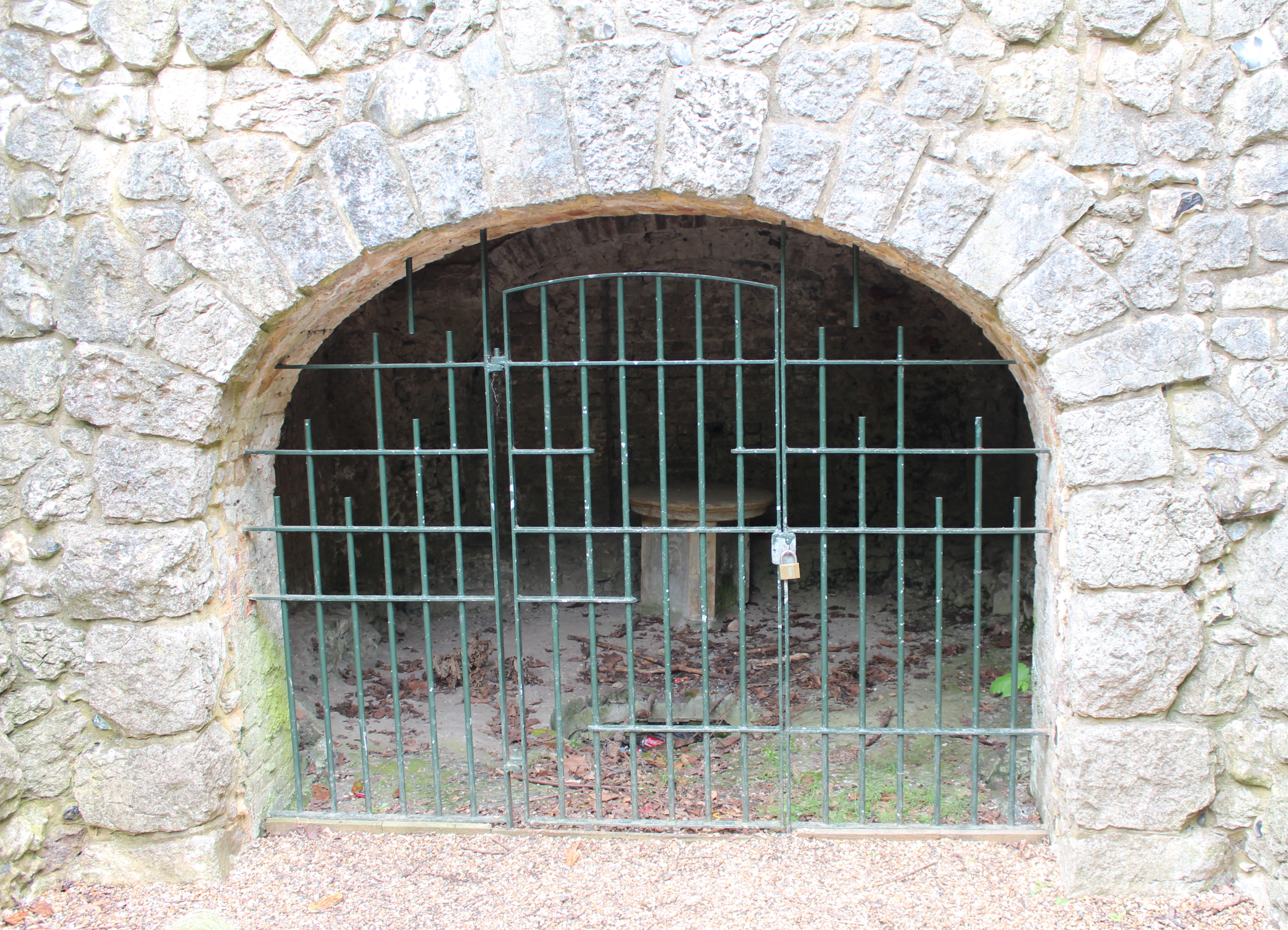
Like Pope’s own grotto, the Countess’s would have originally been more colourful, containing shells, coral and blue glass. Sadly these decorations were too fragile to be conserved so it is now a much plainer proposition altogether. The small ‘cave’ itself is behind bars, and composed mostly of rather barren stone and brick. A stone table can still be seen, though not in the best condition. The exterior top part of the grotto is not original but has been reconstructed as it is thought to have originally appeared. Today the grotto is approached down a set of stairs – another feature thought to be faithful to its original appearance.

As I approached the grotto from the Thames, it looked like nothing more than a hedge. Shrubbery has been planted around the grotto and its stairs creating this effect (earlier photos show the grotto after its restoration with no shrubbery). Actually this oval ‘hedge’ is in keeping with a description of the larger grotto as containing ‘an Ally of flowering shrubs’. The location of this second, larger grotto remains a mystery.

You can view the Marble Hill grotto during Marble Hill Park’s opening hours, which are standard dawn to dusk times. If you’re considering combining your trip with a visit to the house make sure you check its separate opening hours as these are very limited and it’s usually closed throughout the colder months.

Sutton House

If like me you have a liking for layers of history and secret things hidden behind doors and panels, then Hackney’s Sutton House is just the thing. Built in 1535 – making this National Trust property East London’s oldest domestic dwelling – it’s one of those London places you keep meaning to visit and then wonder why you’ve left it so long when you do.

The first thing that struck me about Sutton House was just how very old it felt. As a Tudor building it is of course significantly older than the many Georgian dwellings you can visit around London – and it very much feels like it. The magnificent wood panelling of the Linenfold Parlour – carved to look like draped linen – which greets you in the first room is quite stunning. It’s not surprising to learn that back in the day people often took their wood panelling with them when they moved house, as it would have also been very expensive.

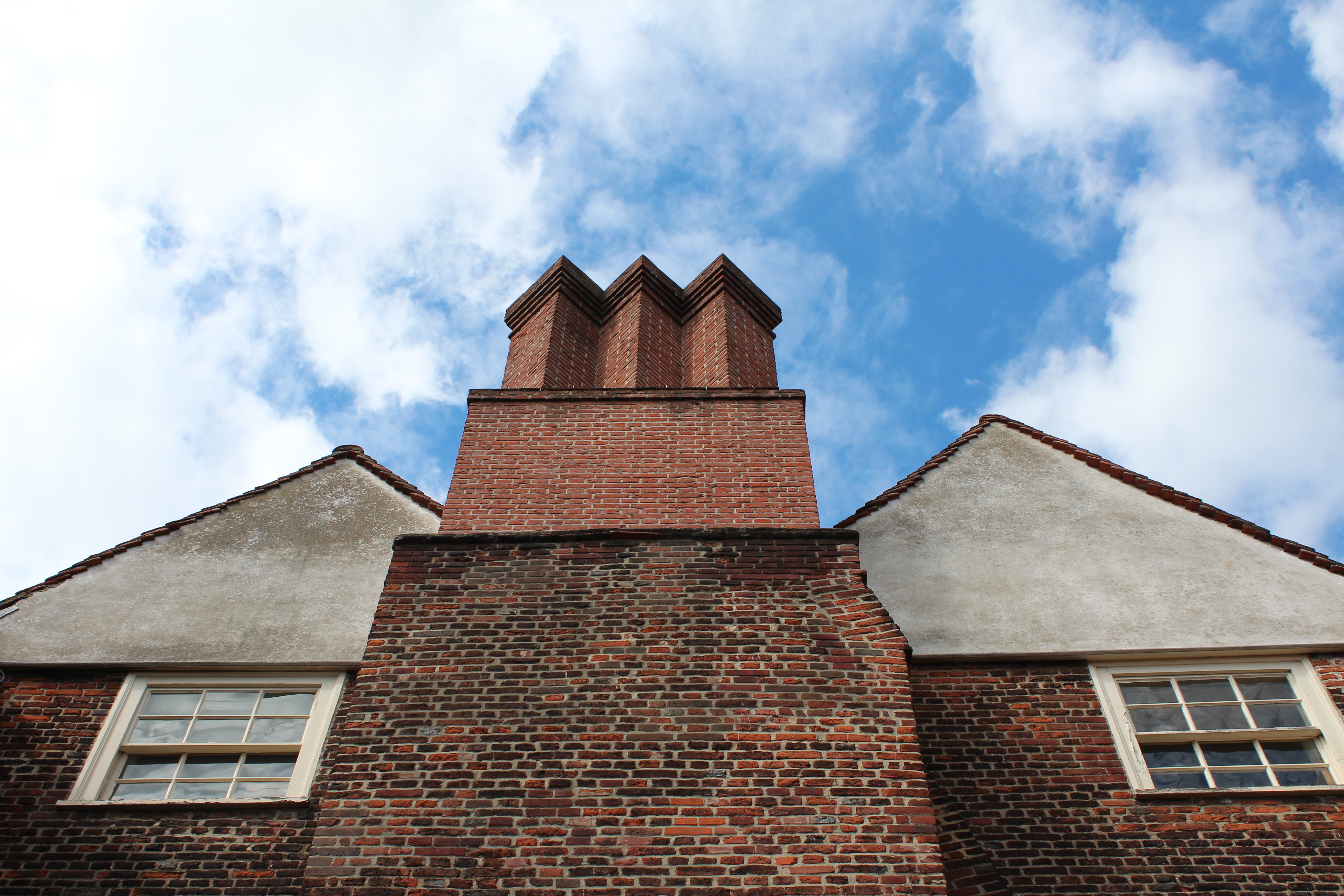
Originally built as a home for courtier Ralph Sadleir, Sutton House has seen a wide variety of residents over the years, including schools, the St John’s Church Institute and a group of squatters in the 1980s. One of my favourite aspects of the house it how it still represents so many of these groups. So while many of the rooms are in the Tudor style, there is also a Georgian Parlour, a Victorian Study and a chapel in a cellar to represent the residents of those eras. Remnants of some of the other groups remain in the form of a wall mural painted by a squatter, while a 17th-century fireplace peaks out from behind a staircase. Wooden panels and doors scattered throughout the house open to reveal previous brickwork, fireplaces and doorways. The past is not lost, it’s just tucked away beneath the layers.

Sutton House is surprisingly extensive, and as well as the many period rooms there is a lovely café (housing a second-hand bookshop) to revive yourself in afterwards. As you can probably guess from the abundance of exterior shots, photography is not allowed inside for conservation reasons, so this is one property you really will have to go and see for yourself. So put off your visit no longer –  though if you do wait just a little while you should be able to enjoy a new garden and eating area that is being constructed next door on what was once a breaker’s yard. This too will contain reminders of that site’s history – and a reference to a lost waterway – and will make a visit to Sutton House an even more attractive proposition than it already is.

For opening times, check Sutton House’s website, as they can vary slightly. The house is located roughly equidistant between Hackney Central and Homerton on the London Overground. I’ll publish an update once the new garden is open.

Twickenham’s Grottoes

Part One: Pope’s Grotto

‘I am endeavouring to raise up around me a painted scene of woods and forests in verdure and beauty…I am wandering through bowers and grottoes in conceit’.

Imagine an Arcadian villa along the Thames, owned by a poet, which sits atop a grotto containing a natural spring, and decorated with mirrors, shells, stalactites, crystals, diamonds and marble. Sadly the villa is now long gone but Alexander Pope’s grotto – in which he once worked and held court – remains, if badly denuded of its unique materials.

Pope moved to Twickenham in 1719 and built a grand Palladian villa along the banks of the Thames in 1720. The grotto – which was actually constructed in the cellars of the house and allowed Pope easy access to his gardens on the other side of the road – was built in stages between 1720 and 1744. Initially, when the grotto was primarily a tunnel  – or ‘subterraneous way’ – beneath the house, Pope decorated it with shells, glass and pieces of mirror, inspired by the imagery of Homer’s grotto. He also created a camera obscura that reflected on the grotto walls ‘all the objects of the River, Hills, Woods, and Boats…forming a moving picture’ (later buildings have since blocked the grotto’s view to the river). From 1733 visitors arriving by boat would be led into the villa through Pope’s picturesque grotto.

Inspired by a visit he took to Hotwells Spa in the Avon Gorge in 1739, Pope later determined to redesign the grotto as a veritable museum of mineralogy and mining, containing samples of stalactites, spars, crystals, diamonds, marble and alabaster, to name but a few. Donors – both friends of Pope and people completely unknown to him – had long sent samples from around the globe, sometimes voluntarily but often at Pope’s (sometimes insistent) request. These now continued apace, including pieces from the Giant’s Causeway in Ireland, one of which can still be seen embedded in the wall today.

The grotto was still a work in progress when Pope died in 1744 as he was forever adding to it. Fortunately his gardener, John Serle, drew a plan of the grotto as it was at this stage, which is how we know that it once had an extra chamber on the northern side and had by this time expanded to fill the surrounding cellar rooms (it was widened further after Pope’s death). Sadly over the years many of the mineral samples and decorative touches were ‘souvenired’ by pilgrims who came to visit Pope’s grotto from around the world and wanted to take home a little piece of it for themselves. The natural spring dried up some time ago, so today visitors can no longer enjoy the sound of water coursing around the grotto.

The excavated willow tree.

Recently a willow tree – believed to be one of the willows Pope famously planted along the river, which was moved at some later point into the grotto – was excavated. A table of finds is on show in one of the chambers, displaying numerous materials found amongst the dirt which had covered the tree. Today the buildings surrounding the grotto are owned by Radnor House, an independent school (rows of children’s art smocks line the walls outside the grotto’s entrance). The grotto is generally only open to the public once a year as part of the Twickenham Festival, normally held in June, which is how the Londonphile made it inside what was once Pope’s magical underground world. Meanwhile, Pope’s Grotto Preservation Trust is working to preserve and to hopefully restore the grotto to its former glory at some point in the future.

Alexander Pope was also instrumental in the design of the grotto that is featured in Part Two of this series – the Marble Hill Park Grotto.

2013 update: The grotto will be open to visitors on two days during the Twickenham Festival: Saturday 8th June at 10:30 and 11:30am, and Saturday 15th June at 10:30 and 11:30am. Further information is available on the Twickenham The Town site.

Entrance will be by pre-paid ticket only and will cost £5 per person, £4 for concessions, free for under 11s.

The finds table.

Rotherhithe Tunnel cupolas

At similar points across the Thames in Wapping and Rotherhithe – like sentinels along the river – stand two rather mysterious identical circular red-brick structures. Surely many a passerby over the years has wondered exactly what these buildings are. They are in fact twin ventilation shafts – more romantically known as cupolas and sometimes referred to as the Rotherhithe Rotunda or Rotherhithe Tunnel Shafts – for the Rotherhithe Tunnel, which allows vehicles to travel under the river at this point between the north and south banks.
The cupolas were not built to deal with the noxious fumes produced by cars – as one could be forgiven for assuming – but with those produced by the horses that at the time of the tunnel’s construction were still very much the main form of transport. Likewise, the pathways along the edge of the tunnel itself were not designed for pedestrians but for the men who used to walk the length of the tunnel shovelling horse manure off the road – surely a contender for inclusion in The Worst Jobs in History TV series.

The Rotherhithe cupola in the foreground – you can just see its Wapping twin on the far left on the north bank.

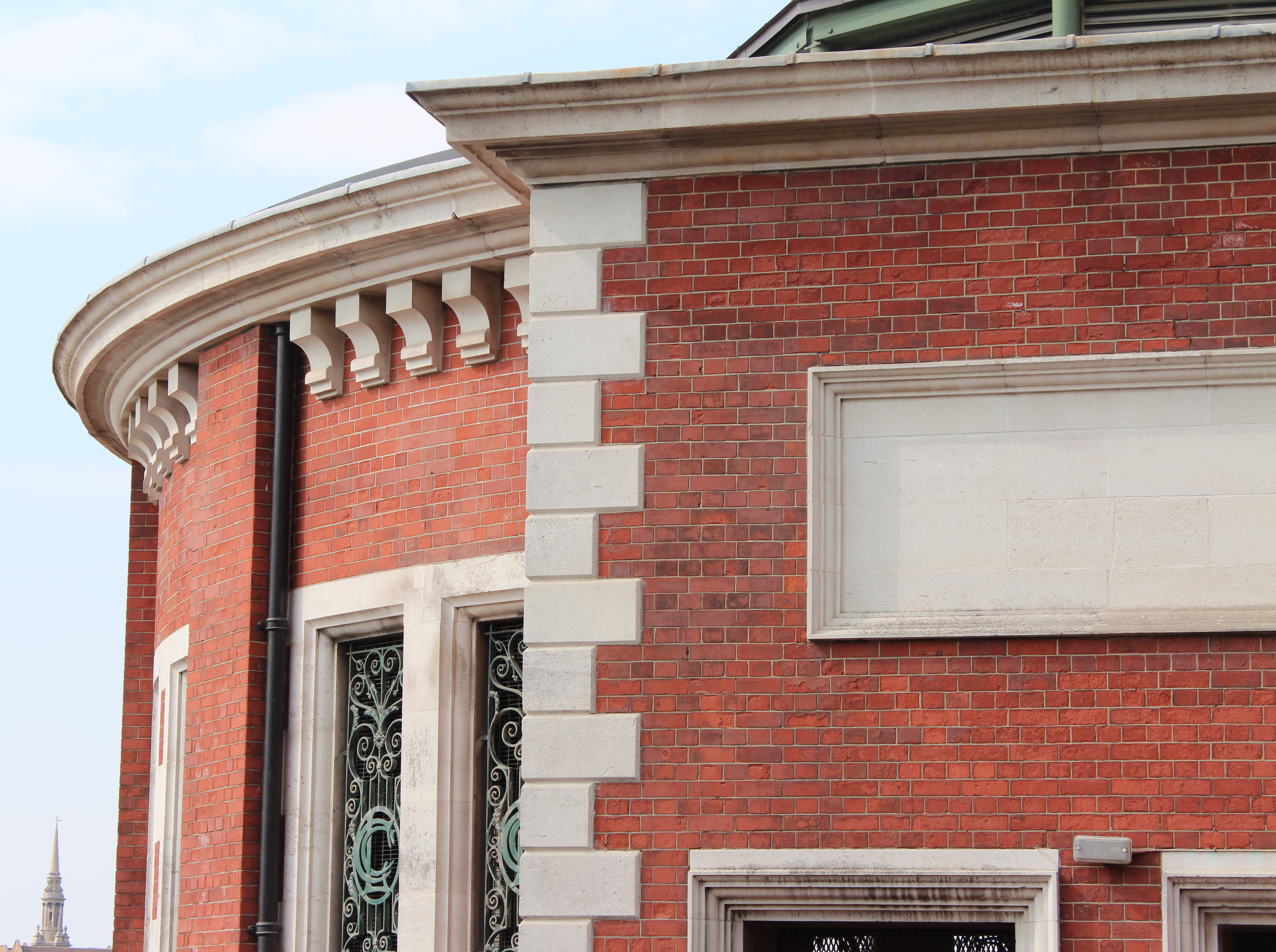
The Rotherhithe Tunnel was constructed between 1904 and 1908 and both the tunnel and the cupolas were designed by the engineer Sir Maurice Fitzmaurice. Made from red brick and Portland stone, each contains a staircase down to the tunnel and four ventilation fans. Their surprisingly ornate iron grilles on the windows spell out the letters ‘LCC’ – for the former London County Council. The cupola on the Rotherhithe side is a little isolated and is fully fenced off with thick red metal bars.

The Wapping cupola is located in the King Edward VII Memorial Park and is more easily viewed as it is not hidden away behind bars. It is signposted as ‘Rotherhithe Tunnel Shaft 3’ – I’m only aware of the two shafts so please get in touch if you know the whereabouts of the other one! You can walk all the way around this cuploa, and enjoy the pretty twin entry doors on the north side (see detail above). Also located on this side is a ceramic and stone memorial erected by the LCC in 1922 to commemorate the sixteenth-century navigators whose voyages into the unknown started from this part of the Docklands.

The Leaning Tower of Rotherhithe

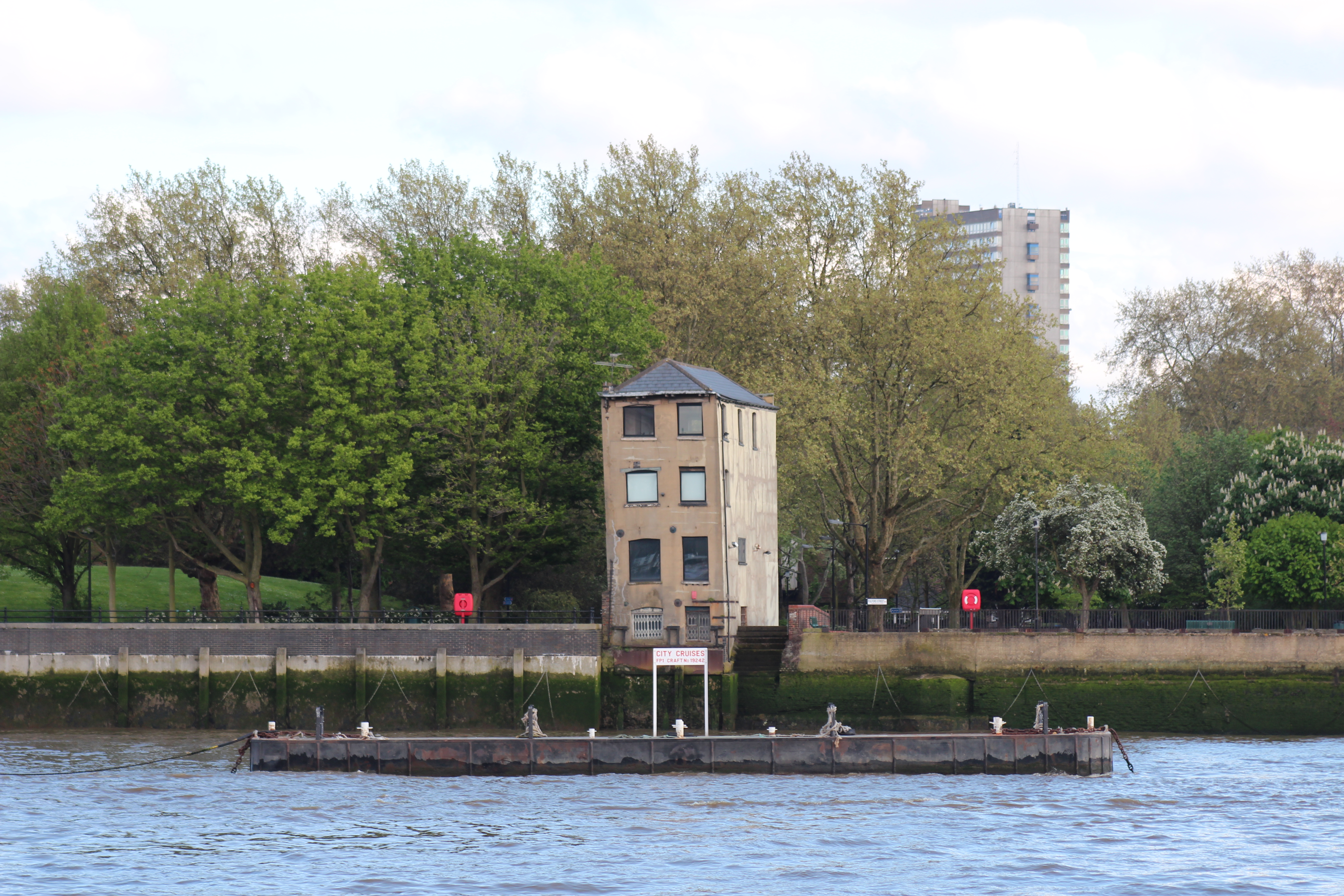
It stands in supreme isolation, alone along this little stretch of the river, like a mouth with but a single tooth. How many travellers along the Thames must have wondered about this funny, narrow little building in Rotherhithe? In fact, the Leaning Tower of Rotherhithe – as it is apparently known locally – was one of several buildings in the area owned by Braithwaite & Dean, a barge company. They were a lighterage firm – lighters being flat-bottomed barges – and their lightermen moved goods between ships and quays (not to be confused with watermen, who carried passengers). This building was their office – and already tilting back in those days – where lightermen would pull up in their boats to collect their wages.

Once this whole stretch of the riverside was covered with buildings, mostly related to shipping, with a few public houses thrown in for good measure. You can see a Museum of London photograph of the area (commissioned by the Port of London Authority as part of their ten-mile panoramic documentation of the river) from 1937 here. The buildings to the west of our leaning tower were purchased in 1939 by Bermondsey Council, who planned to demolish them to build a garden. The Blitz then finished off any work that they had begun to this end.

To the east of the building stood what has been described as ‘a once absurdly picturesque row of largely wooden tenements…seedy in the extreme but vibrantly populated in the 1950s by a bohemian set of artists and writers’. Lord Snowdon lived along this row in a former coal store and is said to have met with Princess Margaret here, as well as hosting celebrities such as Marlene Dietrich and Noel Coward (who entertained him on the piano in his studio flat). In around 1960 he lent his room to John Betjeman (as you do) when his house burnt down.

Betjeman described his time here as ‘the most restful few months I had ever spent in London’, during which he enjoyed the ‘tremendous view’, including that of ‘the wharves and Georgian brick buildings of Wapping’ across the way. He moved the bed to the river-side of the room, going ‘to sleep to the solacing sounds of water’. At low tide he would listen to the sound of the waves rippling over the pebbles below, and described how at high tide ‘after a tug had passed the water made a plopping sound right against my bedroom wall as thought I were in a ship’s hold’. Until the Thames Barrier was built this whole area was of course subject to the risk of flooding; Braithwaite & Dean’s offices were flooded in 1953.

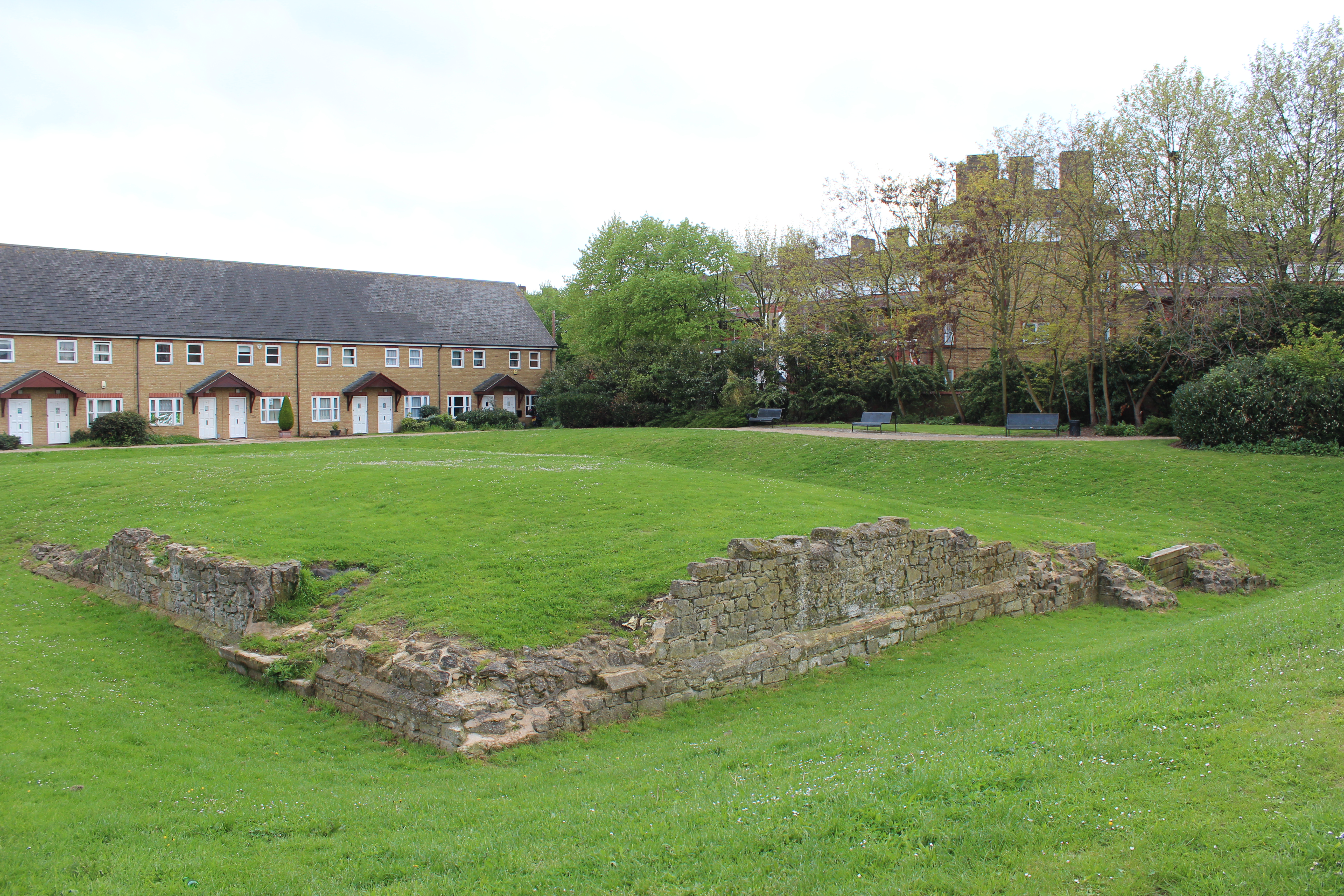
The remains of Edward III’s manor house nearby.

Despite a campaign by both Betjeman and Snowdon, the rather romantic-sounding row of buildings to the east was also pulled down by the local council after being condemned as a health hazard during the 1960s. It’s not known exactly why this particular structure was allowed to remain. It is not of any particular architectural value, though perhaps it was its brickwork that saved it, as many of the other buildings were wooden so arguably less sound structures. The King’s Stairs Gardens were then created here, and contain the remains of what is thought to be King Edward III’s manor house, circa 1353, uncovered by a Museum of London dig in the 1980s. Braithwaite & Dean stayed on in the leaning tower until the early 1990s, and it is now a (very) private residence.

The house is located at the very end of Fulford Street (you can’t miss it!), roughly equidistant between Bermondsey tube station and Rotherhithe overground station. The photograph taken from across the river was shot (with a zoom lens) from Wapping’s Waterside Gardens.