After Hours at the War Rooms

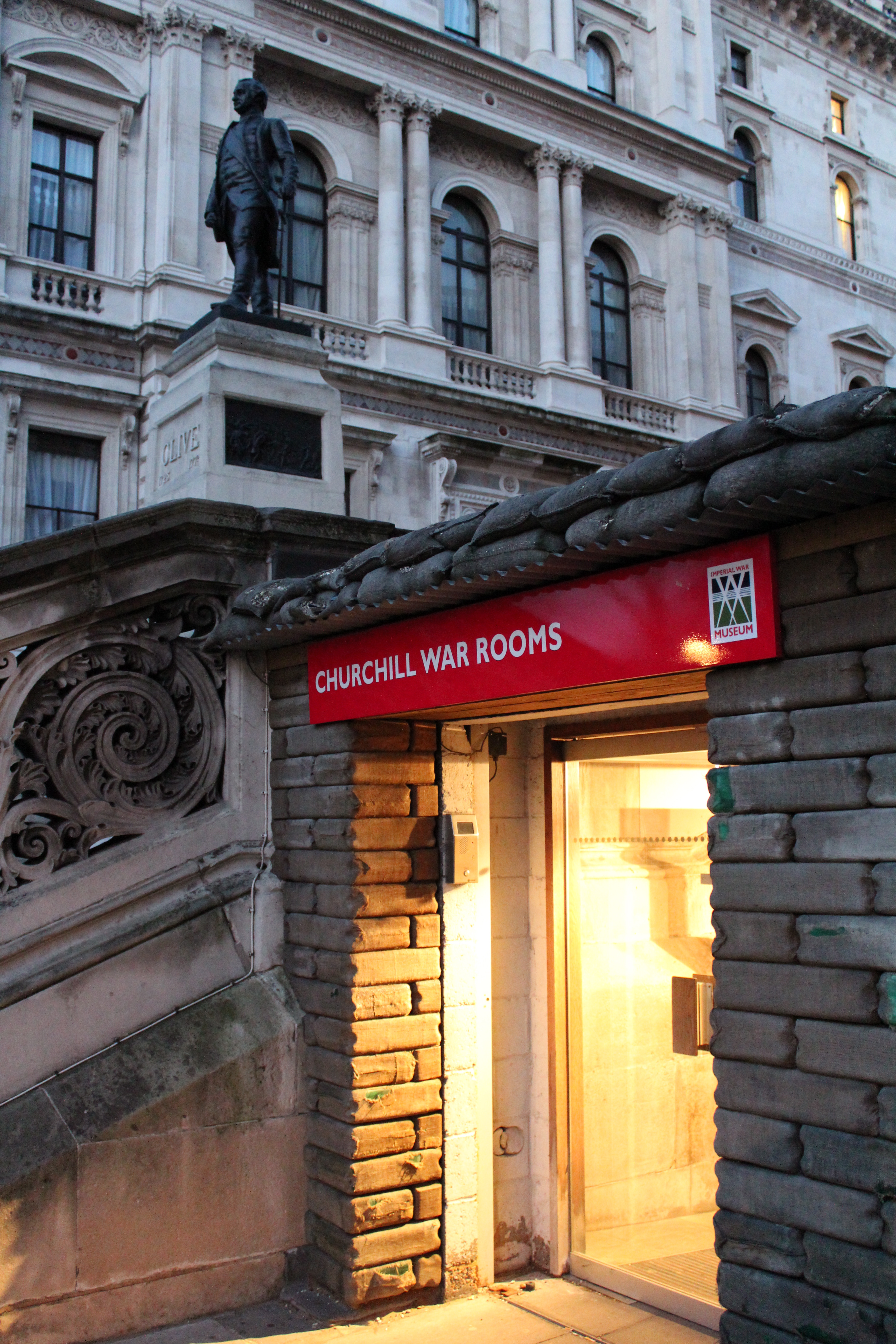
The Churchill War Rooms are opening up the bunker doors for an After Hours event on Friday February 10th. In addition to a curator-led tour of the fascinating underground war rooms, this evening event also features dance classes and live music of the time, a bar and a film screening. Visitors will also have the opportunity to have their photograph taken outside the original door from 10 Downing Street.

These secret headquarters of the War Cabinet was originally intended to be a temporary emergency government centre, but were soon commandeered by Churchill – and the hundreds of men and women who worked here during the Second World War. As staff dormitories and more luxurious bedrooms for Churchill and his wife were provided, many also slept in the War Rooms (although apparently Churchill generally slept off-site, and his wife’s room was mostly used by their daughter). You can view these sleeping arrangements – and more – at the After Hours event.

Due to the limited capacity of the secret wartime bunker, advance bookings are essential and cost £16.45. If you can’t attend this one, look out for future announcements as the War Rooms has held this event previously, and last year it was part of the Museums at Night annual event. I’ll keep an eye out too.

And if putting on your 40s finery and having a bop to the sounds of the day is just your thing, you may also be interested in The Blitz Party – semi-regular 1940s party events that are held under the railway arches in Shoreditch.

http://www.iwm.org.uk/events/after-hours-at-the-churchill-war-rooms
http://www.theblitzparty.com/

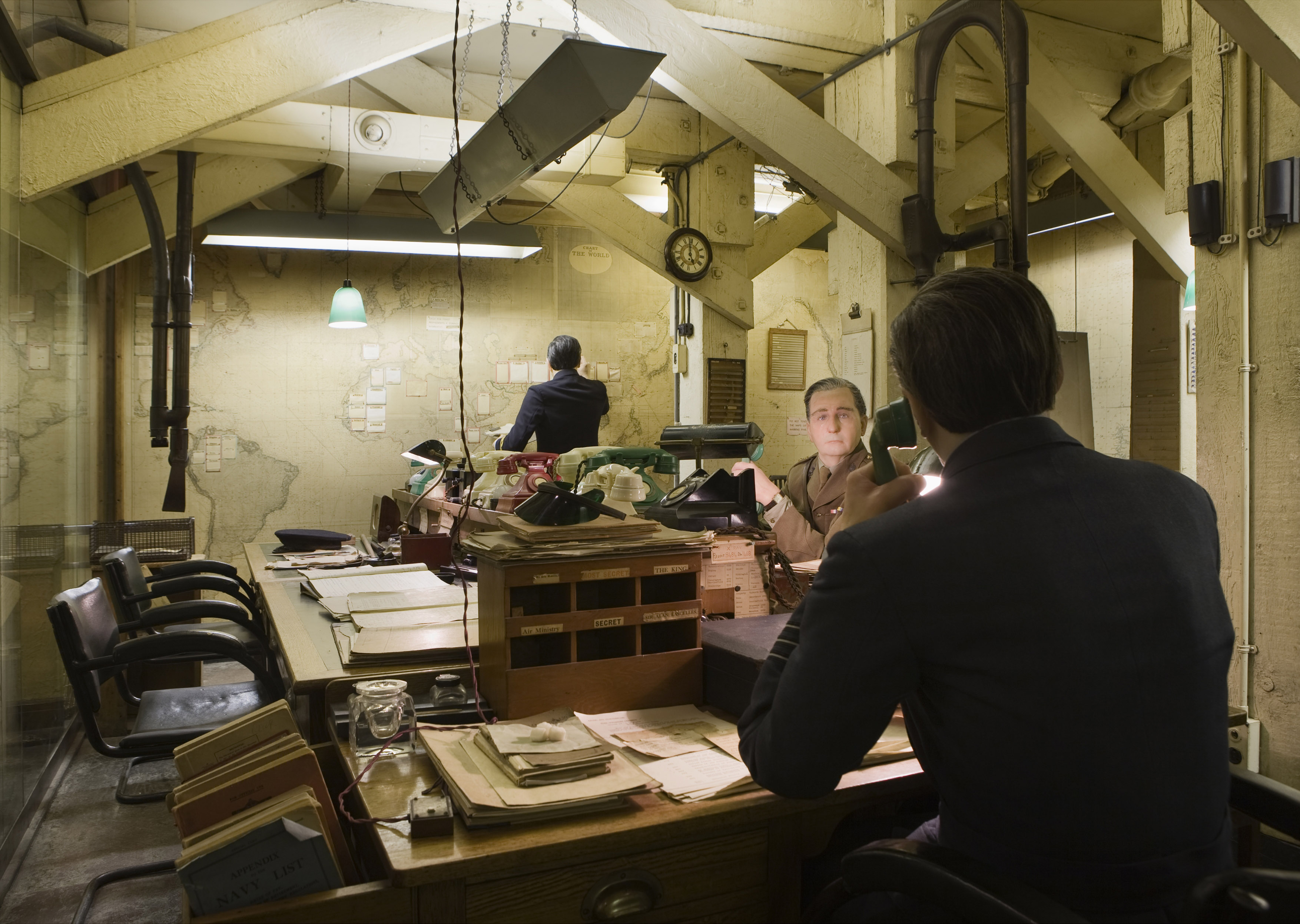
The Map Room, photograph copyright IWM.
‘Malicious Damage’ exhibition

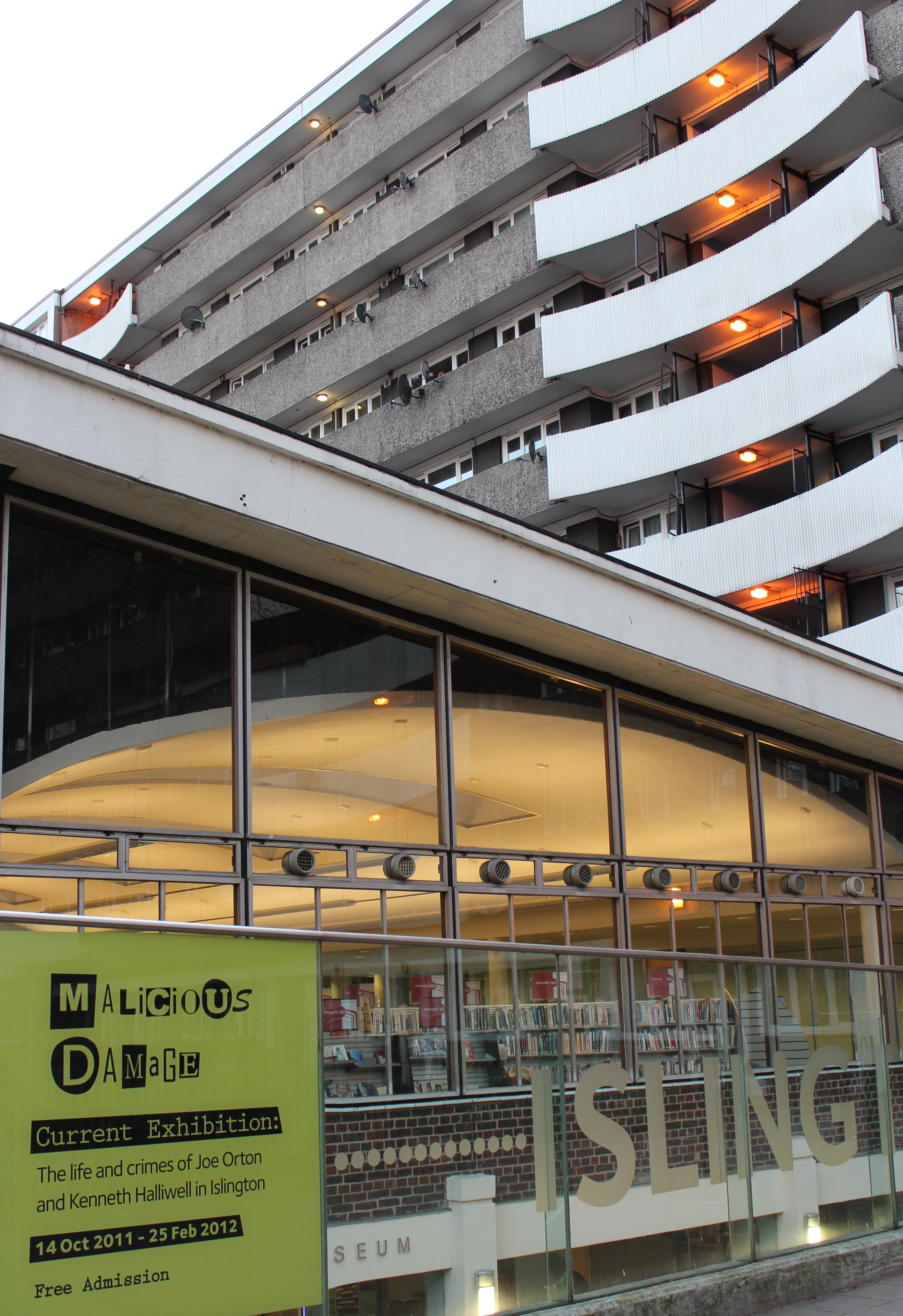
'Malicious Damage' sign - with public library in background.

It’s true to say that playwright Joe Orton and his partner Kenneth Halliwell were big users of their local public library service. However, the form of use this mostly took not only landed them in prison and kick-started Orton’s career, but led Halliwell down a lost path that culminated in him murdering Orton and taking his own life. So the events covered by Islington Museum’s Malicious Damage exhibition – subtitled ‘The life and crimes of Joe Orton and Kenneth Halliwell in Islington’ – are powerful ones.

Finding the selection of books at their local Islington Public Library Service wanting, Orton and Halliwell took to producing ‘guerrilla artwork’, re-working the cover art with images removed from other library books. Often these images were risque ones, but not always – animals and figures from history and art also adorn their ‘new editions’, many of which are on view in Malicious Damage. Alternative text was also inserted into blurbs and pages ripped from books and used to jot down notes and creative ideas. The two would then loiter around the libraries to watch the reactions of outraged patrons on discovering their handiwork.

When the police finally turned up at Orton and Halliwell’s bedsit in 1962 with an arrest warrant (Halliwell’s classic reaction being, ‘Oh dear’), they also discovered that their home was adorned with collage-style wallpaper created from images stolen from library art books (there is a great photo of this in the exhibition). Of course, there is no happy ending to this story. While Orton thrived creatively in prison, Halliwell struggled throughout the ordeal and long afterwards. Events culminated in the murder-suicide of 1967.

Although the exhibition is only in the one room, I strongly recommend visiting to see the cultural ephemera that is Orton and Halliwell’s fascinating guerrilla artwork. It seems nothing short of a miracle that these rogue books have been preserved! The explanatory panels in the exhibition are also informative, relating the story of the two men’s lives and careers. It’s free and runs until 26 February (not open Sundays). The Islington Museum (ironically) can be found in the basement of the Finsbury Library – part of the Islington Public Library Service.

http://www.islington.gov.uk/Leisure/heritage/heritage_museum/default.asp

Behind-the-scenes Tower Bridge tour

Ever wanted to see behind-the-scenes at Tower Bridge – you know, all those things mere mortals normally never get to see – and learn about how it all works? If so, the new year has rung in a real treat for you, as the good people at the bridge are opening it up for special engineering tours in January and March 2012.

Visitors will be able to see normally restricted areas, such as the bridge control room, the huge bascule chambers underneath the river bed, and the machinery room where the hydraulics that power the lifting of the bridge are found. And one lucky person will win a competition to raise the bridge at a future date (me, please).

I’m advised that the January tours have already sold out, so be quick for the March dates, which will run every Saturday and Sunday throughout the month. The tours, which will also include the normally accessible areas of the bridge, last 1.5 hours and cost £30. To arrange you must email enquiries@towerbridge.org.uk, stating your name/s, full contact and address details and preferred dates.

The Londonphile is already booked in for the 4th March, so you’ll be hearing all about it after then…

http://www.towerbridge.org.uk/TBE/EN/NewsAndEvents/Engineering+Tour.htm

Drake’s steps

One of the things that never ceases to amaze me about London is the amount of significant historical sights that go completely uncelebrated. Call it an abundance of historical detritus if you like. An excellent example of this is Drake’s steps. Everyone knows the concept of a (gentle)man laying down his coat for a lady to walk across a puddle unhampered. Well this very concept originated at Drake’s steps – now just an uncommemorated set of steps leading to the Thames at Deptford.

Drake’s galleon, The Golden Hinde (a reconstruction of which you can now visit near London Bridge), was moored at Deptford when he received his knighthood in 1581. When Queen Elizabeth I visited to bestow the honour onboard, Sir Walter Raleigh placed his coat down at the top of these stairs to keep her feet dry, pretty much marking himself out for all time as the archetypal gentleman.

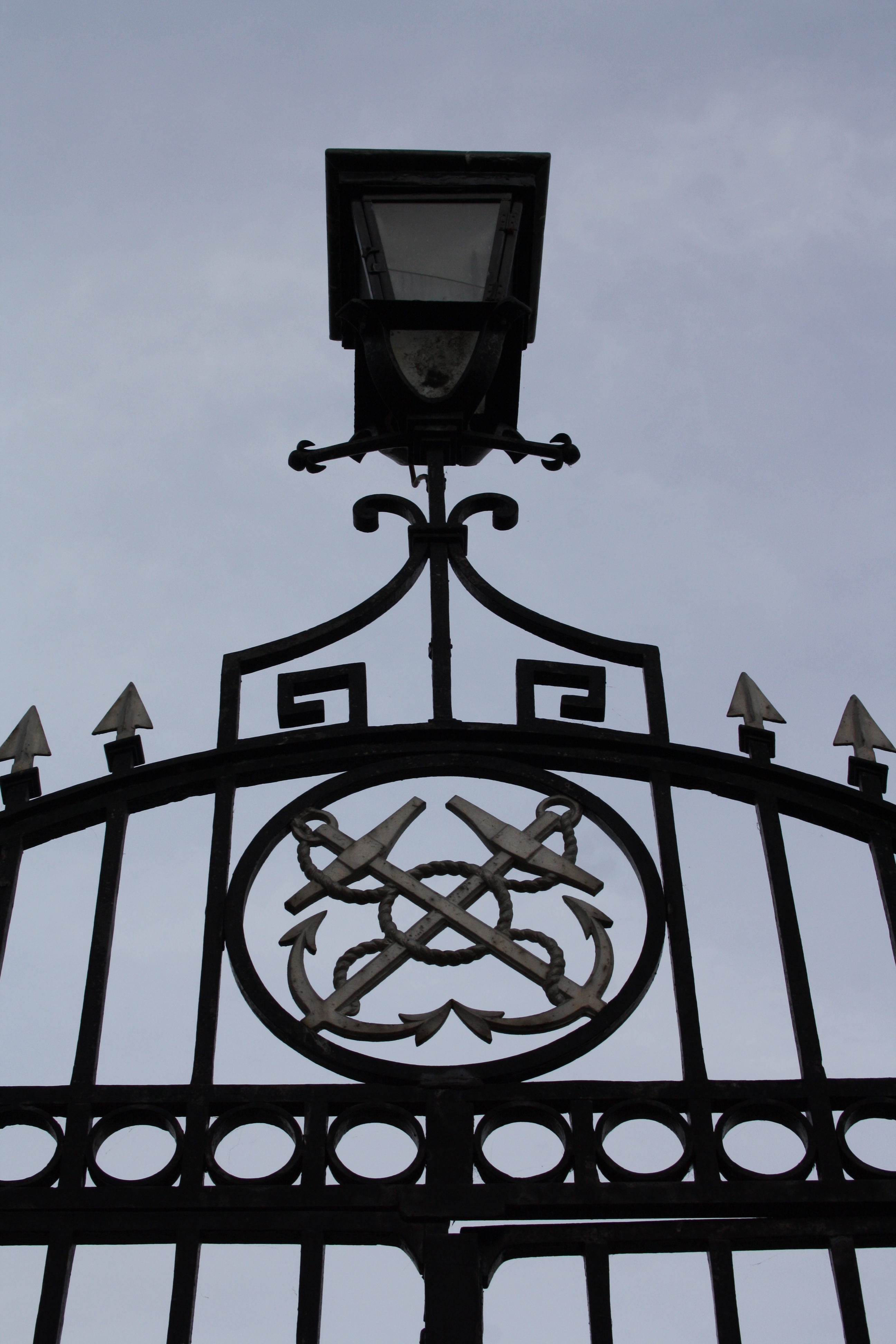
A small plaque commemorating the victualling yards in the area, well after Drake’s time, and another to Drake’s endeavours at sea is all that marks out this place. Sometimes the gates are left open – on my last visit they were held together with a flimsy piece of rope. You can find this uncelebrated corner of London’s history along the Thames in Deptford, just above Conroy’s Wharf. It’s nowhere near a tube – the closest would be Surrey Quays, a good twenty-minute walk – but you can take the 199 bus from Canada Water station to the third stop on Grove Street.

I know this great little blog about London…

One of the Londonphile’s favourite London blogs is I know this great little place in London… And this week the fab people there have come out with a brilliant post on some of London’s oldest places. Ever wondered what London’s oldest theatre, cinema or bookshop is, or perhaps you’ve always wanted to stay in London’s oldest hotel – if only you knew which one it was?! Well, all these questions and more are answered in the latest edition of this great little blog, which the Londonphile wants to share with you. Check it out at: http://www.greatlittleplace.com/newsletters/glp-38-londons-golden-oldies/

And just for the record, they advise that London’s oldest museum is the Royal Armouries Museum in the Tower of London.

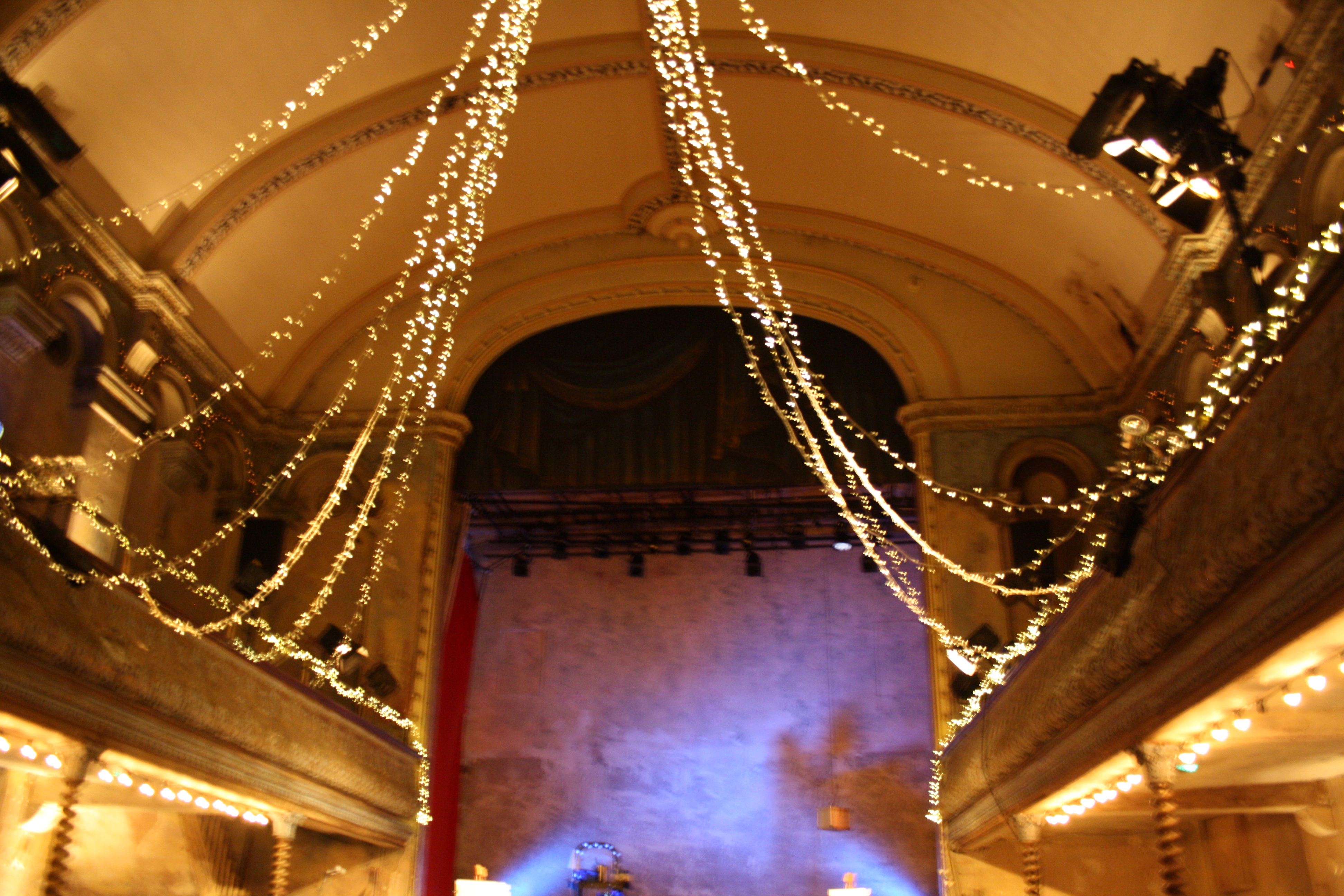
London's oldest music hall: Wilton's

The Geffrye Museum of the Home

The Geffrye Museum - with installation by Kei Ito in the foreground

The Geffrye Museum is not just a museum of the home, but a sort of ultra house museum: based in eighteenth century almshouses in Hoxton, it features a series of rooms displaying domestic interiors. The focus is on the urban English middle class living room from 1600 to the 1990s, whose development you can follow right up until modern warehouse conversions (complete with mezzanine level!). I’m personally a little torn between the 1935 art deco lounge room and the very retro g-plan-esque one from 1965, but on balance I think the latter has my final vote.

The museum itself is free (some temporary exhibitions have a charge), but on certain days you can pay £2.50 to visit the restored Almshouse 14 in the building’s south-west wing, to see how London’s elderly and poor once lived. And it’s not as grim as that makes it sound! I promise.

And don’t forget to visit the gardens around the back, which are also divided into periods depicting the development of the town house garden from the seventeenth to early twentieth centuries. Although these are only open to the public from April to October, they can be glimpsed from the lovely garden reading room (and yes also from the East London overground line, right next to Hoxton Station!).

Now is a good time to visit though as the Geffrye is holding its annual Christmas Past installation, in which all the rooms are decorated in period Christmas decorations. On the afternoon of January 6th 2012 (4-5pm) they will hold that year’s traditional Farewell to Christmas burning of the holly and the ivy event in the garden. For more details visit their website:

http://www.geffrye-museum.org.uk/

Dennis Severs’ House

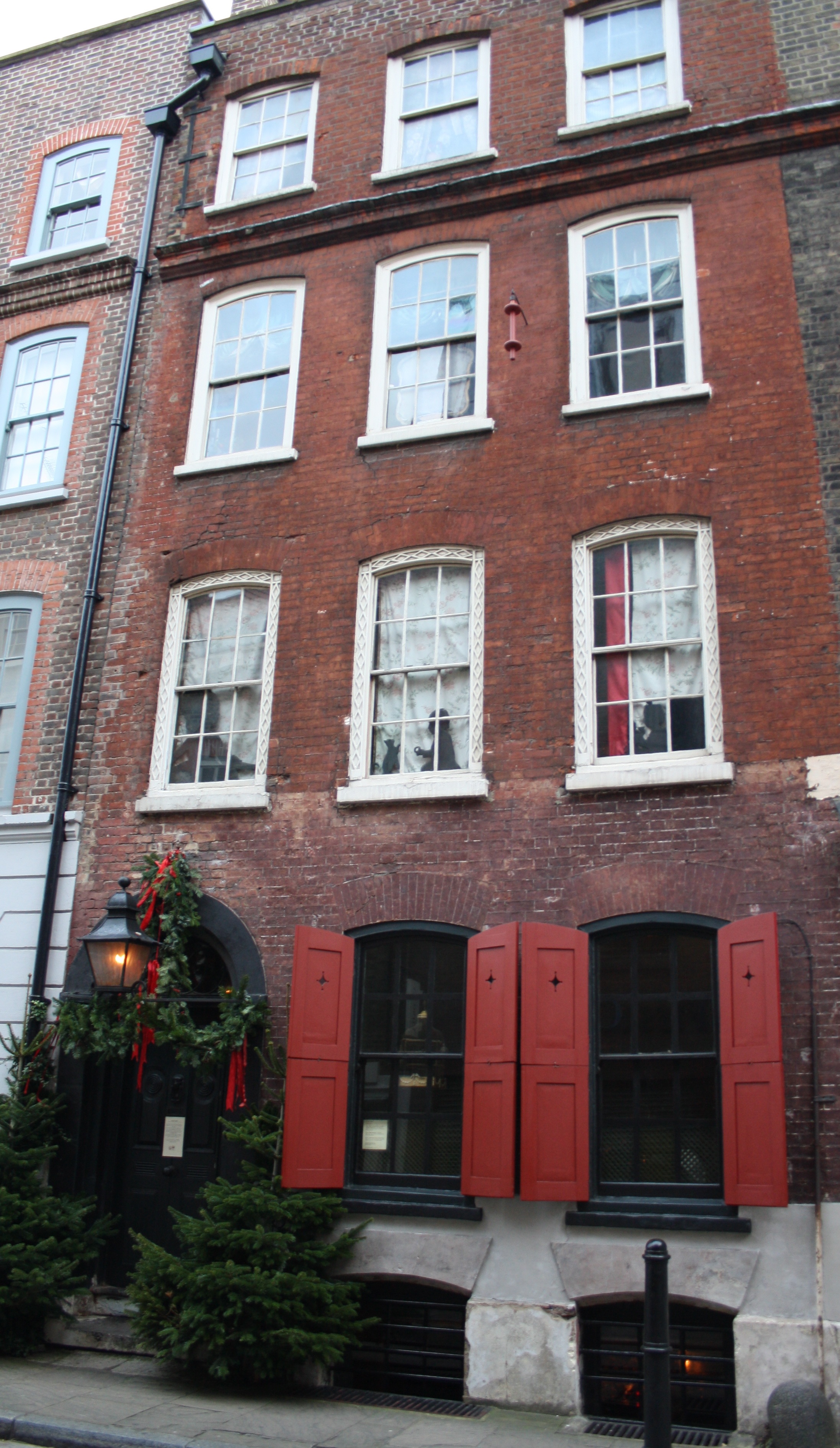
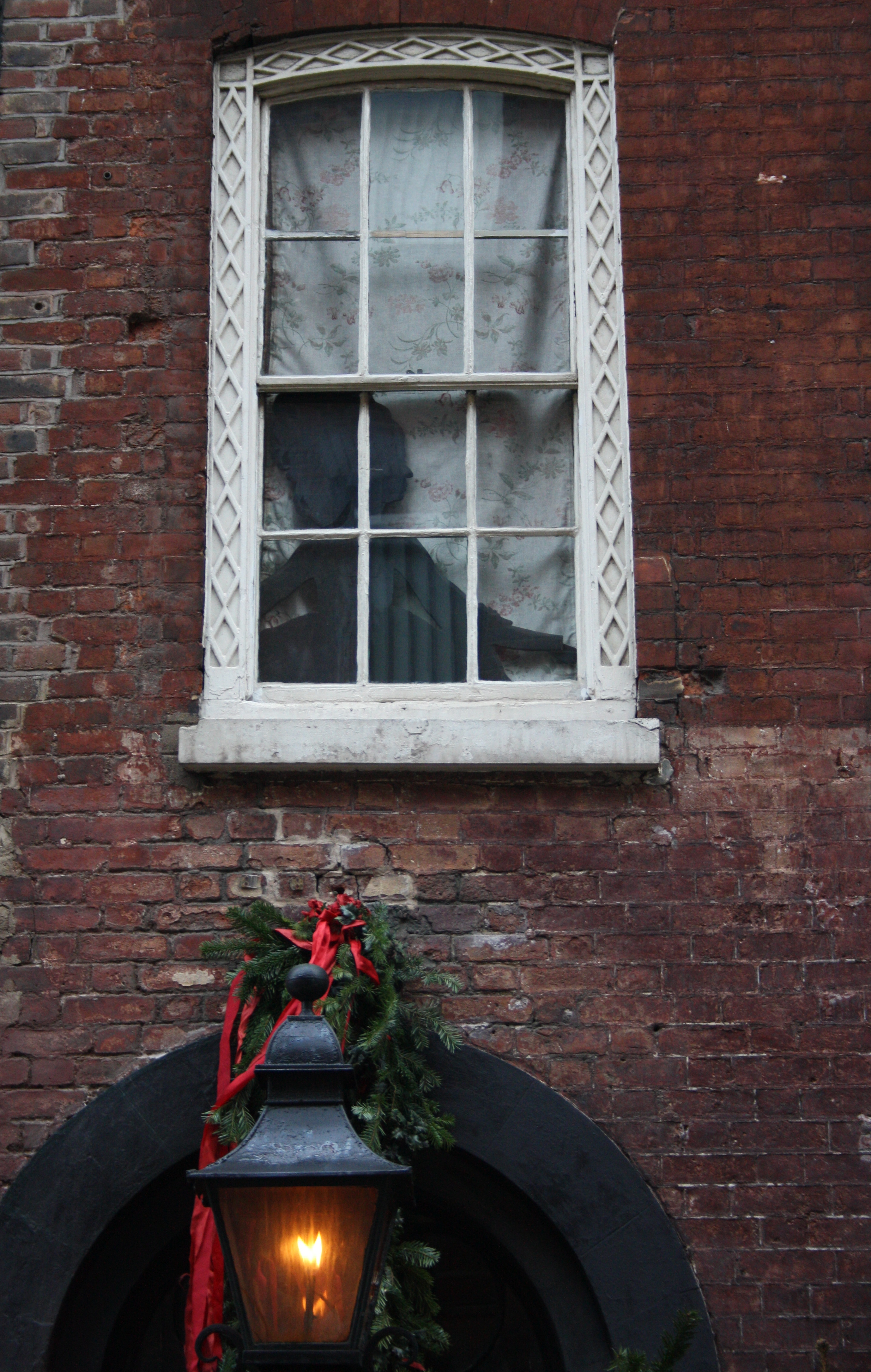
Dennis Severs’ magical house is one of the Londonphile’s top London picks and one of London’s most evocative little gems. American artist Dennis Severs created a mini time capsule in this listed Georgian terrace house, located near Spitalfields Market.

The ten rooms range in time periods from 1724 to 1914 and follow the varying fortunes of a family of Huguenot weavers who mysteriously appear to have always just left the room when you enter. The experience is a sensory overload, and your sense of smell will be particularly active throughout your visit as you experience the traditional smells associated with the various time periods. As Severs himself noted, “your senses are your guide” in this house.

In keeping with the eras portrayed, there is no electricity in the house and you are asked to remain silent throughout your visit, so as to help fully soak up the atmospherics (and to appreciate the creaking of authentic floorboards). Amazingly, Severs himself actually lived in the house from 1979-1999 – on his death it was opened to the public. This is truly something you have to experience for yourself, so I will keep the description to a minimum!

Check the house’s website below for details of the regular opening hours as well as the Silent Night evening visits. This year’s Christmas installation of period Christmas decorations is currently up (until 6th January 2012) and is well worth a visit even if you have already seen the house. Exclusive Silent Nights are also run in which participants can  have a drink by the fire and meet the curatorial team – this is on the Londonphile’s wish list!

http://www.dennissevershouse.co.uk/

Aldwych tube tour

Image

Every so often the London Transport Museum opens up the ‘non-operational’ Aldwych Underground Station for guided tours. And at the risk of sounding like a train-spotter of the first order, I was lucky enough to get tickets for the latest round of these, held over the last weekend in November and the first weekend in December.

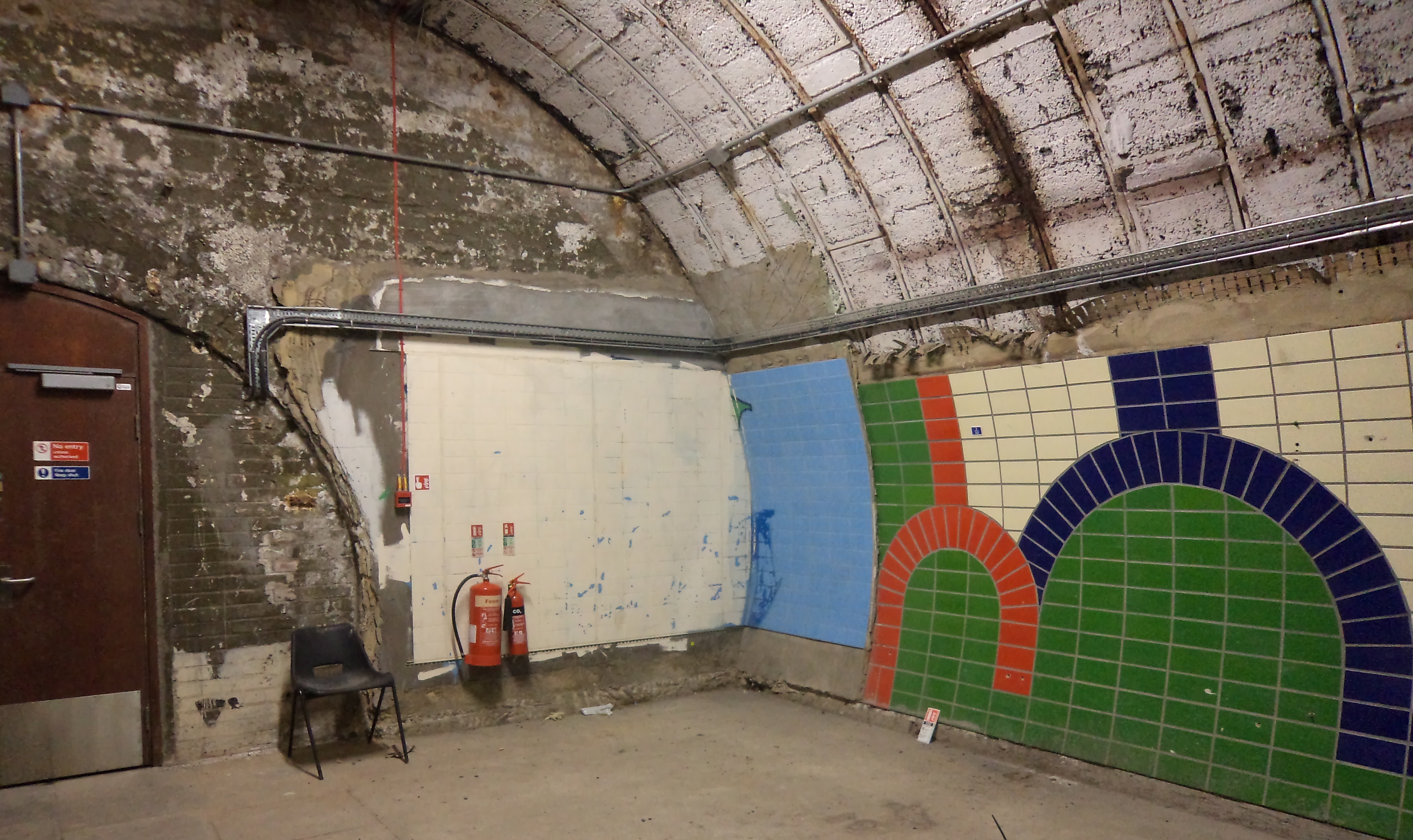
Aldwych station, first opened in 1907 and originally known as ‘Strand’, finally closed to the general public in 1994 – though it’s hard to believe it was so recent given the state of its interior and the 1970s posters still adorning the walls. Other than transporting people from A to B, it’s other major claim to fame was as a bomb shelter in World War One and World War Two. What it also sheltered from the bombs was paintings from the National Gallery (WWI) and objects from the British Museum and the V&A (WWII). The Elgin/Parthenon Marbles spent some years languishing behind the door in the picture below (and note the tiling ‘practice’ on the right hand side).

Image

The station also features in a number of films (V for Vendetta, Atonement and James Bond’s Die Another Day), and is currently used for training purposes by emergency services. The tour takes in both platforms, and ladies you should leave the heels at home for this one as sensible shoes are required in case of a serious evacuation – which would involve walking down the tunnel to Holborn station. It’s a fascinating way to spend an hour on a Sunday afternoon and is again the sort of event that I hope to advise people of beforehand in the future! You can keep an eye out for yourself on the Transport Museum’s page below, but be quick when tickets do go on sale next time as they sell out extremely quickly.

www.ltmuseum.org