Keats House by candlelight


Regardless of how you feel about Valentine’s Day, one related event that you may wish to attend is the candlelight opening of Keats House, Every Truly Yours, on the evening of Friday 10th February. This Hampstead residence was the poet John Keats’ home from 1818-1820, and is where he met Fanny Brawne, the love of his life and (quite literally) the girl next door. These days it is a lovely house museum run by the City of London, with a strong series of events related to literature and Regency era history and culture.

Although film buffs may note that this was not the house used in Jane Campion’s Bright Star film about the ill-fated lovers (the celluloid version is predictably much larger and more grandiose), it has the immeasurable benefit of being the real deal. Attendees of Every Truly Yours can expect not only a candlelit tour of the house, but champagne and chocolate, and a creative writing challenge based on Keats’ letters to Miss Brawne. The event runs from 7-9pm, costs £10 (£8 concessions), and requires prior booking on keatshouse@cityoflondon.gov.uk or 020 7332 3868.

http://www.keatshouse.cityoflondon.gov.uk/

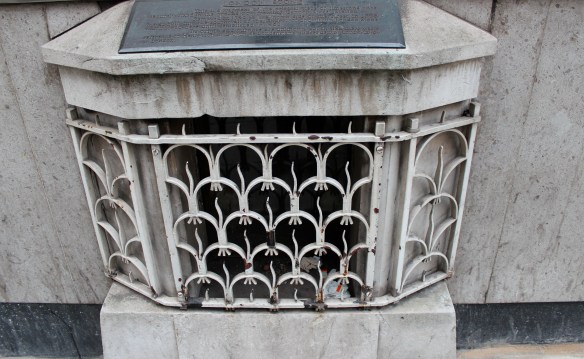
London Stone

London Stone - note the delightful rubbish accumulating in the grille

Having been meaning to photograph London Stone for the Londonphile for a little while, you can imagine my surprise when I visited recently only to discover a very official poster announcing plans to relocate it. (Obviously I missed Londonist’s article about this last year!). Due to the imminent redevelopment of the 111 Cannon Street site, it is now proposed that London Stone be relocated from where it has resided since 1557, to the front of the Walbrook Building, at 97-101 Cannon Street.

So just what is this London Stone? In short, it is a rather unprepossessing 53cm wide, 43 cm high, 30cm deep (i.e. not really all that big) slab of oolitic limestone. Despite its name, as this particular limestone does not naturally occur in London it clearly originally hailed from elsewhere. London Stone has had numerous myths attached to it over the centuries, and has variously been held to be the remains of Brutus’ temple, the stone which held King Arthur’s sword, a Druid’s altarpiece or a Roman milestone. It is as the remains of Brutus’ temple that the stone acquired its alleged link to the well-being of London: it is said that ‘so long as the stone of Brutus is safe, so long shall London flourish’. The Victorian Society described the stone in their submission to the planning committee as ‘one of the most symbolically important objects in London’.

The first records of the stone place it on the south side of Cannon Street (opposite number 111). It was larger then and eventually became something of an impediment to traffic (apparently traffic was already proving problematic back in 1742!), so was moved to the northern side by St Swithin’s church and later placed into the south wall of the church. Although St Swithin’s was destroyed during the Blitz, the stone survived intact – luckily for London – and has remained outside 111 Cannon Street since, currently in front of a rather grim 1960s office block. Unsurprisingly, all of the objections to the proposal (which can be viewed online – see the links below) centre around the significance of this site to London Stone, which renders any relocation inappropriate.

Having said that, English Heritage do concede in their submission that the stone’s current setting and presentation could do better. On my own visit I found the stone hard to view through both the grille and the glass, and mostly ignored by passers-by; filled with litter, it has the appearance of little more than a random piece of neglected street furniture. The light that normally illuminates the stone somewhat appeared to be out. The low setting of the stone however – while not an aid to viewing – is actually in keeping with its originally low position in the street, and most submissions felt this should also be retained.

Currently the application to relocate the stone is still ‘pending consideration’. Hopefully this story will have a happy ending, with the stone able to remain in situ as part of the new building at 111 Cannon Street, and ideally in a way that also makes it easier to view, more celebrated and more cared for than it currently appears. Clearly, any developers would do well to keep in mind the stone’s link to the city’s safety when considering any plans…

You can view the planning submissions online at:

http://www.planning.cityoflondon.gov.uk:90/WAM/findCaseFile.do?councilName=Corporation+of+London&appNumber=11/00664/LBC

Chihuly at Halcyon Gallery

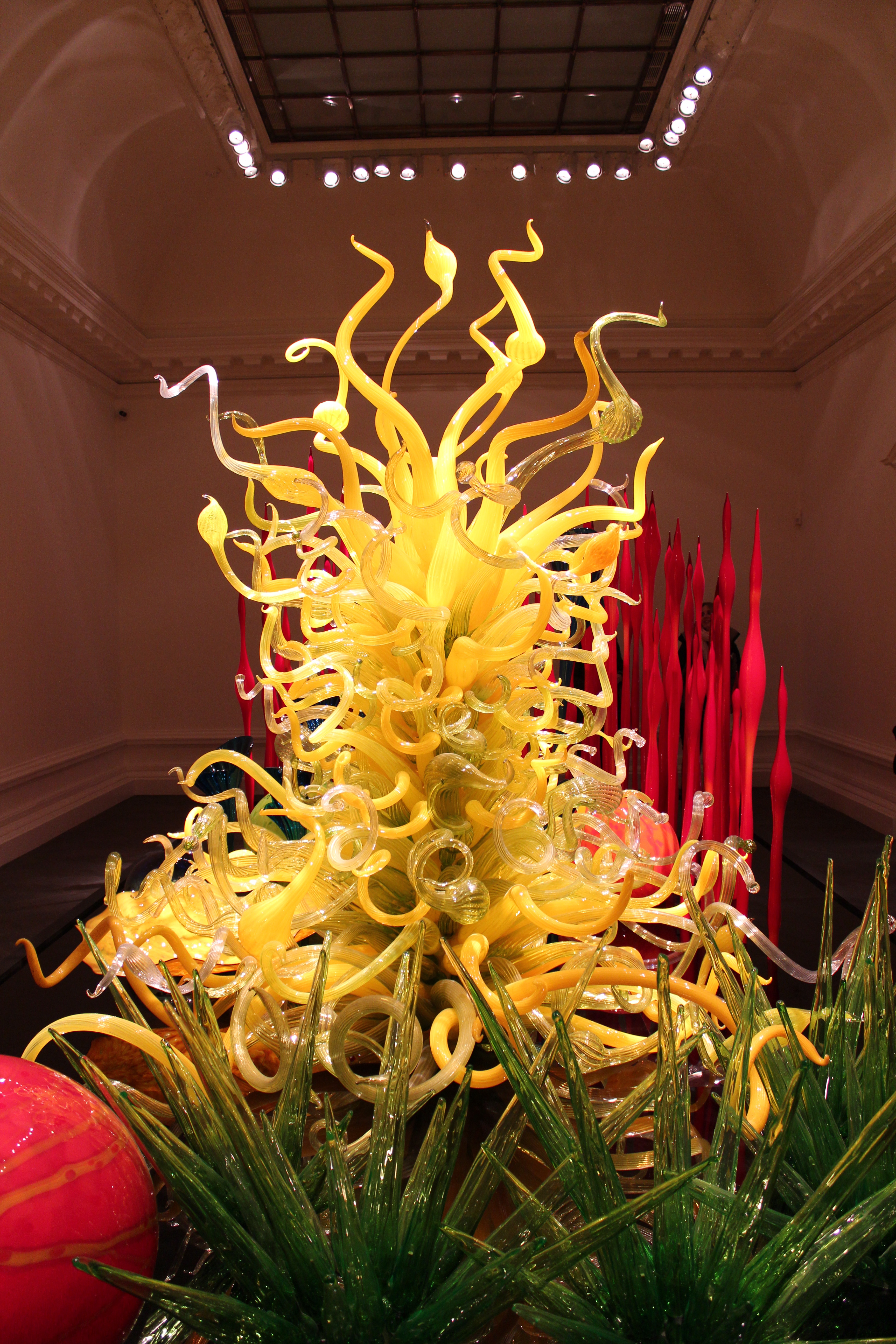
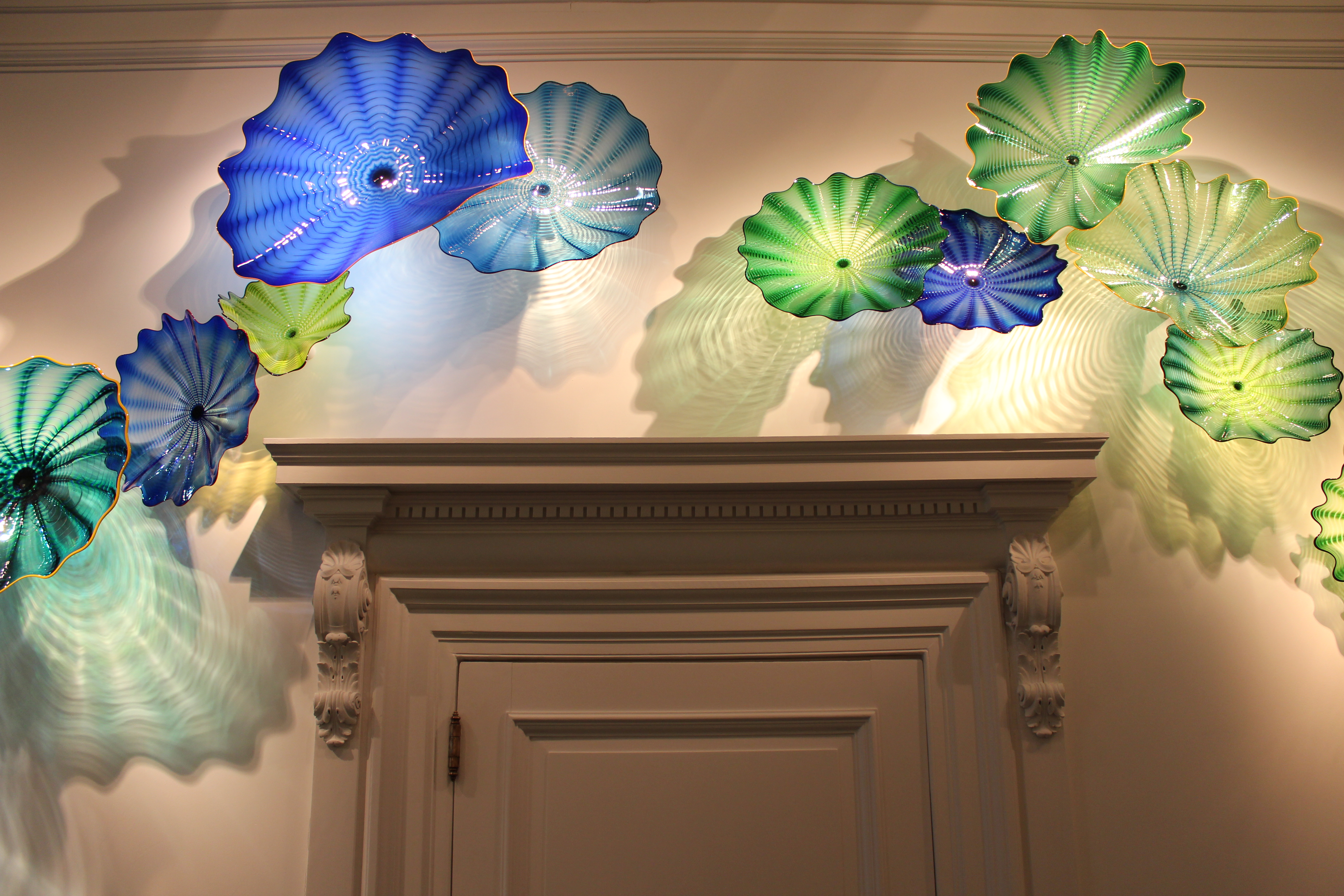
Looking for some colour to brighten up these grey winter days?  Then head to the Halcyon Gallery’s brand new flagship site at 144-146 New Bond Street for the Chihuly exhibition. Dale Chihuly – a master American glass sculptor – is possibly best known in London today as the creator of the spectacular chandelier in the foyer of the Victoria and Albert Museum. His 2005 exhibition Gardens of Glass: Chihuly at Kew was one of the Londonphile’s all-time favourite London events.

'Mille Fiori'

Chihuly’s pioneering work with colour and technique really does need to be seen first-hand to be fully appreciated – even the best photos cannot do it justice. The highlight of the Halcyon show is the 24-feet long Mille Fiori garden installation upstairs, which was built specifically for the space. You can also see several of the aforementioned chandeliers and some of Chihuly’s trademark Macchia (plant-like giant bowls) and Seaforms (shell-like creations) on show. As always with Chihuly’s work, the clever use of light and display really sets off the pieces.

This exhibition – which coincides with the fiftieth anniversary of the International Studio Glass movement – is a selling one in a pretty ritzy commercial gallery, but don’t let that put you off as everyone is made welcome here. It has now been extended again until 21 April 2012 so you have even more time in which to get yourself there; entry is free.

http://www.halcyongallery.com/exhibitions/chihuly

After Hours at the War Rooms

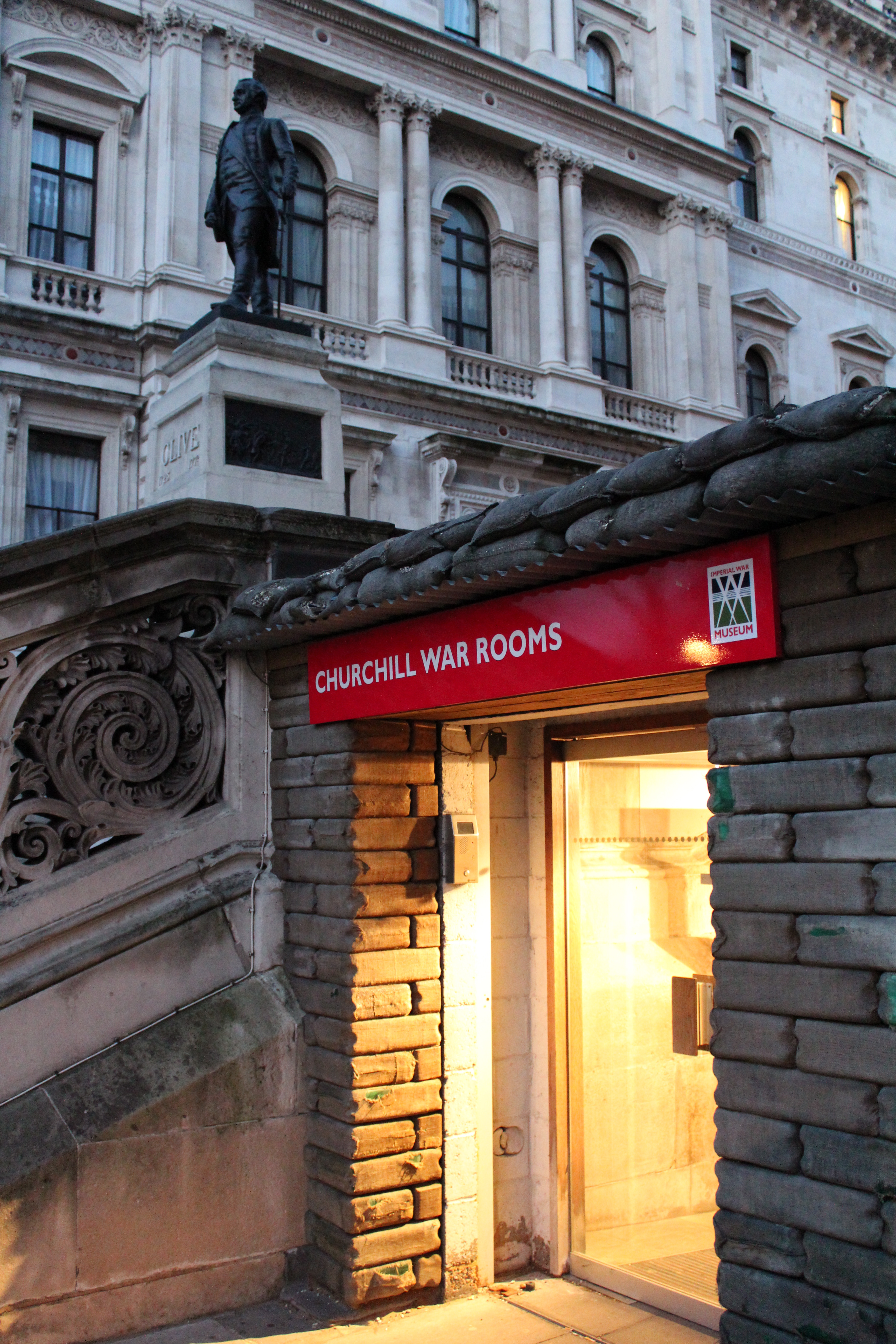
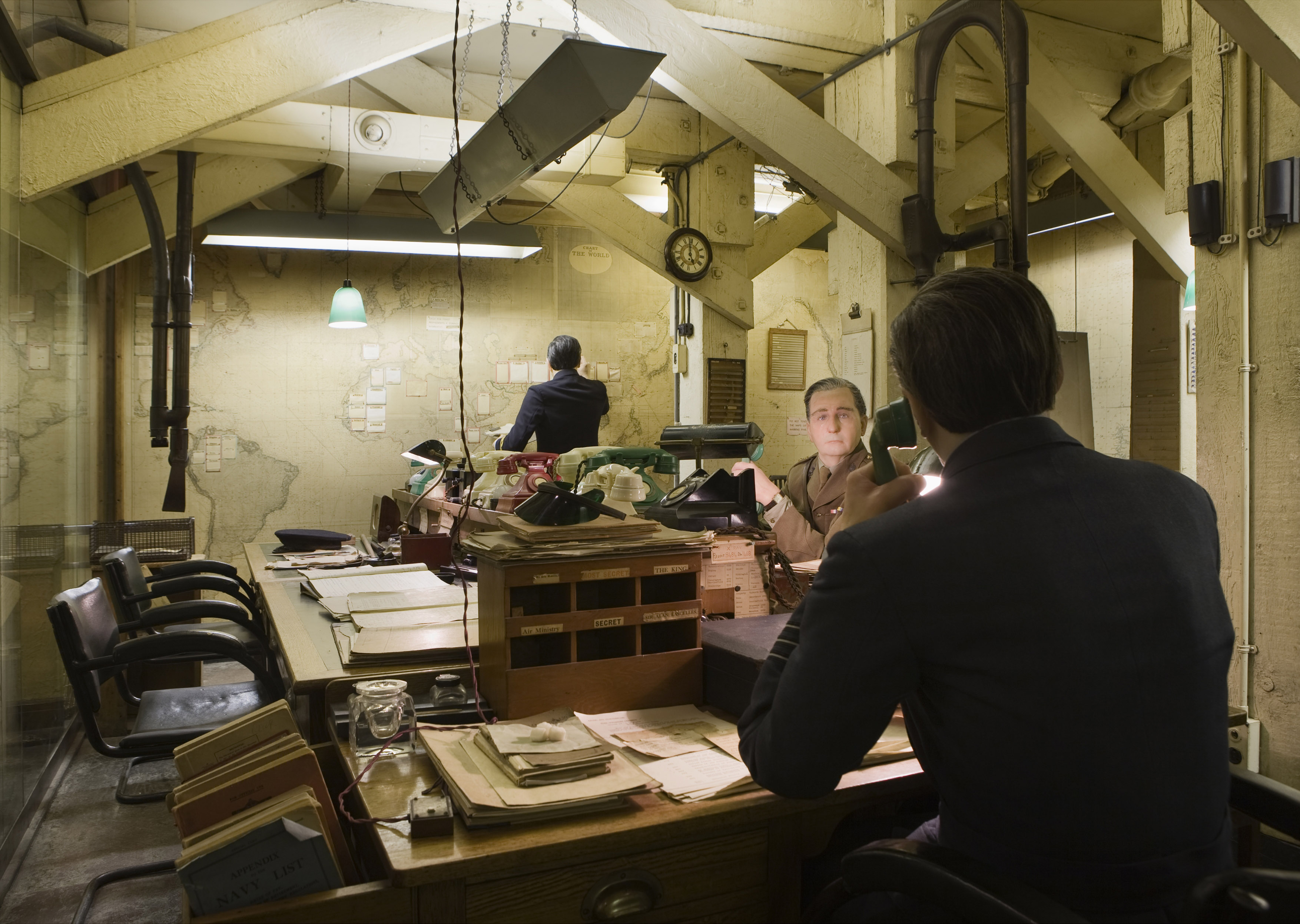
The Churchill War Rooms are opening up the bunker doors for an After Hours event on Friday February 10th. In addition to a curator-led tour of the fascinating underground war rooms, this evening event also features dance classes and live music of the time, a bar and a film screening. Visitors will also have the opportunity to have their photograph taken outside the original door from 10 Downing Street.

These secret headquarters of the War Cabinet was originally intended to be a temporary emergency government centre, but were soon commandeered by Churchill – and the hundreds of men and women who worked here during the Second World War. As staff dormitories and more luxurious bedrooms for Churchill and his wife were provided, many also slept in the War Rooms (although apparently Churchill generally slept off-site, and his wife’s room was mostly used by their daughter). You can view these sleeping arrangements – and more – at the After Hours event.

Due to the limited capacity of the secret wartime bunker, advance bookings are essential and cost £16.45. If you can’t attend this one, look out for future announcements as the War Rooms has held this event previously, and last year it was part of the Museums at Night annual event. I’ll keep an eye out too.

And if putting on your 40s finery and having a bop to the sounds of the day is just your thing, you may also be interested in The Blitz Party – semi-regular 1940s party events that are held under the railway arches in Shoreditch.

http://www.iwm.org.uk/events/after-hours-at-the-churchill-war-rooms

http://www.theblitzparty.com/

The Map Room, photograph copyright IWM.

‘Malicious Damage’ exhibition

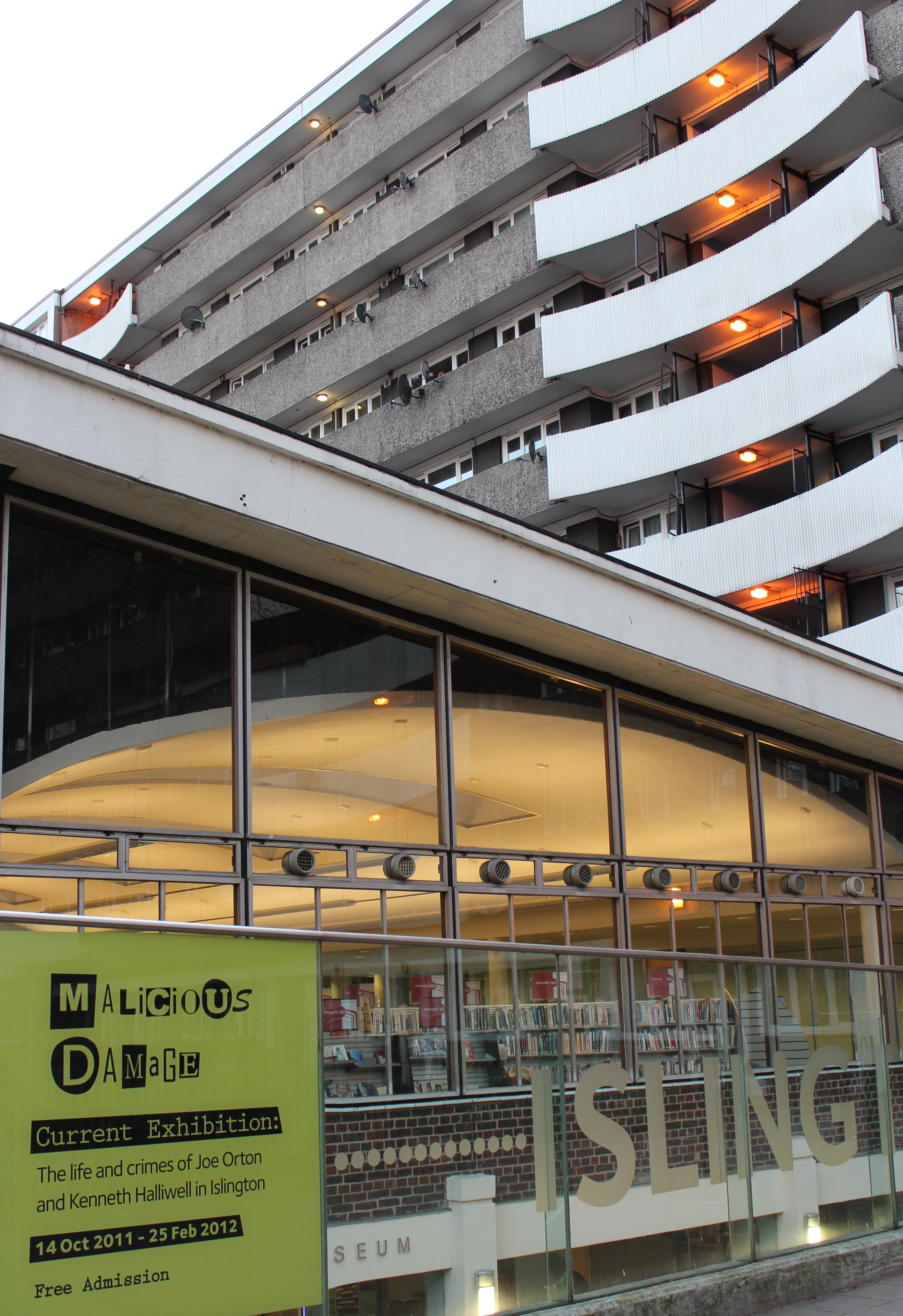
'Malicious Damage' sign - with public library in background.

It’s true to say that playwright Joe Orton and his partner Kenneth Halliwell were big users of their local public library service. However, the form of use this mostly took not only landed them in prison and kick-started Orton’s career, but led Halliwell down a lost path that culminated in him murdering Orton and taking his own life. So the events covered by Islington Museum’s Malicious Damage exhibition – subtitled ‘The life and crimes of Joe Orton and Kenneth Halliwell in Islington’ – are powerful ones.

Finding the selection of books at their local Islington Public Library Service wanting, Orton and Halliwell took to producing ‘guerrilla artwork’, re-working the cover art with images removed from other library books. Often these images were risque ones, but not always – animals and figures from history and art also adorn their ‘new editions’, many of which are on view in Malicious Damage. Alternative text was also inserted into blurbs and pages ripped from books and used to jot down notes and creative ideas. The two would then loiter around the libraries to watch the reactions of outraged patrons on discovering their handiwork.

When the police finally turned up at Orton and Halliwell’s bedsit in 1962 with an arrest warrant (Halliwell’s classic reaction being, ‘Oh dear’), they also discovered that their home was adorned with collage-style wallpaper created from images stolen from library art books (there is a great photo of this in the exhibition). Of course, there is no happy ending to this story. While Orton thrived creatively in prison, Halliwell struggled throughout the ordeal and long afterwards. Events culminated in the murder-suicide of 1967.

Although the exhibition is only in the one room, I strongly recommend visiting to see the cultural ephemera that is Orton and Halliwell’s fascinating guerrilla artwork. It seems nothing short of a miracle that these rogue books have been preserved! The explanatory panels in the exhibition are also informative, relating the story of the two men’s lives and careers. It’s free and runs until 26 February (not open Sundays). The Islington Museum (ironically) can be found in the basement of the Finsbury Library – part of the Islington Public Library Service.

http://www.islington.gov.uk/Leisure/heritage/heritage_museum/default.asp

Mama Quilla at the Roundhouse

Ready for your one-minute of fame (sorry but due to the economic crisis this has now been cut-back from the standard 15)? Well then roll-up to the Roundhouse on Sunday 15th January for Mama Quilla’s Theatre of Protest: From the Streets of Revolution event, which features a choir workshop, open to all, leading to a one-minute performance later in the night.

This evening of linked events is based around responses to last year’s riots in both London and Libya. In addition to short plays about London, a live cross will update attendees on goings-on at the Occupy London site at St Paul’s. The entire event will be filmed by Lise Marker to create a new short film exploring protest.

Mama Quilla is a renowned political theatre group, described by The Guardian as showing ‘that theatre still has the capacity to address public issues’. For more information on how you can come along and help them do just that, visit: http://www.roundhouse.org.uk/whats-on/productions/theatre-of-protest-from-the-streets-of-revolution
Tickets are £10, or £5 for concessions, and the first act kicks off at 4pm.

http://www.mamaquilla.org/

Behind-the-scenes Tower Bridge tour

Ever wanted to see behind-the-scenes at Tower Bridge – you know, all those things mere mortals normally never get to see – and learn about how it all works? If so, the new year has rung in a real treat for you, as the good people at the bridge are opening it up for special engineering tours in January and March 2012.

Visitors will be able to see normally restricted areas, such as the bridge control room, the huge bascule chambers underneath the river bed, and the machinery room where the hydraulics that power the lifting of the bridge are found. And one lucky person will win a competition to raise the bridge at a future date (me, please).

I’m advised that the January tours have already sold out, so be quick for the March dates, which will run every Saturday and Sunday throughout the month. The tours, which will also include the normally accessible areas of the bridge, last 1.5 hours and cost £30. To arrange you must email enquiries@towerbridge.org.uk, stating your name/s, full contact and address details and preferred dates.

The Londonphile is already booked in for the 4th March, so you’ll be hearing all about it after then…

http://www.towerbridge.org.uk/TBE/EN/NewsAndEvents/Engineering+Tour.htm

Modernist Hampstead

Hampstead has long attracted artists, writers and – yes – architects to its leafy environs. Although perhaps better known for the Hampstead Garden Suburb, and its good stock of Victorian architecture, Hampstead is also home to a number of London’s finest modernist houses. Possibly drawn by the splendid isolation of the hilly zone to the north of London (Hampstead was not integrated into the Borough of Camden until 1965), and undoubtedly by the prospect of Hampstead Heath, in the 1930s Hampstead also had the draw-card of offerring relatively cheap accommodation – as impossible as that is to believe today…

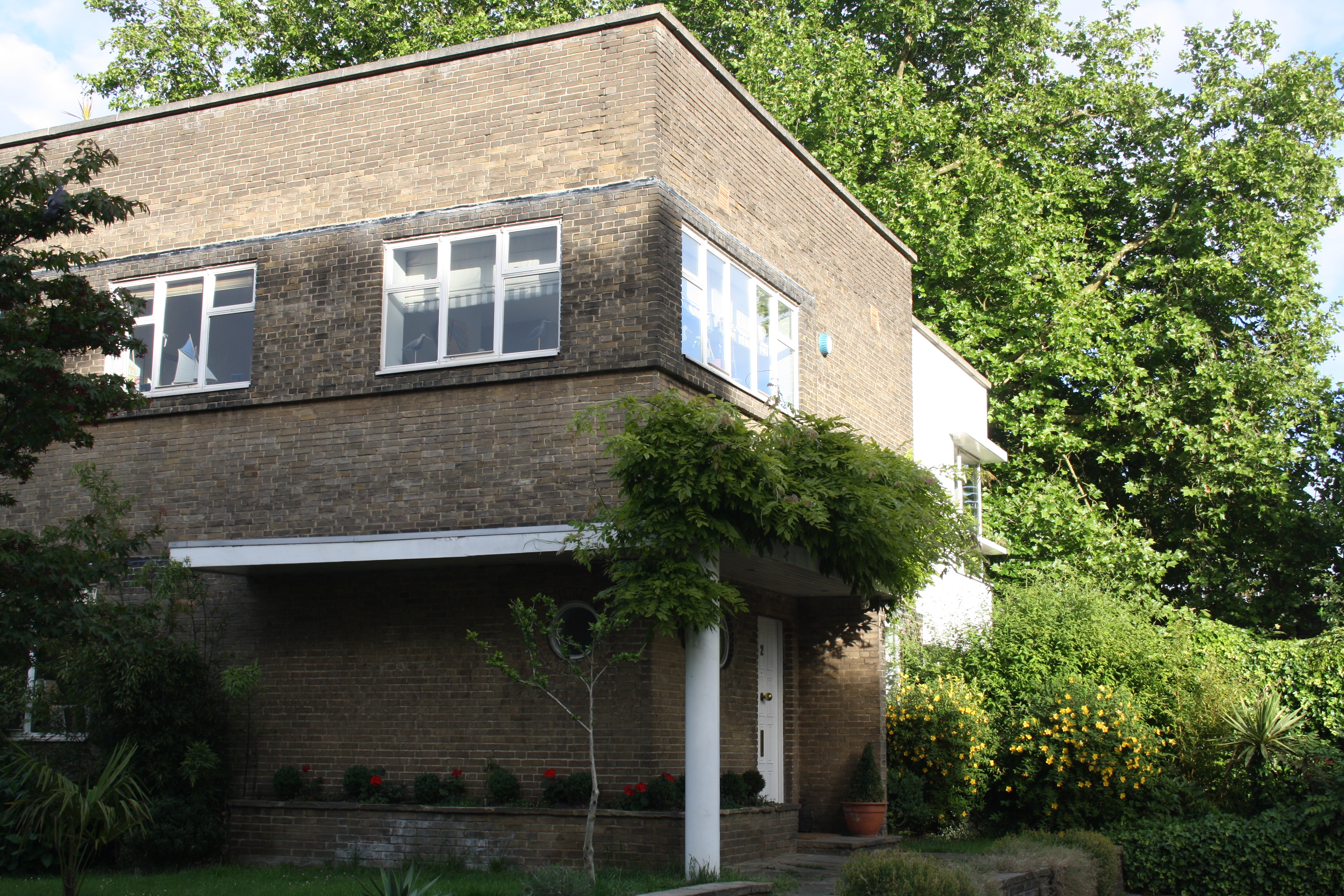
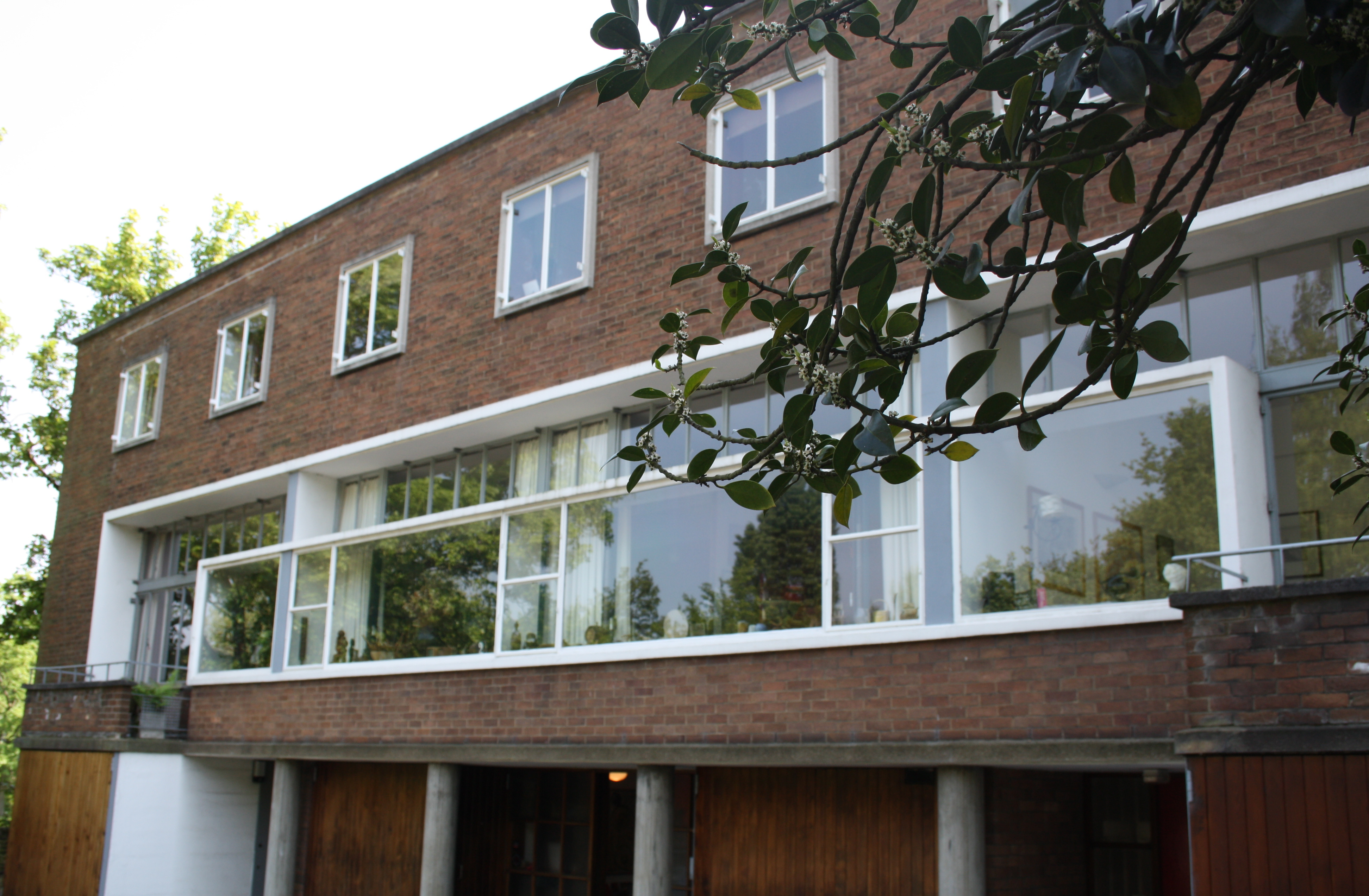
The following photographs were taken on a walking tour of Modernist Hampstead organised last year by the National Trust’s 2 Willow Road (see my earlier post about this property). This is by no means an exhaustive list of Hampstead’s modernist houses, but gives some idea of what is out there and what you could expect if you go on a similar tour (a number of these were run last summer and I expect will run again this year – I’ll keep an eye out for you!). A self-guided walking tour brochure containing most of these houses is also available at the property for a paltry sum. You may also like to visit David Anderson’s excellent site listing modern style housing in London, which has a more extensive listing for Hampstead: http://homepage.mac.com/doive/houses/london.html

Sun House, Frognal Way (1935). Designed by Maxwell Fry.

66 Frognal (1936-37). Designed by Connell, Ward & Lucas.

1-6 Frognal Close (part) (1937). Designed by Ernst Freud.

13b Arkwright Road/The New House (1939). Designed by Samuel & Harding.

49a Downshire Hill (1975). Designed by Michael & Patricia Hopkins as their own residence.

13 Downshire Hill (1936) - on the far left of the photo. Designed by Michael & Charlotte Bunney as their own residence.

1-3 Willow Road (1938). Designed by Erno Goldfinger, with number 2 as his own residence.

Left: 78 South Hill Park (1965), designed by Brian Housden. Right: 80-90 South Hill Park (1956), designed by Stanley Amis, Gillian & William Howell.

Lawn Road Flats/Isokon Flats (1929-32). Designed by Wells Coates.

Drake’s steps

One of the things that never ceases to amaze me about London is the amount of significant historical sights that go completely uncelebrated. Call it an abundance of historical detritus if you like. An excellent example of this is Drake’s steps. Everyone knows the concept of a (gentle)man laying down his coat for a lady to walk across a puddle unhampered. Well this very concept originated at Drake’s steps – now just an uncommemorated set of steps leading to the Thames at Deptford.

Drake’s galleon, The Golden Hinde (a reconstruction of which you can now visit near London Bridge), was moored at Deptford when he received his knighthood in 1581. When Queen Elizabeth I visited to bestow the honour onboard, Sir Walter Raleigh placed his coat down at the top of these stairs to keep her feet dry, pretty much marking himself out for all time as the archetypal gentleman.

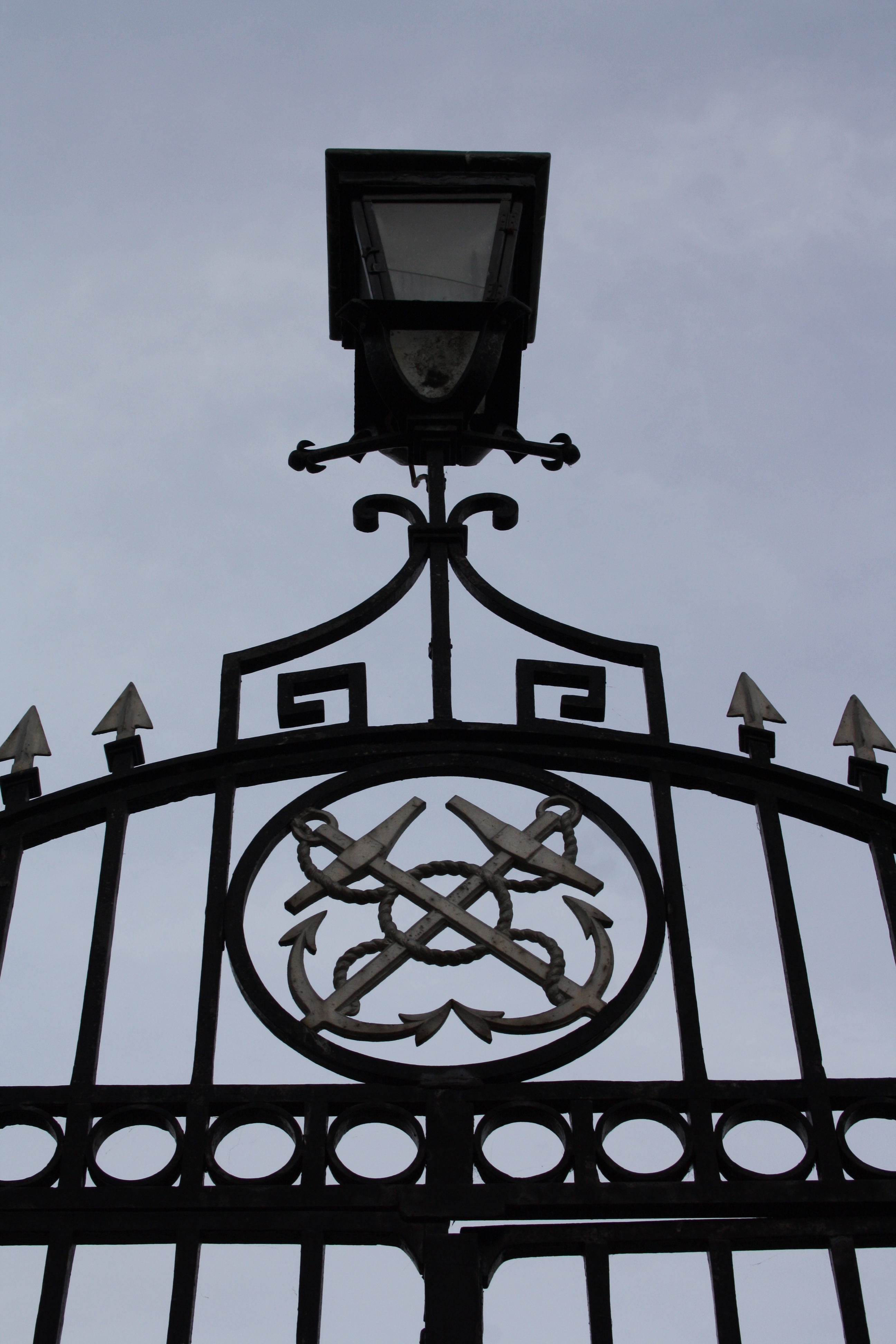
A small plaque commemorating the victualling yards in the area, well after Drake’s time, and another to Drake’s endeavours at sea is all that marks out this place. Sometimes the gates are left open – on my last visit they were held together with a flimsy piece of rope. You can find this uncelebrated corner of London’s history along the Thames in Deptford, just above Conroy’s Wharf. It’s nowhere near a tube – the closest would be Surrey Quays, a good twenty-minute walk – but you can take the 199 bus from Canada Water station to the third stop on Grove Street.