Standby cabinet war rooms

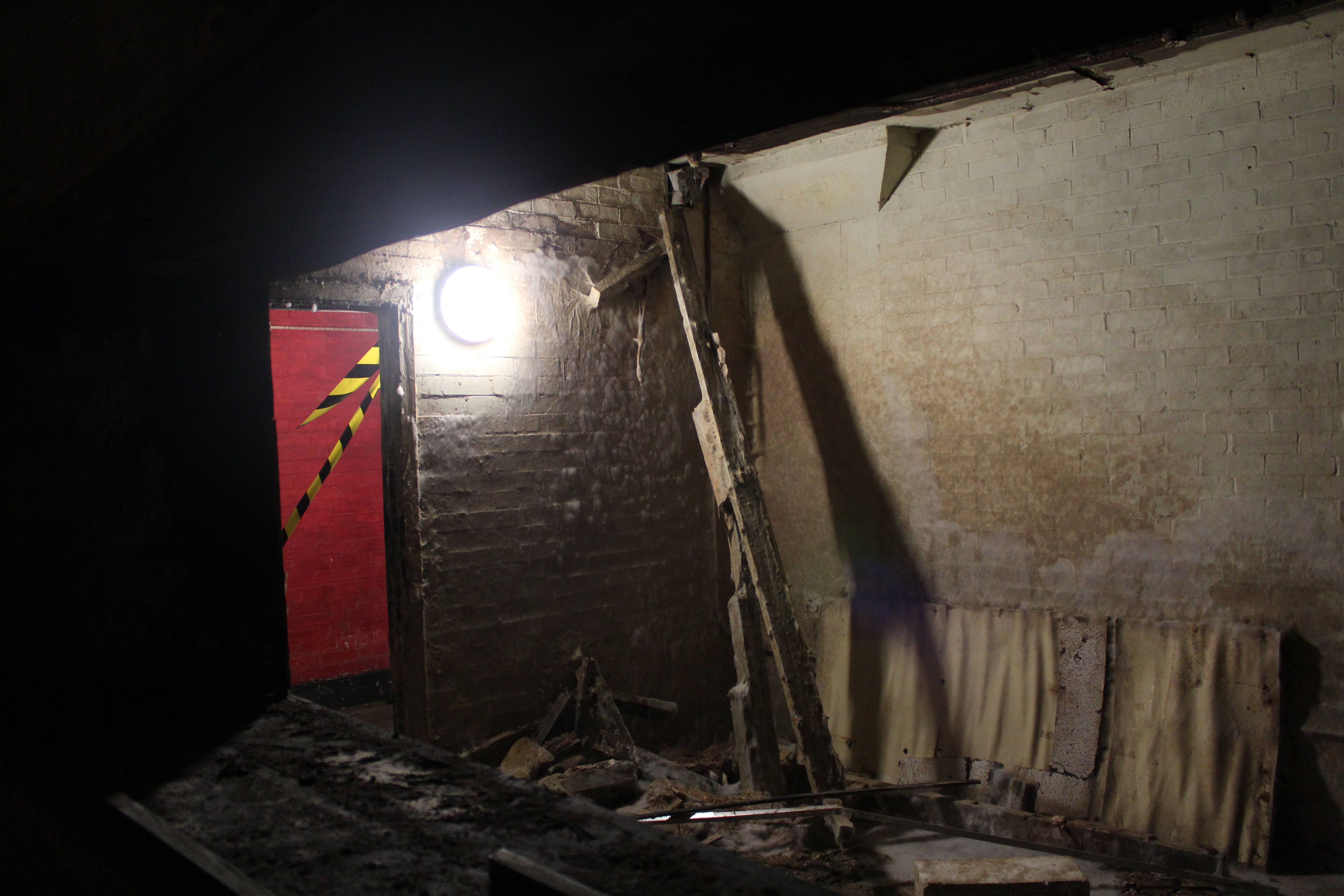
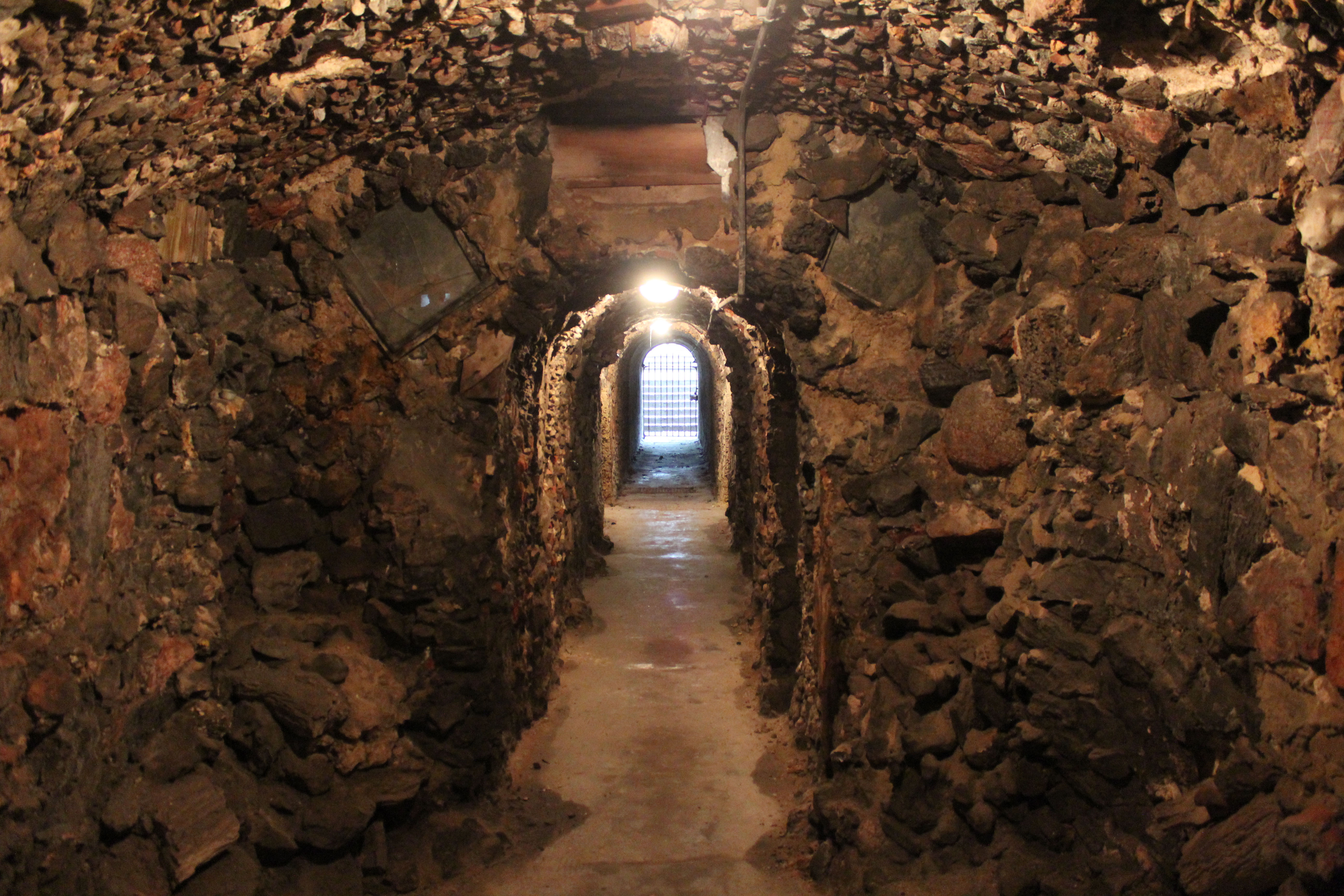
Hidden away underneath a particularly nondescript brick building in the suburbs of North London – Dollis Hill to be exact – lie the standby cabinet war rooms. These bombproof rooms would have been put into use for Churchill’s cabinet should the secret war rooms in Westminster have been damaged or destroyed. Thanks to Subterranea Britannica, the rooms are opened up a couple of times a year, providing you with an opportunity to explore their beautiful dereliction.

Plans for the standby cabinet rooms began in 1938, with war imminent, and construction commenced in 1939 below the site of the Post Office Research Station. After 13 months and at a cost of £250,000 the rooms – code-named ‘PADDOCK’ – were complete. As it turned out, they were only used for cabinet meetings on two occasions, with the more vulnerable Westminster rooms remaining unharmed. After the war the entire site reverted to use by the Post Office. They moved out in 1976 and the war rooms have been unoccupied since. Houses were developed across the site in the late 1990s, but on the agreement that the alternative war rooms remain and are opened up to the public at least twice a year.

As these photographs amply attest, the rooms’ original features are still in situ and in a high level of dereliction, with stalactites forming on the ceilings, fittings rusting away and mould blooming on walls. Our tour included the air filtration room, the lower plant room with its massive generator, the telephone exchange room and what was once the map room, which would once have had maps adorning the wall and a map table in the middle of the room. Today the maps have disappeared but you can see the tide mark from the water that had flooded the map room after it was abandoned. What we didn’t visit was the toilets, as these were amazingly left out of the design process – apparently a fire bucket or a dash to the post office buildings above had to suffice.

Last weekend’s opening was part of the London Festival of Archaeology, but the site will also be open for tours again in September as part of Open House London, and I highly recommend adding it to your list for that busy weekend.
Subterranea Britannica also has detailed information about the rooms on its website.

Hogarth’s House

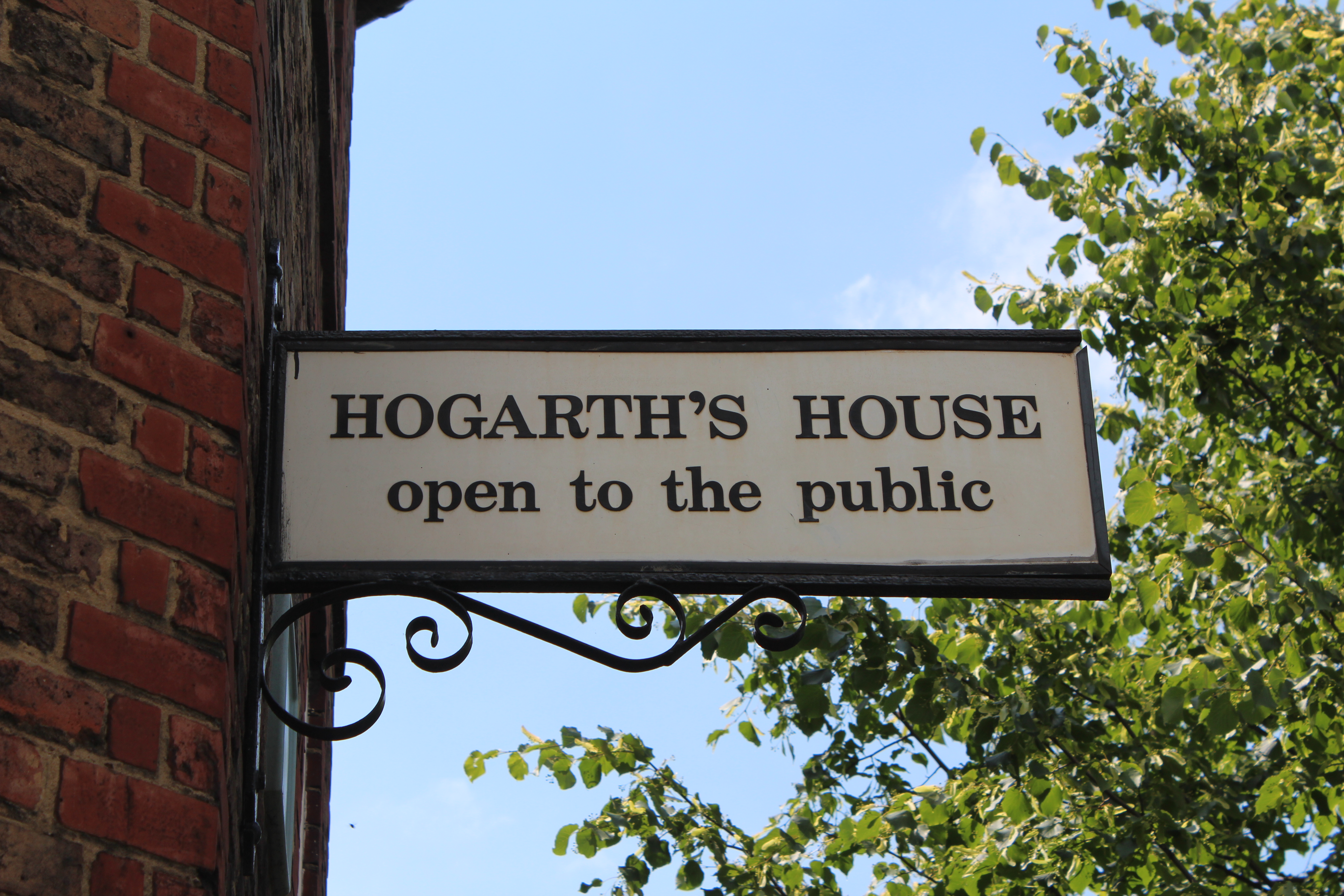
It’s hard to believe with the traffic thundering along the six-lane dual carriageway just metres outside, but William Hogarth and family bought their Chiswick house as a country retreat. No doubt it was still considerably quieter back in the day than their London home in what is now Leicester Square. Exactly what the artist would have made of the nearby Hogarth Business Park and the chaotic Hogarth Roundabout is anybody’s guess…

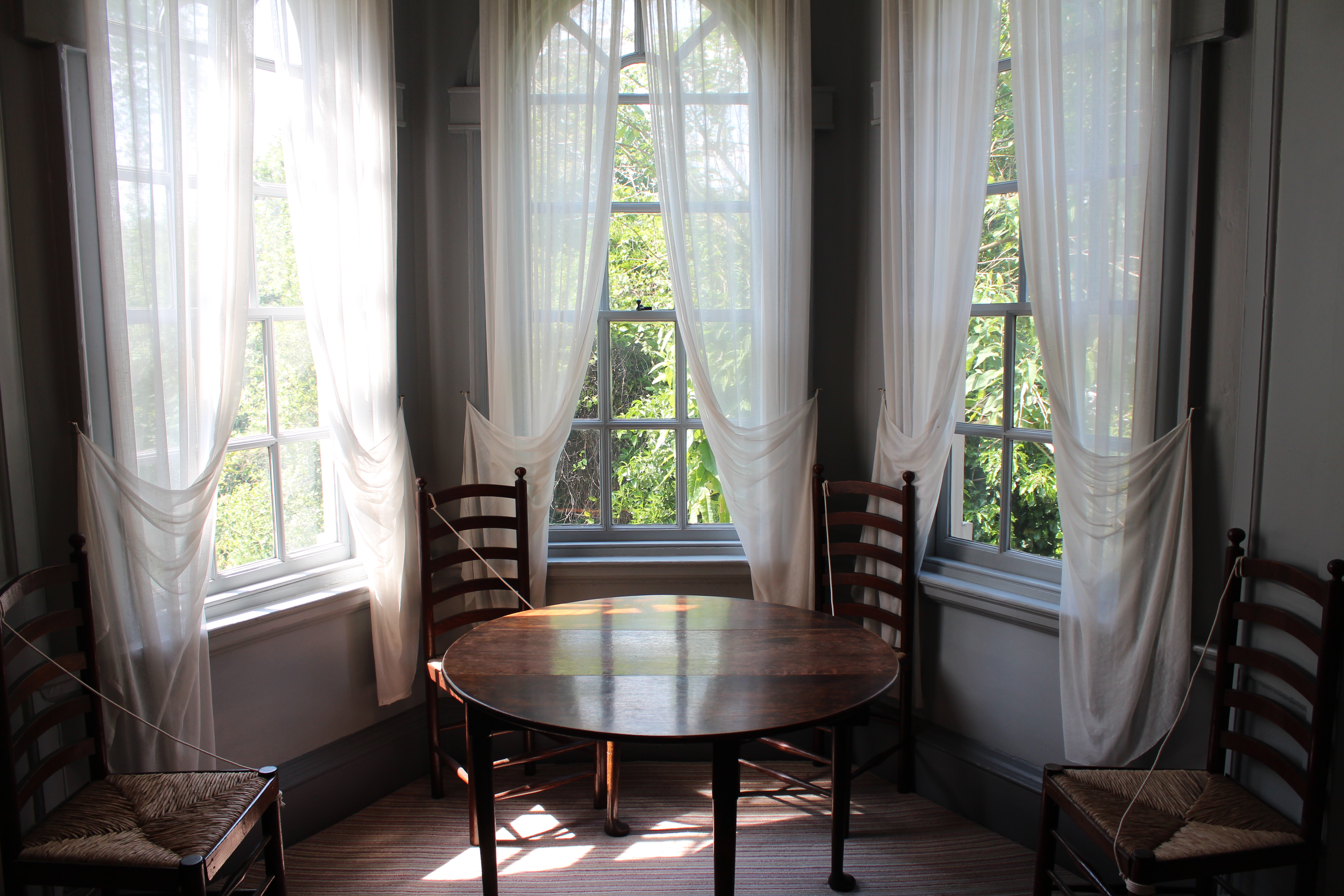
Hogarth’s House must be one of London’s oldest house museums. It was first opened to the public in 1904 after one Lieutenant-Colonel Shipway purchased the property for this purpose. He also commissioned the reproduction of Georgian-style furniture for the house from the Chiswick Art-Workers’ Guild, with each piece based on a piece of furniture featured in Hogarth’s work. This furniture is still on display in the house today – along with some of Hogarth’s personal possessions, including a palette and a snuff box – and sits well with the lovingly restored Georgian interiors.

Hogarth depicted life in Georgian London (often menacing, mercenary and decadent it turns out) in his satirical illustrations and series of paintings on ‘modern moral subjects’, the latter being serialised as hugely popular prints. Copies of a number of these prints are on display in the house, including Gin Lane, Beer Street and The Four Stages of Cruelty – so if you’re looking for a a crash course in Hogarth’s work a visit to his former abode might be just the thing.

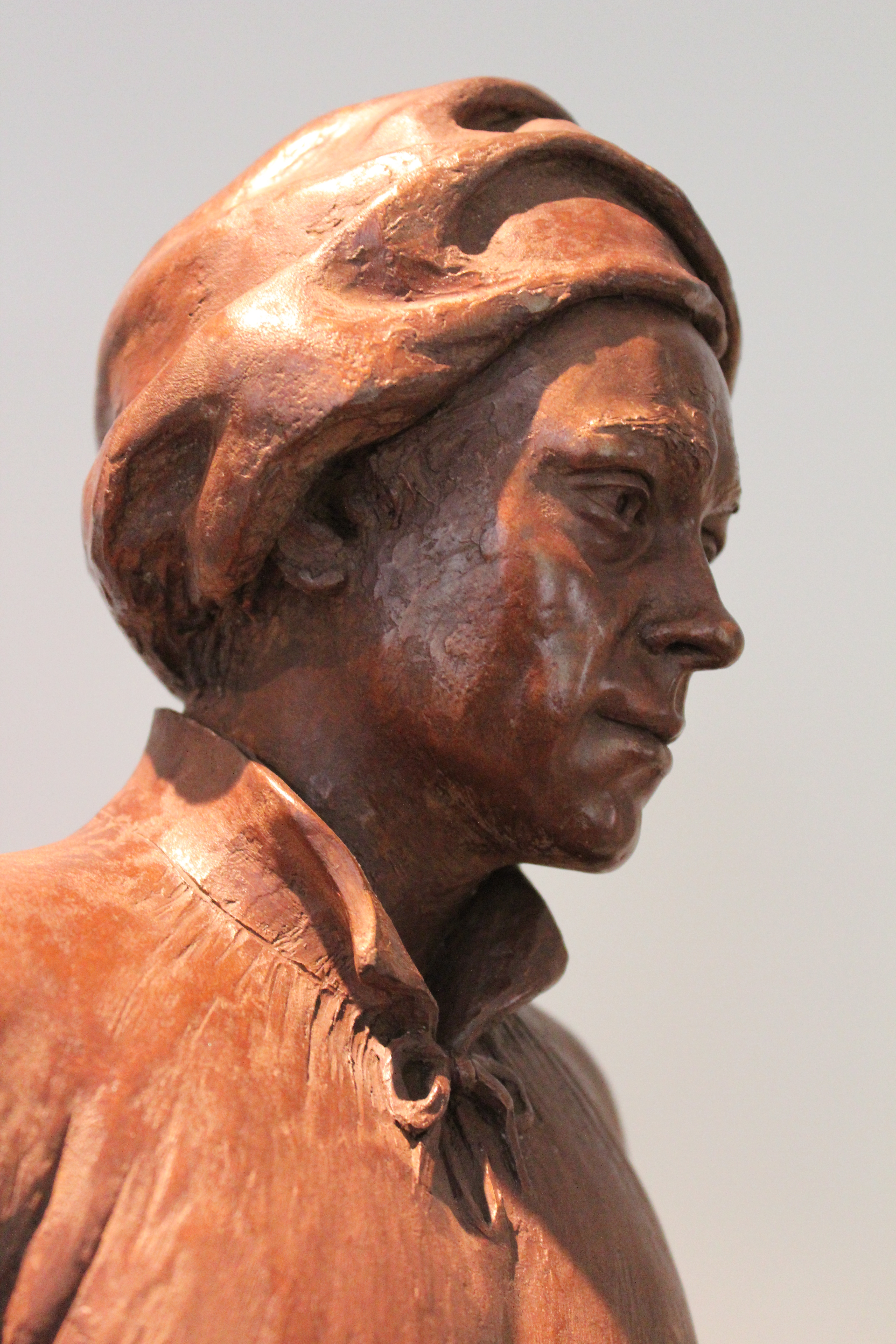
The model for Jim Mathieson’s statue of Hogarth is on display at the house.

The house itself was built around 1700 and Hogarth lived here from 1749 until his death in 1764. His wife Jane stayed on in the house after his death – apparently on the condition that she did not remarry. Jane Hogarth organised the extension of the kitchen wing on the ground floor, which is now a gallery. Currently on display is a range of historical pictures of the house and photographs documenting its recent restoration and unfortunate history of damage – it was badly bombed in the Second World War and a fire broke out in 2009 during the restoration process, delaying its re-opening until November 2011.

Hogarth’s House is open 12 noon to 5pm, Tuesday to Sunday and Bank Holidays. Admission is free. The closest tube in Turnham Green – keep an eye out for the Jim Mathieson statue of Hogarth (and his pug dog) just down the road from the station, on the corner of Turnham Green Terrace and Chiswick High Road.
You could combine a trip to Hogarth’s House with a visit to Chiswick House and Gardens, which is located virtually next door.

Twickenham’s Grottoes Part 2

Marble Hill Park Grotto

Having explored Alexander Pope’s once magnificent grotto in Part One of this series, we now turn to another grotto in Twickenham with connections to Pope. The grotto located in the grounds of English Heritage’s Marble Hill property – and this one is open to the public – was not only inspired by Pope, but the poet himself helped with the design (and indeed with that of the entire grounds) – ‘assisting’ landscape shaper Charles Bridgeman.

Marble Hill was built between 1724-29 for Henrietta Howard, the mistress of King George II. The Countess of Suffolk, as she was later to become, had visited Pope’s grotto and determined to have one of her very own built in the grounds of her nearby Palladian villa. In fact, it is believed that there were originally two grottoes built in the grounds, and it seems likely that the one you can see today is the smaller of the two. It was first rediscovered after a fallen tree revealed a secret chamber in 1941. It was refilled at this time but in 1983 subsidence on the lawn lead to excavations which saw it uncovered yet again and finally restored.

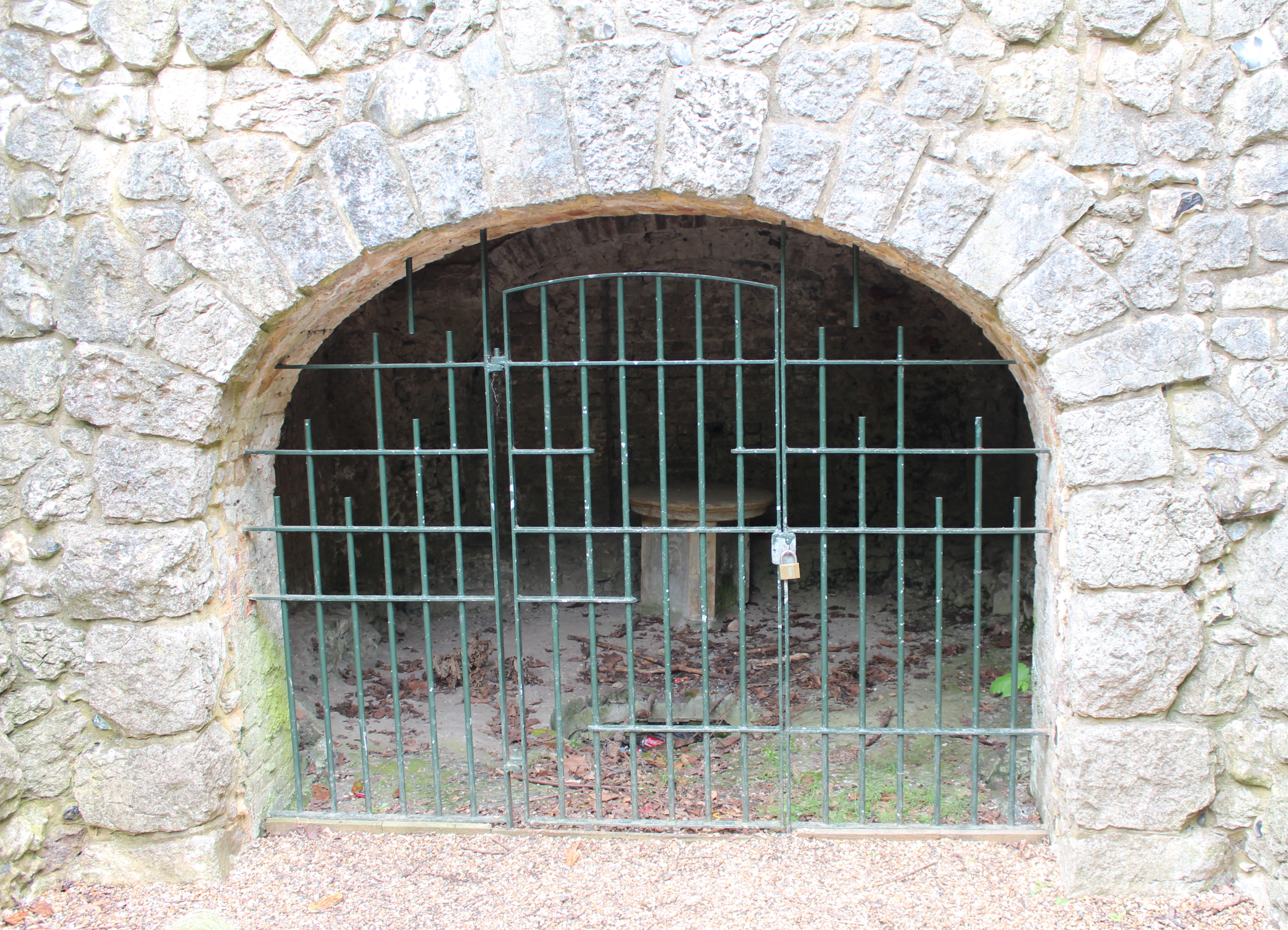
Like Pope’s own grotto, the Countess’s would have originally been more colourful, containing shells, coral and blue glass. Sadly these decorations were too fragile to be conserved so it is now a much plainer proposition altogether. The small ‘cave’ itself is behind bars, and composed mostly of rather barren stone and brick. A stone table can still be seen, though not in the best condition. The exterior top part of the grotto is not original but has been reconstructed as it is thought to have originally appeared. Today the grotto is approached down a set of stairs – another feature thought to be faithful to its original appearance.

As I approached the grotto from the Thames, it looked like nothing more than a hedge. Shrubbery has been planted around the grotto and its stairs creating this effect (earlier photos show the grotto after its restoration with no shrubbery). Actually this oval ‘hedge’ is in keeping with a description of the larger grotto as containing ‘an Ally of flowering shrubs’. The location of this second, larger grotto remains a mystery.

You can view the Marble Hill grotto during Marble Hill Park’s opening hours, which are standard dawn to dusk times. If you’re considering combining your trip with a visit to the house make sure you check its separate opening hours as these are very limited and it’s usually closed throughout the colder months.

Sutton House

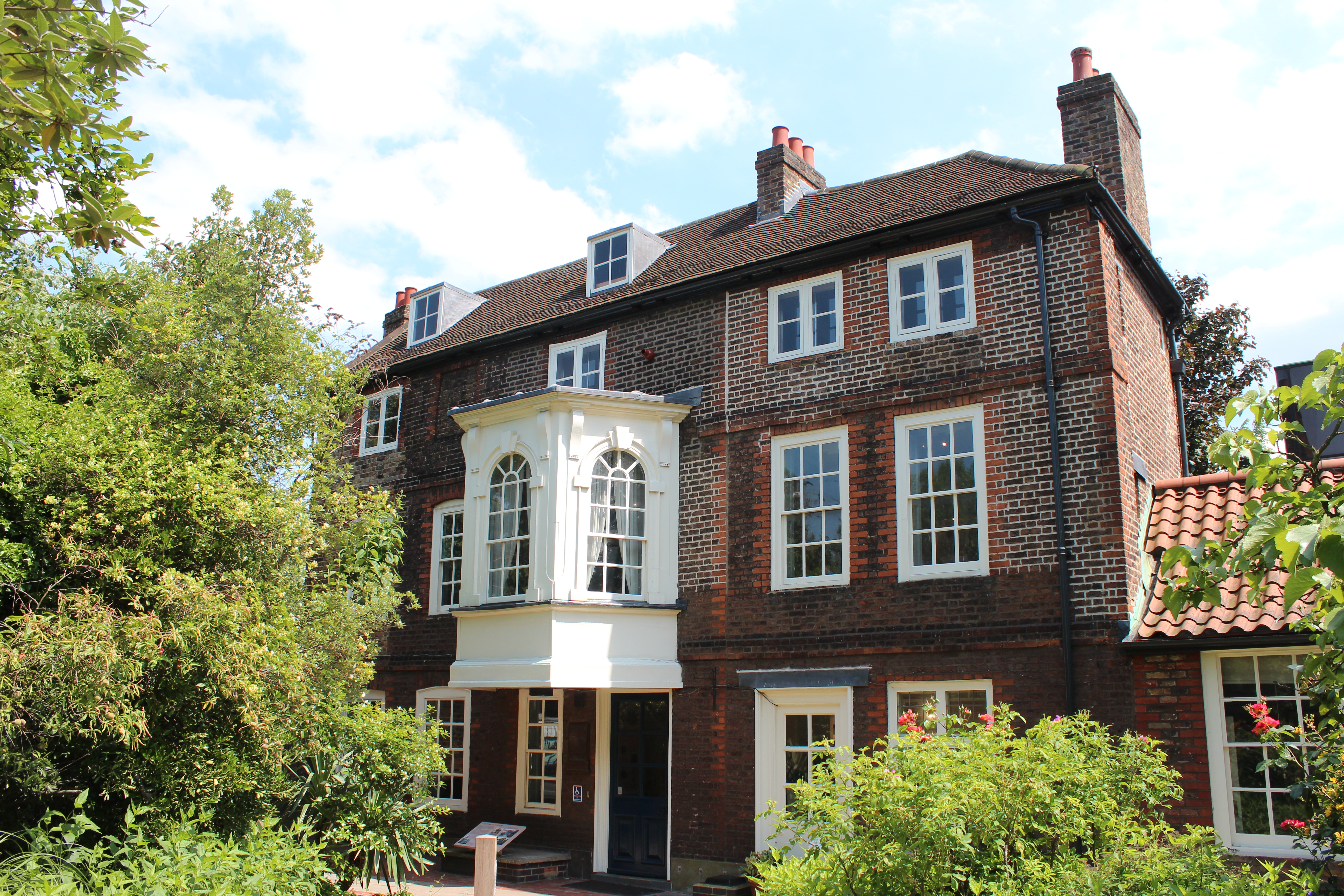
If like me you have a liking for layers of history and secret things hidden behind doors and panels, then Hackney’s Sutton House is just the thing. Built in 1535 – making this National Trust property East London’s oldest domestic dwelling – it’s one of those London places you keep meaning to visit and then wonder why you’ve left it so long when you do.

The first thing that struck me about Sutton House was just how very old it felt. As a Tudor building it is of course significantly older than the many Georgian dwellings you can visit around London – and it very much feels like it. The magnificent wood panelling of the Linenfold Parlour – carved to look like draped linen – which greets you in the first room is quite stunning. It’s not surprising to learn that back in the day people often took their wood panelling with them when they moved house, as it would have also been very expensive.

Originally built as a home for courtier Ralph Sadleir, Sutton House has seen a wide variety of residents over the years, including schools, the St John’s Church Institute and a group of squatters in the 1980s. One of my favourite aspects of the house it how it still represents so many of these groups. So while many of the rooms are in the Tudor style, there is also a Georgian Parlour, a Victorian Study and a chapel in a cellar to represent the residents of those eras. Remnants of some of the other groups remain in the form of a wall mural painted by a squatter, while a 17th-century fireplace peaks out from behind a staircase. Wooden panels and doors scattered throughout the house open to reveal previous brickwork, fireplaces and doorways. The past is not lost, it’s just tucked away beneath the layers.

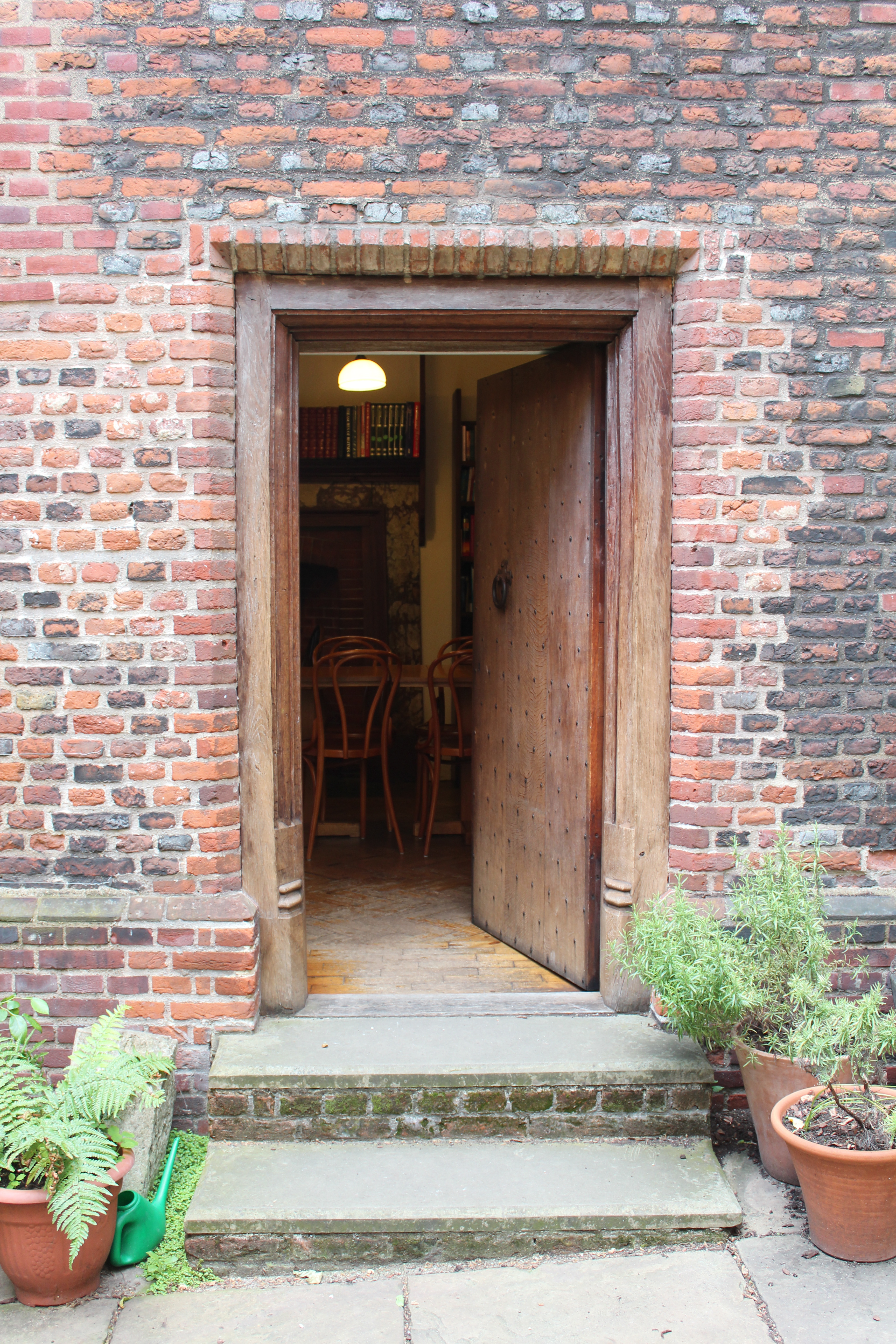
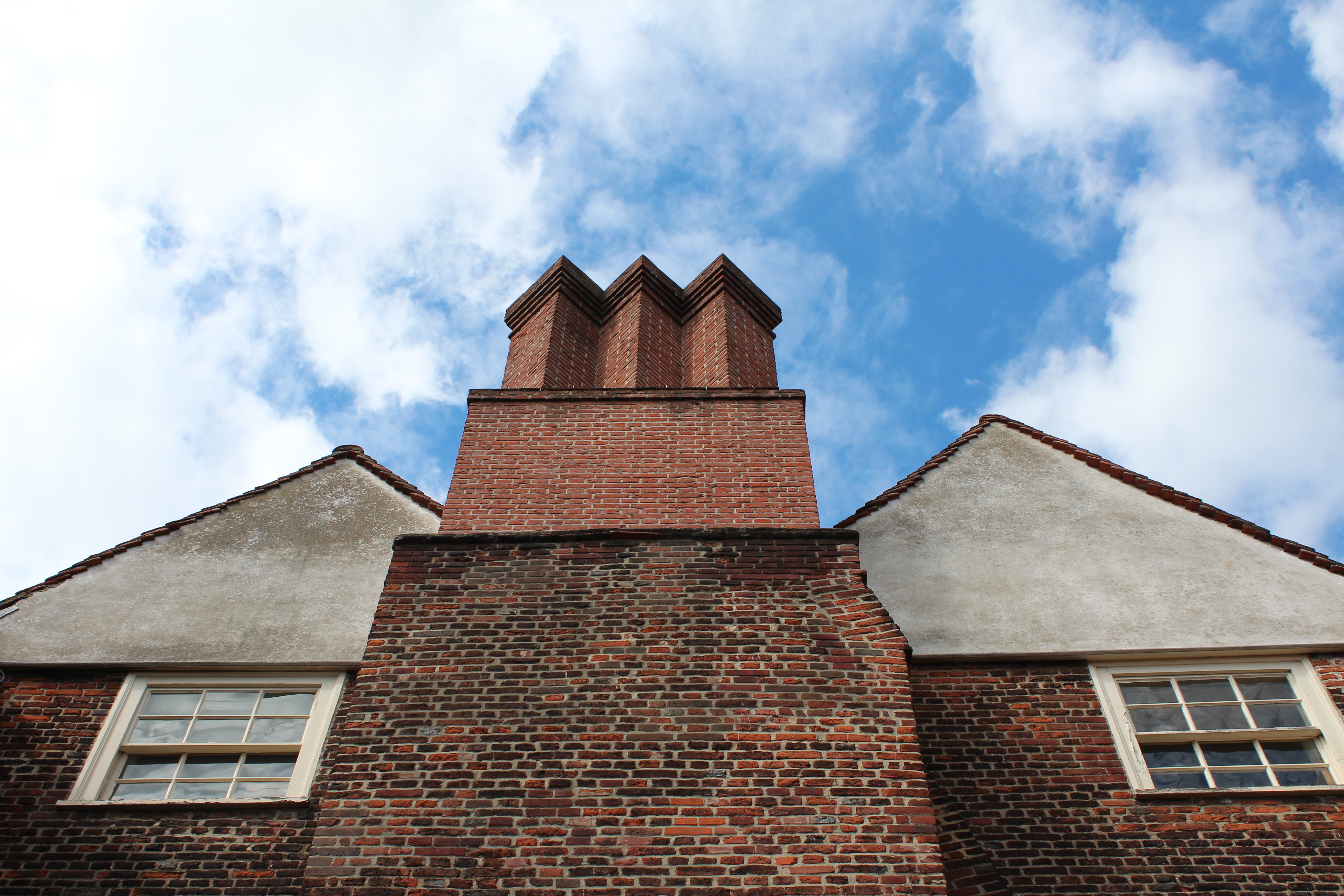
Sutton House is surprisingly extensive, and as well as the many period rooms there is a lovely café (housing a second-hand bookshop) to revive yourself in afterwards. As you can probably guess from the abundance of exterior shots, photography is not allowed inside for conservation reasons, so this is one property you really will have to go and see for yourself. So put off your visit no longer –  though if you do wait just a little while you should be able to enjoy a new garden and eating area that is being constructed next door on what was once a breaker’s yard. This too will contain reminders of that site’s history – and a reference to a lost waterway – and will make a visit to Sutton House an even more attractive proposition than it already is.

For opening times, check Sutton House’s website, as they can vary slightly. The house is located roughly equidistant between Hackney Central and Homerton on the London Overground. I’ll publish an update once the new garden is open.

Twickenham’s Grottoes

Part One: Pope’s Grotto

‘I am endeavouring to raise up around me a painted scene of woods and forests in verdure and beauty…I am wandering through bowers and grottoes in conceit’.

Imagine an Arcadian villa along the Thames, owned by a poet, which sits atop a grotto containing a natural spring, and decorated with mirrors, shells, stalactites, crystals, diamonds and marble. Sadly the villa is now long gone but Alexander Pope’s grotto – in which he once worked and held court – remains, if badly denuded of its unique materials.

Pope moved to Twickenham in 1719 and built a grand Palladian villa along the banks of the Thames in 1720. The grotto – which was actually constructed in the cellars of the house and allowed Pope easy access to his gardens on the other side of the road – was built in stages between 1720 and 1744. Initially, when the grotto was primarily a tunnel  – or ‘subterraneous way’ – beneath the house, Pope decorated it with shells, glass and pieces of mirror, inspired by the imagery of Homer’s grotto. He also created a camera obscura that reflected on the grotto walls ‘all the objects of the River, Hills, Woods, and Boats…forming a moving picture’ (later buildings have since blocked the grotto’s view to the river). From 1733 visitors arriving by boat would be led into the villa through Pope’s picturesque grotto.

Inspired by a visit he took to Hotwells Spa in the Avon Gorge in 1739, Pope later determined to redesign the grotto as a veritable museum of mineralogy and mining, containing samples of stalactites, spars, crystals, diamonds, marble and alabaster, to name but a few. Donors – both friends of Pope and people completely unknown to him – had long sent samples from around the globe, sometimes voluntarily but often at Pope’s (sometimes insistent) request. These now continued apace, including pieces from the Giant’s Causeway in Ireland, one of which can still be seen embedded in the wall today.

The grotto was still a work in progress when Pope died in 1744 as he was forever adding to it. Fortunately his gardener, John Serle, drew a plan of the grotto as it was at this stage, which is how we know that it once had an extra chamber on the northern side and had by this time expanded to fill the surrounding cellar rooms (it was widened further after Pope’s death). Sadly over the years many of the mineral samples and decorative touches were ‘souvenired’ by pilgrims who came to visit Pope’s grotto from around the world and wanted to take home a little piece of it for themselves. The natural spring dried up some time ago, so today visitors can no longer enjoy the sound of water coursing around the grotto.

The excavated willow tree.

Recently a willow tree – believed to be one of the willows Pope famously planted along the river, which was moved at some later point into the grotto – was excavated. A table of finds is on show in one of the chambers, displaying numerous materials found amongst the dirt which had covered the tree. Today the buildings surrounding the grotto are owned by Radnor House, an independent school (rows of children’s art smocks line the walls outside the grotto’s entrance). The grotto is generally only open to the public once a year as part of the Twickenham Festival, normally held in June, which is how the Londonphile made it inside what was once Pope’s magical underground world. Meanwhile, Pope’s Grotto Preservation Trust is working to preserve and to hopefully restore the grotto to its former glory at some point in the future.

Alexander Pope was also instrumental in the design of the grotto that is featured in Part Two of this series – the Marble Hill Park Grotto.

2013 update: The grotto will be open to visitors on two days during the Twickenham Festival: Saturday 8th June at 10:30 and 11:30am, and Saturday 15th June at 10:30 and 11:30am. Further information is available on the Twickenham The Town site.

Entrance will be by pre-paid ticket only and will cost £5 per person, £4 for concessions, free for under 11s.

The finds table.

Rotherhithe Tunnel cupolas

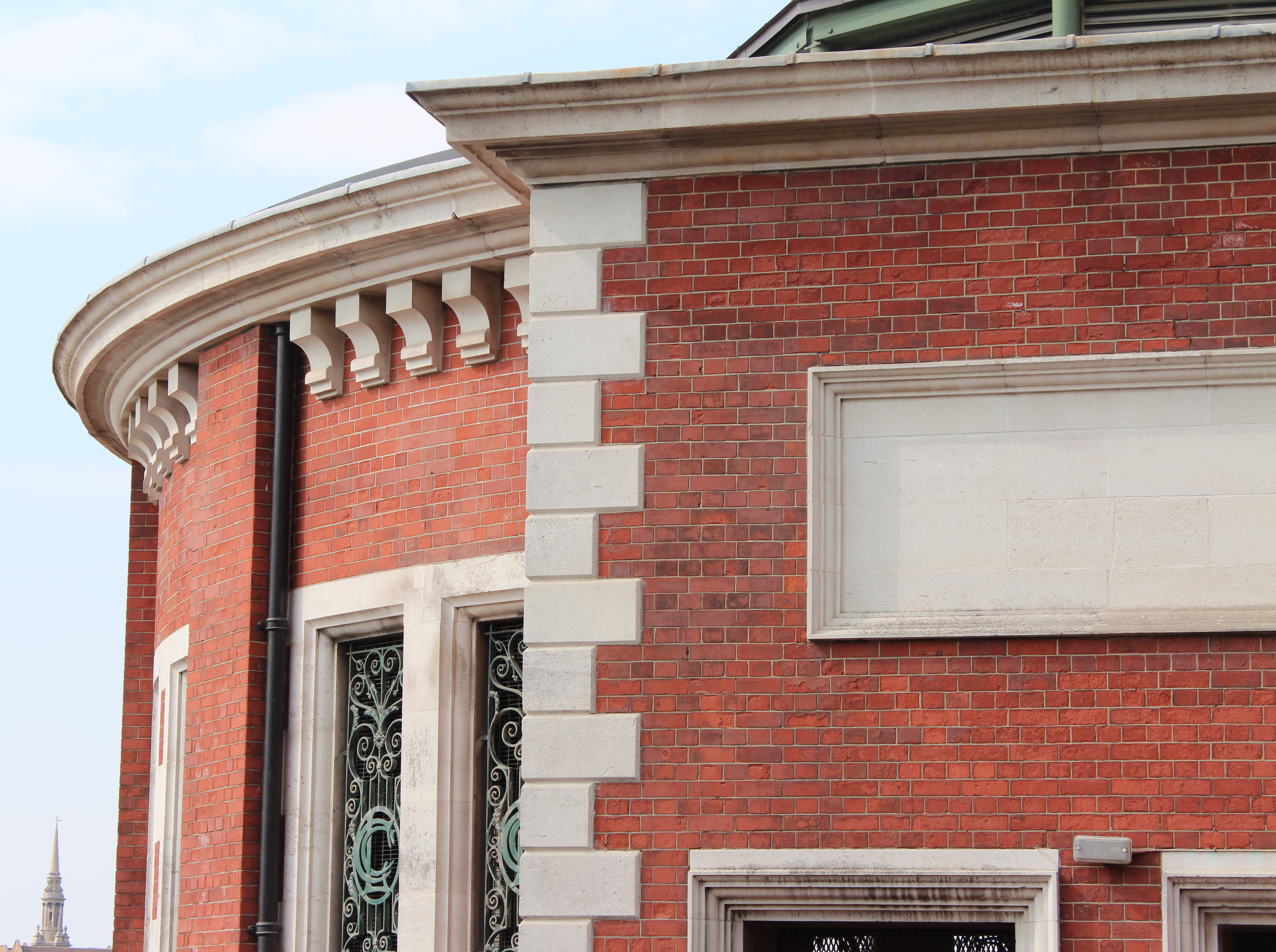
At similar points across the Thames in Wapping and Rotherhithe – like sentinels along the river – stand two rather mysterious identical circular red-brick structures. Surely many a passerby over the years has wondered exactly what these buildings are. They are in fact twin ventilation shafts – more romantically known as cupolas and sometimes referred to as the Rotherhithe Rotunda or Rotherhithe Tunnel Shafts – for the Rotherhithe Tunnel, which allows vehicles to travel under the river at this point between the north and south banks.

The cupolas were not built to deal with the noxious fumes produced by cars – as one could be forgiven for assuming – but with those produced by the horses that at the time of the tunnel’s construction were still very much the main form of transport. Likewise, the pathways along the edge of the tunnel itself were not designed for pedestrians but for the men who used to walk the length of the tunnel shovelling horse manure off the road – surely a contender for inclusion in The Worst Jobs in History TV series.

The Rotherhithe cupola in the foreground – you can just see its Wapping twin on the far left on the north bank.

The Rotherhithe Tunnel was constructed between 1904 and 1908 and both the tunnel and the cupolas were designed by the engineer Sir Maurice Fitzmaurice. Made from red brick and Portland stone, each contains a staircase down to the tunnel and four ventilation fans. Their surprisingly ornate iron grilles on the windows spell out the letters ‘LCC’ – for the former London County Council. The cupola on the Rotherhithe side is a little isolated and is fully fenced off with thick red metal bars.

The Wapping cupola is located in the King Edward VII Memorial Park and is more easily viewed as it is not hidden away behind bars. It is signposted as ‘Rotherhithe Tunnel Shaft 3’ – I’m only aware of the two shafts so please get in touch if you know the whereabouts of the other one! You can walk all the way around this cuploa, and enjoy the pretty twin entry doors on the north side (see detail above). Also located on this side is a ceramic and stone memorial erected by the LCC in 1922 to commemorate the sixteenth-century navigators whose voyages into the unknown started from this part of the Docklands.

At risk: Severndroog Castle

Wanderers new to Shooters Hill Woodlands may be surprised to find signs pointing them ‘to the castle’. But Severndroog Castle is in fact not a castle at all but a folly. Nor is it a sham castle but rather another popular form of folly – a triangular tower, a fashionable style for ambitious follies of its day. The 60-foot gothic brick tower designed by Richard Jupp – featuring a hexagonal turret at each corner – is found in Castle Wood, atop South London’s highest point. Built in 1784 by his widow to commemorate Commodore Sir William James and his capture in 1755 of the Indian island fortress of Suvarnadurg (rendered in English as Severndroog) – a castle seems a most appropriate form for his memorial to take.

Plaque commemorating Sir William James.

Although classified as a folly – which is generally held to be a structure without a purpose – Severndroog Castle has actually given itself over to a number of uses throughout the years. This is mainly owing to its great height – the roof of its tower is 50-feet higher than St Paul’s Cathedral cross. Its vantage point across seven counties has been put to good use in linking up England and France trigonometrically (in 1797), in the surveying of London by the Royal Engineers (1848) and during World War Two as an observation post. Some of this view has now been lost as the trees have grown up around the castle.

Now sadly boarded up, the castle once boasted a cafe on the ground floor and, according to Hilary Peters from the Folly Fellowship who visited the site in the 1970s, ‘a perfect eighteenth-century interior: original flower paintings on the original green walls, original plasterwork, original shutters’. She also reveals that one of the towers encloses a staircase, while the others are cabinets off the main room; the first and second floor rooms were kept locked – though Barbara Jones described ‘a hexagonal room with a fine plaster ceiling’ on the first – but visitors could ascend the stairs to the platform on the roof and take in the views.

Unfortunately the interior has been seriously vandalised, while Peters believes that the Georgian flowers were painted over by ‘official vandals’ some time ago. This Grade II* listed structure currently finds itself on English Heritage’s Buildings At Risk register. The Severndroog Castle Building Preservation Trust is now working to restore and re-open the castle, having almost secured an agreement to lease it from Greenwich Council. They have secured Heritage Lottery Funding of £595,000 but this covers only 70% of the full cost – more funds are needed for the Trust to meet its full target of £840,000. You can donate or ‘buy a brick’ for just £5 through Just Giving. Hopefully Severndroog Castle can lose its ‘at risk’ status – a sad fate for a building that folly hunter Gwyn Headley once described as the earliest and best folly tower in London.

What you can do: you can donate/buy a brick to support the castle here

For further information & advice on how to get to the site (the postcode is SE18 3RT): Severndroog Castle Building Preservation Trust

Thames beachcombing

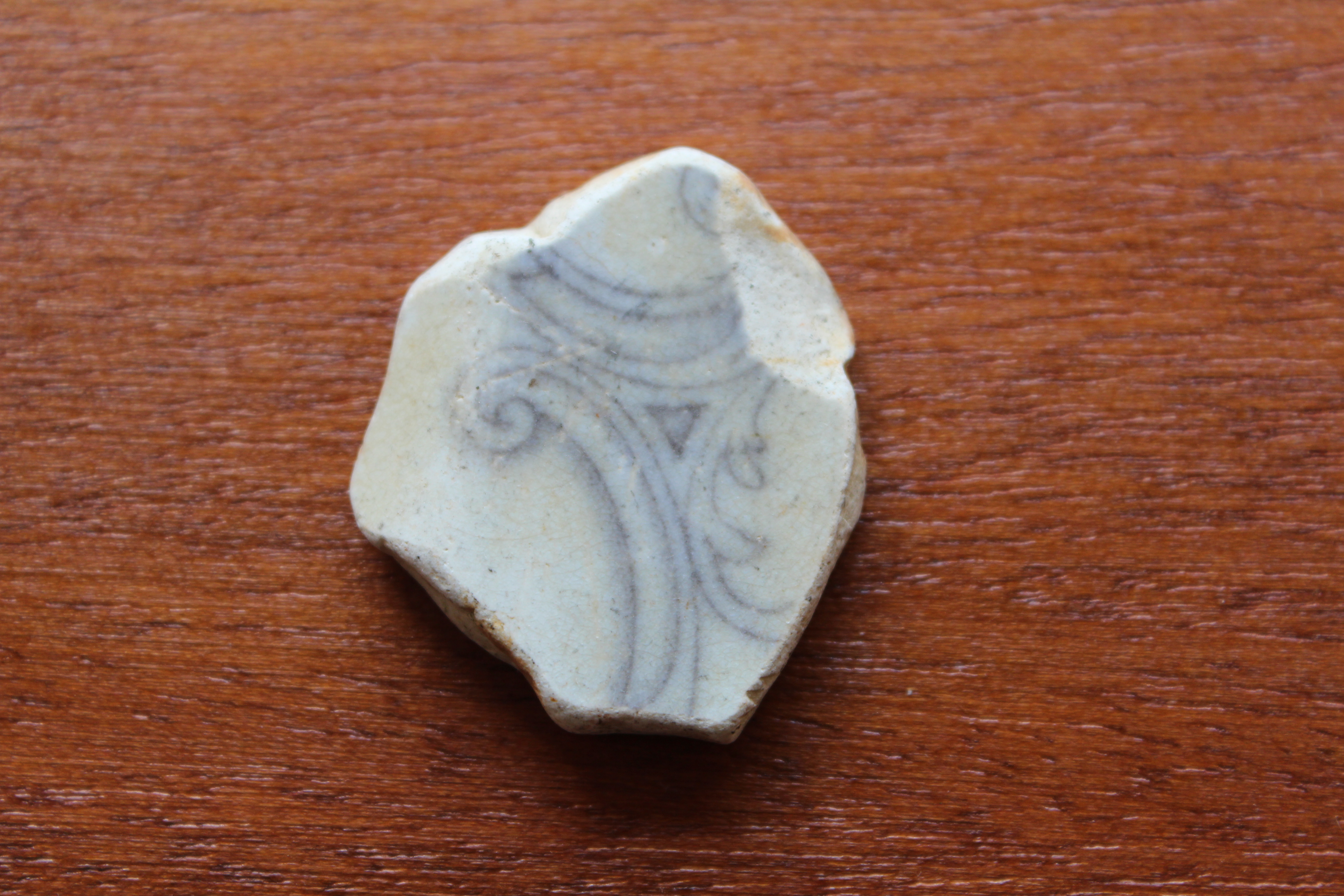
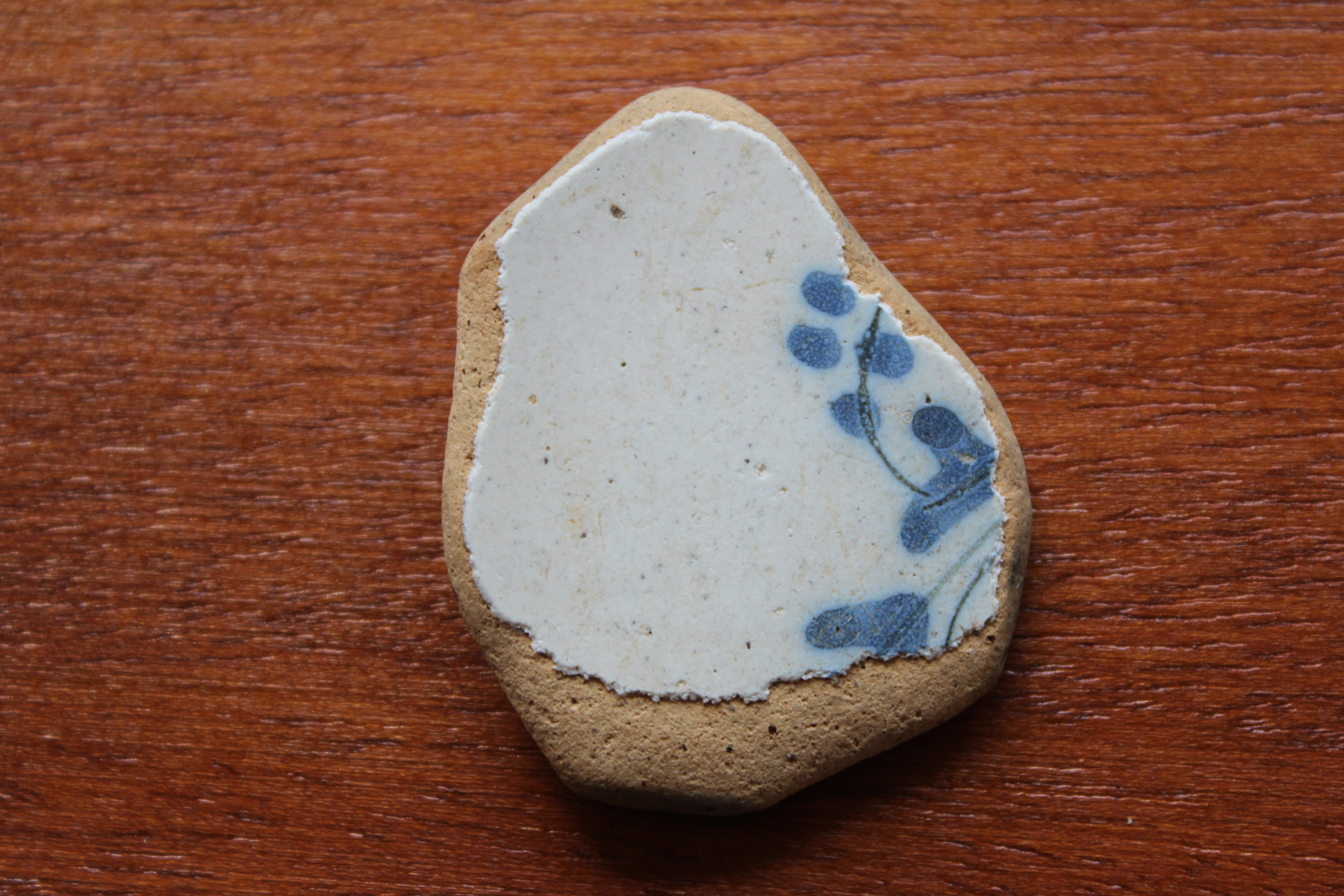
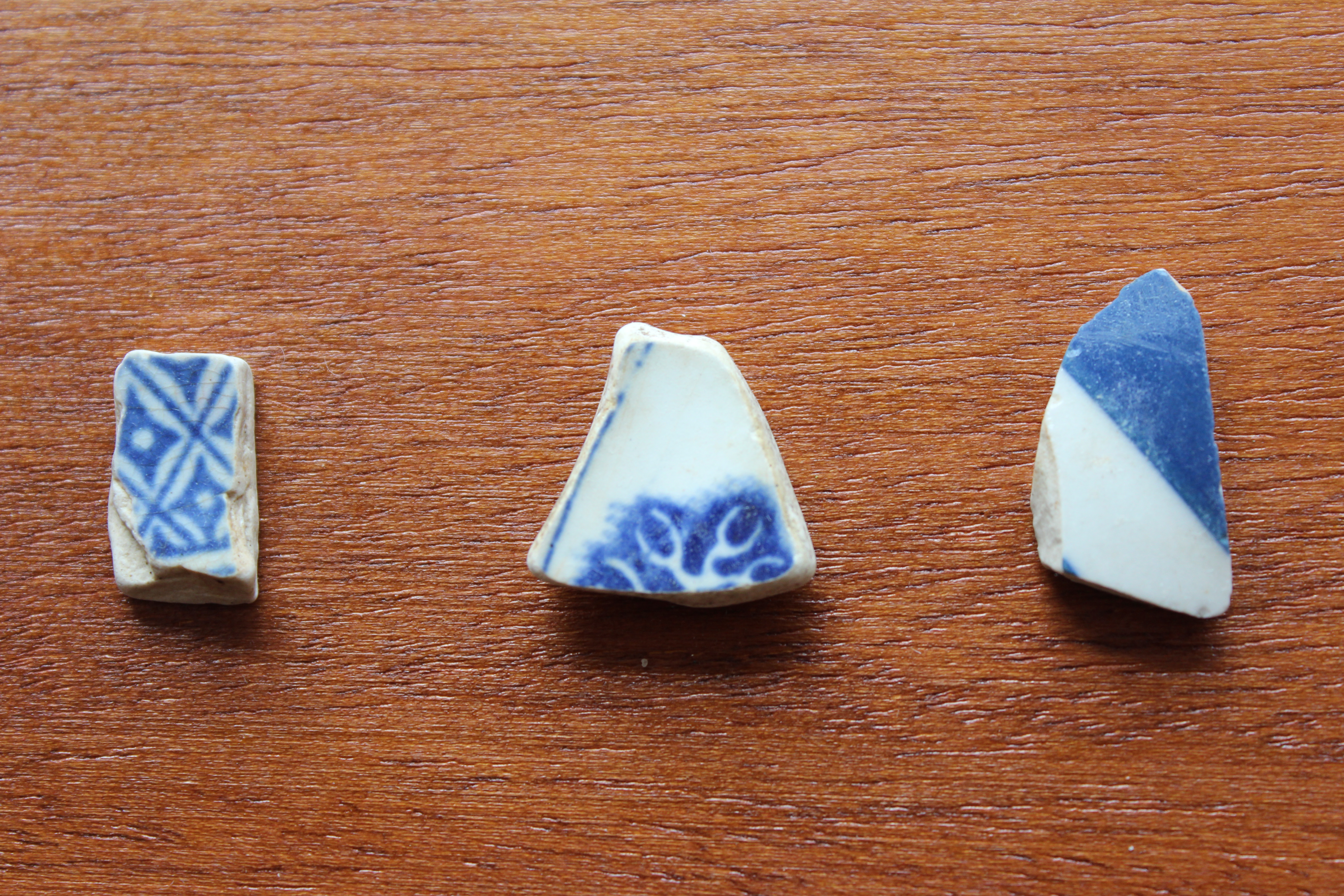
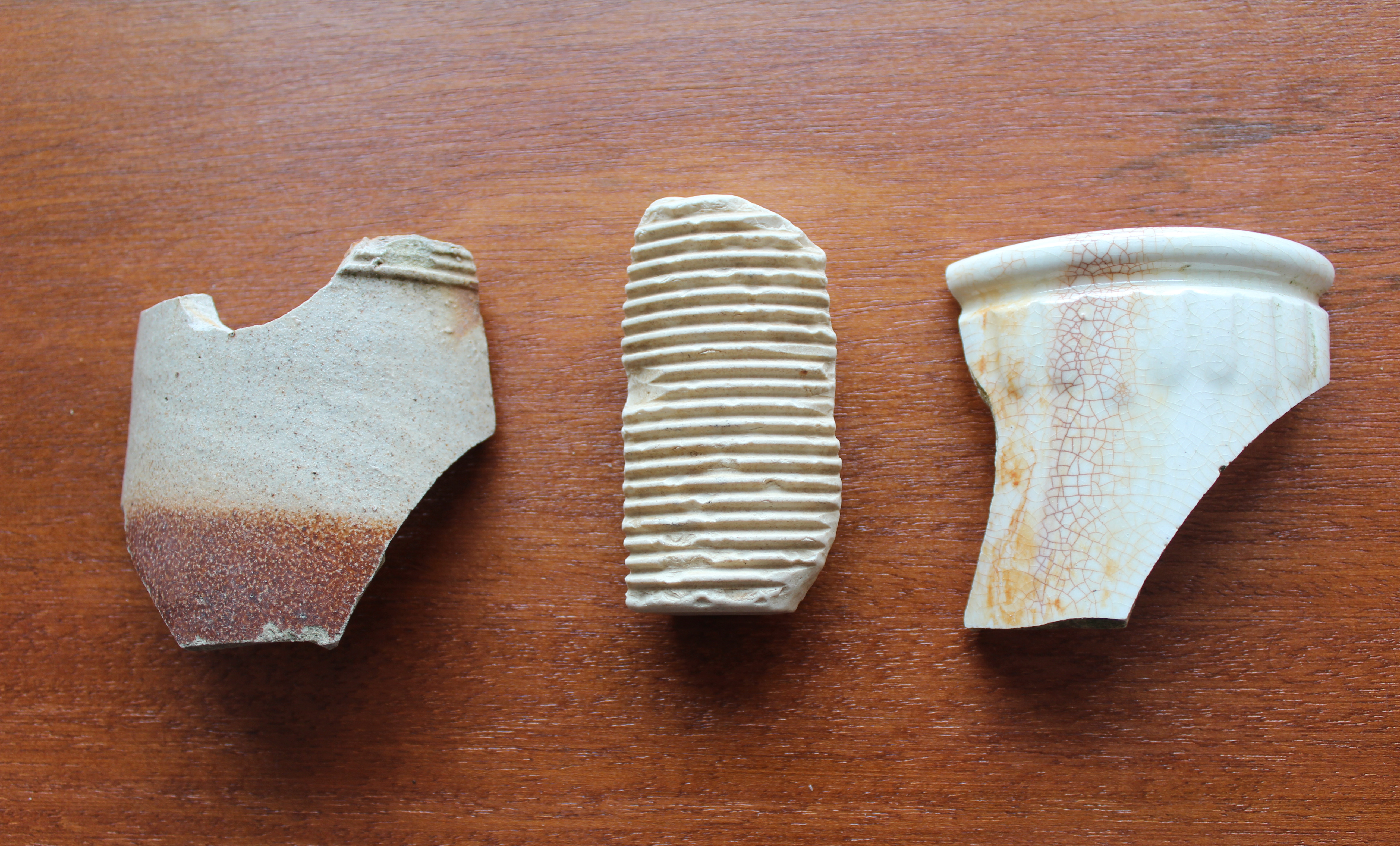
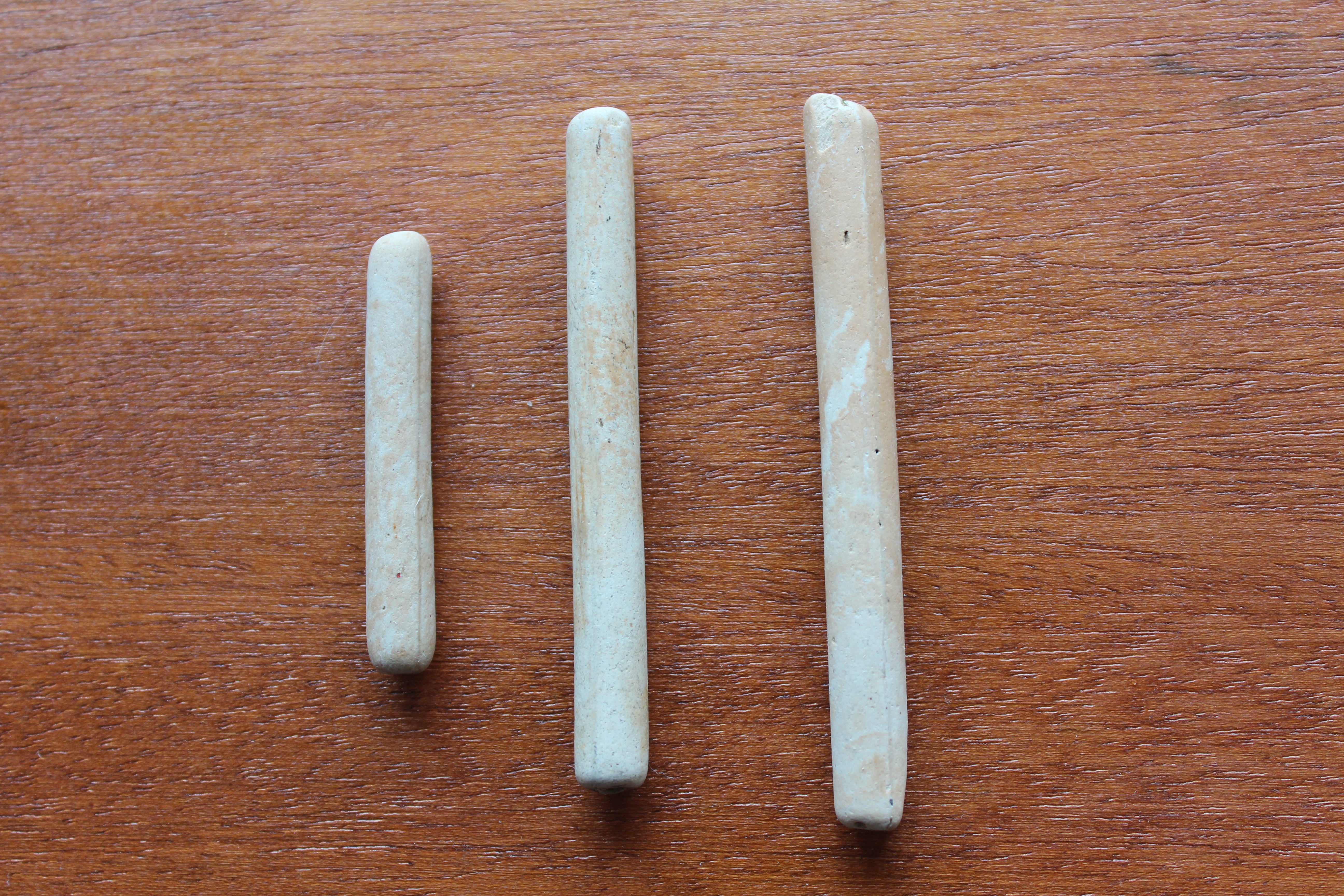
It’s amazing what you can find along the Thames. The Londonphile has been beachcombing around Rotherhithe and is developing quite a collection of blue and white china. The Thames foreshore is truly a treasure trove, and the best part is that it is constantly being refreshed as the tide washes in and out twice a day, both bringing with it new items and revealing new finds as the water rolls back. I collected the items above over just two short trips to the foreshore at Rotherhithe (along stretches near the Mayflower pub and Surrey Docks Farm respectively). Here are a few more photos of what I have found so far:

I particularly like the pattern on this one:

This one has almost – not quite – washed away; possibly it’s an older piece:

These pieces are tiny (around two centimetres) but come out well in a photograph (if I do say so myself):

But it’s not just about blue and white – here are some brown and cream items:

Clay pipes are also a popular find along the Thames. These can date as far back as the 16th century and were indeed used for smoking. Jane from Jane’s London makes jewellery out of clay pipes she finds along the Thames. Here are some pipe stems I found:

If you want to do your own spot of treasure-hunting you should check the tide times to determine when there will be a low tide – the lower the tide the better as more of the foreshore is exposed. BBC Weather has a webpage showing tide tables for London, which I think are easier to understand than the one published by the London Port Authority. I would also recommend some hardy gloves, wellies (or at least sensible shoes – the mud can be surprisingly thick) and a bag for finds. Just remember that while you can pick up anything from the surface (i.e. without any digging, scraping or lifting or rocks) without a licence, if you do find anything that may be of archaeological value this must be reported to the Portable Antiquities Scheme Finds Liaison Officer at the Museum of London on  020 7814 5733 or flo@museumoflondon.org.uk.

If you don’t feel like going it alone there are a number of groups that run organised walks or fossicking tours along the Thames. Thames Discovery and Thames Explorer Trust run a number of archaeology and beachcombing walks on various sites along the Thames. I wrote about Thames Discovery’s Rotherhithe Winter Walk earlier this year; the Thames Explorer Trust will hold a free Custom House Walk on Friday 22nd June 2012, 9:30am to 11:30am – there are currently seven places left so be quick! Keep an eye on Thames Discovery’s Events page as new walks are listed regularly. London Walks also hold Thames Mudlarking walks guided by an archaeologist. The Surrey Docks Farm holds irregular foraging sessions along their foreshore – there will be one this Sunday 10th June at midday – no booking is required and it’s free.

Foundling Museum: Vauxhall Pleasure Gardens exhibition

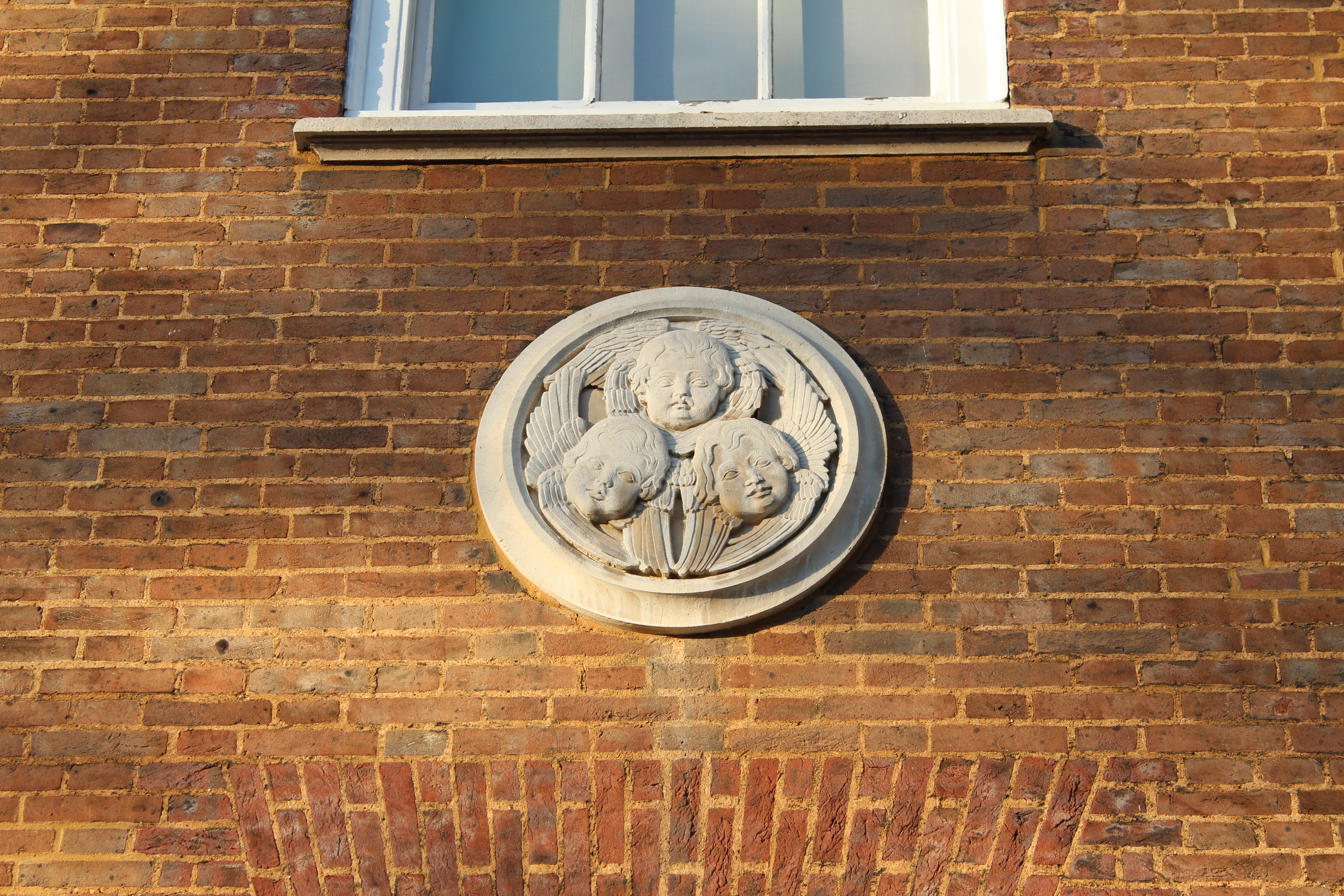
Not that you should need an excuse to visit, but now is a great time to drop by Bloomsbury’s Foundling Museum while it holds its fabulous exhibition on the Vauxhall Pleasure Gardens. I’ve written about the gardens before – the somewhat decadent playground that provided a vast range of entertainment for Londoners (including royalty, aristocracy and pickpockets) for almost 200 years from its opening in 1661. If you share my fascination with the gardens, or would like to learn more, I highly recommend a visit – the free exhibition guide is worth the admission price alone.

The Foundling Museum houses the collection of the former Foundling Hospital – its building was the hospital’s former London headquarters – a charity established in 1739 by Thomas Coram to assist parents (mostly mothers at this time) who could not take care of their own children. In the early eighteenth century in London this was sadly quite a few, with around 1,000 babies per year being abandoned. Not surprisingly, many of the exhibits covering this era are quite poignant ones, such as the huge list of foundlings’ names listed on one wall and the small tokens that mothers would leave with their babies in the hope of identifying them later should circumstances change.

The Museum is also home to the award-winning Gerald Coke Handel Collection and an ornate Court Room that has been described as one of the finest examples of an eighteenth century Rococo interior. It also has a claim to being London’s first public art gallery, as a donation by Hogarth of one of his own paintings in 1740 encouraged others to follow suit, creating a collection that was put on public display in the ‘Picture Room’ in 1857.

The Triumph of Pleasure: Vauxhall Gardens 1729-1786 is curated by David Coke (son of Gerald) who co-authored the recent impressive tome on the gardens’ history published by Yale University Press. His expertise on the subject matter shines through in the exhibition’s texts, which contain some fascinating snippets as well as the historical round up that you would expect from such an exhibition. For example, did you know that the mean slices of food served up at the gardens led to the term ‘Vauxhally’ becoming a colloquialism for ‘extreme thinness’? The exhibition is divided into sections focusing on themes such as Tastes and Smells, Sights, Sounds and Feelings –  a truly sensory list of topics that seem fitting for gardens that attracted tens of thousands of pleasure seekers per night at their height, and ones that allow for an examination of its diverse delights.

Canaletto’s ‘The Grand Walk, Vauxhall Gardens, London’ c.1751 is on display. (Credit: private collection).

The scale model of the gardens, produced by Lucy Askew in 1984 for the V&A Vauxhall Pleasure Gardens exhibition of that year, is a real highlight. Seeing the gardens in this form allows the visitor to appreciate the true scale of their several acres and the lush foliage of their trees and the darks walks. As one would expect, the exhibition includes a large number of paintings and illustrations of the pleasure gardens, but it is a particular treat to see one by Francis Hayman that once graced the interior of one of the legendary supper boxes. Amazingly as many as 15 of these survived – nothing short of a miracle given that they were left outside for four months of the year. It’s also a surprise to see two photographs of the gardens (towards the end of their run) at the culmination of the exhibition – a very modern medium and not one you normally expect to see gardens of this era represented in. It almost felt like having seen a ghost.

And in case you were wondering what the connection was between a foundling hospital and a decadent pleasure garden, there is a small section on the first floor devoted to just this topic. In brief, Handel and Hogarth were governors and benefactors of the hospital as well as leading lights behind the music and art that entertained revellers at Vauxhall. There is even an eighteenth century Chinese porcelain punchbowl on display that features the gardens on one side and the hospital on the other. And in one final, telling, connection the punchbowl is displayed next to a season pass to the gardens, which one mother left behind as the token for her child.

The exhibition runs until 9th September (closed Mondays), entry is £7.50 or £5 concession. For more information visit the Foundling Museum’s website.

Book review: Thames Path in London

It seems fitting that the Londonphile’s first book review features two of my very favourite things: London (naturally) and the Thames. As many Londonphiles out there would undoubtedly be aware, there is already a guidebook that leads us down the Thames Path. But Phoebe Clapham’s new publication – Thames Path in London – is unique in that it focuses on the areas within London, starting at Hampton Court and taking us all the way downriver to Crayford Ness, on the Thames Path Extension. That’s 50 miles (or 80kms if you prefer) of good guidance!

Just like David Sharp’s Thames Path guide – published in the same series by Aurum Press – Clapham’s tome contains top notch Ordnance Survey maps. A yellow line is superimposed onto these maps to clearly demarcate the Thames Path (which as fellow Thames-lovers would know, can be surprisingly meandering in places). It is further designed for ease of use by having each of the eight sections that the path is divided into begin and end near a station. Practical tips on essentials such as eating and drinking are also provided at the start.

One of the best aspects of Thames Path in London is the semi-regular break-out sections featuring information on various historical sites, events and themes found along (or in) the Thames. These vary from the well-known (Tower Bridge and London Bridge) to more esoteric themes such as Arcadian Thames and the pleasure gardens of a bygone age. Not only are they interesting and well-researched but they serve to break up the constant direction-giving necessitated by such a guide. Clapham’s book is also interspersed with historical images – including illustrations, photographs and paintings – ensuring a publication that goes above and beyond the call of the average functional guide, and one which helps to bring to life the fascinating (and often lost) history found along the Thames.

Although the guide has no index – as is also the case with Sharp’s guide – the main map at the front shows how the full route is divided up into the eight sections, and the main areas included in each of these. It’s tricky writing a guide to a path that is found on both sides of the river for much of its duration. The guide gets around this by dividing the text up into the North Bank and South Bank according to colour (purple and green respectively, just so you know). Two substantial circular walks diverting off the path (in Richmond and Limehouse), written exclusively for this publication, are also included.

You will certainly be in safe hands following Clapham’s directions along what is the section of the Thames Path most densely packed with sights, history and, well, just about everything really. And as the publishers note, it will also come in handy for anyone attempting to follow the Jubilee flotilla on foot in June!

Thames Path in London, by Phoebe Clapham, will be published by Aurum Press this Thursday 24 May. RRP is £12.99, but thanks to Aurum I have one copy to give away to a lucky Londonphile follower out there.

WIN A COPY: Twitter followers can tweet me via @londonphile to enter; Facebook followers can add their name to the list I will create on www.facebook.com/thelondonphile. New followers are welcome to join in too! Competition closes 5pm Tuesday 29th May. A winner will be selected randomly and contacted directly.