St Bride Foundation

IMG_9661

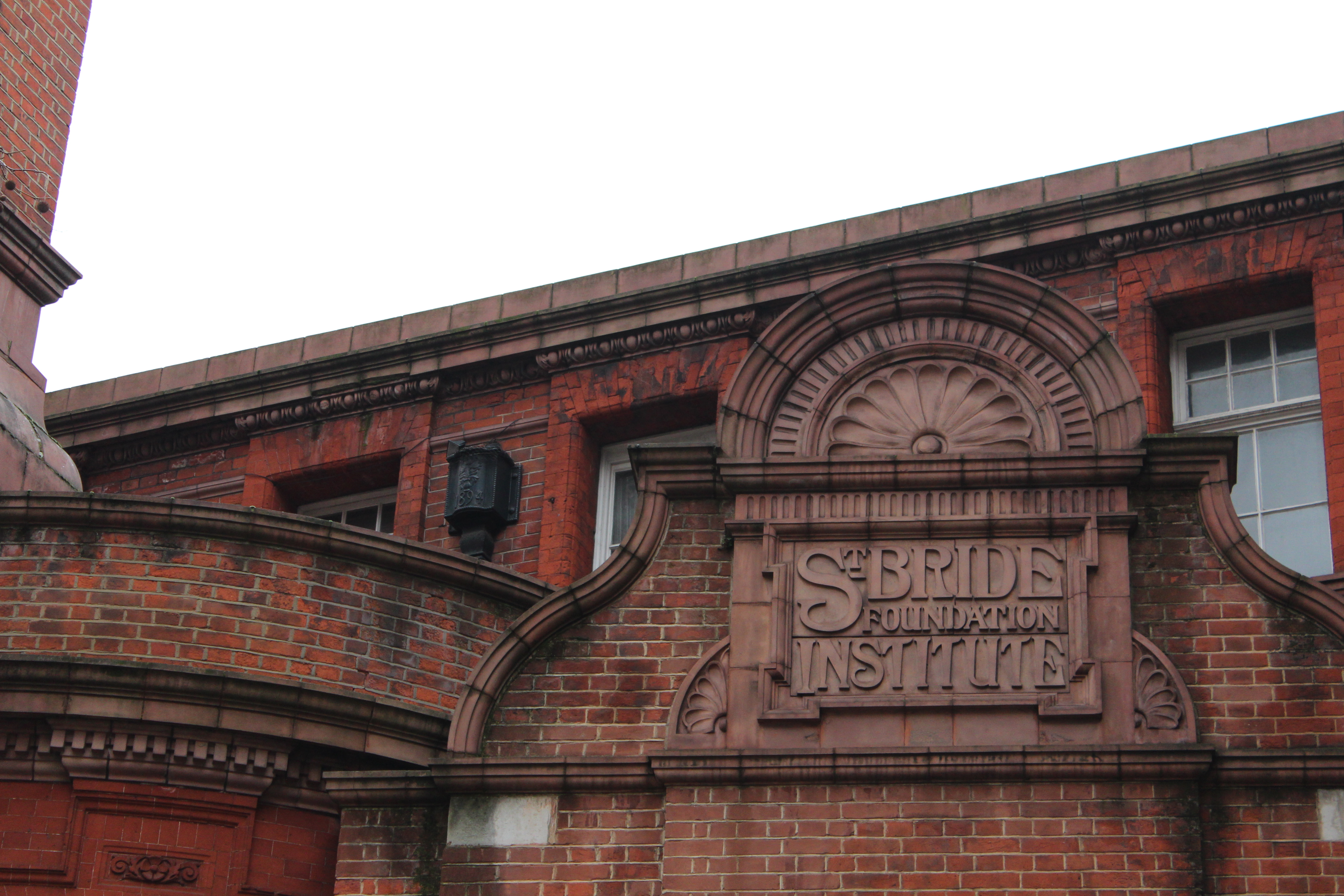
In the shadow of St Bride’s Church lies a gem of London’s printing history – the St Bride Foundation. The Foundation started life as an educational, social and cultural centre for local printers and students – and it would be hard to imagine a more fitting location given its proximity to Fleet Street. The 1894 red-brick Victorian building tucked away down St Bride Lane – no stranger to transformations while still retaining its print-based heritage, as we shall see – now contains a print workshop, library and theatre.
IMG_9730

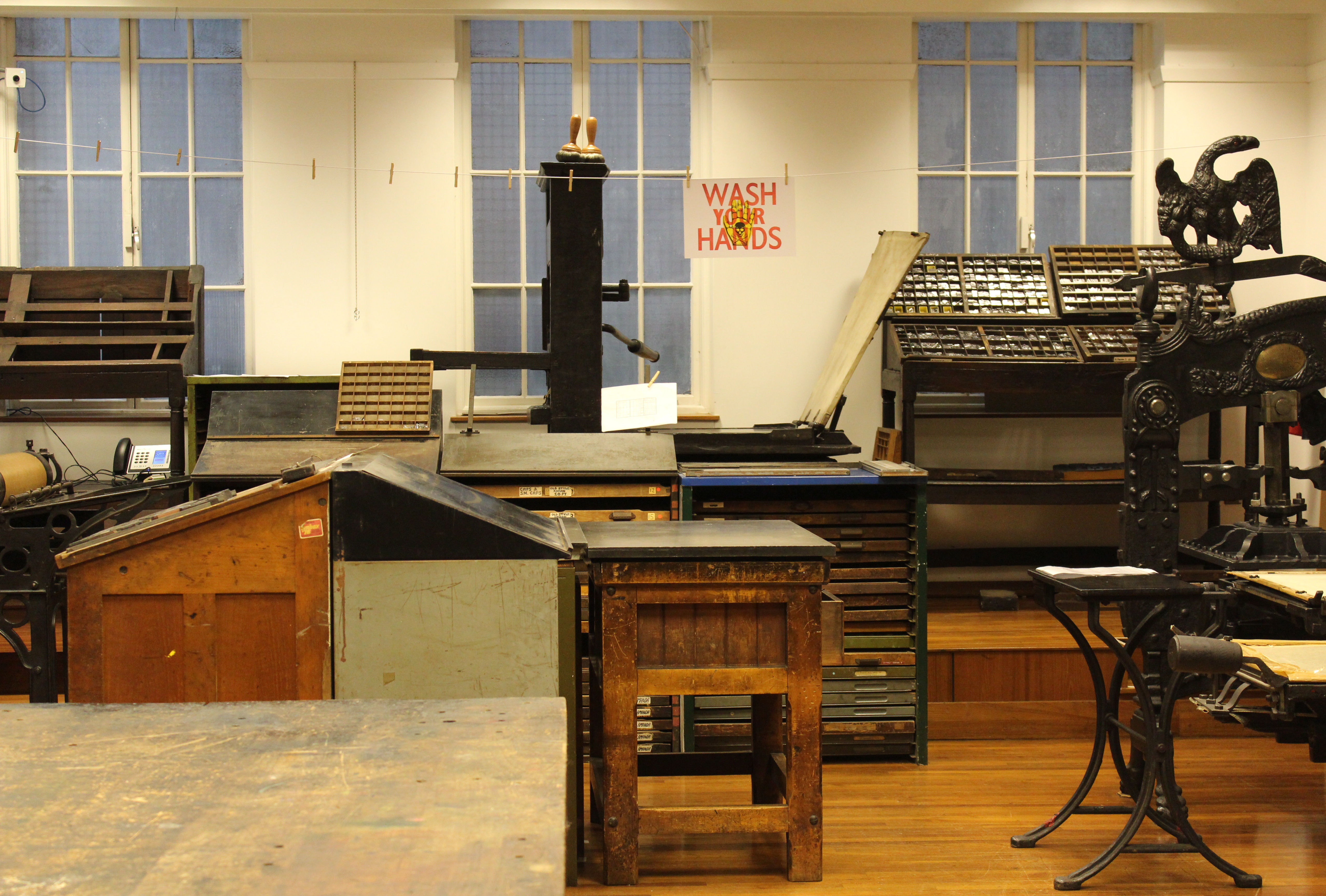
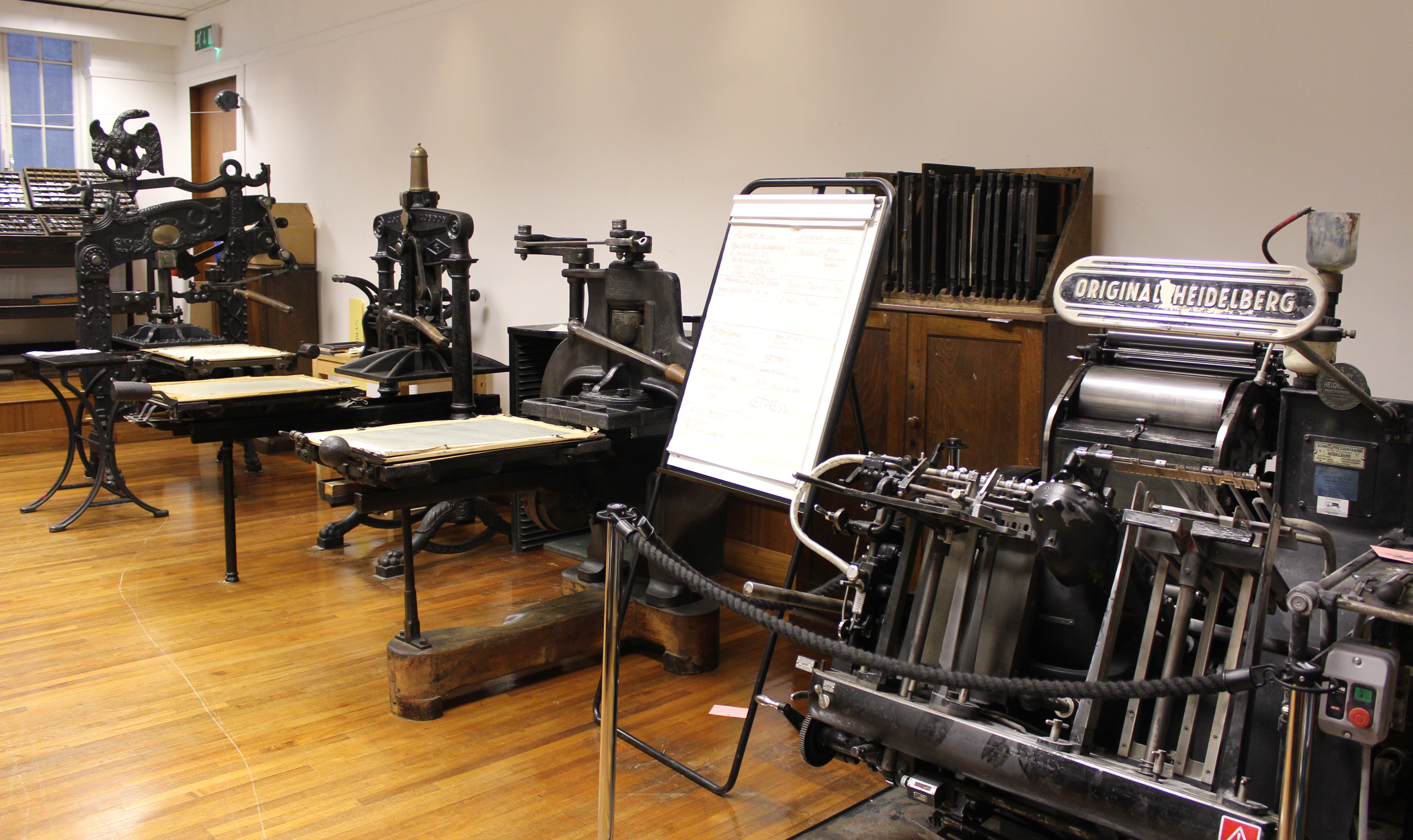
As the door to today’s print workshop opens, you are swiftly transported back to the days of the dominance of the printing presses via the strong smell of ink that permeates the space. This is a most atmospheric place – once the Foundation’s gymnasium – with its old presses lining the room. The oldest is a Common Press machine, whose frame possibly dates back as far as the 16th century. A compositor’s case from Oxford University Press in the corner dates from 1668, the extensions attached to its legs a testament to the ever-growing height of the human race.

IMG_9695

Classes in traditional printing techniques are held regularly in this room, including in letterpress (Monday nights), wood engraving (Thursday nights) and the Adana platen press. The Saint Bride Foundation Institute Printing School later evolved into the London College of Printing, now the London College of Communication – today its students return to St Bride to learn the traditional forms.
IMG_9724

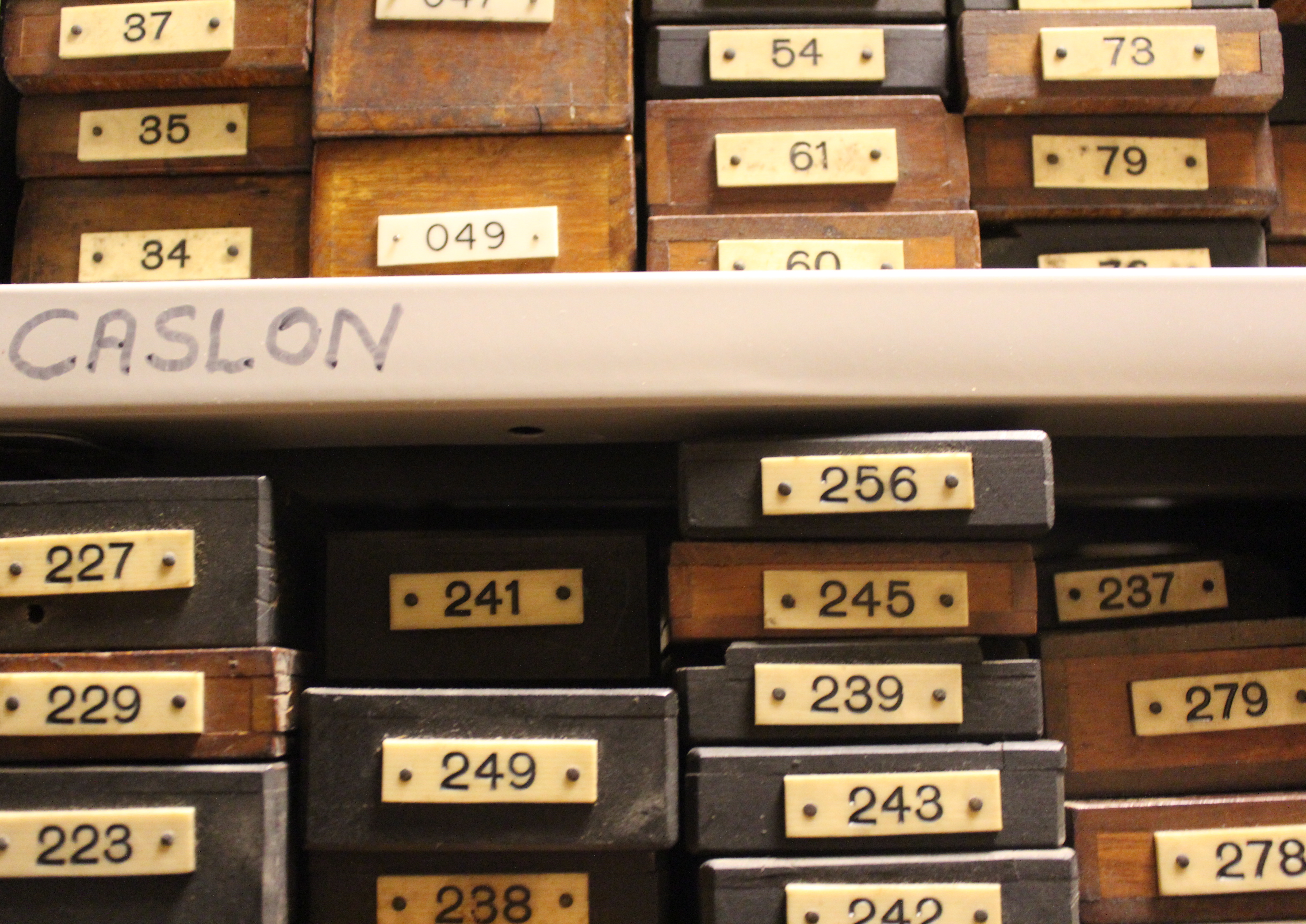
Upstairs, the St Bride Library’s storage area is a treasure trove of printing goodness. Surprisingly beautiful wood blocks and the Caslon Collection of type punches share shelf space with broadsheets, books and journals. The Library holds over 50,000 books, and specialises in printing, graphic arts and related fields. They also have a strong events programme. The Library’s small reading room, once the lithographic printing room, is open to the public each Wednesday, and individual appointments can be arranged on Tuesdays and Thursdays.
IMG_9775

A number of other rooms – including the lovely old Printing Library – are now available for events and conferences. Bridewell Theatre was built over the swimming pool – believed to be the first public pool in the area – which remains in situ today underneath the wooden flooring. Its towel laundry was converted into the bar. Other such transformations continue apace today, with a new book binding workshop and exhibition space currently being created near the print workshop.
IMG_9763

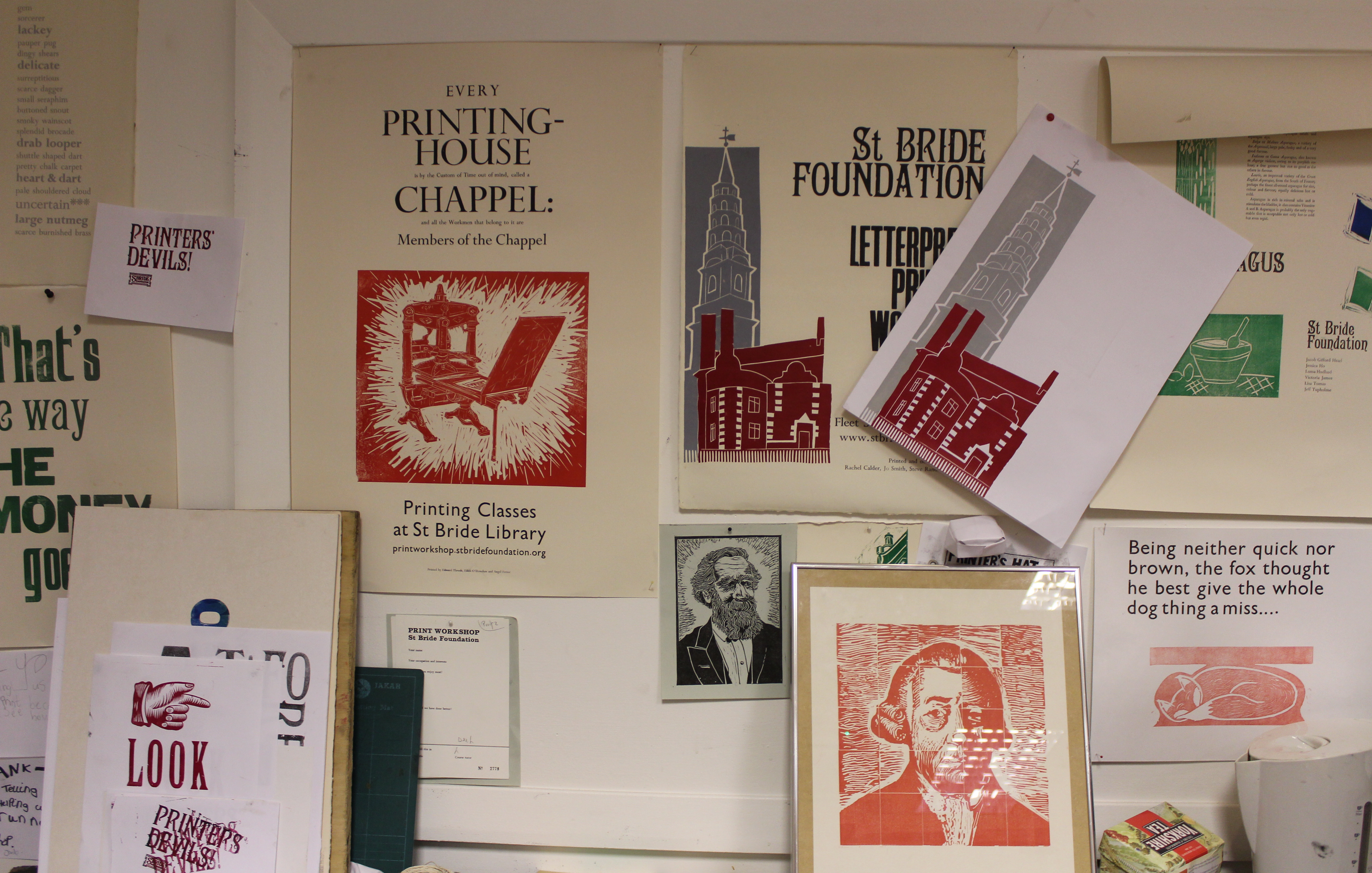
Guided tours of the Print Workshop and other parts of the Foundation are run on request on weekdays from 9am-5pm and cost £5; please book in advance for groups. Contact 020 7353 3331 or info@stbridefoundation.org

http://www.sbf.org.uk/

IMG_9766

IMG_9640

Painted Hall conservation tours

IMG_9448_2

Last week the Londonphile had a superb day out getting up close and personal to the Old Royal Naval College’s Painted Hall. Right now this Baroque gem is getting a bit of a clean-up, with conservators tackling 50-plus years of accumulated grime. They’re working on the west wall first, with a deadline of the end of April. So while normal visitors to the Painted Hall will find that area covered over (with a very realistic-looking copy of the painting), those booked onto the conservation tours the ORNC is currently running can go behind the scenes, meet the conservators and get a truly bird’s eye view of James Thornhill’s masterpiece.

IMG_9562_2

The Painted Hall was designed by Wren and Hawksmoor in 1698 and was originally intended to be a dining room for the naval veterans who lived here at the Royal Hospital for Seamen. Thornhill took a staggering 19 years to complete the elaborate painting of its interior. It was soon decided that the hall was much too grand for its original purpose and it quickly turned into one of London’s first paying tourist attractions. Today you can visit the hall for free – and I personally believe that it is one of London’s most under-appreciated gems.

IMG_9494

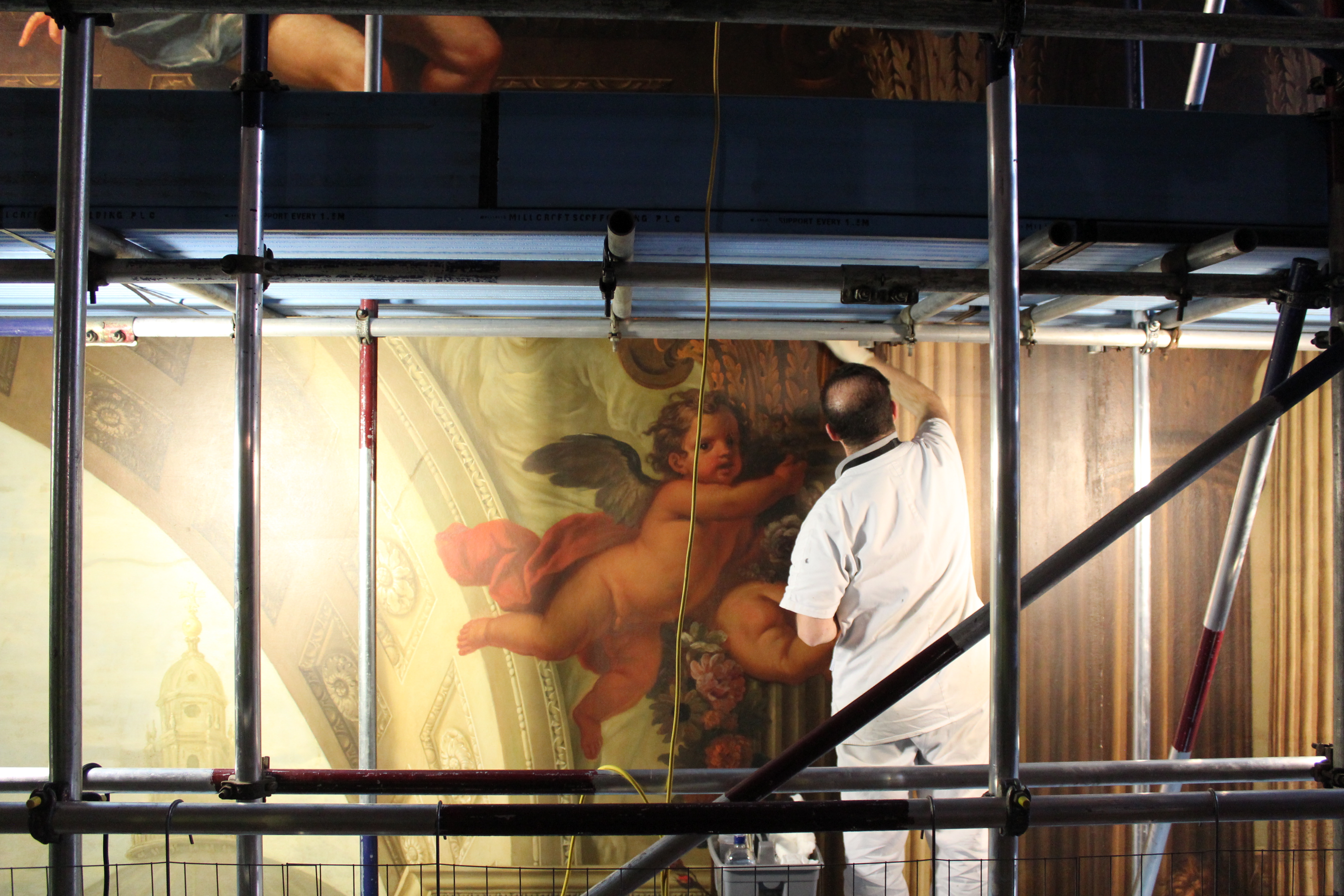
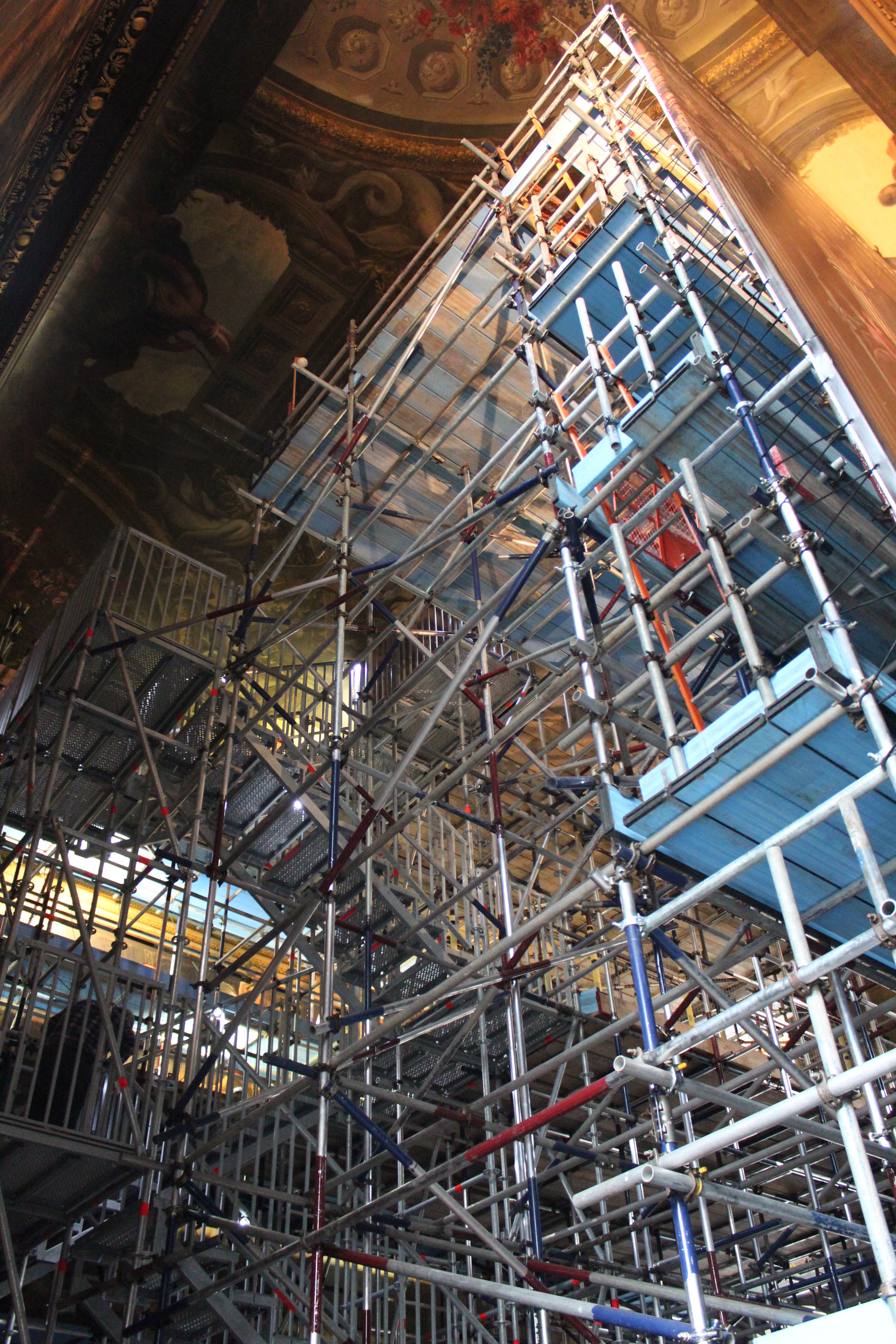
Stepping behind the cover hiding the west wall on a Meet the Conservators tour, you first encounter the very large – and high – scaffolding which the conservators are using to restore this massive work. Work began on December 3rd – this is actually the tenth restoration of the hall, the first being just five years after it originally opened. The most recent restoration was undertaken in 1957 and saw 15 layers of varnish removed. The work was conducted to such a high quality that the thinly-applied varnish layer from that time will now be retained, while a thorough cleaning is undertaken, primarily using cotton wool swabs and water.

IMG_9488

It’s quite a thing to ascend the scaffolding and see the west wall up close. We first climbed six metres to the first visitor viewing platform, where we had a talk from a conservator and watched another at work at close hand. We then moved to the second platform, at ten metres high, which was almost within touching distance of the Painted Hall’s ceiling (see below). These tours provide such a unique opportunity – it’s hard to imagine when visitors will have another chance to see the hall from such a viewpoint. And they’re free!

IMG_9528

This is the first phase of the restoration only, with the hall’s main ceiling the next major area in line for a clean-up. So far the process has discovered all manner of dirt attached to the walls, including various pollutants, grease, dust, debris – and even some gravy. Ultimately, a new lighting scheme will also be installed in the hall, enabling a clearer view of Thornhill’s work. In the meantime, the ORNC is offering three types of conservation on selected dates until mid-April – Meet the Conservators (Fridays), Open Scaffolding Sessions (Tuesdays and Thursdays), and Conservation in Action (Saturdays and Sundays). All are free but require pre-booking on 020 8269 4799 or via boxoffice@ornc.org 

IMG_9506

Old Royal Naval College

Painted Hall

IMG_9556

IMG_9475

19 Princelet Street

IMG_8875

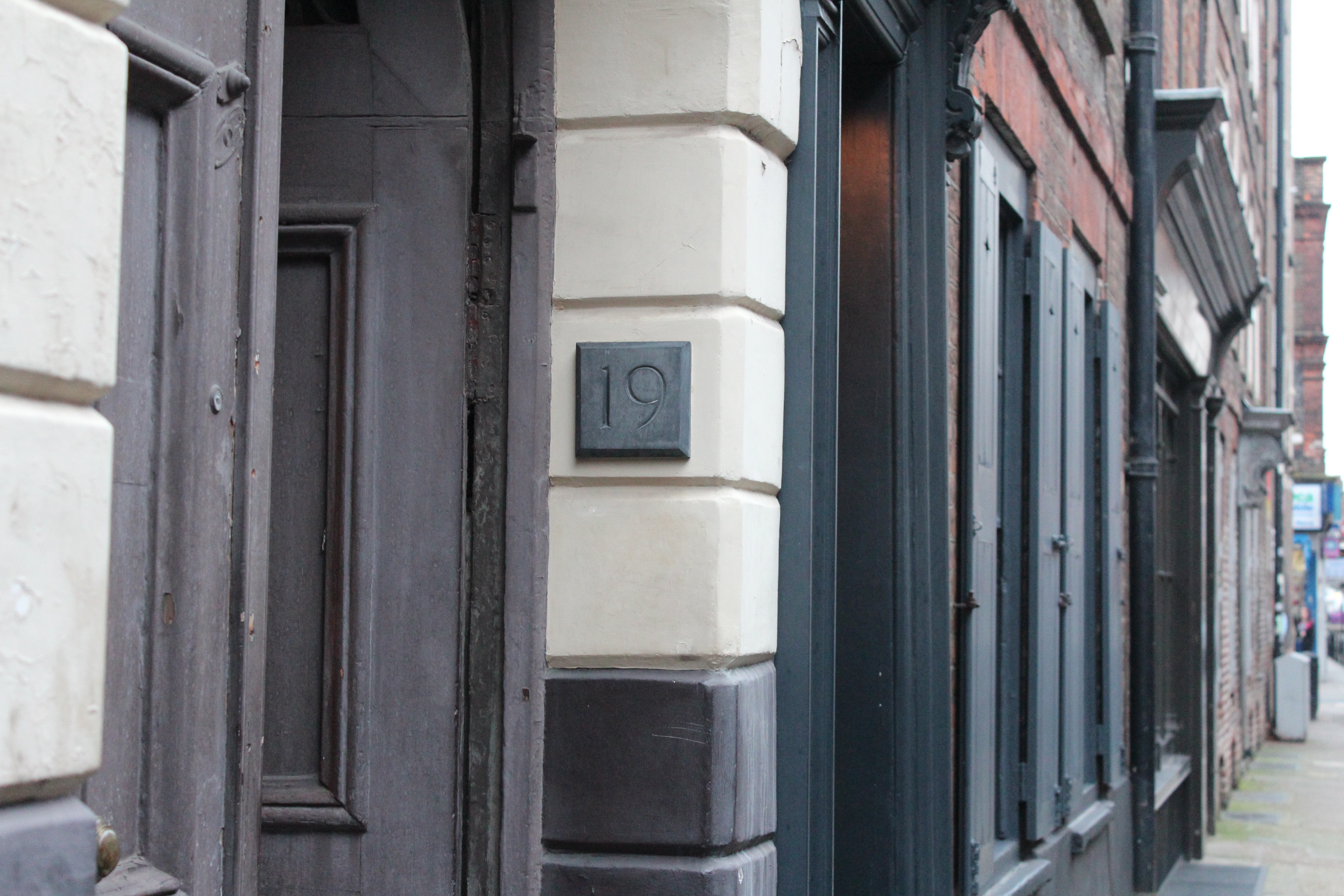
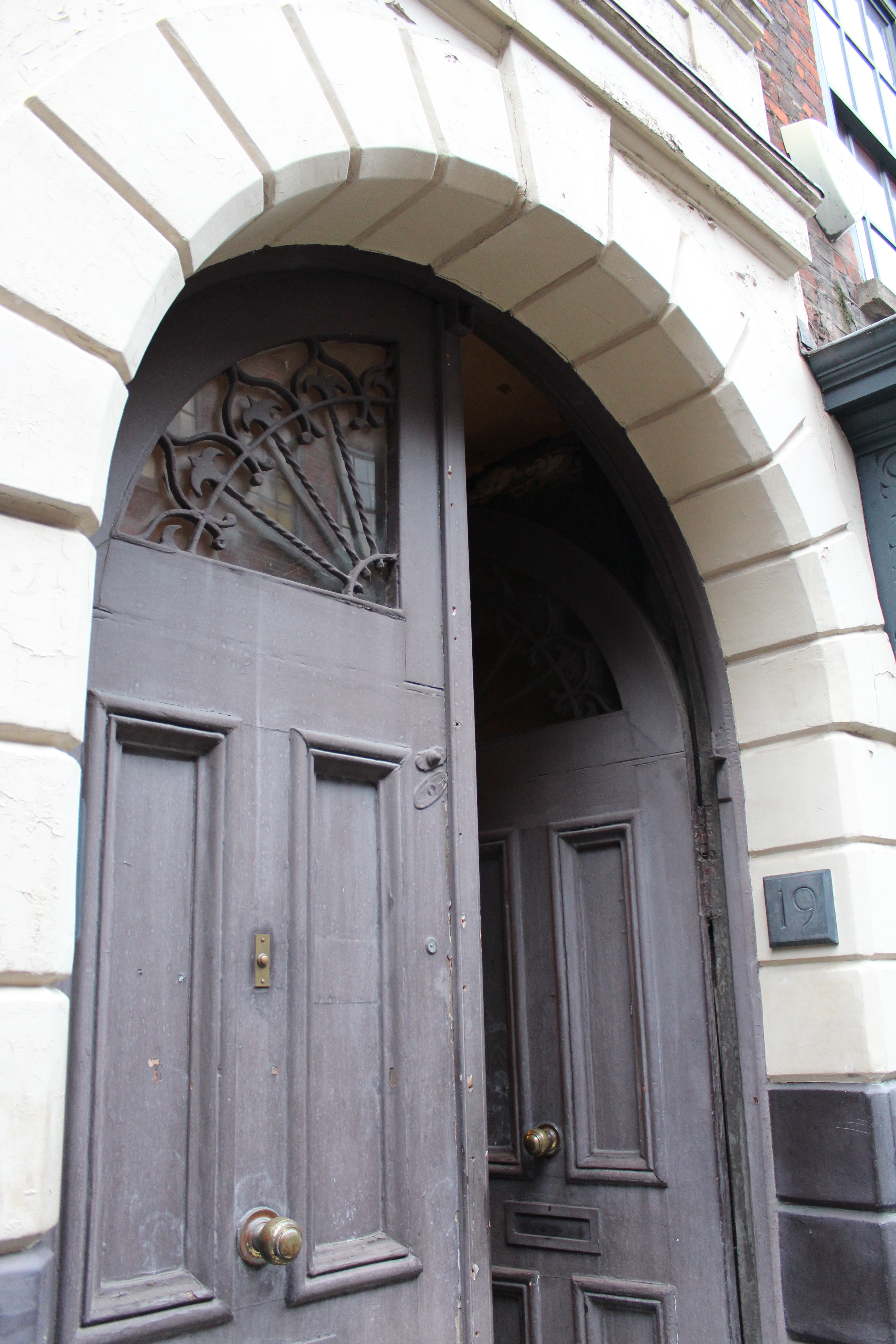
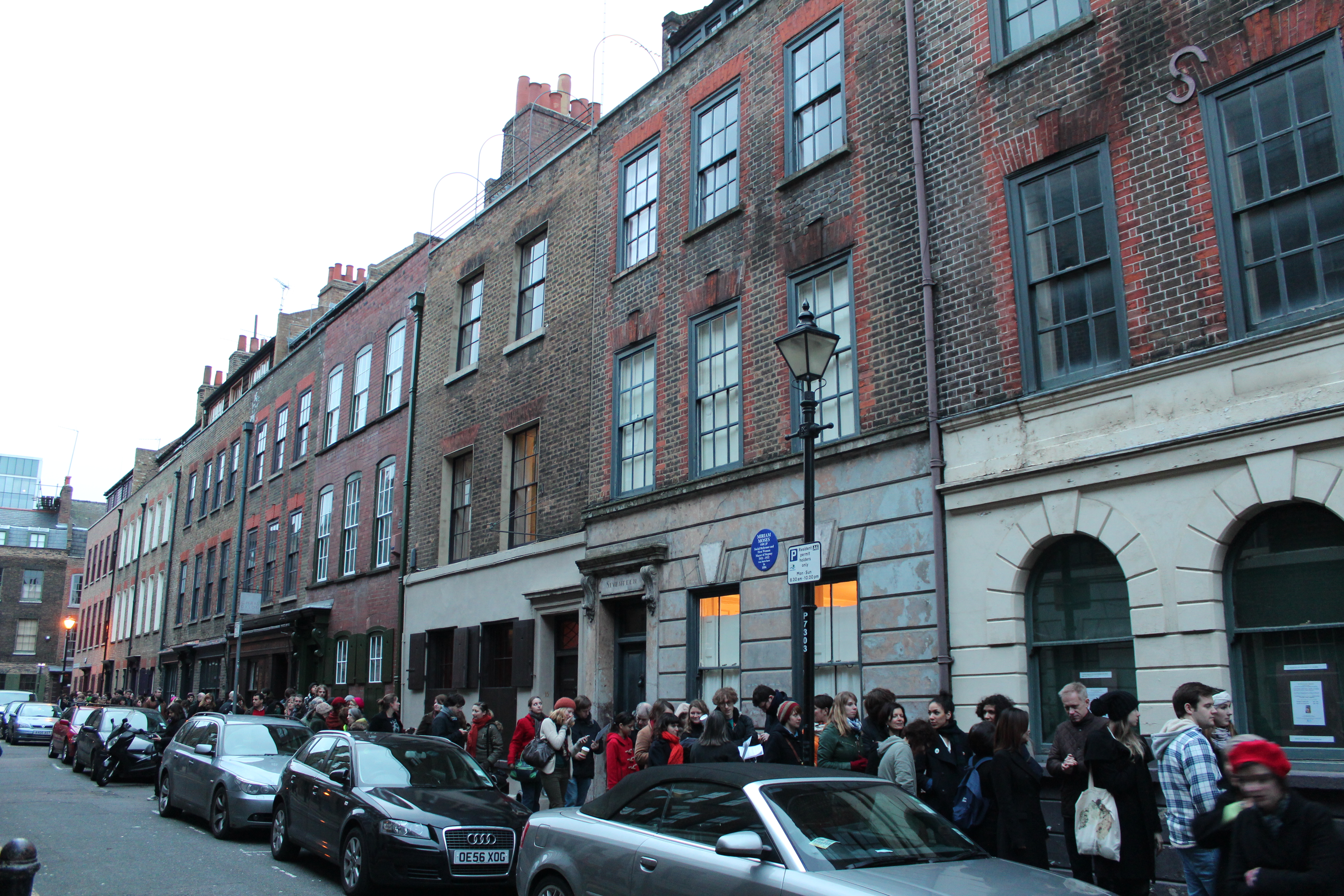
19 Princelet Street seems a fitting place for an immigration museum given its layers of history that follow patterns of immigration in the local area. Last week the house held two rare open days – due to its fragile nature it is not yet able to be open to the public on a more regular basis. Funding is desperately required for repairs to the Grade II listed property so that its Museum of Immigration and Diversity can be fully realised. The Londonphile attended the second opening, and the queue stretching all the way back to Wilkes Street would suggest that number 19 has a bright future.

IMG_8889

Originally built in 1719, this five-storey building was home to the Ogier family, French Huguenot silk weavers. A metal bobbin hangs outside the building today as a lasting reminder of the weavers’ presence in the house. After a number of years housing various workshops and lodgings, 19 Princelet Street underwent its most significant change with the building of a synagogue in 1870 by a group of mainly Polish Jews, working together under the banner of ‘Loyal United Friends Friendly Society’ to create a community centre. While the synagogue now comprises the major part of the building, this part of the structure was in fact where the Ogiers’ garden once stood.

IMG_8859

Metal vents in the synagogue floor allow glimpses down to the meeting room built below the synagogue – this downstairs area was also open, along with a kitchen underneath the original house. Upstairs we had access to some of the the women’s gallery in the synagogue, with its lovely views across the space. The floor above that was closed to visitors but now functions as a staff area, while the attic room of mysterious scholar/recluse David Rodinsky – made famous by artist Rachel Lichtenstein’s 1999 book Rodinsky’s Room – is well out of bounds due to structural issues. One of the volunteers told me she had been involved with the charity for ten years and still hadn’t seen it.

IMG_8880

Due to the property’s no-photography rule you will have to imagine the crumbling beauty of its interior for yourself. But it is beautiful, and hopefully the Spitalfields Centre charity will be able to generate the funds needed to preserve and restore this lovely building and turn it into the museum of their vision.

And the best news is that more open days are already planned for March 2013: on Sundays 17th & 24th March, 2-4pm, and what is sure to be a lovely evening opening on Thursday 21st March, 5-8pm. For more details visit 19 Princelet Street’s website.

IMG_8893

IMG_8835

City views

IMG_7892

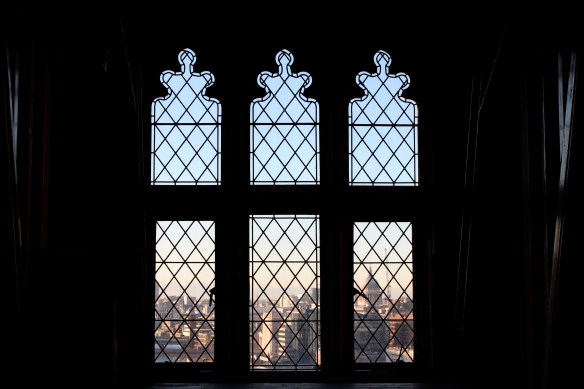
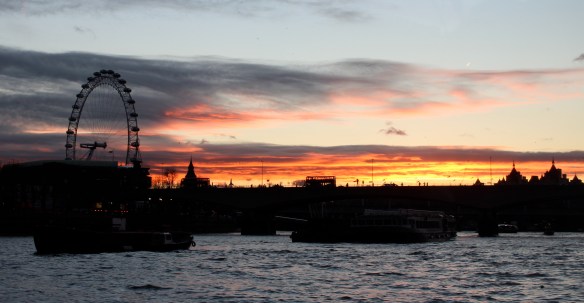
For the Londonphile’s Christmas special this year I will share with you some photos of our pretty city. These were the result of a super day out for bloggers organised by the good folks at the City of London. We lucky participants gained access to one of the turrets on Tower Bridge and down into its bascule chambers, and took a trip along the Thames at sunset in a London Port Authority Boat, amongst other treats.

IMG_7898

Tower Bridge’s turrets are located just above its walkways – and while the former are not accessible to the public the latter can be visited as part of the Tower Bridge Exhibition. We visited the northern turret, whose narrow ledges are accessed via a number of tiny doors on each side of the small room seen above. While the views are quite literally breathtaking, they are certainly not for the faint-hearted – the only barriers being the turret wall and an iron post in the crenel (the photo below gives you some idea of the set up). Given my former fear of heights these photos are nothing short of miraculous!

IMG_7844

While the views from Tower Bridge’s walkways are similar, I’d have to say that those from the turrets are superior, especially as they afford more side views from the bridge. However the good news is that your viewing pleasure will be vastly improved in 2014 with the addition of glass flooring in the walkways – something that IanVisits has written about in more detail here. This innovation will enable visitors to look down upon the bridge itself and to view the bridge lifts from above. Those less fond of heights will be relieved to hear that the entire floor will not be made of glass – there will be a narrow strip of glass flooring only, so that people can still walk across a non-transparent surface should they prefer.

IMG_7882

We were also taken down to visit Tower Bridge’s huge bascule chambers underneath the river bed – where the counterweights that balance the bridge swing down when the bascules are opened. I’ve written about these previously after taking one of the bridge’s excellent Engineering Tours. Tours for early next year are almost fully subscribed so you’ll need to be very quick to get on one of those – otherwise if you can get together a group of at least six people you can book a behind-the-scenes private tour of these subterranean areas for £29 per person.

IMG_7981

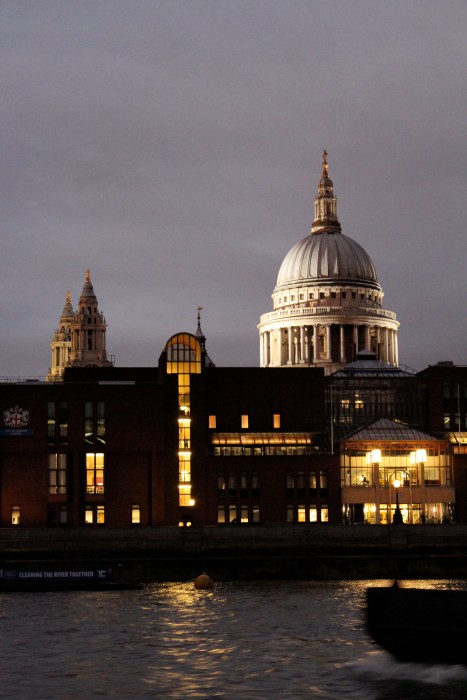
While there is no way for the public to organise outings on a London Port Authority Boat – from which the rest of these photographs were taken – I would highly recommend a trip on the Thames Clippers to those looking for a cheap and easy way to access London’s spectacular river views. The bridges are looking particularly special now at night with the coloured lighting. The clippers have an outside deck area from which you can take photographs, but you may want to avoid peak hour as people do use the service to commute.

IMG_8058

The Londonphile is on holiday until the second week of January – wishing you all a fabulous festive season!

IMG_8067

IMG_7979

IMG_8033

Eel Pie Island

IMG_8291

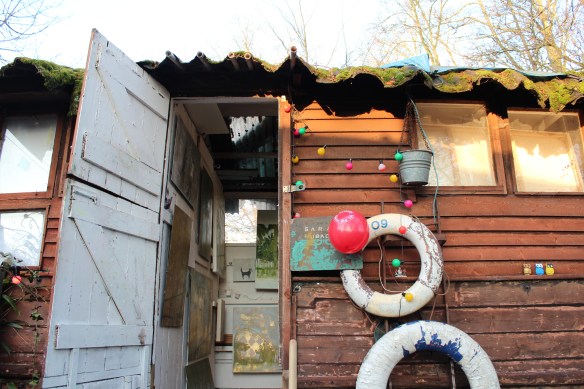
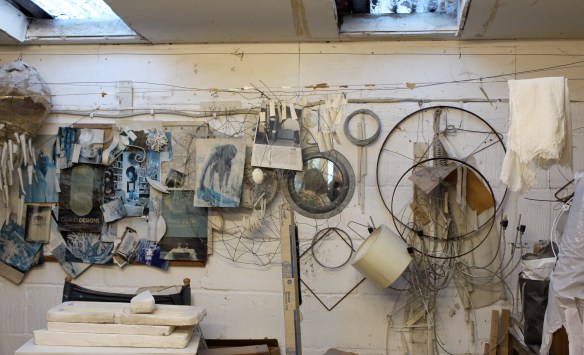
Just twice a year Twickenham’s Eel Pie Island opens its doors to the general public when the normally private island holds open studio weekends for its artists. I availed myself of the the opportunity to visit last weekend for the pre-Christmas opening and crossed the bridge to this most exclusive island, which boasts 26 artists’ studios, only 50 or so houses and around 120 residents.

IMG_8176

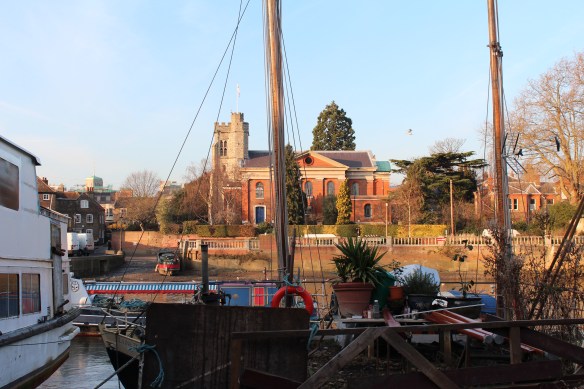
It’s thought that the island was originally in three parts and may have once been connected to Twickenham by a prehistoric causeway. The footbridge which now connects the island to the mainland was only built in 1957. Once across and on dry land again, one main walkway (pictured above) runs much of the length of this very narrow island, with houses, studios and boathouses along either side. Housing styles vary immensely – from the cute and rustic to the surprisingly modern – and there was even a new house in the process of construction and one to let in case you’re tempted to move in. Despite its extremely narrow nature, views were only available back across the Twickenham side of the river (see below) during the open studios as private houses line the other side.

IMG_8215

Eel Pie Island has a long history as a place of leisure and entertainment – its name derives from the pies once served there to visiting boating parties and day trippers. Sadly this taste sensation died out on the island along with its eel population. The Eel Pie Island Hotel was long a top musical destination – particularly for jazz and blues – and also saw one David Jones play there before metamorphosing into David Bowie. The hotel closed in 1967 when the owner was unable to afford necessary repairs – squatters moved in and it has been claimed that by 1970 it had become the largest hippie commune in the UK. The hotel burnt down in mysterious circumstances in 1971 while it was being demolished.

IMG_8188

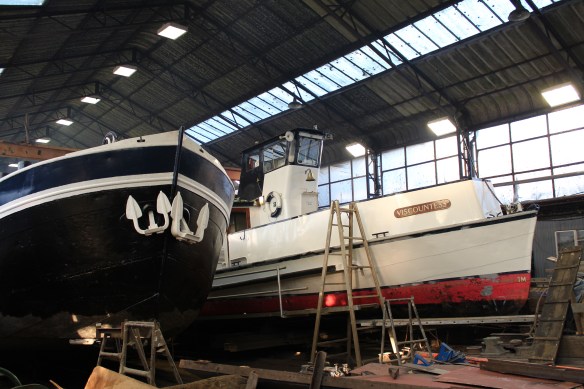
The island is also home to both the Richmond Yacht Club and the Twickenham Rowing Club as well as working boatyards. In keeping with this boating theme, several of the artists studios are housed in old boats, including one with a fantastic roof terrace composed of the old ship’s deck. There are nature reserves at both ends of the island, including a bird sanctuary, but these are not accessible to the public.

IMG_8308

Open Studios events are held twice a year, generally once in summer and in the lead up to Christmas. Keep an eye on the Eel Pie Island Artists website for future events. They’re free but do bring some cash as the artists don’t have credit/debit card facilities.

For more historical detail and images see Twickenham Museum’s Eel Pie Island page.

2013 update: another open weekend will be held on Saturday 22nd & Sunday 23rd June from 11am until 6pm.

IMG_8179

IMG_8202

IMG_8191

IMG_8300

St Bride’s Church

IMG_8276

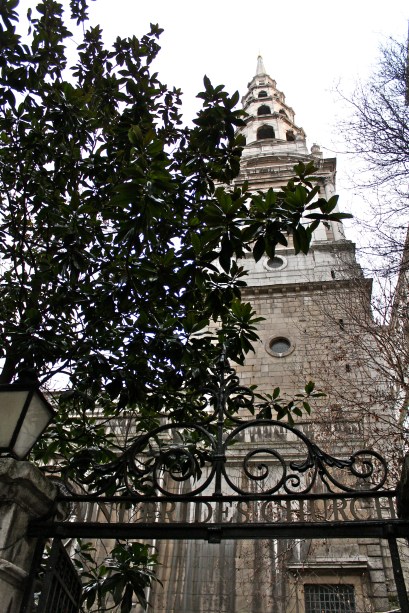
St Bride’s Church – arguably best known for its wedding cake spire – is a place brimming with history – and even a rather gruesome surprise or two. There have been eight places of worship (the earliest dating from Roman times) in total on St Bride’s Fleet Street site – a location that has also made it the journalists’ church of choice; today it features an altar to fallen reporters. But 1,000 years of its history was hidden away underground until the Blitz unearthed St Bride’s secrets.

IMG_7663

St Bride’s was amongst a number of City churches that were destroyed in the 1666 Great Fire and rebuilt by Wren only to be destroyed again during the Second World War. But these bombs did indeed have a silver lining of sorts, as they exposed the crypts that had long lain beneath the church. Sealed up after parliament decreed there were to be no more burials in the City, this underground area was revealed to contain seven crypts, a medieval chapel, two charnel houses, and loads of bodies – many dating from the Great Plague of 1665 and the 1854 cholera epidemic.

IMG_8304

You can visit St Bride’s and most of its crypts any day of the week, but to get the full picture of its history – and full access to its underground areas – take one of their regular guided tours. These 1.5 hour tours are the only way to access St Bride’s rather ghoulish – and absolutely fascinating – charnel house and ossuary. A narrow passage past a rather prosaic kitchen and storage area leads you to these unusual last resting places.

IMG_7674

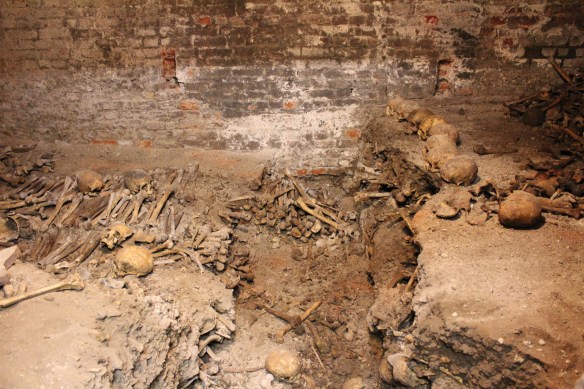
The medieval charnel house (pictured above) features literally piles of bones buried on top of one another in an unusual chequerboard pattern – and I’m told it goes much deeper than what is currently visible. The ossuary is decidedly more organised and contains the remains of 227 individuals all neatly packed away in numbered cardboard boxes. The bones were identified by their coffin plates – some of which can also be seen in the ossuary. Names and other data, such as cause of death, have been systematically recorded, along with drawings of each bone.

I managed to catch the last tour for 2012, but they start up again on Tuesday 8th January, and then run each fortnight at 3pm, £6 each. You can book in advance on 020 7427 0133 or info@stbrides.com or just turn up on the day.

http://www.stbrides.com/visit/guided-tours.php

IMG_7680

The view from Richmond Hill

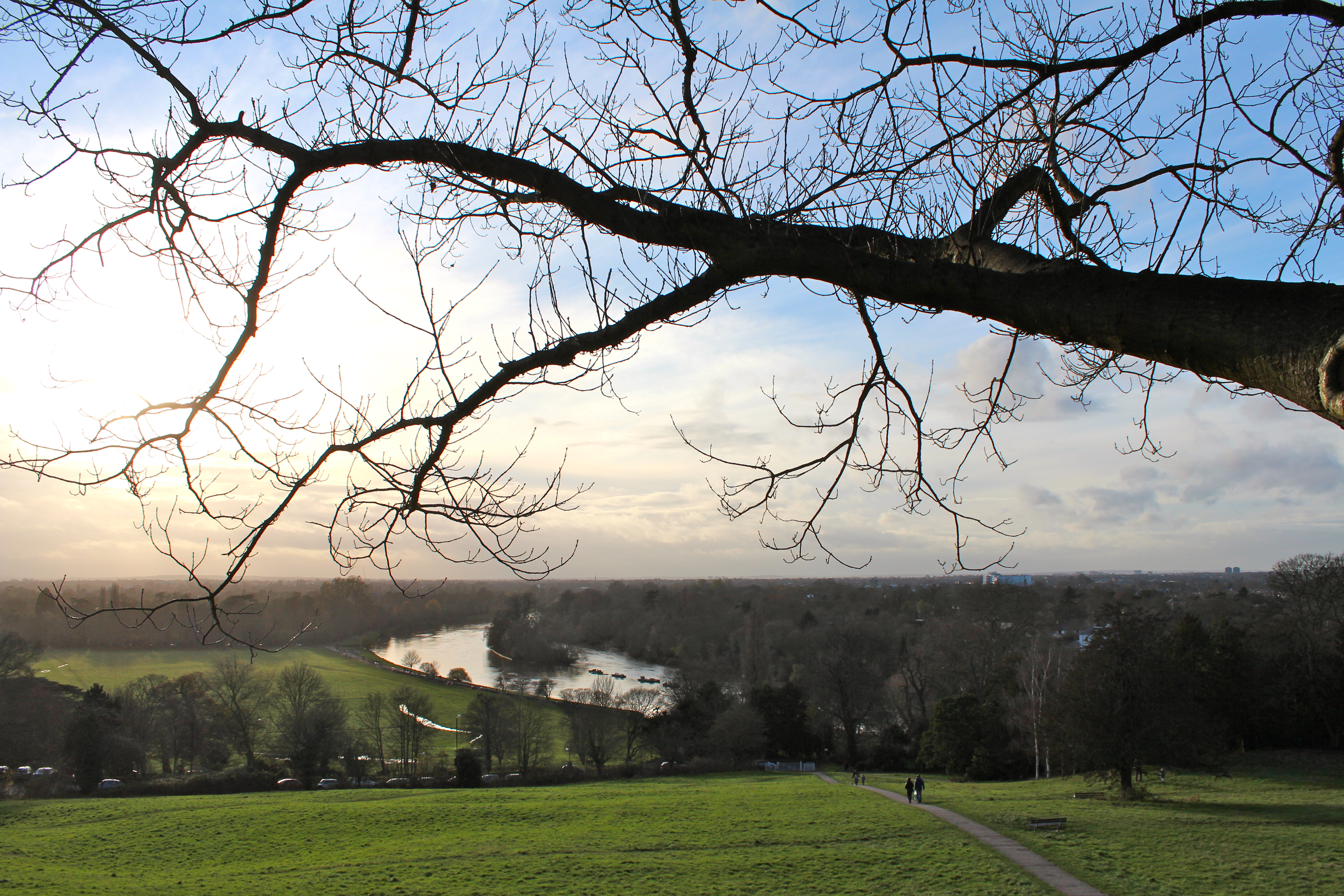
If you had to guess the location of the only view in England that’s protected by an Act of Parliament, somewhere in the Lake District would possibly spring to mind, or perhaps the white cliffs of Dover. In fact it’s right here in London – the view from Richmond Hill. Sir Walter Scott (Heart of Midlothian) and Wordsworth (Sonnet June 1820) wrote about it, and Reynolds and Turner painted it. The view from the hill looks up the Thames towards Twickenham, and includes tiny Glover’s Island. And all to be found in zone four no less!

Turner – who lived nearby at Sandycoombe Lodge for a number of years – returned to this theme time and time again. A number of his paintings and numerous sketches show this view, or views of Richmond Hill itself – many of which can be easily viewed in digital format here on Tate Britain’s website. Reynolds lived on Richmond Hill itself – his 1788 work The Thames from Richmond Hill, can be seen here.

My photographs of the view were taken from the top of Terrace Gardens, which itself is also Grade II* listed and is on land that was originally three large private estates. The local authorities had been buying up various properties – including Glover’s Island – over the years in order to preserve and protect this area and its view. The view from Richmond Hill was officially protected in 1902 by an Act of Parliament known as the Richmond, Ham and Petersham Open Spaces Act. The National Trust took over the protection of the Petersham Meadows (at the bottom of the hill, on the left of these photographs) – and its languidly grazing cattle – in 2010.

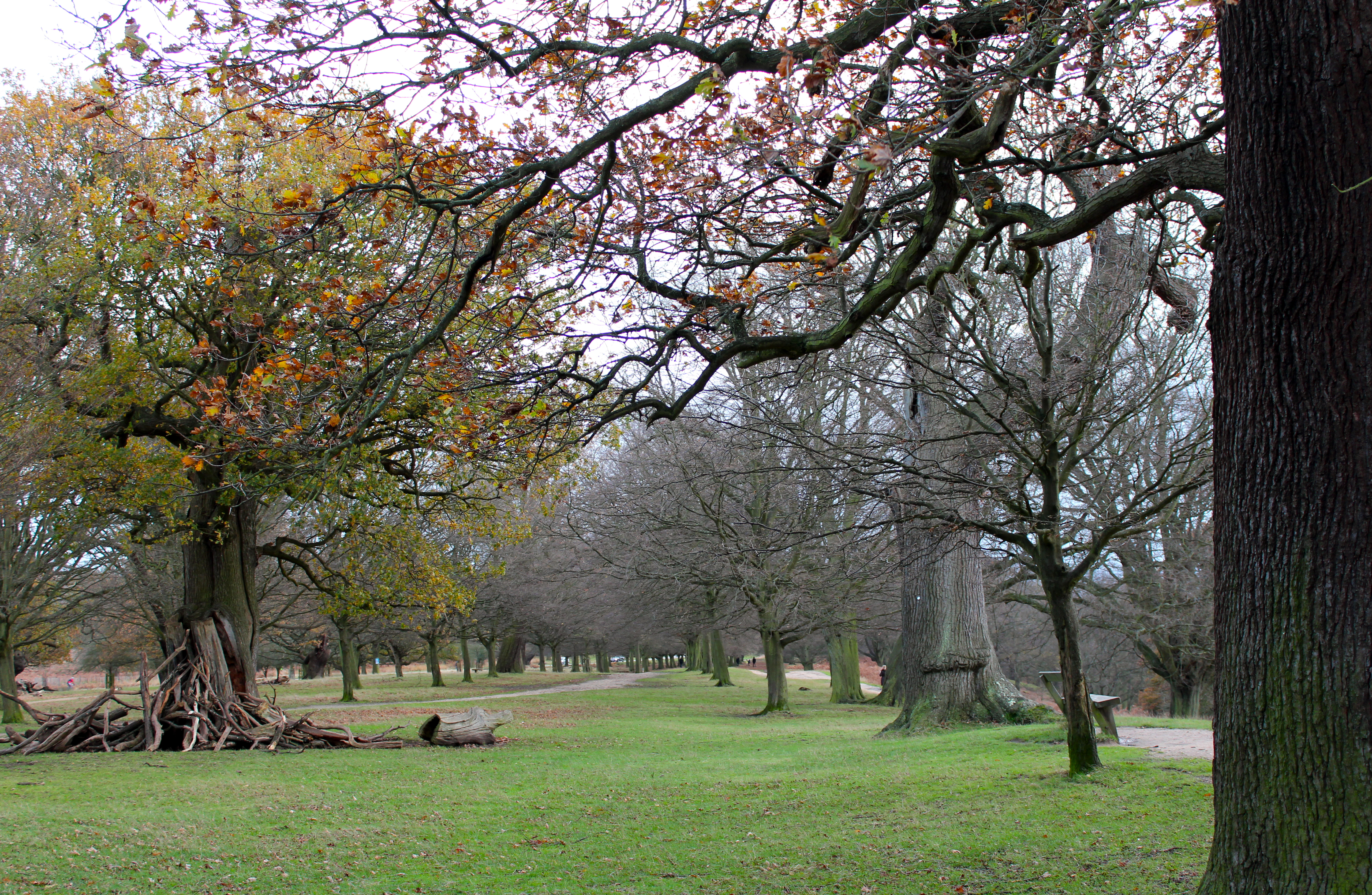
Nearby: You are indeed spoilt for choice in Richmond and surrounds. Next to Richmond Hill is the lovely Richmond Park (pictured below), where you can watch wild deer roam and take tea in Bertrand Russell’s childhood home, Pembroke Lodge. Turner’s old house, Sandycoombe Lodge, will re-open for visits on the first Saturday of the month in April 2013. Nearby grand houses include Ham House (open some weekends in winter) and Marble Hill House (closed until late March 2013, but you can still visit its grounds and grotto).

Update: Written in Soap

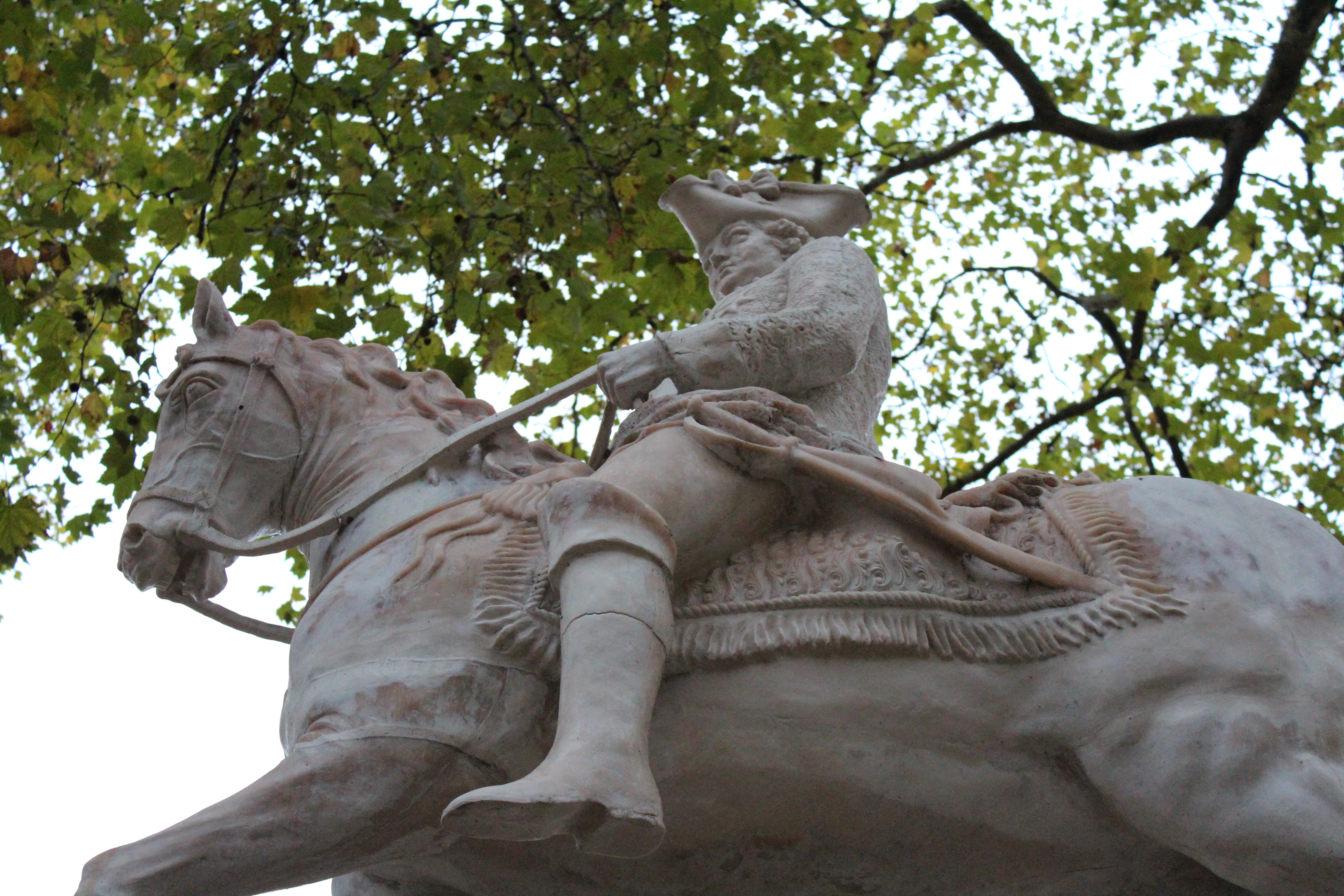
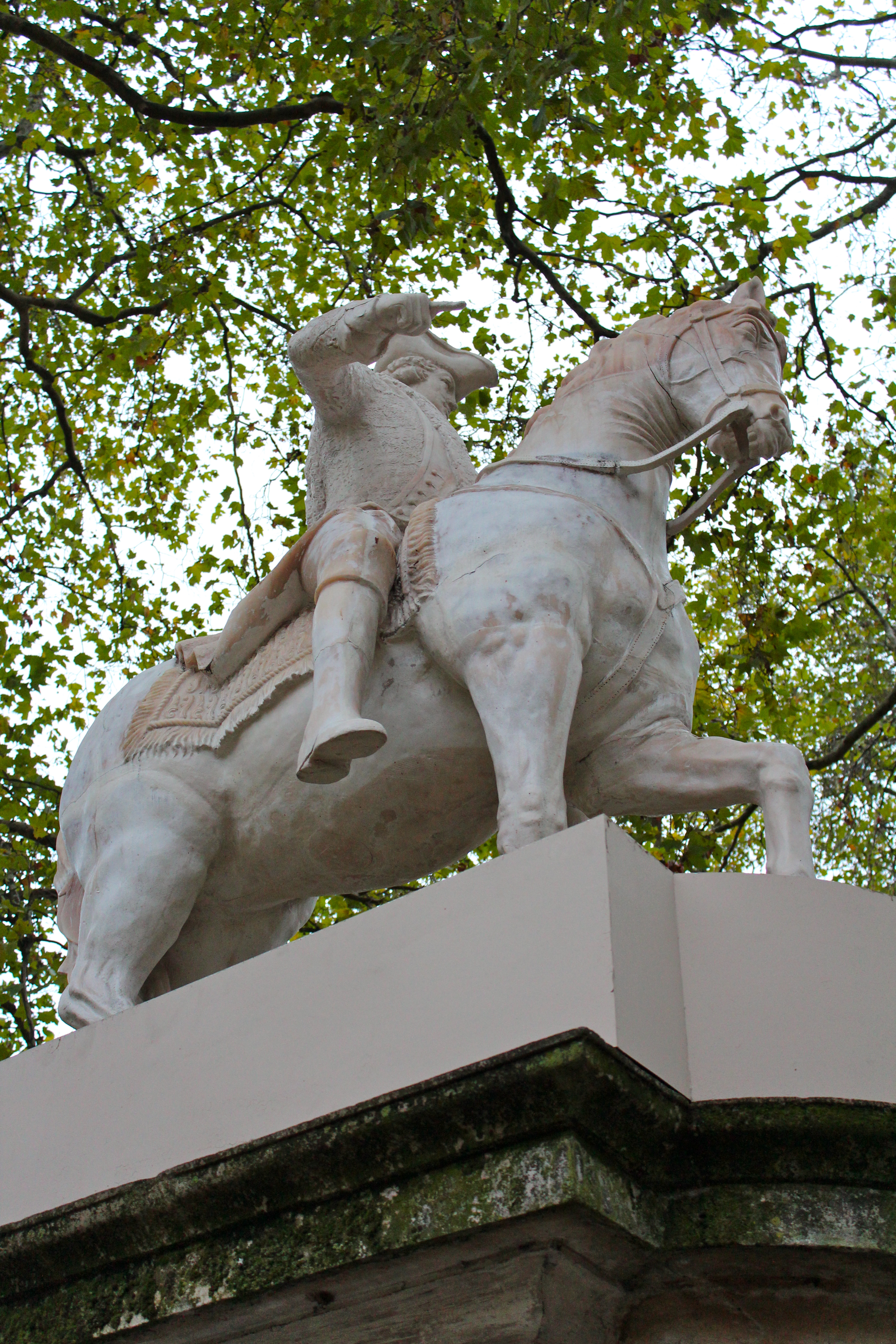
Given that it’s now over three months (yes, a quarter of a year, where did it go?) – and we’ve had some pretty inclement weather in that time – I thought it was high time I made good on my promise to keep you updated on the progress of the soap statue in Cavendish Square. To briefly recap, artist Meekyoung Shin created a statue made from soap of the rather unpopular Duke of Cumberland – to fill the plinth that has stood empty in the square since the original was removed in 1868.

Before

After

Shin’s piece was unveiled back in July and will be on display until 30 June 2013, weathering whatever nature throws at in in the meantime. You can probably imagine my surprise when on approaching the statue there at first appeared to be no change at all. A closer inspection, however, revealed some extra cracking along the hind and one of the hind legs – some cracking was already present when I visited in August. Part of the soap is breaking up around the top of the tail – probably the most obvious new sign of decay – and there are a couple of darker marks elsewhere that might be parts of the underlying metal base showing through.

But all in all horse and rider are in excellent condition considering. The mottling of the colour was already present on my first visit and is probably due to the nature of the soap itself. The major difference to report is that a sign has since been placed next to the statue, explaining the project. This actually constitues a significant improvement, as due to its realistic appearance many visitors to the square seemed unaware of the unusual nature of the statue in their midst.

You can view my original post about Written in Soap here.

Read more about the project at: http://www.writteninsoap.com/

Horrorgami

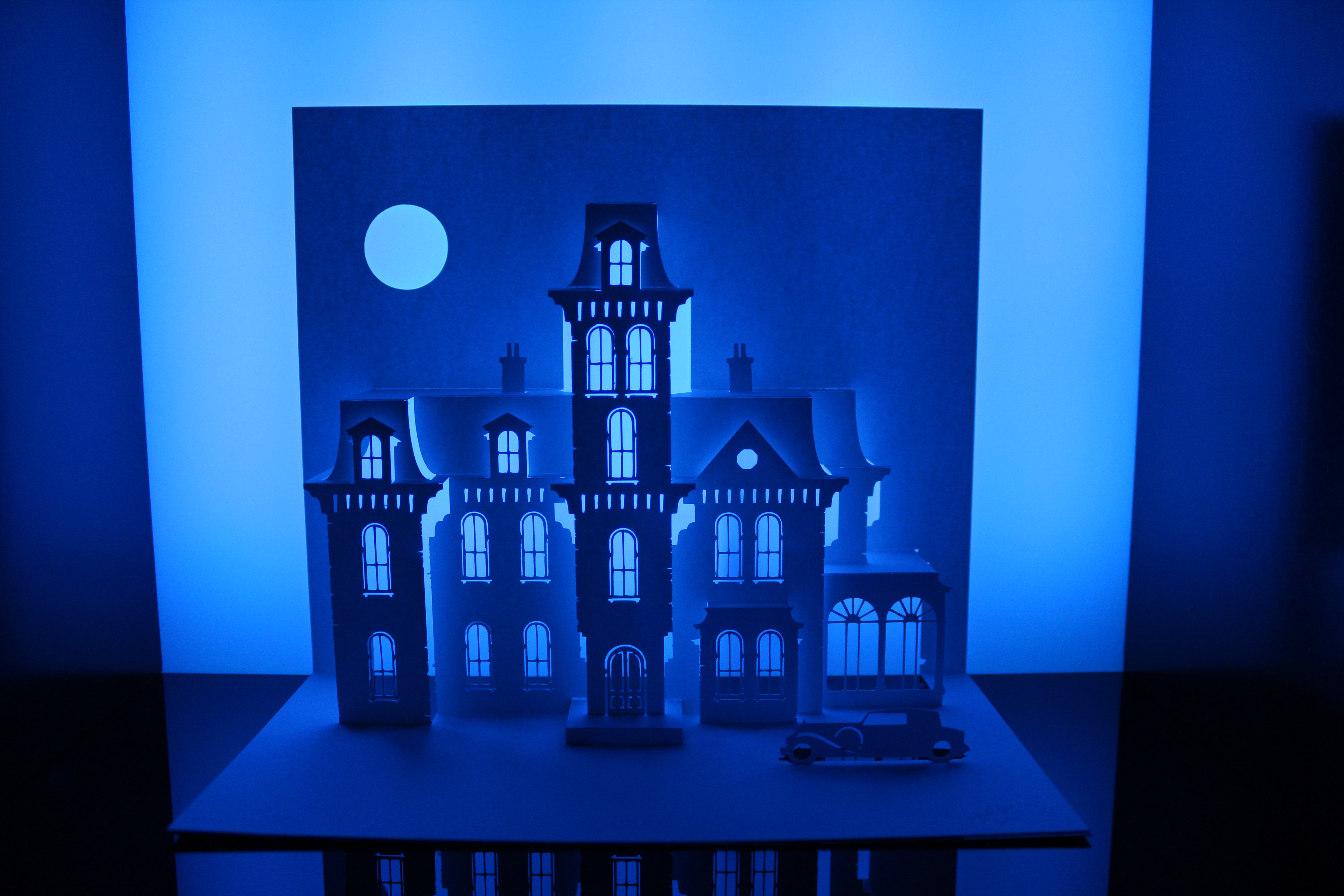
Marc Hagan-Guirey’s Horrorgami certainly seems to be the flavour of the moment with London’s art lovers – if the numbers visiting last Sunday were anything to go by. Hagan-Guirey’s own specialist blend of the Japanese art of kirigami (think origami with scissors) with the horror films that were so influential on him as a child – resulting in ‘horrorgami’ – has also generated a unique exhibition featuring intricate paper models of iconic buildings from the genre.

London-based Hagan-Guirey’s first foray into horrorgami occurred when he built a model of Frank Lloyd Wright’s Ennis House as a thank-you gift for a friend who organised a visit to the innovative, concrete Californian house. Ennis House was also the setting for House on Haunted Hill – and when the next model he produced was the Addams Family Mansion, Hagan-Guirey realised he had something of a theme going.

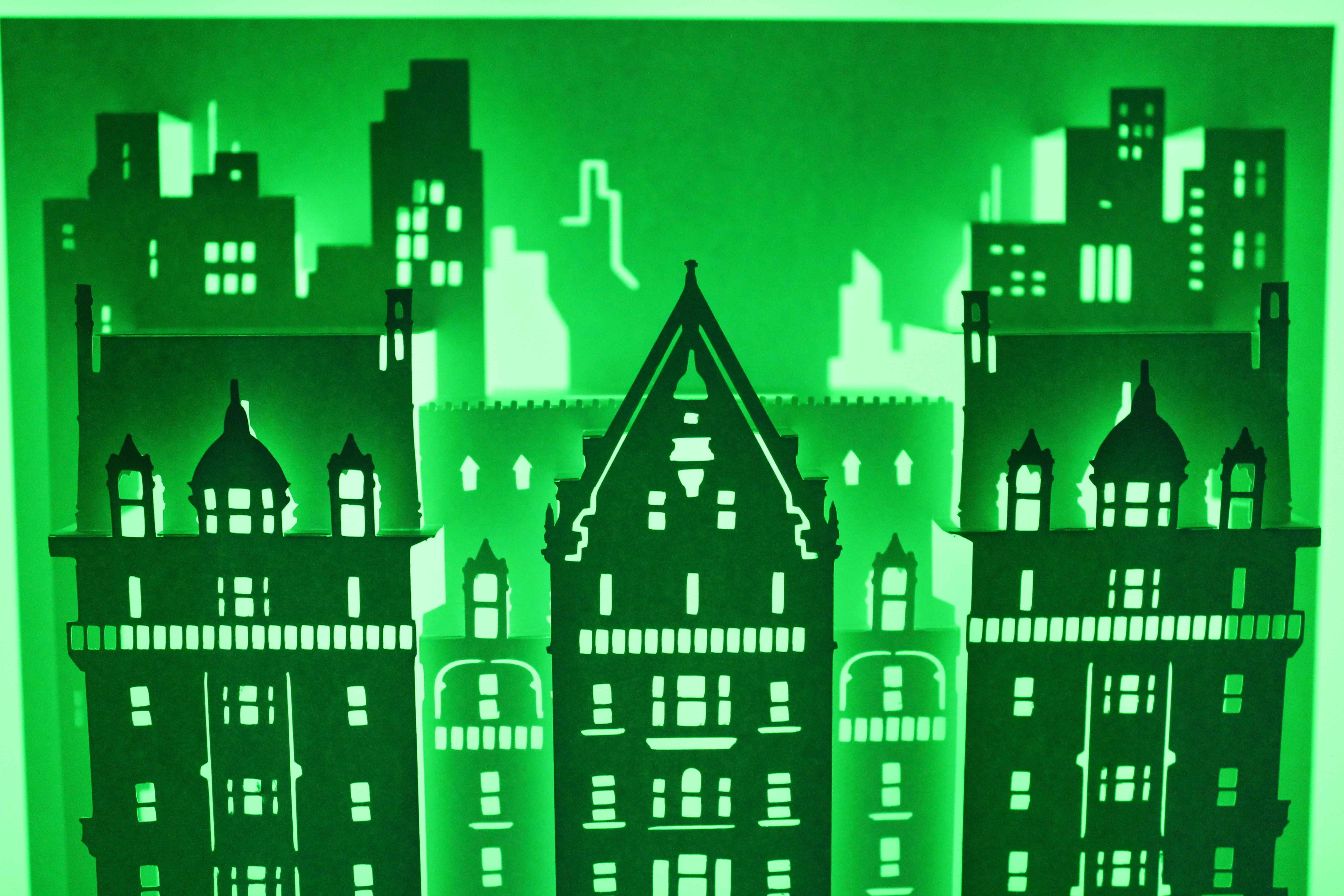
Each of the 13 models in the exhibition are created from a single sheet of white paper. The gallery has presented these in two upstairs rooms, curtained off to create darkness. The works are placed in light boxes, with different colours backlighting the models to great effect. The devil is very much in the detail here – both the intricate nature of the works and the subtle features like the pram placed outside the Dakota Building in the Rosemary’s Baby model, and the figure peering eerily out from a window in the Psycho house. The reflections produced along the base of many of the light boxes are also particularly striking.

Horrorgami is free and on now until Wednesday 14th November at Gallery One and a Half, Ardleigh Street, N1 4HS. Monday-Friday 10-5, Sat-Sun 11-4. The closest station is Dalston Junction.

http://www.one-and-a-half.com/index.php?/upcoming/marc-hagan-guirey—horrorgami/

The models pictured here are (from top): Rosemary’s Baby/The Dakota Building, The Addams Family/The Addams Mansion, Psycho/The Bates Residence (detail), Ghostbusters/The Fire Station, The Amityville Horror/112 Ocean Avenue, House on Haunted Hill/Ennis House, Rosemary’s Baby/The Dakota Building (detail).

Paul Benney in the Deadhouse

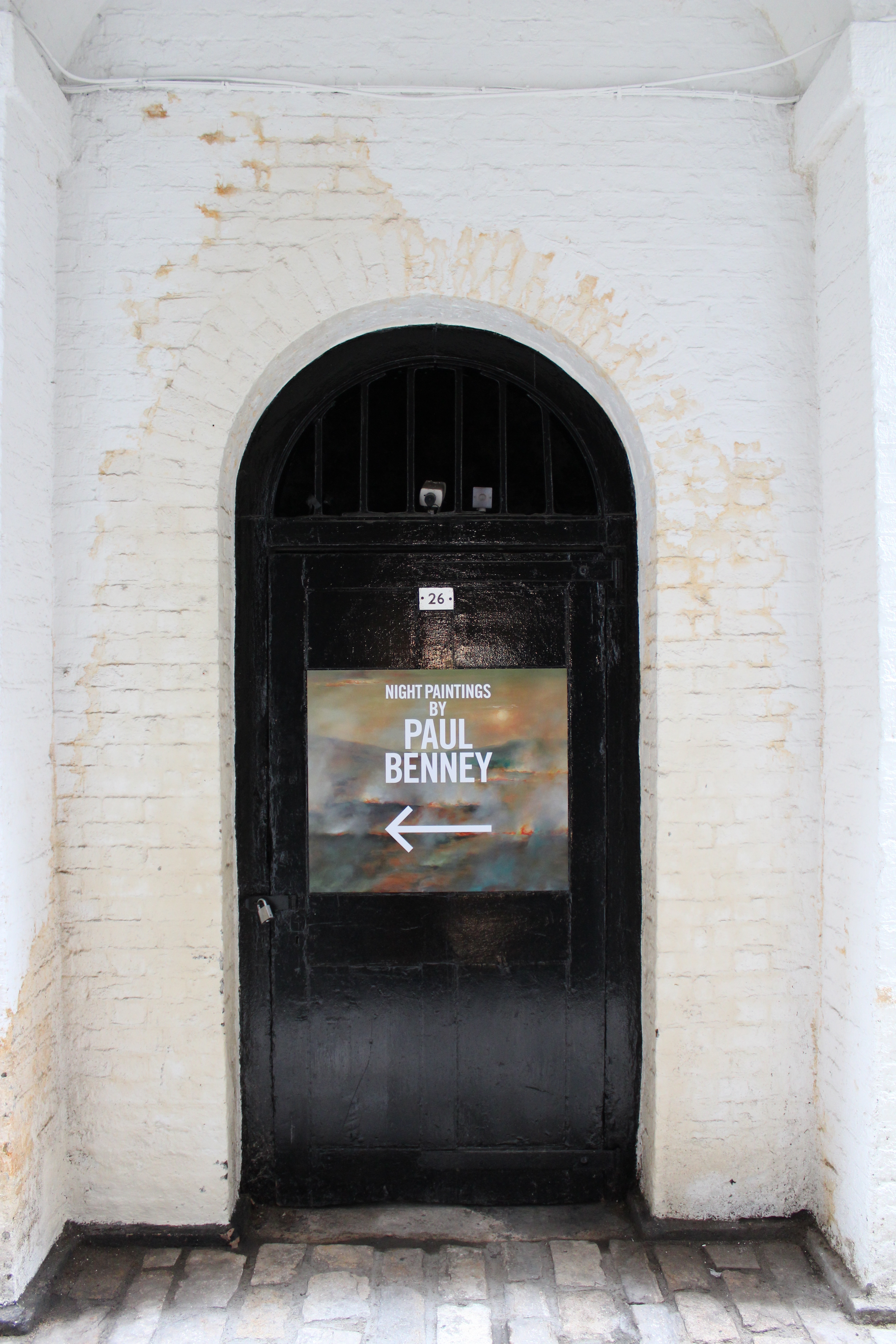
Paul Benney’s atmospheric series of paintings – entitled Night Paintings – are the perfect fit for their current home in Somerset House’s Deadhouse. Londonphiles will also be interested to know that the subterranean Deadhouse and the surrounding lightwells – normally only accessible on guided tours or for private events – are currently open to the public for this free exhibition, the first of its kind in these spaces.

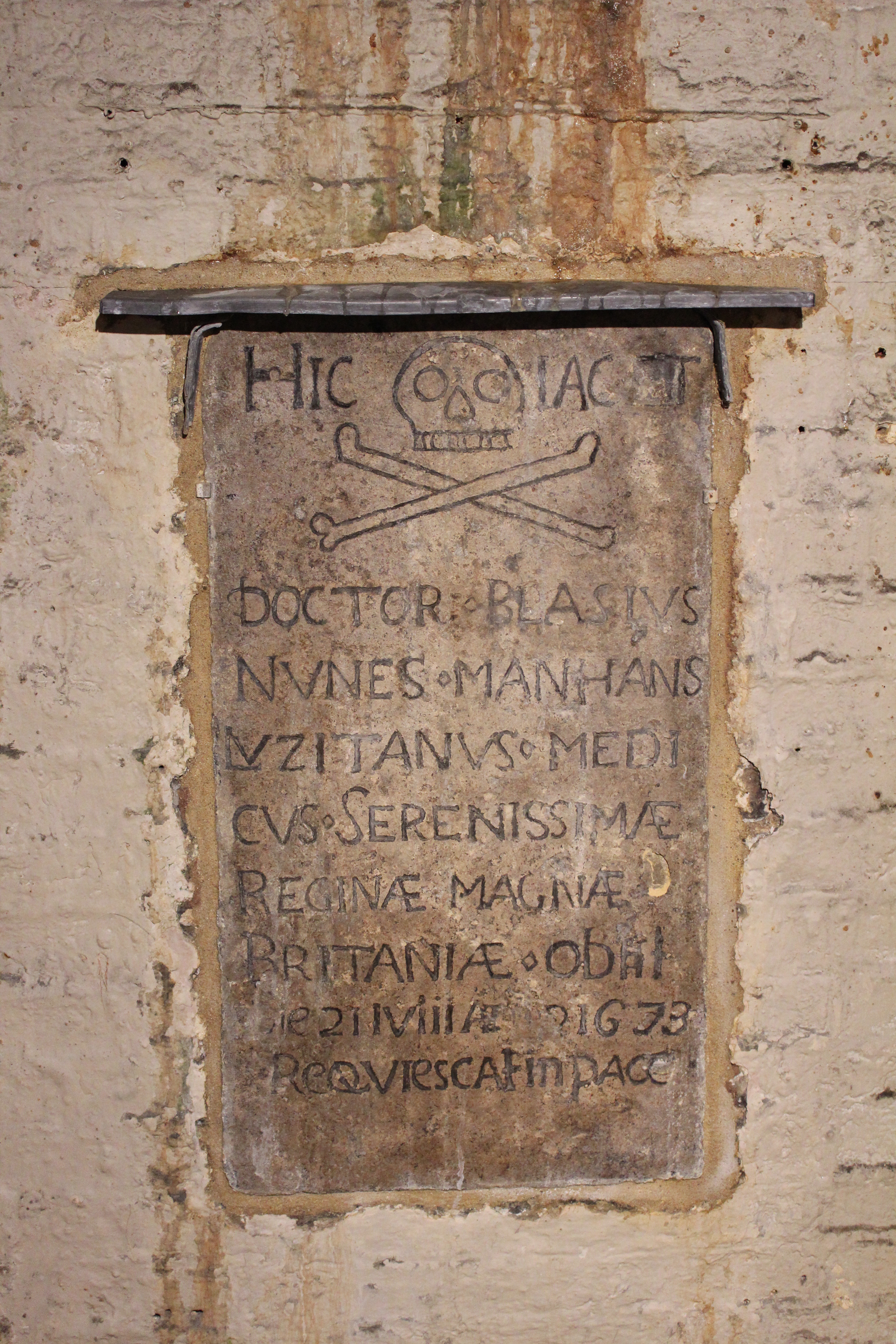
The Deadhouse runs underneath Somerset House’s Edmond J. Safra Fountain Court, linking the east and west wings and has long functioned as a passageway for just this purpose. The lightwells that surround the courtyards are home to a number of small alcoves – often used for storage – and some currently have individual works by Benney displayed very effectively within them. The Deadhouse is also home to a number of seventeenth century gravestones – but no bodies. To explain this anomaly we need to go back in time somewhat, into the depths of Somerset House’s long history.

In short, a former incarnation of Somerset House used to be the Buckingham Palace of its day for the three queens who lived there. Charles I rather contentiously built a Roman Catholic chapel for his French queen Henrietta Maria here. This site also included a burial ground. When this version of Somerset House was demolished and replaced by the current building, which was built between 1776 and 1802, some of these gravestones were kept and relocated into the walls of what is now known as the Deadhouse. These walls actually serve to support the quadrangle due to the sloping nature of the site.

But back to the art… London-based Benney has a studio at Somerset House – which also explains why his works suit the space so well. Night Paintings includes some works featuring an interesting use of resin and a number of water-based subjects. It was raining on my first visit to this exhibition and the watery works seemed well suited to the mysterious, damp, enclosed environment, which was literally dripping in places. The shadowy, paved alleyways of the lightwells, with their individual works placed inside the alcoves, lead the viewer neatly round to the Deadhouse, where the larger body of works are found.

So both the rare opening of the Deadhouse and Paul Benney’s evocative works make for two very good reasons to visit Somerset House right now. You have until Sunday December 9th, when the exhibition closes.

Free guided tours of Somerset House – which visit the Deadhouse and lightwells – run all year round on Thursday and Saturdays afternoons.