Crystal Palace Park

IMG_3380

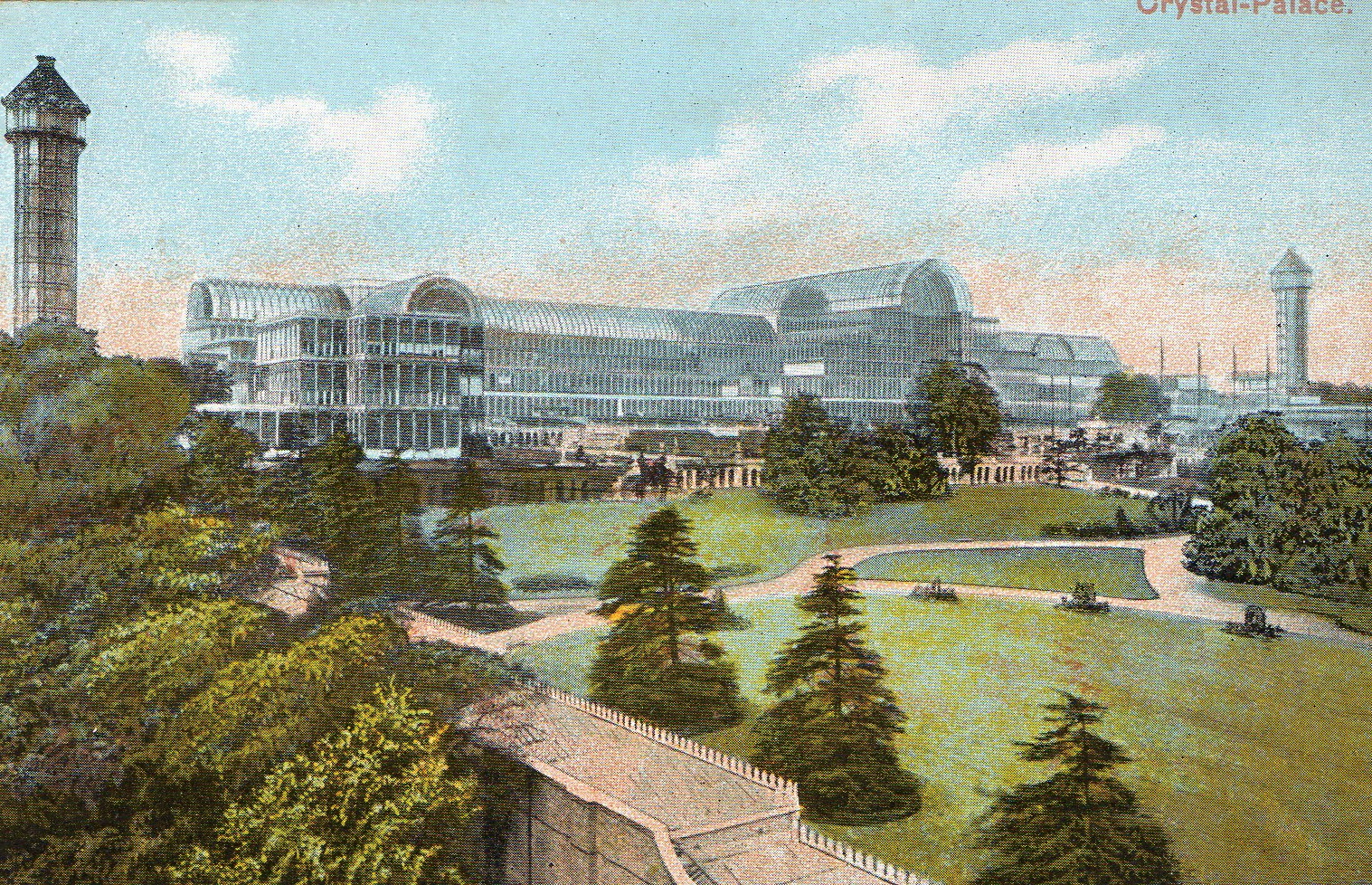
One of my favourite pieces of the puzzle that is London history is the Crystal Palace, so it’s high time Crystal Palace Park – its last resting place – made an appearance in this blog. Designed by Joseph Paxton (immortalised in the stone bust pictured below), and made from plate glass and cast iron, this huge greenhouse-like structure was the former home of the the 1851 Great Exhibition, held in Hyde Park, and later moved south to Sydenham.
img005

This move followed a heated debate about the future of the Palace at the end of the temporary exhibition. At this point it was re-designed and rebuilt on a much larger (and I personally think more attractive) scale – the move and rebuilding costing a massive £1,300,000. This new version opened in 1854 and was to host numerous concerts, fireworks displays, exhibitions, and feature a Natural History Collection and a number of ‘Fine Art Courts’, where visitors could walk amongst replicas of architecture, sculpture and decorative arts from various eras and cultures.

IMG_3294

The 1911 Festival of Empire was held in the park, and saw the construction of three-quarter size replicas of all of the Commonwealth countries’ parliament buildings, as well as an Australian vineyard, an Indian tea plantation and a south African diamond mine. A miniature railway was built to transport visitors between the various sites.

CPP

Tragically, despite the efforts of 89 fire engines and 381 firefighters, the Palace was lost in a massive fire on the night of 30th November, 1936. The two giant water towers – designed by Isambard Kingdom Brunel to cater for the massive amount of water required for the Palace’s extensive water features – were the only Palace buildings left standing. These were later demolished during the Second World War as it was thought that German aircraft might use them as landmarks. The base of one can still be seen just outside the Crystal Palace Museum.

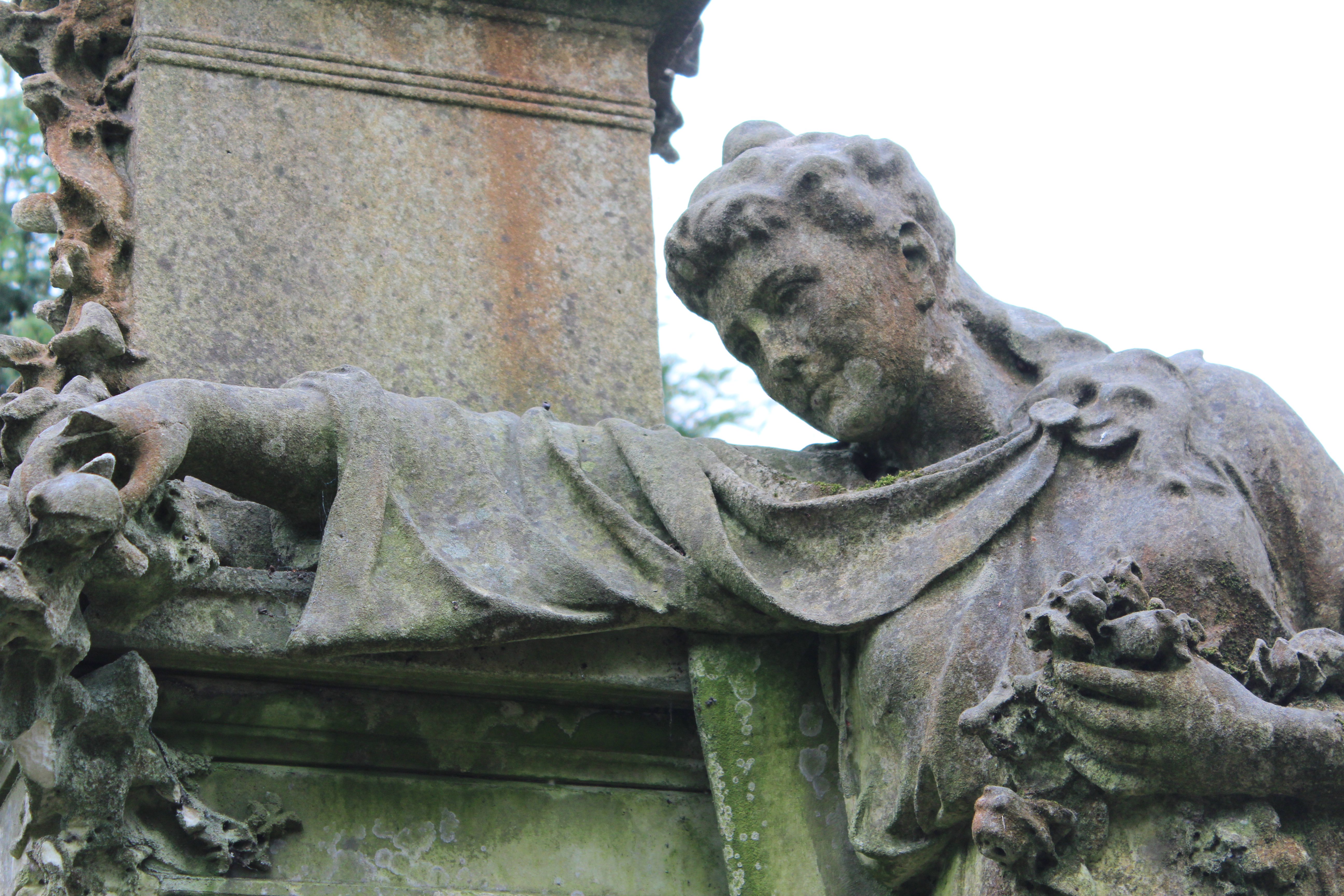
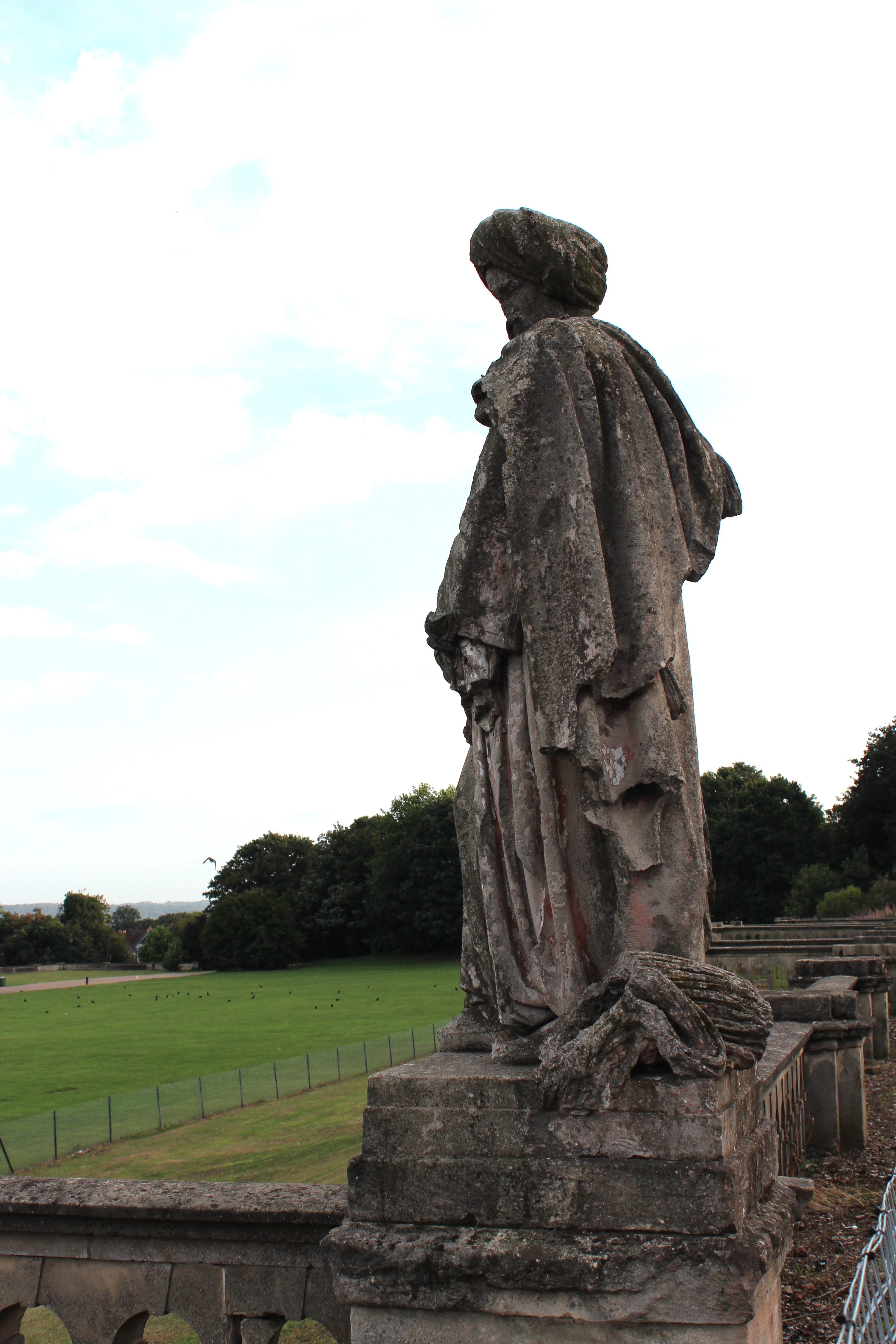
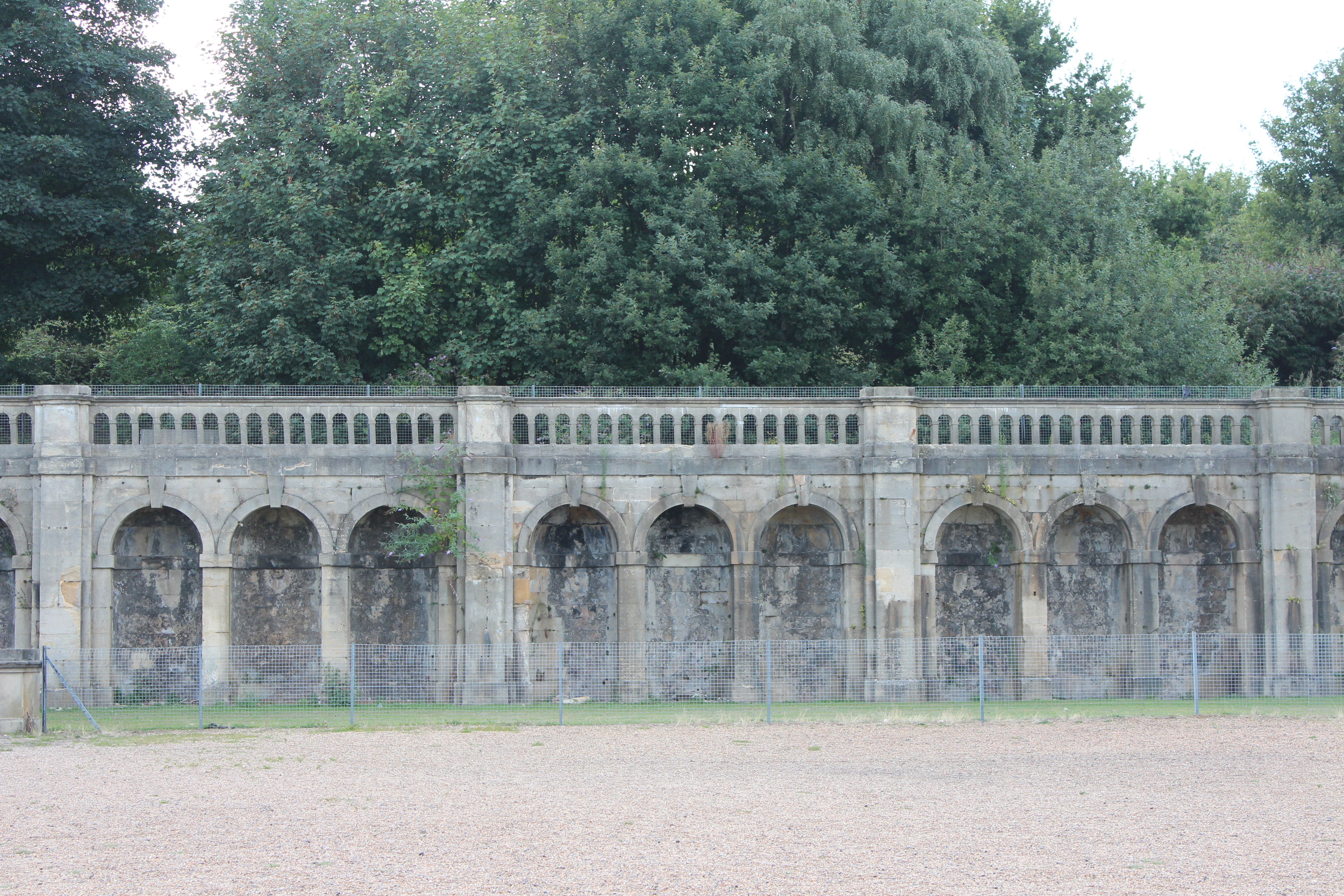
IMG_3358And there are plenty of other remains still scattered around the park: many of the terraces, a number of the sphinxes, several of the statues, including the particularly striking headless one above, to name but a few. These now languish in a rather splendid state of decay and are my favourite feature of the park.
IMG_3329

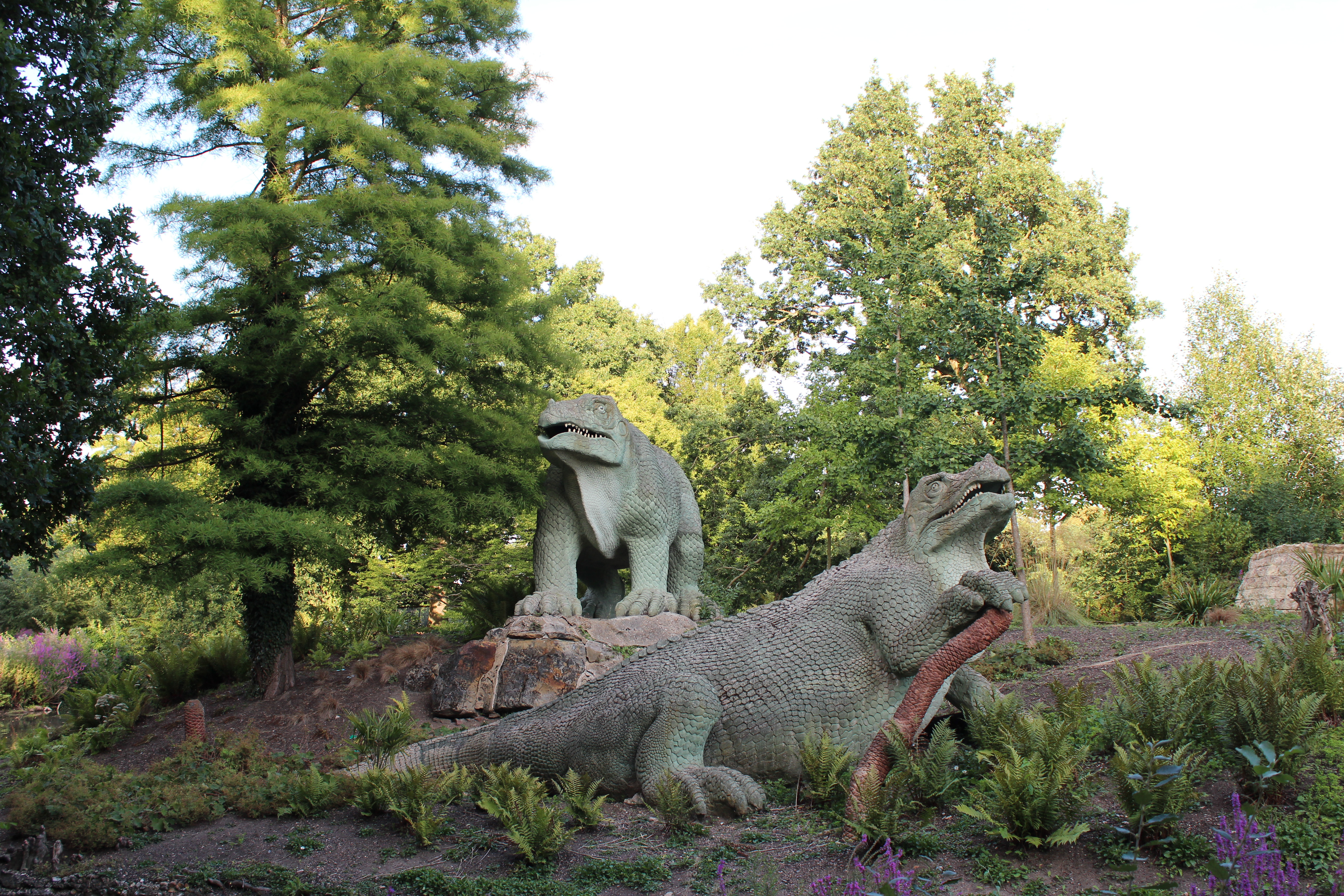
A hugely popular feature of the park today is the Crystal Palace Dinosaurs – life-sized models designed by Benjamin Waterhouse Hawkins, arrayed around a lake in the south-east corner of the park. These constitute the first ever sculptures of dinosaurs, unveiled in 1854 as part of the renovation of the park. In fact, they are not actually all dinosaurs – some are extinct animals. In true Victorian style, Hawkins threw a dinner for 21 guests inside one of the models on New Year’s Eve in 1853. At one point the models were so neglected they were covered with foliage, but were restored in 1952 and again in 2002.
IMG_3209

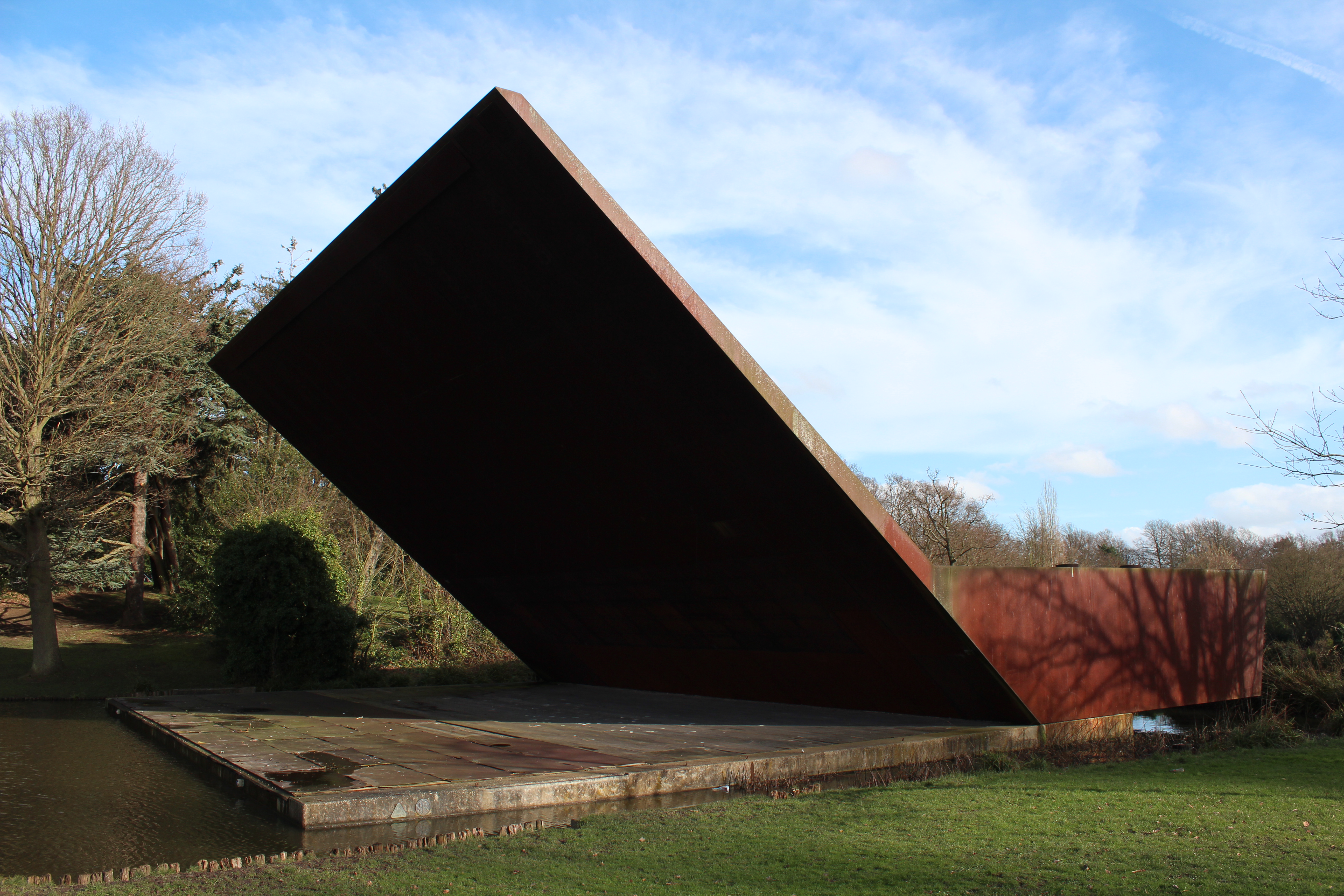
The park is also home to London’s largest maze, first built in 1879 and then re-created in 1987 and refurbished in 2009. There are of course other newer features of interest within the park, not least of which is the ultra-modern Concert Platform, designed in 1997 by Ian Ritchie Architects:
IMG_5706

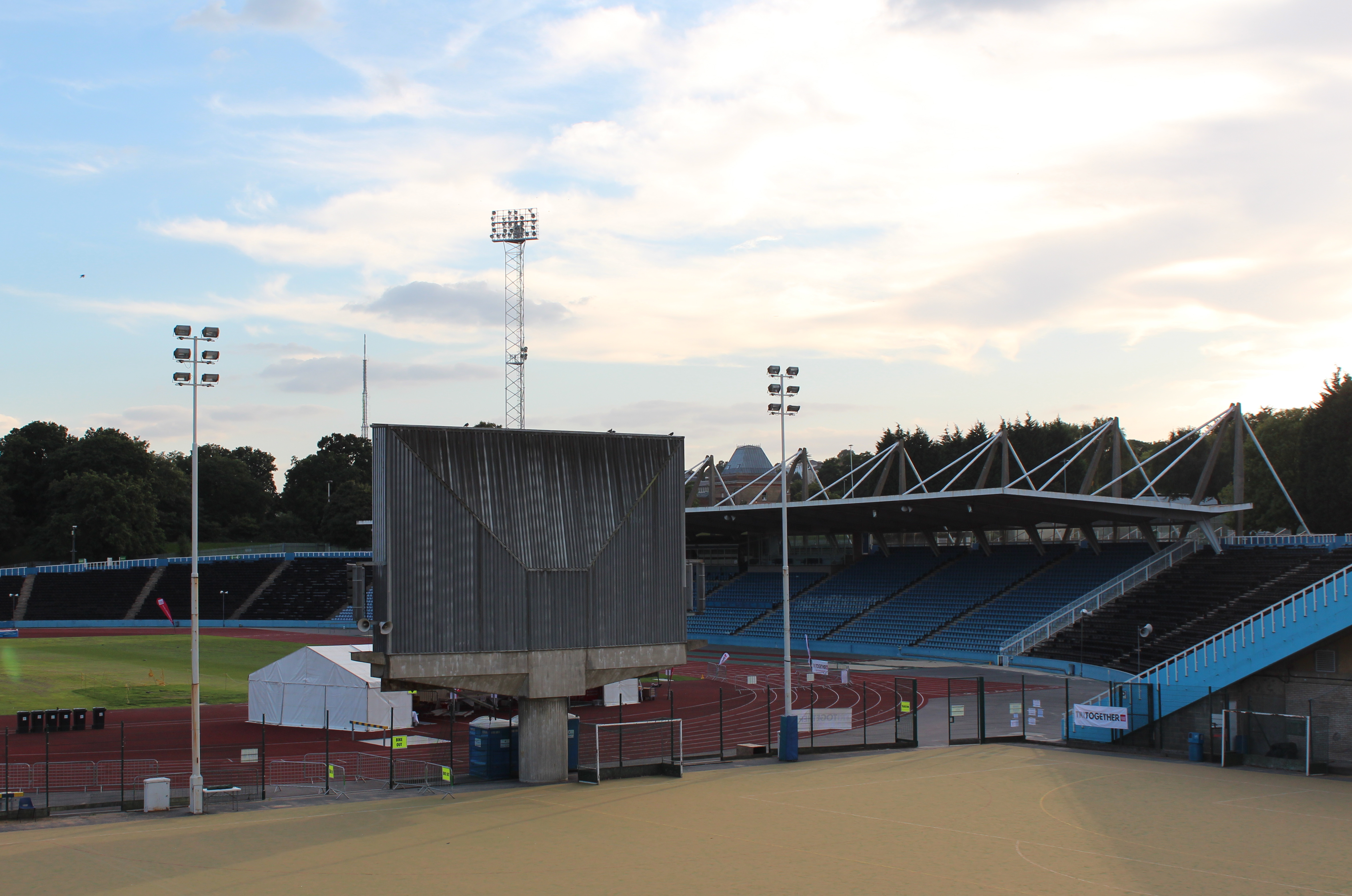
The Crystal Palace National Sports Centre, in the middle of the park, is probably not generally considered to be the its most appealing attraction, but I feel it has a certain brutal, modern appeal:

IMG_3276

IMG_3245_2

If you’d like to learn more about the Crystal Palace, drop by the Crystal Palace Museum in the south-west corner of the park. Housed in the former Crystal Palace Company’s School of Practical Engineering, this museum may contain only one room but the information within it is comprehensive: if you visit here knowing nothing about the Crystal Palace you will leave knowing just about everything you should! It’s open Saturdays and Sundays, 11-4 summertime and 11-3:30 in winter.

IMG_3282

The Crystal Palace is back in the news again of late due to plans by a Chinese company to rebuild it (in its massive, original size) in the park. I don’t feel well equipped enough to comment too much on this highly controversial project (please feel free to leave your own thoughts below) but it would be a huge loss if the remaining statuary was not preserved and if too much of the park was lost to public access. On the upside, the plan would reinstate Paxton’s Grand Central Walk, a promenade that once ran along the centre of the park and was later obstructed by the sport centre. A petition raising concerns about the development can be found here. In the meantime, these photographs capture the park as it is now – and may not be forever…
IMG_3317

IMG_3348

Richmond Palace

IMG_2236

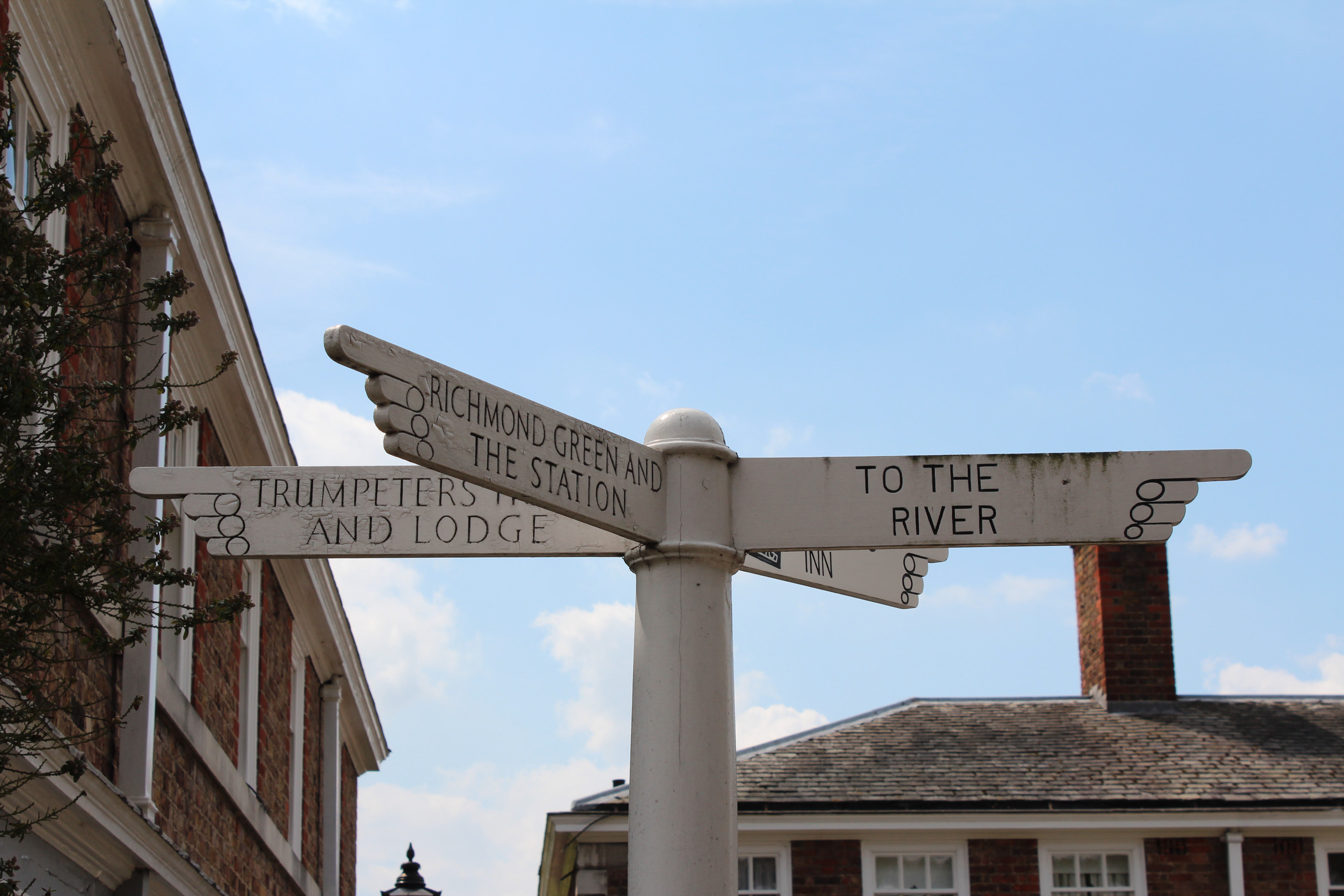
Between Richmond Green and the river Thames a royal palace once stood proudly alongside the water, its turrets thrusting into the sky. A 100-foot long great hall, a 200-foot long open gallery, a chapel and a library were all contained within its walls. Once a favourite haunt of Elizabeth I – who hunted in the nearby Old Deer Park – you will be called upon to use your imagination when visiting this site today as only traces remain.

richmond palace2

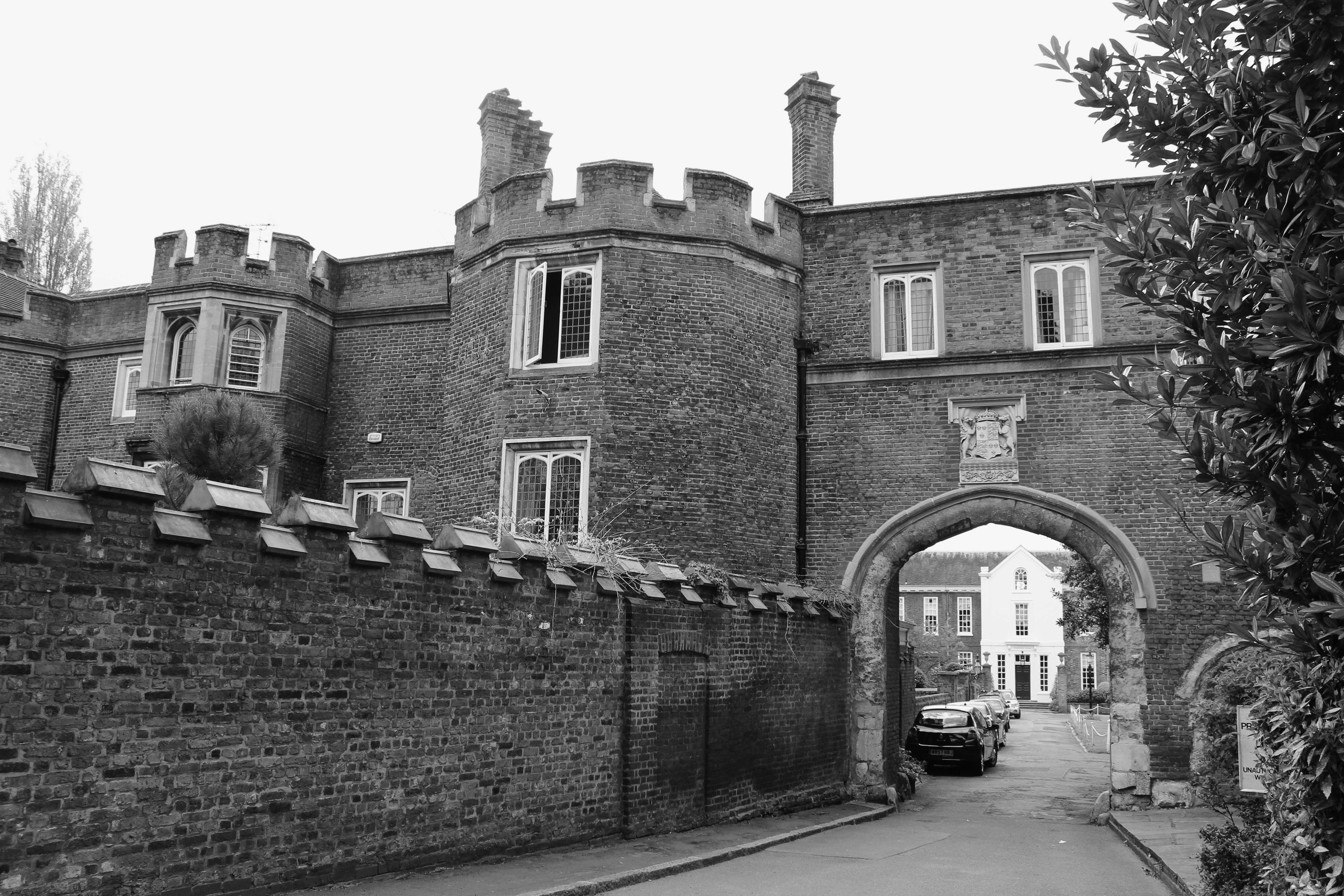
But there is certainly enough here to warrant a visit: the gatehouse in particular is well preserved. Although now privately owned (on land rented from the Crown Estate), you can still walk amongst the buildings, pass directly underneath the old gate, and see what remains…

IMG_2323

Built in around 1501 for Henry VIII (formerly the Earl of Richmond), royalty lived in Richmond Palace until 1649. The nearby town felt it sensible to obey Henry’s edict and change its name from Shene to Richmond. Tragically, the bulk of the Palace was demolished in the mid-17th and early eighteenth centuries.

IMG_2287

The street names themselves are evidence of the site’s former life –  today you can still traverse along Old Palace Yard, Old Palace Lane and The Wardrobe. Keep an eye out for the Royal bollards. As well as the five-bedroomed Gate House, you can see the Wardrobe (which was joined up to the Gate House in 1688-9), and the Trumpeters House (built in 1702-3, replacing the Middle Gate). Maids of Honour Row, just to the left of the Gate House along The Green, was built in 1724 for the women attending the Princess of Wales, though it was only used for this purpose for a few years. The Victorian explorer Richard Burton – whose tomb I visited last year – lived at number two as a child.

IMG_2302

IMG_2230

The closest station to the Richmond Palace zone is Richmond, which has all bases covered with tube, overground and National Rail services. Head to the southern side of Richmond Green to find the site. There are some very informative signs in the park just across the road from the Gate House; I recommend a quick read of these first to glean some basic history and to orientate yourself within this unusual site.

IMG_2218_2

IMG_2278

Garrick’s Temple to Shakespeare

IMG_2161

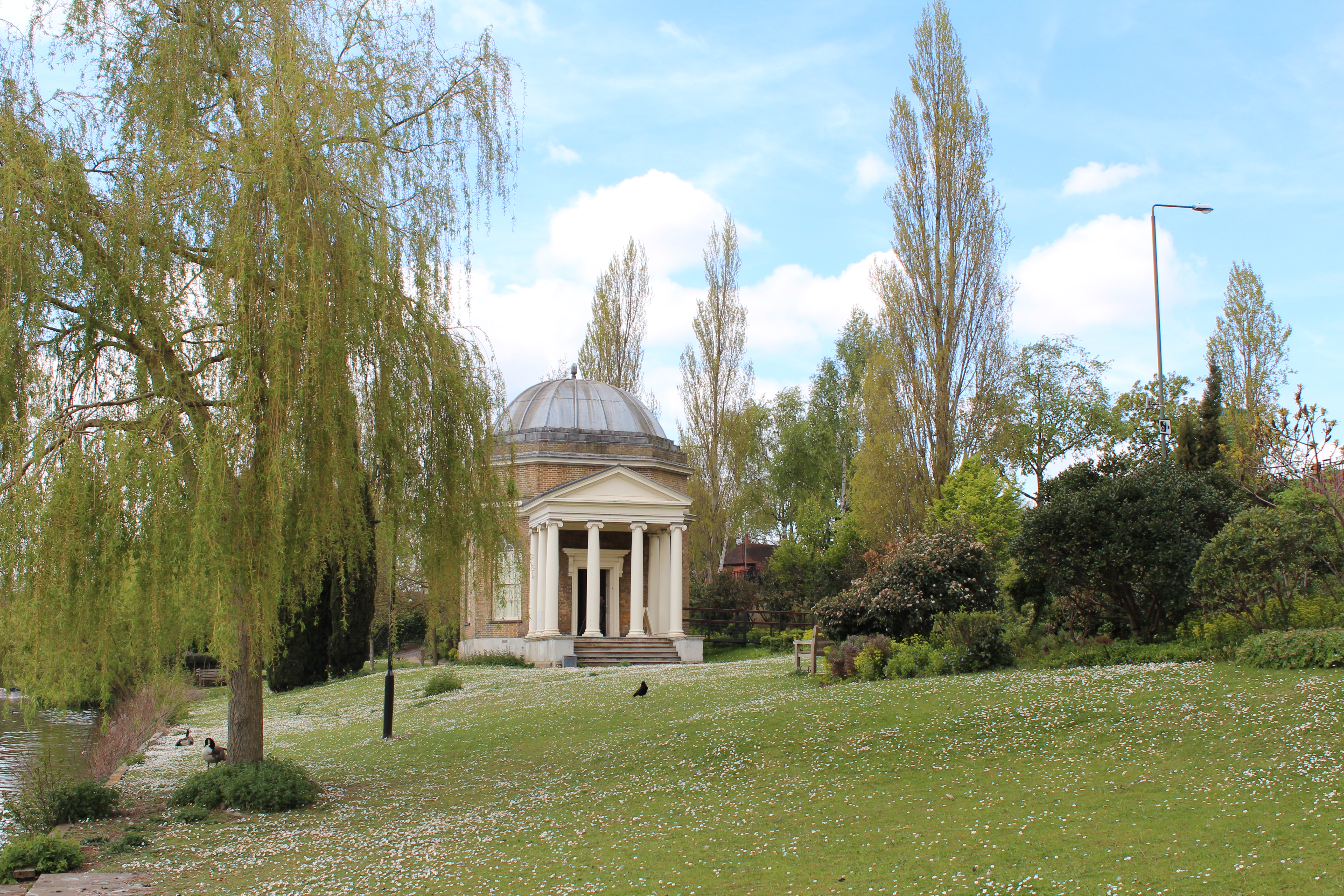
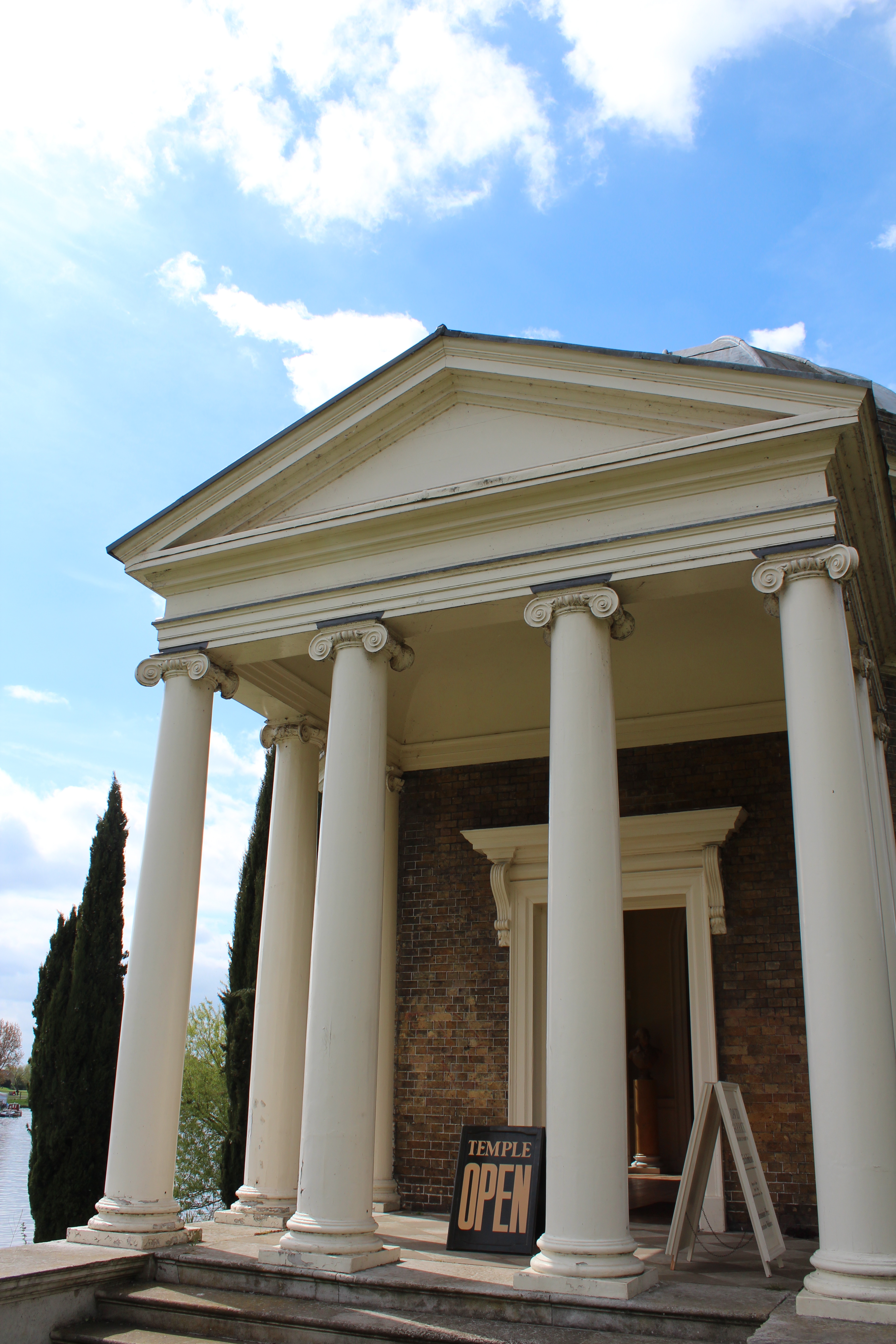
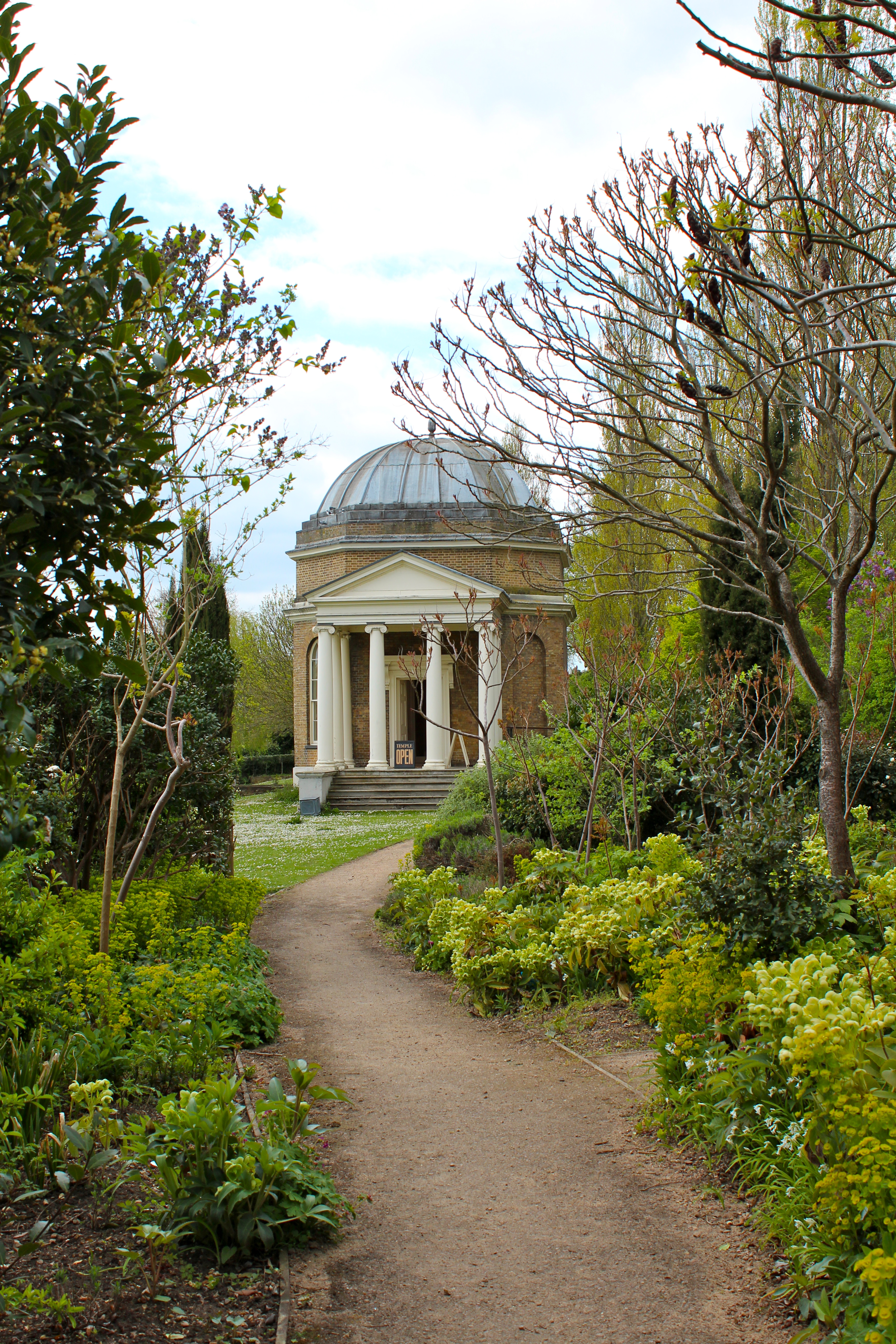
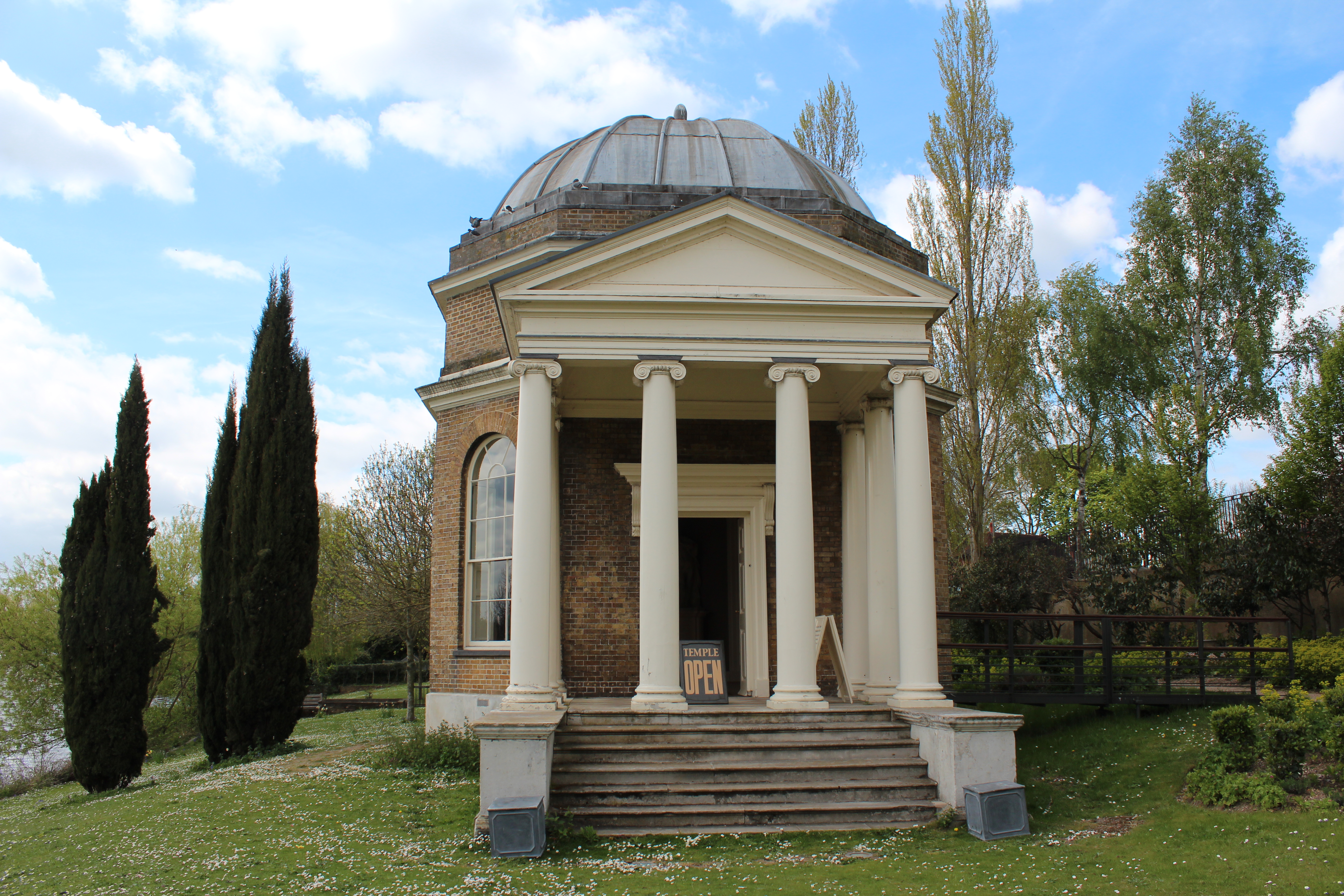
Undoubtedly one of the prettiest sites that The Londonphile has visited, Garrick’s Temple to Shakespeare stands alongside the Thames at Hampton. This Palladian temple was built in 1756 by actor-manager David Garrick in the riverside gardens of his home, Garrick’s Villa, as a monument to the Bard.

IMG_2105

While the original life-size statue of Shakespeare by Huguenot sculptor Roubiliac moved to the British Museum some time ago under the terms of Garrick’s will, a reproduction was installed as part of the major restoration of the temple that took place from 1997-1999. Also found inside the structure today is an exhibition about Garrick himself, featuring a number of reproductions of works by major 18th century artists, including Gainsborough, Reynolds, Hogarth and Zoffany.

IMG_2127

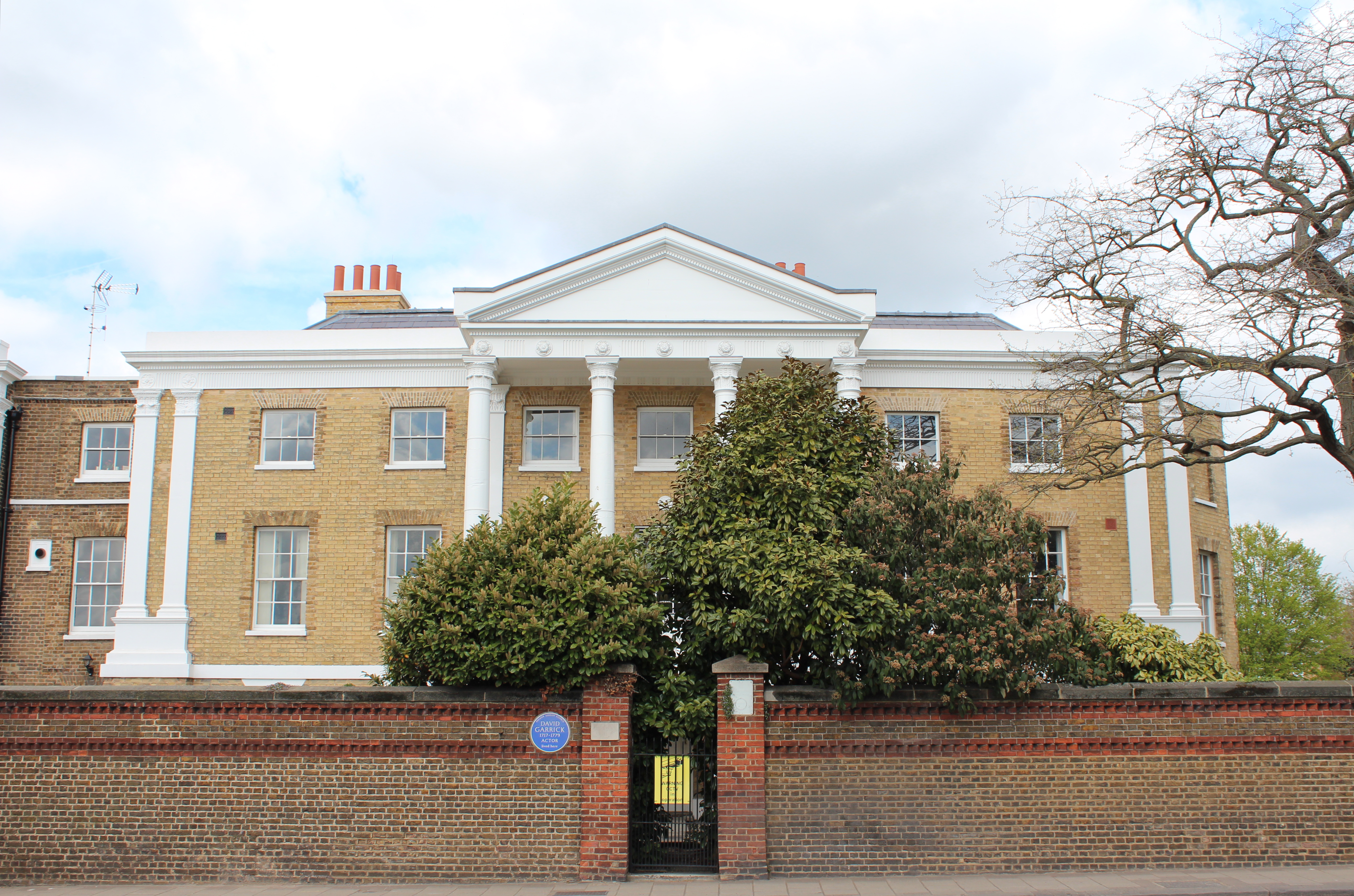
Even in Garrick’s time, his villa (pictured below) was separated from the temple by the road – though it was presumably much less busier back then… A tunnel under this road was used by the Garricks to gain easy access to their garden – it still exists but is not accessible to the public. Today, the villa – which narrowly avoided demolition at the start of the twentieth century – has been converted into apartments and was badly damaged by fire in 2008.

IMG_2185

The riverside land surrounding the temple was sold off by the villa’s owner in 1923, separating temple and villa. The temple’s new owner built a house directly adjoining it – happily, this was demolished in 1932 following a public outcry that caused the council to purchase the land. It is still owned today by Richmond Council.

IMG_2126

The garden – originally designed with assistance from Capability Brown and now known as Garrick’s Lawn – has also been restored along 18th century lines and includes many plants that would have been seen in Garrick’s time. It also features a serpentine path that reflects Hogarth’s line of beauty (seen below). Bring a picnic and sit awhile and watch the rowers pass…

IMG_2190

The temple is open to the public – free of charge – on Sunday afternoons (2-5pm) from April to October, and will also feature in the year’s Open House event on Sunday 22 September from 11am – 5pm. From Hampton Court Station take the R68 bus, from Hampton the 111 or 216, or from Hammersmith the 267 (from May to September only).

http://www.garrickstemple.org.uk/

IMG_2146

IMG_2119

Summer Pavilion

IMG_2927

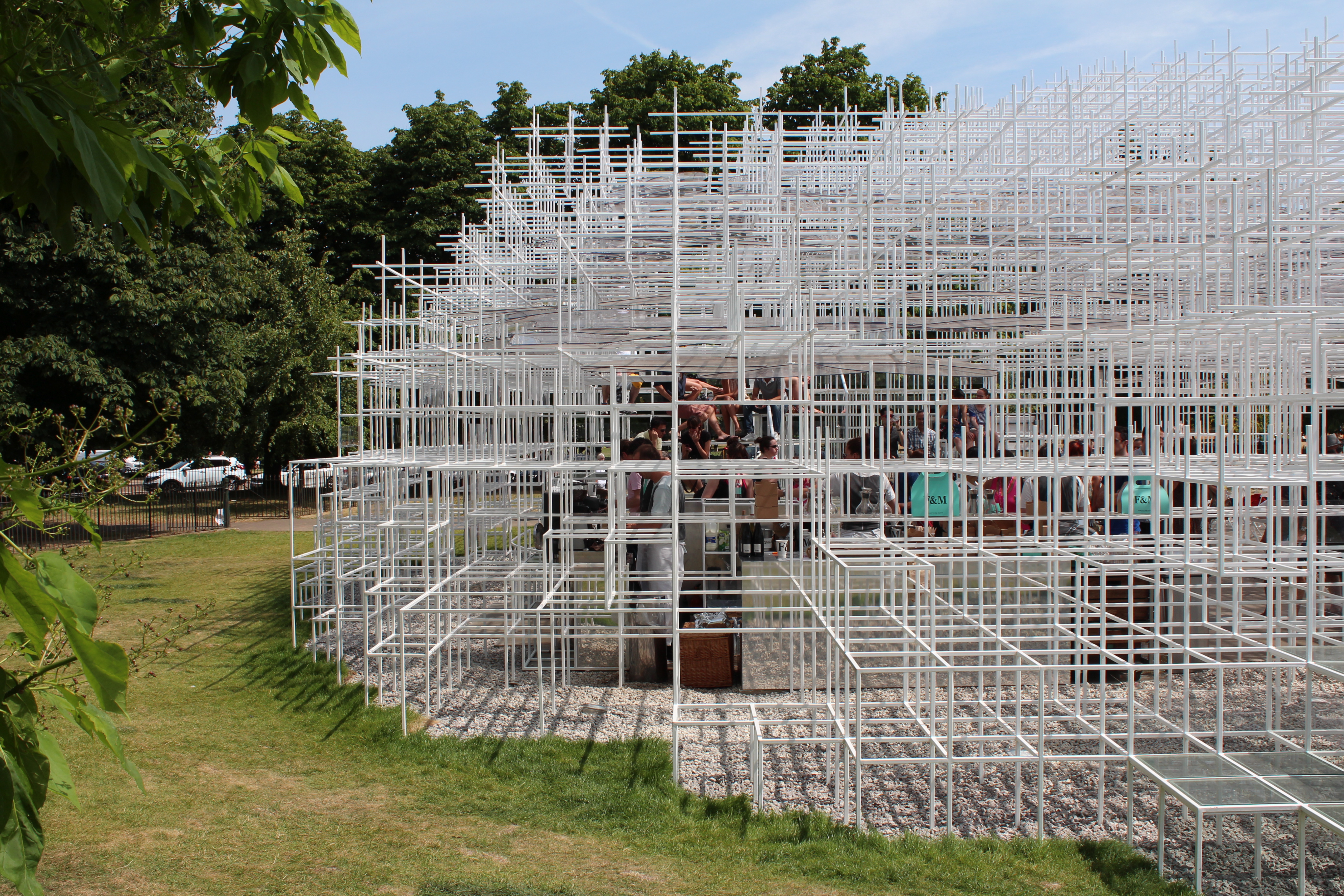
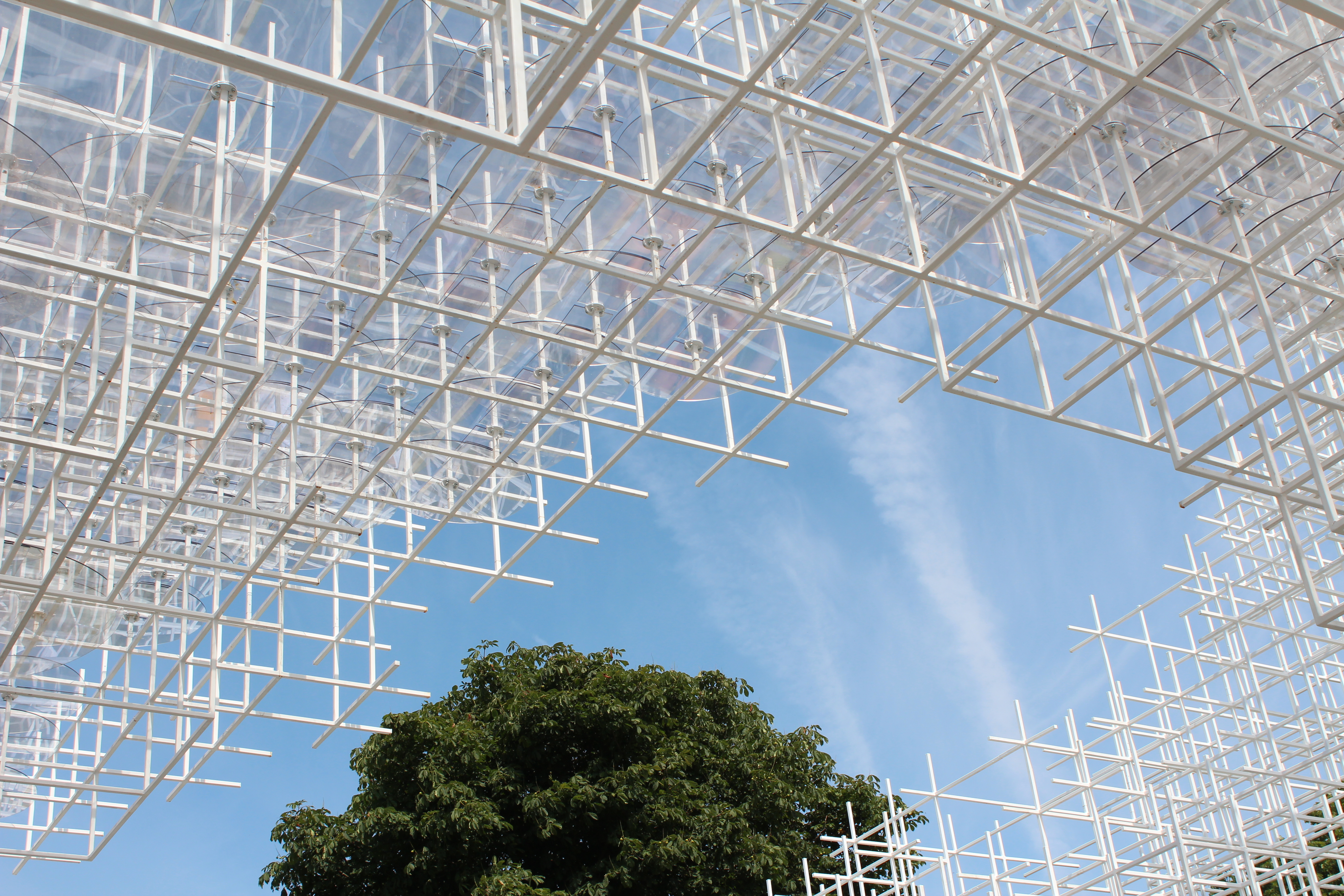
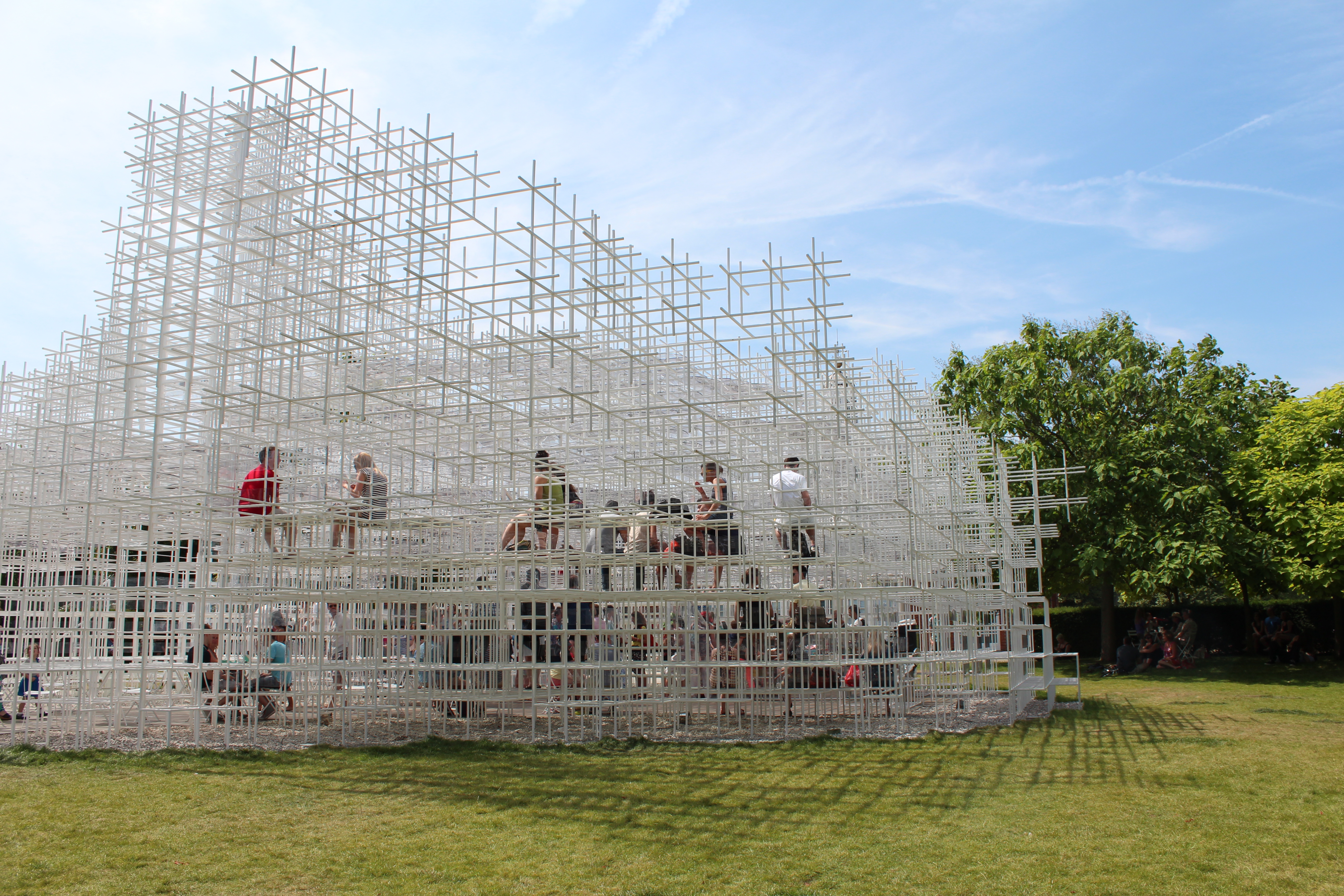
One of my favourite annual London events is the emergence of a brand new Summer Pavilion each year in the grounds of Kensington Garden’s Serpentine Gallery. Japanese architect Sou Fujimoto provides the 13th iteration of this project, with his cloud-like grid of white steel poles arising from the green grass. But this a cloud you can sit in, with transparent steps creating seats and producing an interactive feel to his installation  – and also making visitors appear as if they are suspended in space.

IMG_2891Fujimoto has spoken of how his installation contrasts the natural environment of the park with a ‘constructed geometry’ – and there is a decidedly digital look to the grids of which it is composed.

IMG_2906

This is the fourth Summer Pavilion that I have visited and photographed – to celebrate, this post will also look back briefly to the last three designs in this unique series.

IMG_2049

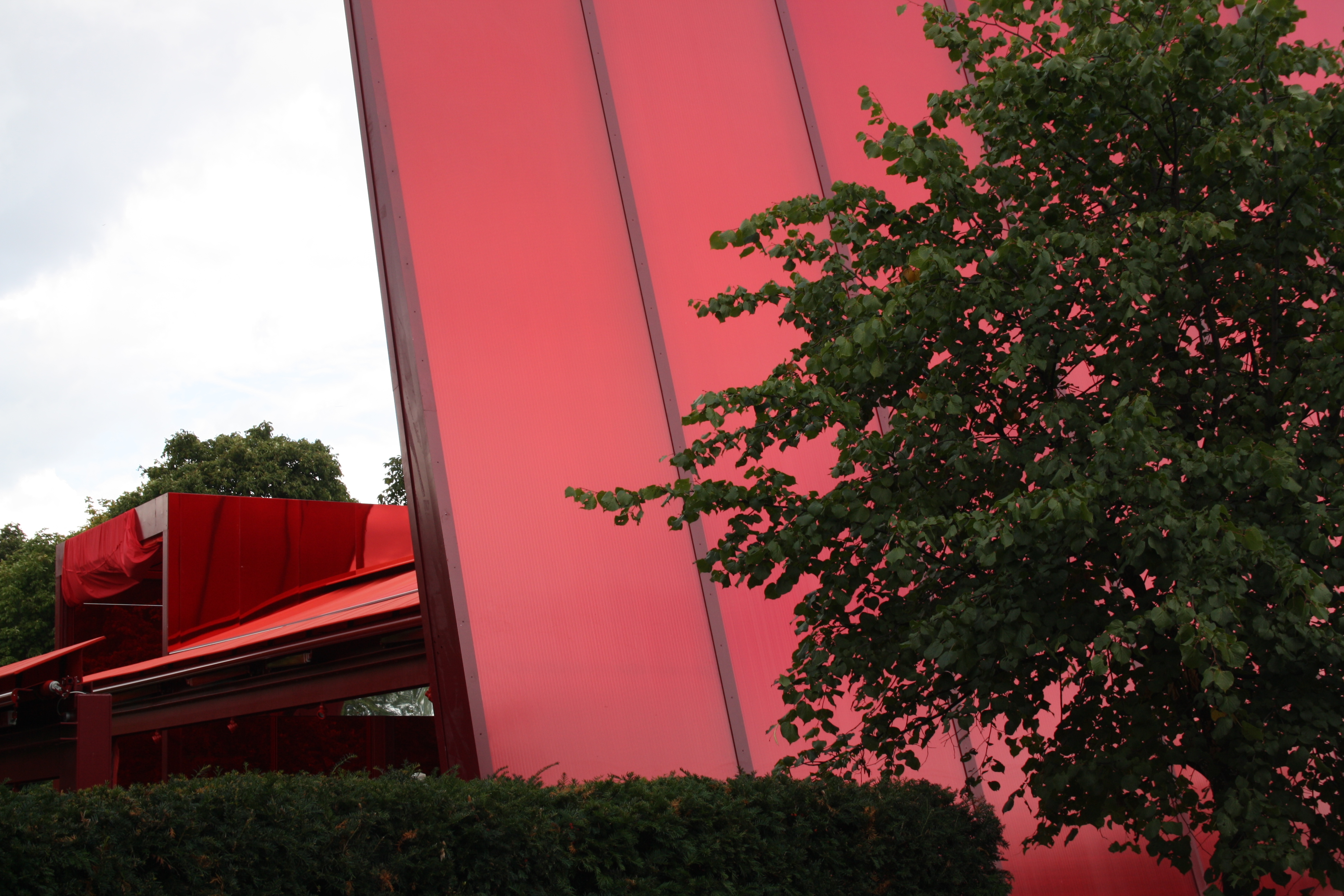
The 2010 Summer Pavilion by French architect Jean Nouvel (shown above and in the following two images) holds a special place in my heart given that it is pictured across the top of The Londonphile’s website. Yes, that green and red image I use everywhere was taken looking through the bright red, transparent walls of the pavilion through to the gallery beyond. Like this year’s version, Nouvel’s design included a cafe inside the pavilion itself.

IMG_2042

IMG_2064

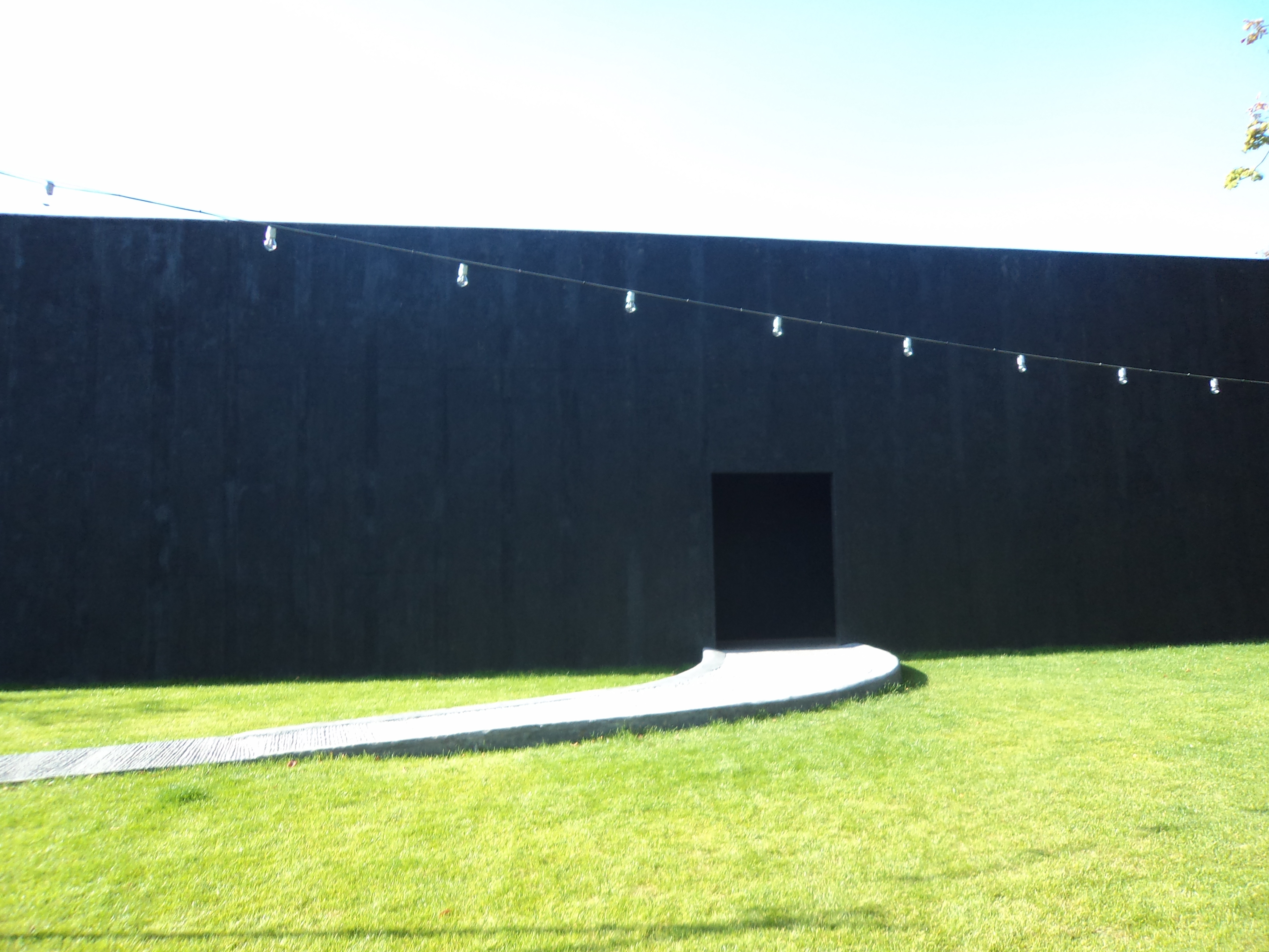
The black, almost forbidding exterior of the 2011 pavilion (shown in the three images below) – designed by Swiss architect Peter Zumthor – belied the fact that it contained a very pretty surprise on the inside, in the form of a fully planted garden. The garden was surrounded by seats, so visitors could soak up the tranquility.

DSC01154

DSC01113

DSC01117

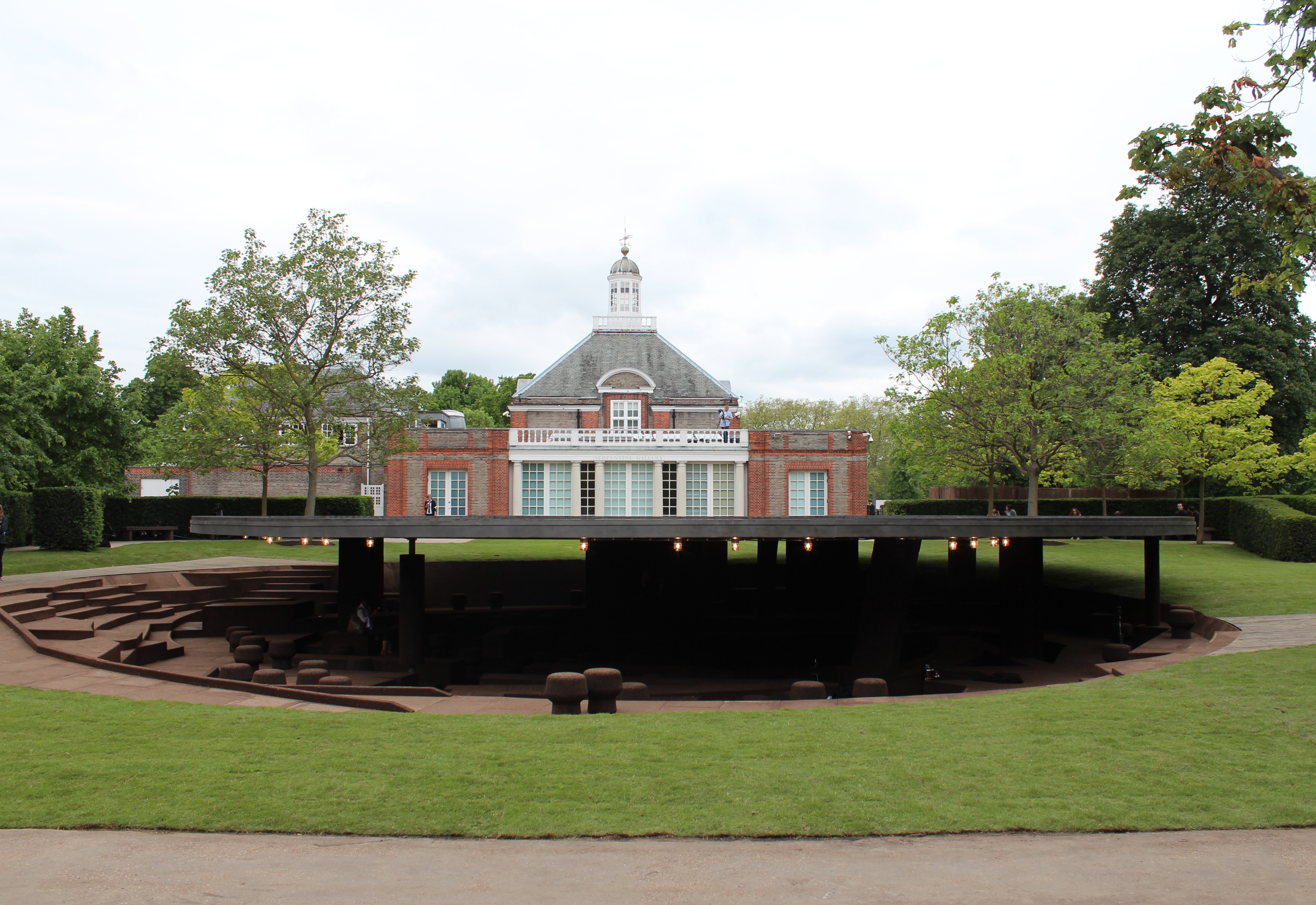
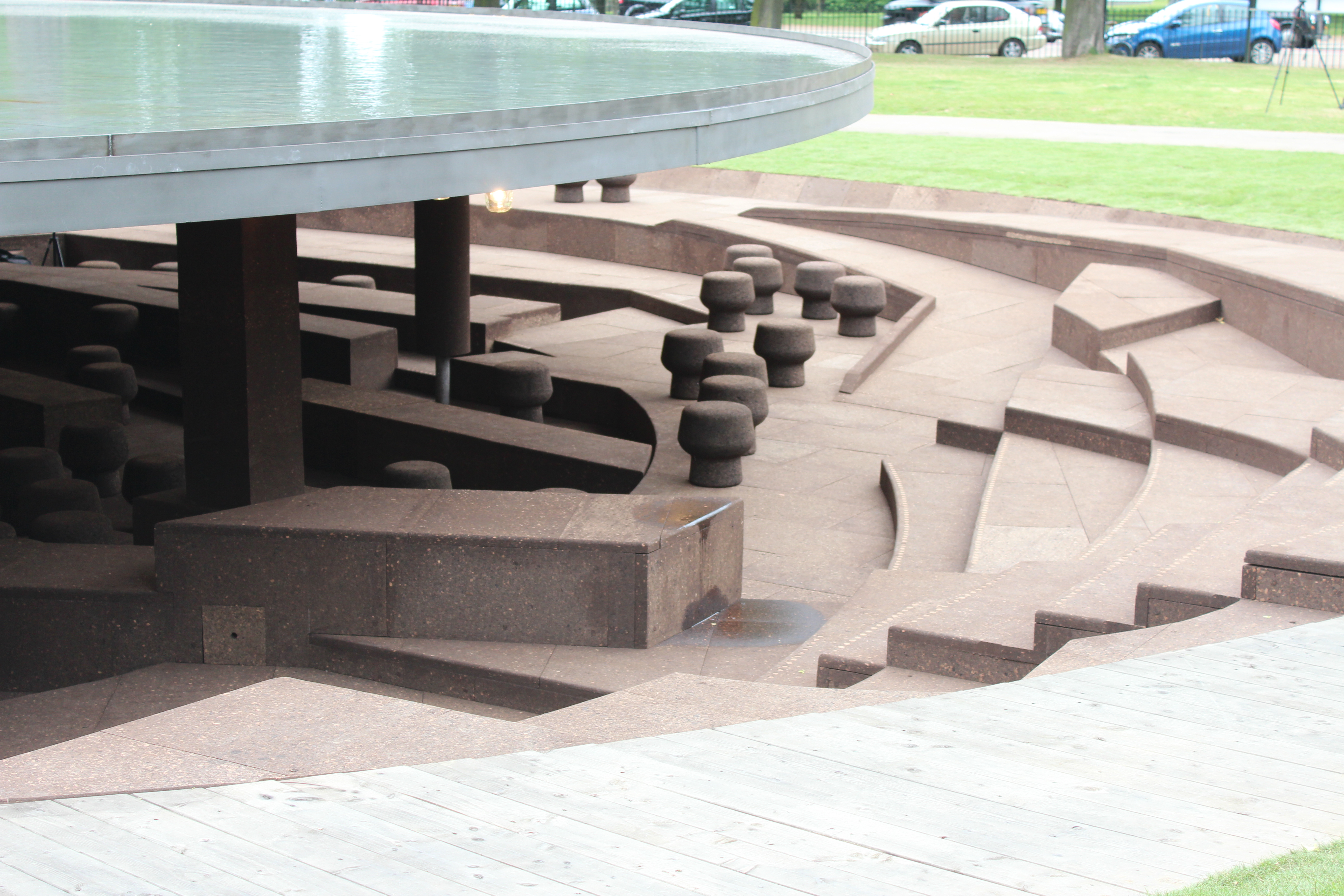
The 2012 design (pictured in the following three images) also boasted some pretty unique qualities. Ai Wei Wei designed the pavilion in conjunction with Swiss architects Herzog & de Meuron via Skype whilst under house arrest in China. The design itself referenced all the previous pavilions by integrating their outlines and contours into the design of the floorplan, which was clad in cork. It also featured a rather lovely floating platform roof built across the structure.

IMG_1828

IMG_1818

IMG_1838

To return to the present day, the 2013 Summer Pavilion by Sou Fujimoto is open until 20th October. It can be found in the grounds of the Serpentine Gallery in Kensington Gardens, and is free to visit.

IMG_2914

IMG_2947

IMG_2879

Garden Barge Square

IMG_2638

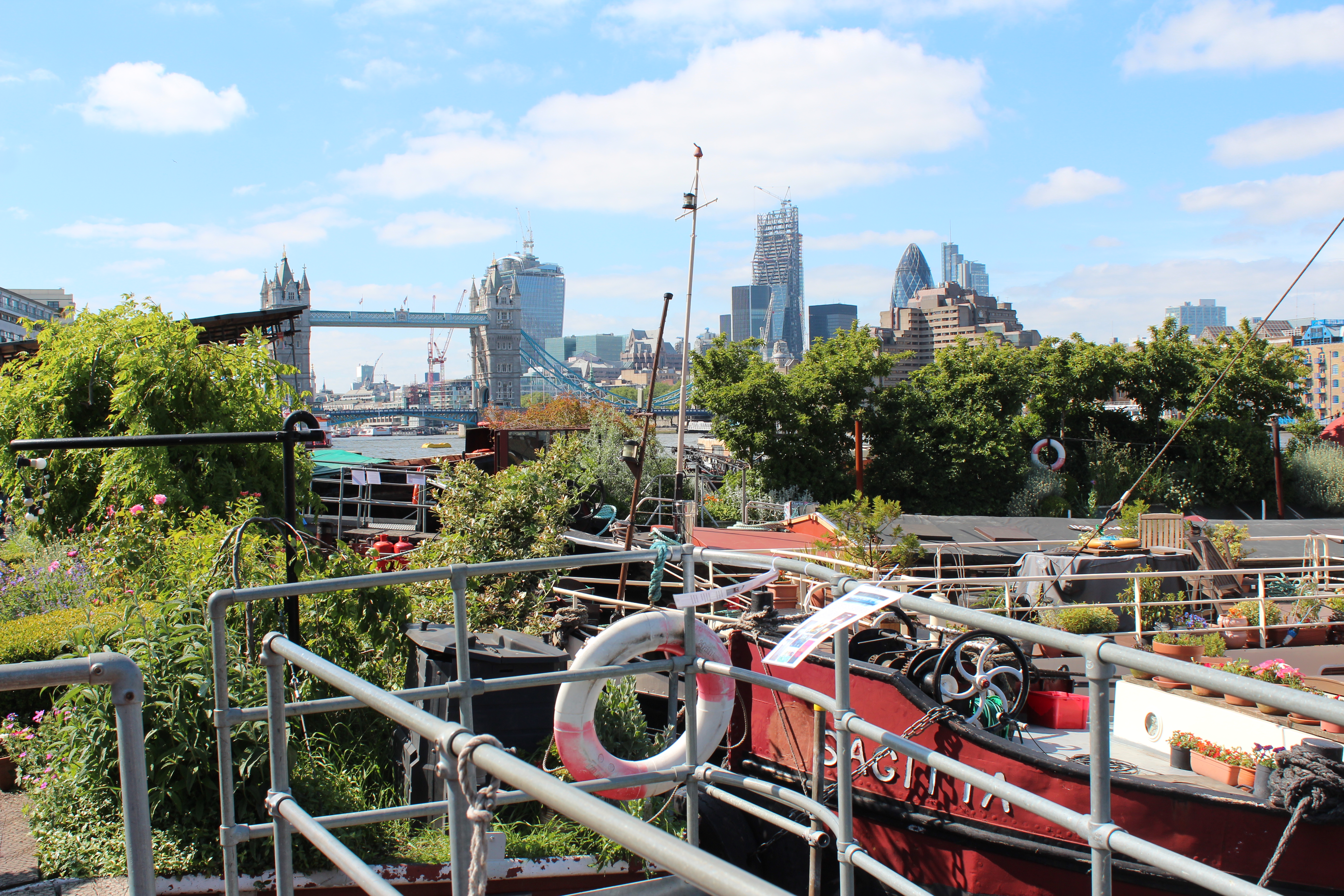
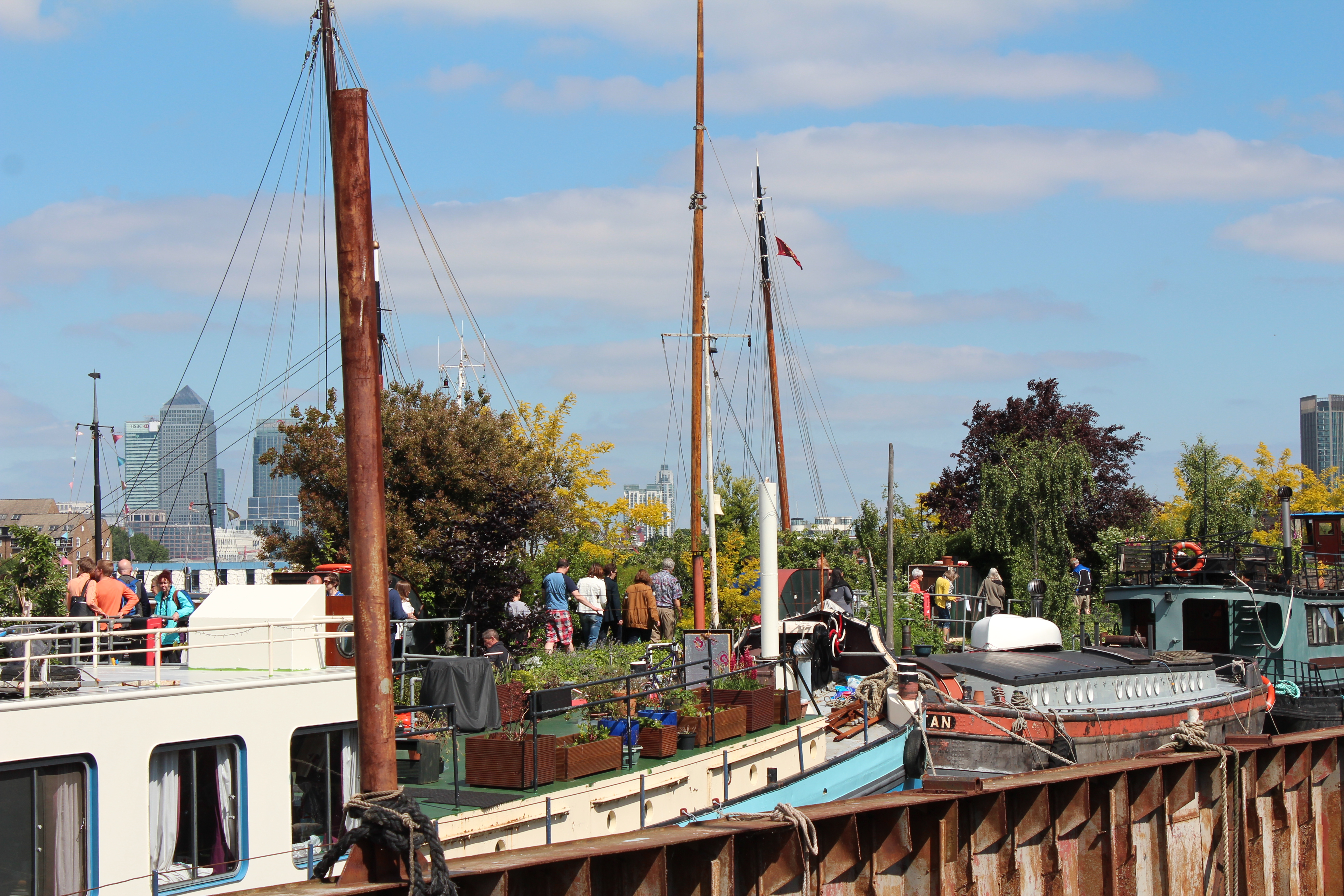
Last weekend I visited some floating gardens on the Thames, as part of the annual Open Garden Squares Weekend. Garden Barge Square – also known as the Floating Barge Gardens – is built across the top of a number of boats on the Downings Roads Moorings, which boasts a pretty spectacular backdrop in the form of Tower Bridge.

IMG_2647

There have been moorings in this area – close to the old Jacob’s Island site – for around 200 years or so, though the gardens themselves are a relatively new innovation having first appeared in the late 1990s. I was surprised to learn that the moorings’ continued existence is only due to a vigorous fight against moves by Southwark Council to shut it down in 2003 and 2004. But clearly that’s another story…

IMG_2636

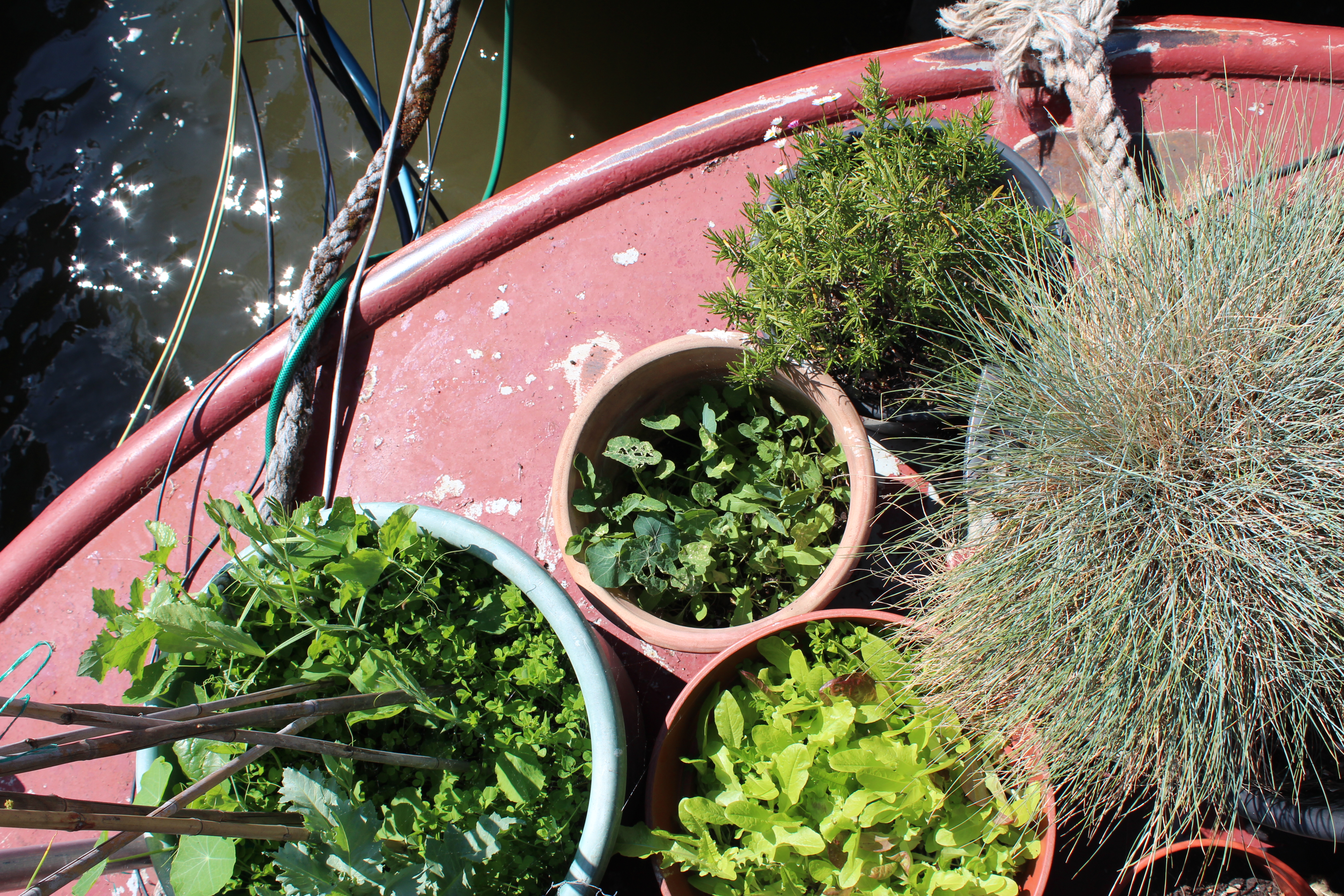
I regularly catch boats past these gardens but had no idea just how extensive they were until I ventured onboard. There are trees up here! Much of the gardens are built across the top of the barges in metal trenches on either side of central pathways. The various boats are then connected via a series of walkways and bridges. It’s very easy to forget that you are walking right across the top of someone’s boat – which is often their home as well, with over 70 people residing or having a studio on the 30+ boats moored here.

IMG_2591

The waters along the Thames here are very rocky – much more so than on canals or marinas. You will definitely find yourself swaying with the motion for some time after you get back to dry land. The good news is that once you get over the initial narrow walkway that leads to the barges you feel much more secure in the garden areas themselves.

And it’s worth it to visit this unique environment, though you’ll have to wait for the next Open Garden Squares event, scheduled for June 14th and 15th 2014. In the meantime, a good view of the barges can be gained from the Thames Path around Bermondsey Wall West.

IMG_2622

IMG_2575

New Paddington sculptures

IMG_2442_2

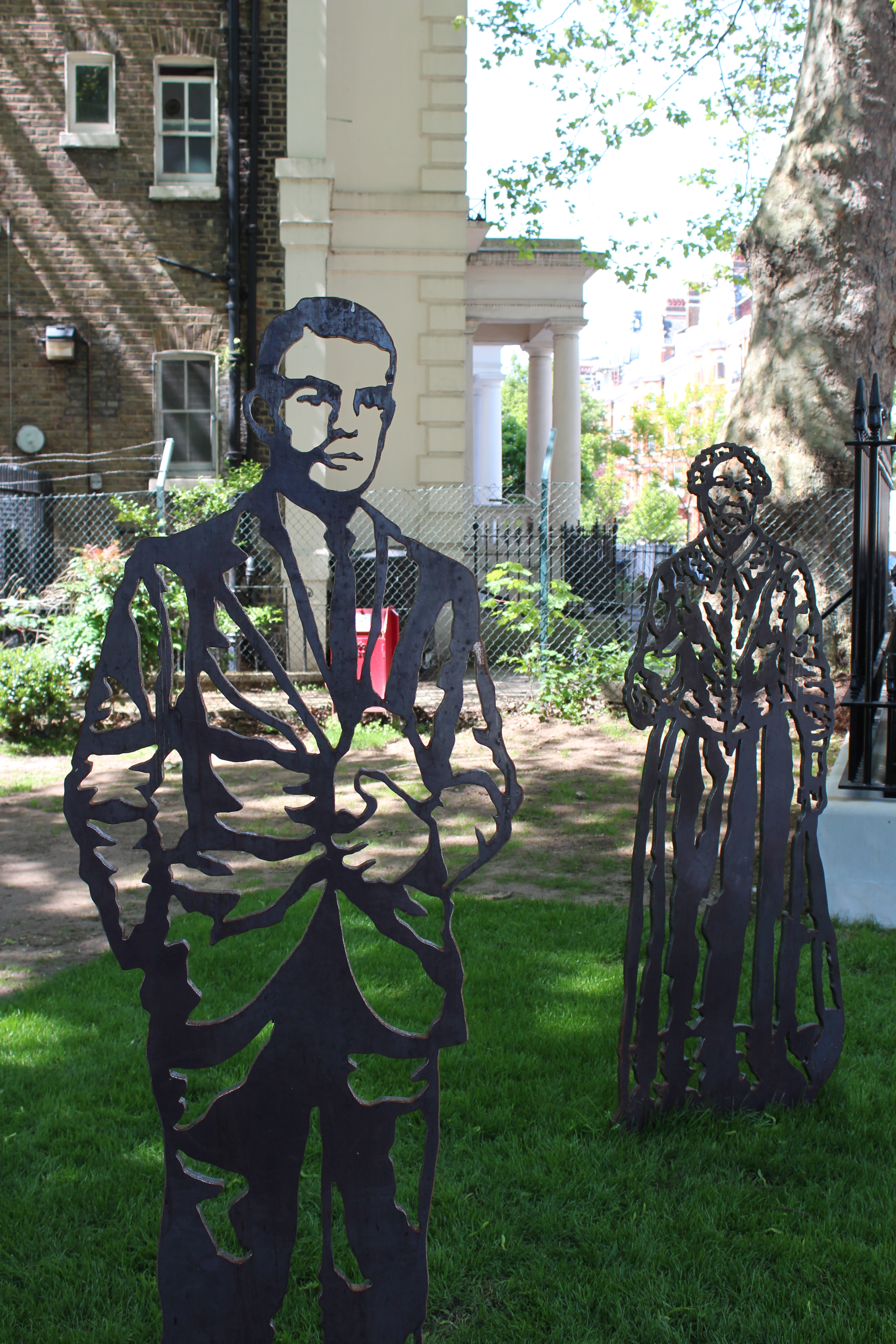
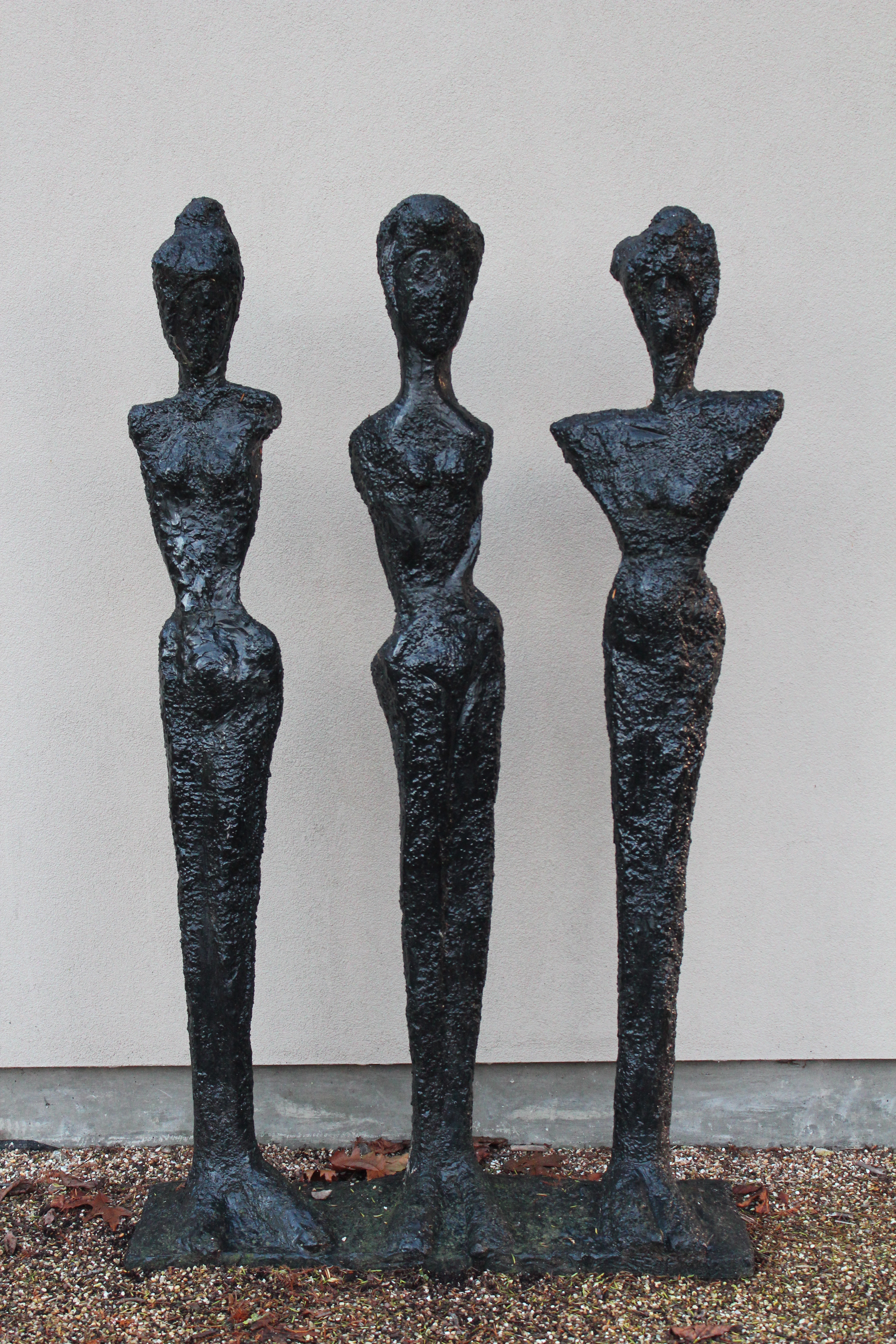
Some delightful new sculptures popped up recently in Paddington. A short stroll from the revamped canal areas around Paddington Basin, you can find these striking iron depictions of Michael Bond (and his famous creation, Paddington Bear), Alan Turing and Crimean War nurse Mary Seacole. Part of Sustrans’ nationwide Portrait Bench project, these new additions are well worth a quick diversion.

IMG_2403

And after visiting the Paddington Bear statue in Paddington Station, obviously you’ll be wanting more! While all three individuals lived in the area, Paddington creator Michael Bond is still a resident today. The Portrait Bench project sees the creation (along cycling paths) of groups of three life-size characters selected by the local community for the contribution they have made to local life, culture or history. They also provide a wooden bench, so you can stop awhile and admire the pieces.

IMG_2354

This series saw Sylvia Pankhurst, a towpath horse and a footballer immortalised in steel in Mile End Park in 2011, with Soul II Soul’s Jazzie B featuring among the freshly unveiled set outside Finsbury Park station. The sculptures themselves are two-dimensional, and made from Corten steel – the same material used for the Angel of the North – which is designed to rust nicely over time. Their style of outlined features reminds me of some street art, and I found the works often became better defined the further you moved away from them.

IMG_2401

Alan Turing was of course the computer science and artificial intelligence pioneer – generally heralded as the father of the computer – who also worked at Bletchley Park cracking German codes during the second world war. His country rewarded his immense talent by persecuting him for his homosexuality, leading to his suicide in 1954, aged just 41. He poisoned himself with cyanide – thought to be injested via an apple, and the day I visited someone had left several green apples at this feet (you can just make these out in the picture below). It’s fitting to see him immortalised here and standing proud against the ever-expanding skyline of modern London. The Science Museum is also currently holding an exhibition on Turing’s life and work.

IMG_2366

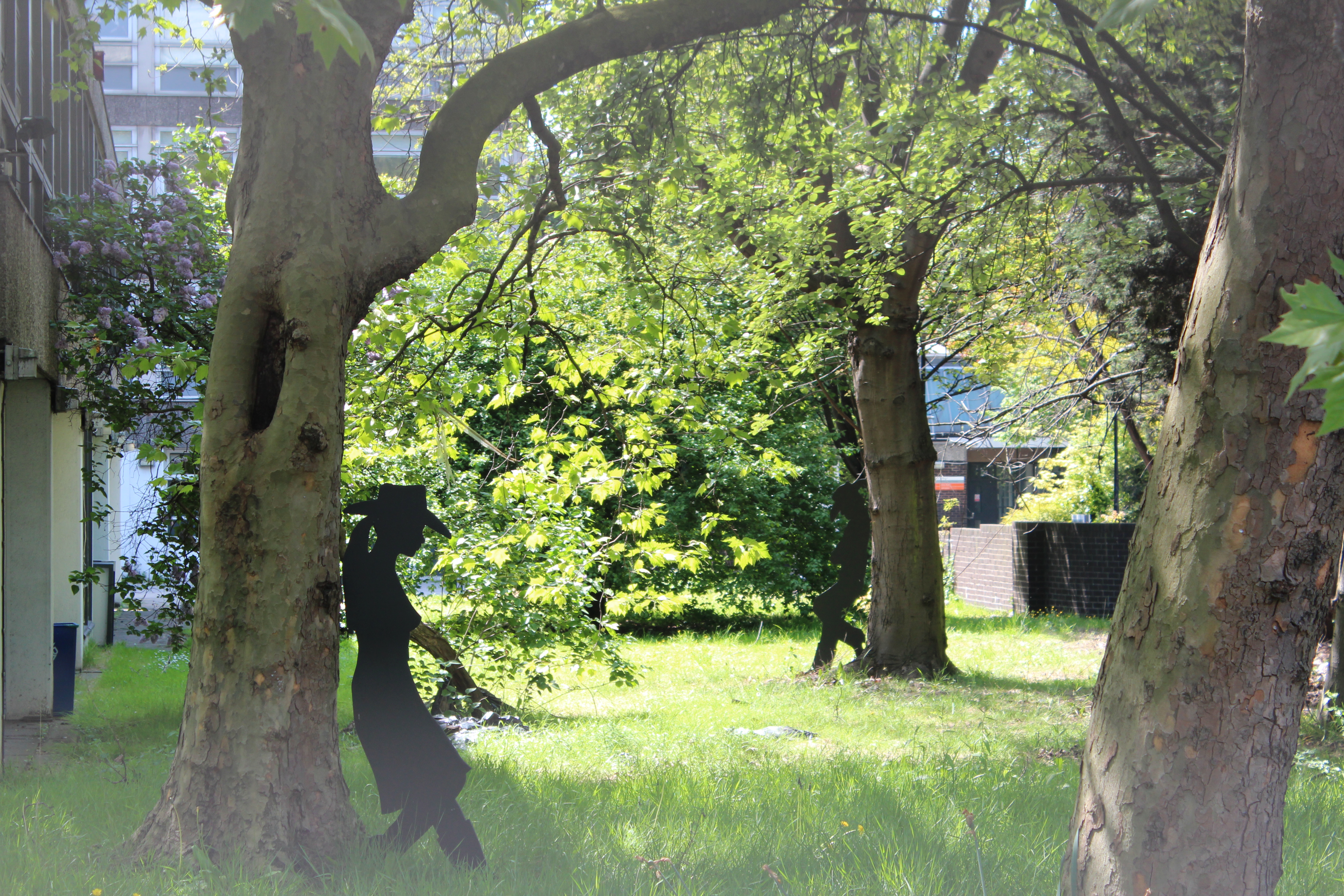
In a somewhat serendipitous moment, I just happened to notice some similar, silhouette-style sculptures across the road – which may soon be lost to London. These two figures below are languishing in a rather lonely state in the former campus of the City of Westminster College, currently a deserted development site. I can only assume they are former campus public art – and it seems a great shame they will probably be destroyed. If you want to see them while they are still there, take a peek through the fence along North Wharf Road, near the corner of Harrow Road. It may be a case of losing one set of sculptures just as we gain a new one…

The Sustrans’ Portrait Bench sculptures can be found in the small park to the east of the church of St Mary, Paddington Green.

IMG_2334

Orleans House Gallery

IMG_2060

If you’ve ever thought about visiting Twickenham’s Orleans House Gallery, now is a great time to go while it is hosting Arcadian Vistas: Richmond’s Landscape Gardens. Given that the English landscape garden movement was first nurtured here along the banks of the Thames, it’s hard to imagine a more fitting locale for this exhibition.

IMG_2088

Neatly divided into sections focusing on some of the more influential gardens, gardeners and garden designers of the movement – including Alexander Pope, Horace Walpole, William Kent, Kew Gardens and Chiswick House – the exhibition features mostly illustrations and paintings from the Richmond Borough Art Collections, nicely supplemented by some loans. A smaller collection of objects is also on show, including John Serles’ guide to Alexander Pope’s garden and grotto, alongside A Description of the Villa of Horace Walpole (describing nearby Strawberry Hill).

IMG_7805

Two large paintings depicting Arcadian Thames – Leonard Knyff’s A View of Hampton Court and Peter Tilleman’s The Thames at Twickenham – are also highlights. Don’t miss the gallery upstairs, where slightly more esoteric topics – follies, Chinoiserie, orangeries, water features and grottos – are featured, accompanied by some lovely examples of blue and white porcelain.

IMG_2080

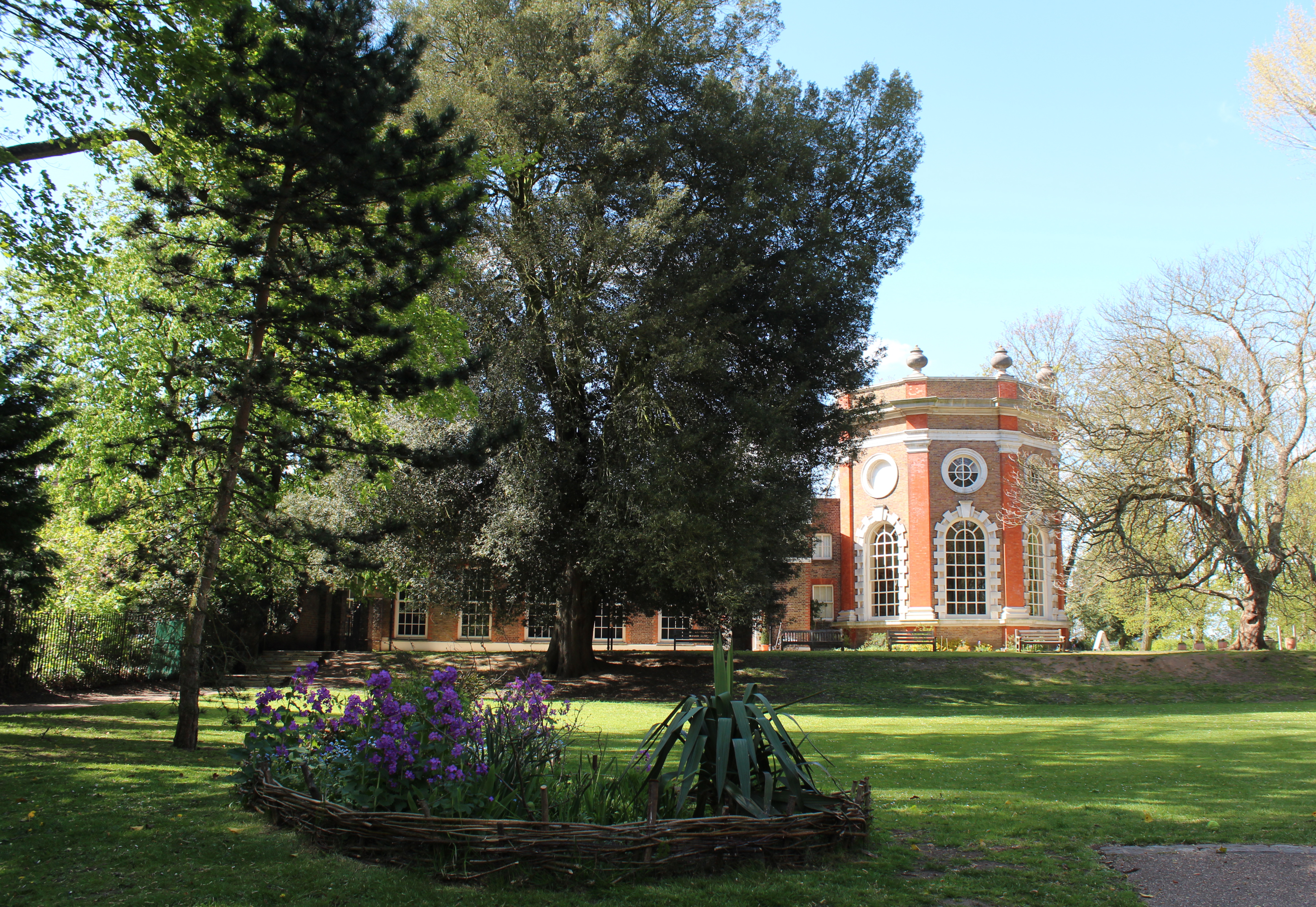
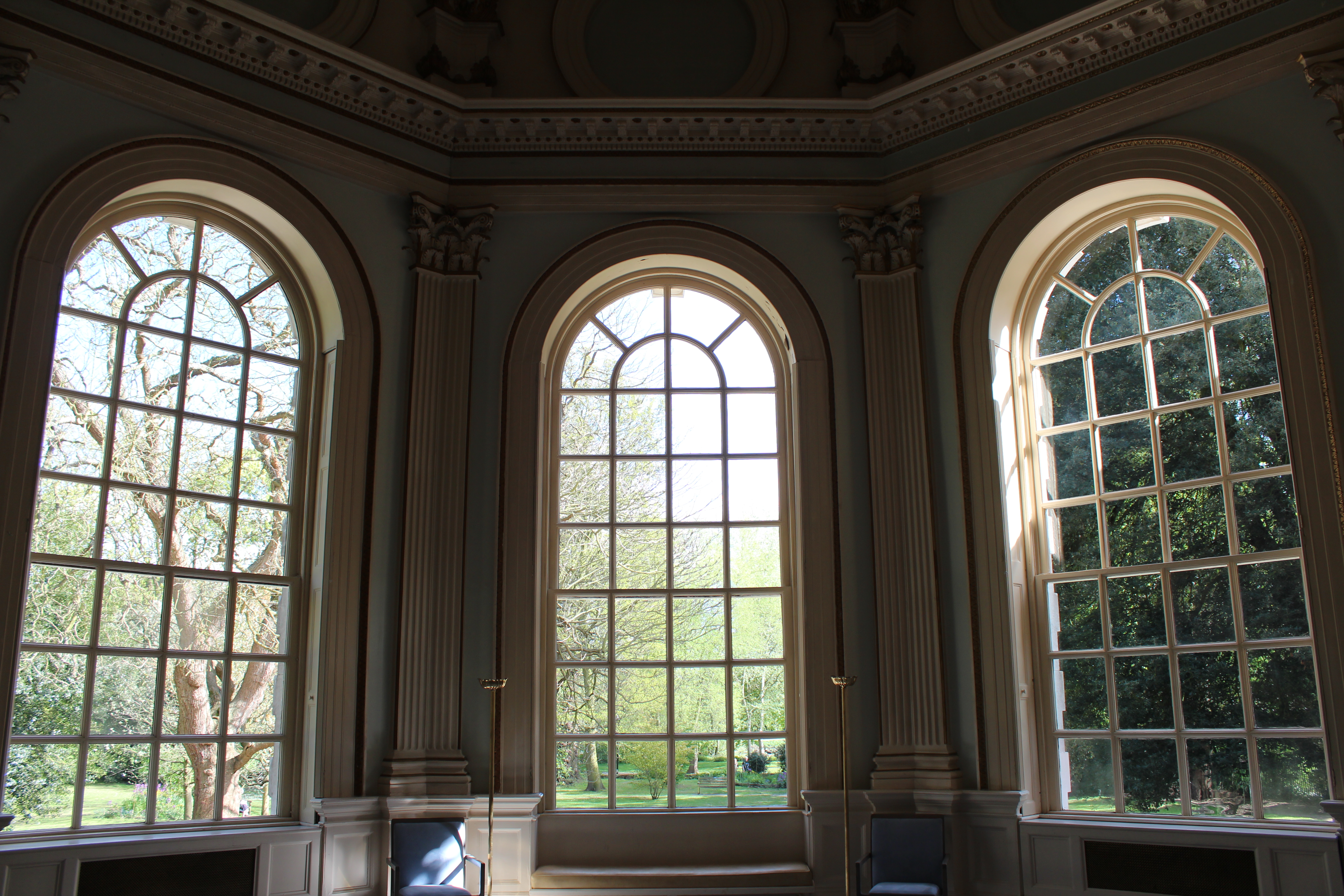
Sadly, Orleans House’s beautiful Octagon Room, a few adjoining buildings and the Stable block out the back are all that remains of what was once an extensive estate built in the early eighteenth century for James Johnston, Secretary of State for Scotland. The Octagon Room was actually a later addition, designed by James Gibbs (who also designed St Martin-in-the-Fields church) as a separate garden entertainment space for Johnston. The house acquired its name after it was rented to Louis Philippe, Duc d’Orleans, during his exile from France.

IMG_7720

After passing through a number of hands, the main house was finally demolished in the 1920s by a firm of gravel merchants. They failed to find any gravel on the site. Today, Orleans House Gallery and its Octagon Room are worth a visit – their interesting program of exhibitions is free and open to the public on most afternoons except Mondays (check online here, as times vary throughout the year). Marble Hill House and Grotto are just next door, and Ham House is but a scenic ferry ride across the Thames.

IMG_7804

Death in the south west

IMG_1706

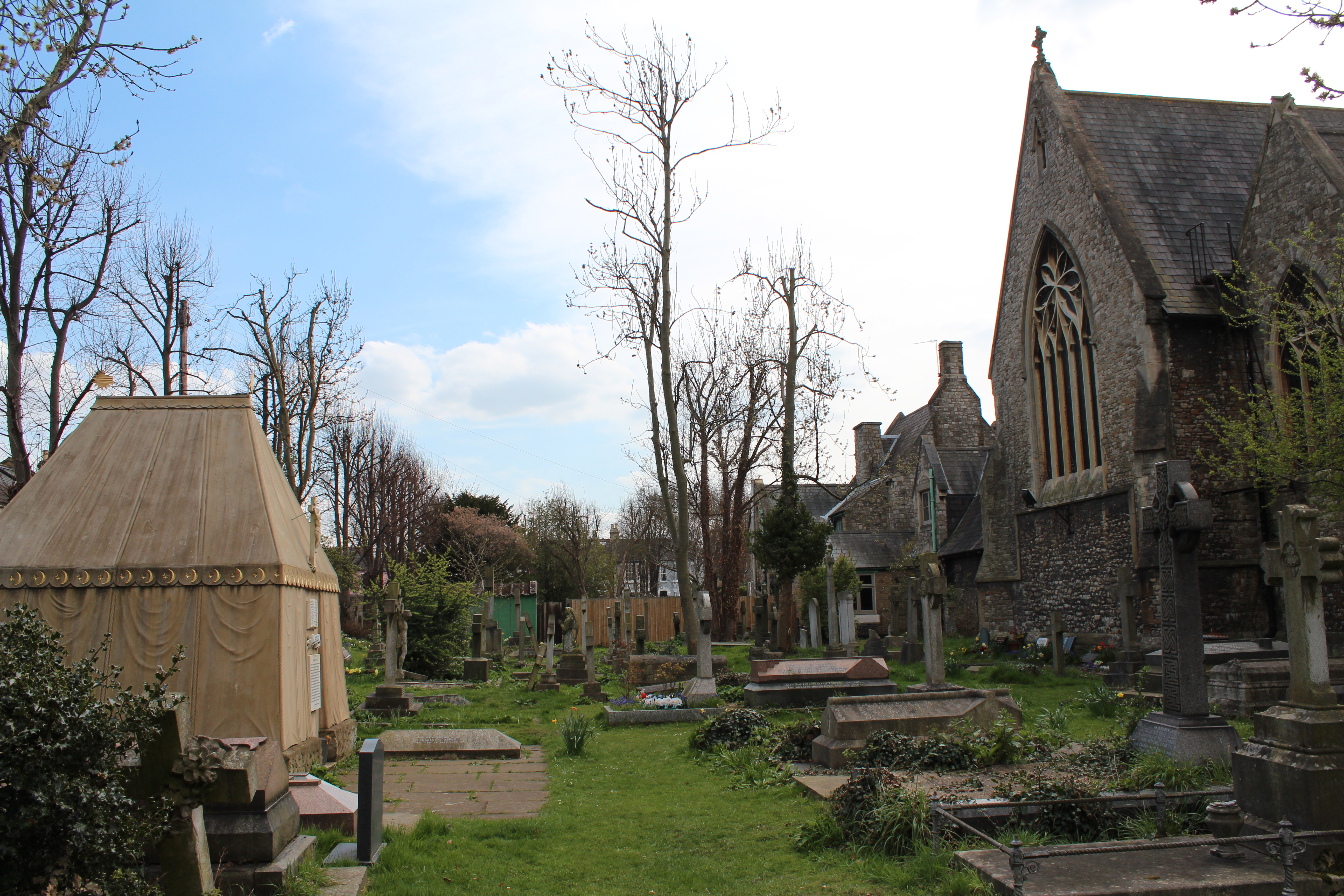
Surely the award for most unusual mausoleum in London goes to that of Sir Richard Burton (and wife) in Mortlake. Burton – the 19th century explorer and linguist, not the 20th century actor – has as his final resting place a 12 foot by 18 foot stone replica of a Bedouin tent, in the otherwise sedate graveyard of St Mary Magdalen Church. Burton spent much of his career in the Arab world, and features among his many claims to fame the penetration of the cities of Medina and Mecca, allowing him to secretly draw up plans of the latter’s Great Mosque.

IMG_1640

IMG_1736_2

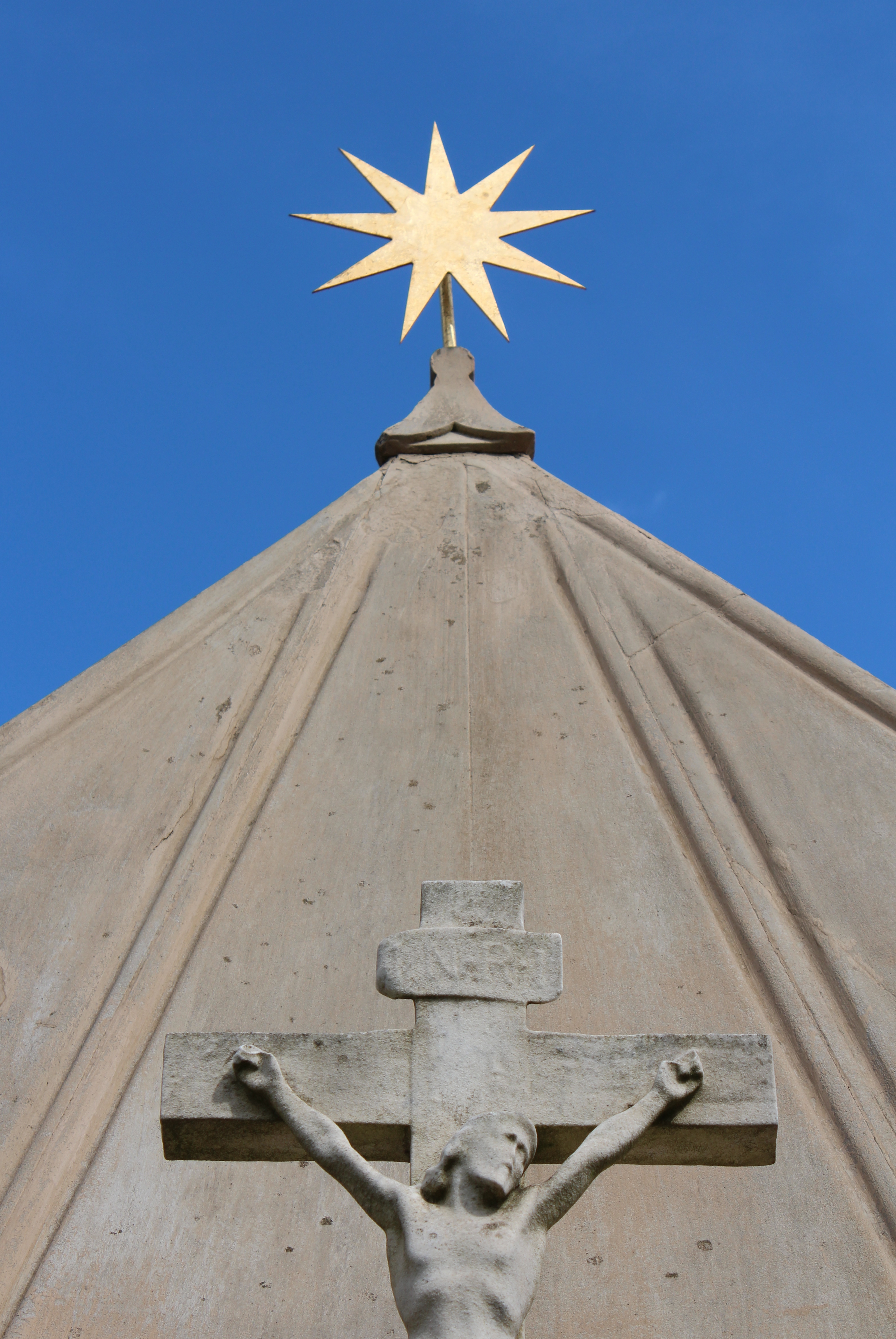
Hence the tent-like tomb, complete with its frieze of golden crescents and stars. But if that’s still not enough of a draw, step around the back for the big reveal. A metal ladder leads to a window in the mausoleum that allows visitors to see right into the ‘tent’ and take a look at the coffins of Burton and wife Isabelle Arundell in situ among some suitably Arabian artefacts. A mirror on the opposite wall reflects the Christian shrine along the wall directly below you.

St Mary Magdalen’s churchyard is open Monday-Friday 9-3.30, Saturday and Sunday 9-5, closing at dusk during winter. It is located just a few minutes walk from the Mortlake National Rail station.

IMG_1635

IMG_1683

Within walking distance of Burton’s tomb is Old Barnes Cemetery, situated within Barnes Common – once a favourite haunt of infamous highwayman Dick Turpin. I can recommend a nice stroll between the two along the Thames Path. Not to be confused with the nearby Wandsworth Cemetery, Old Barnes Cemetery is located near the Rocks Lane Multi Sports Centre. Once described as more desecrated than the battlefield burial grounds at Flanders, it has certainly suffered from years of neglect and vandalism – surely a record number of beheaded angels linger here.

IMG_1792

IMG_1837

The cemetery ceased to be used in 1966 when Richmond Borough Council purchased the site from the Church of England, demolished the chapel and lodge, removed the gates and railings, and left the place to fend for itself. I believe it has more recently had a bit of a clean up and is today a very atmospheric and eerie spot that is well worth a look; in some ways its overgrown state actually adds to its character. Due to the lack of fences around both the cemetery and the common, both are effectively open 24/7.

IMG_1811_2

I hope to bring you another unusual south west London mausoleum later in the year…

IMG_1826

Florin Court

IMG_1136

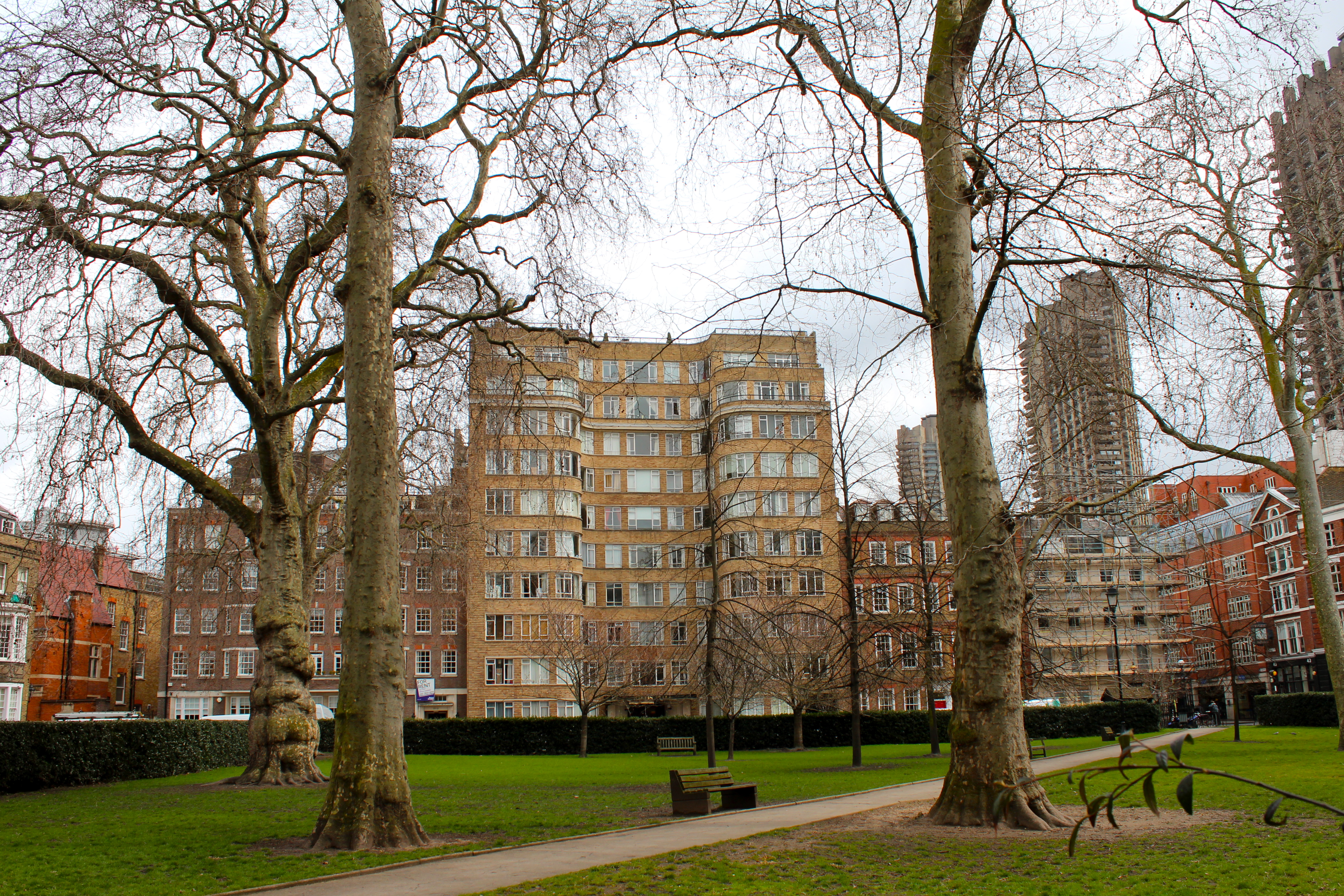
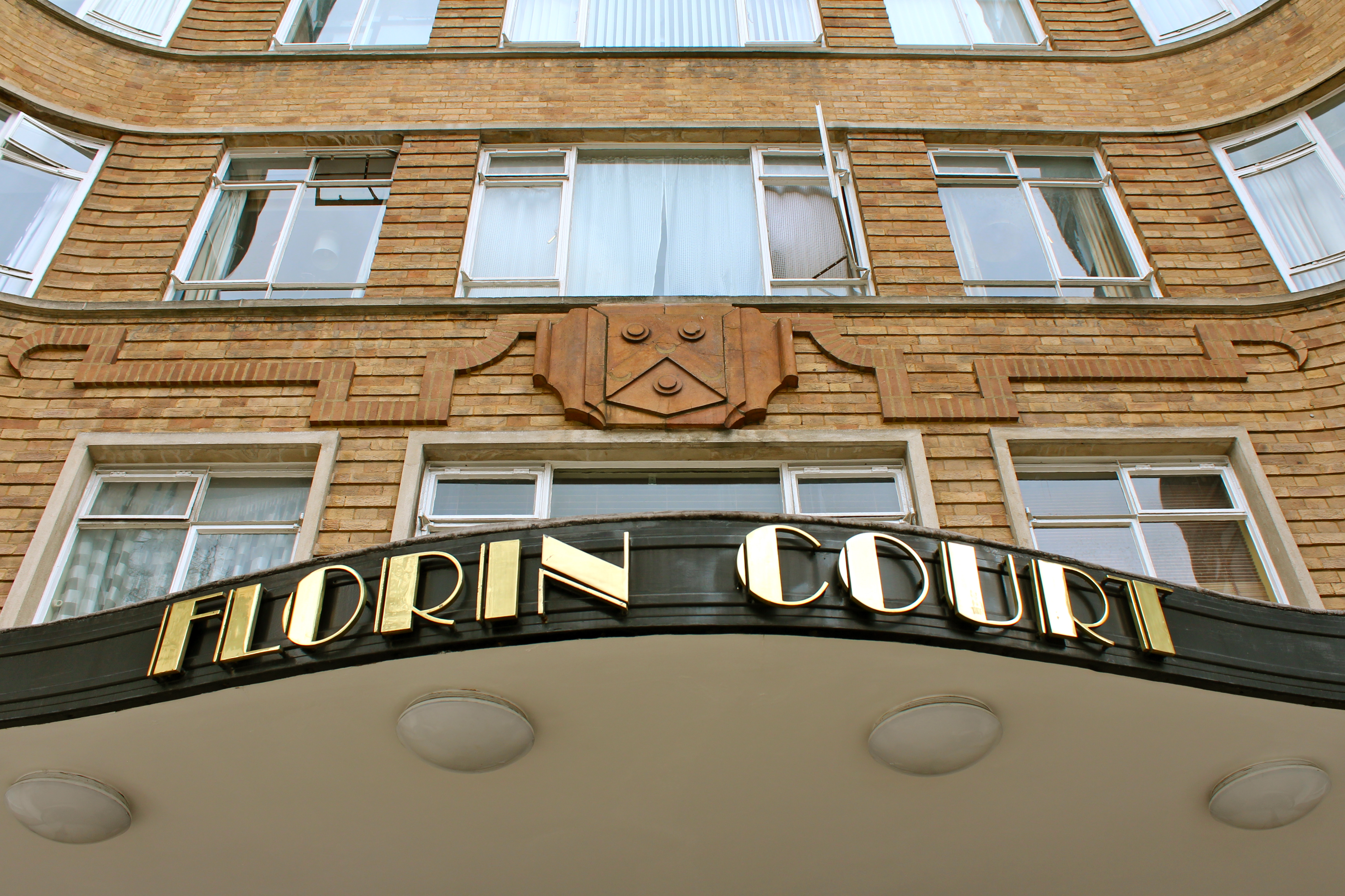
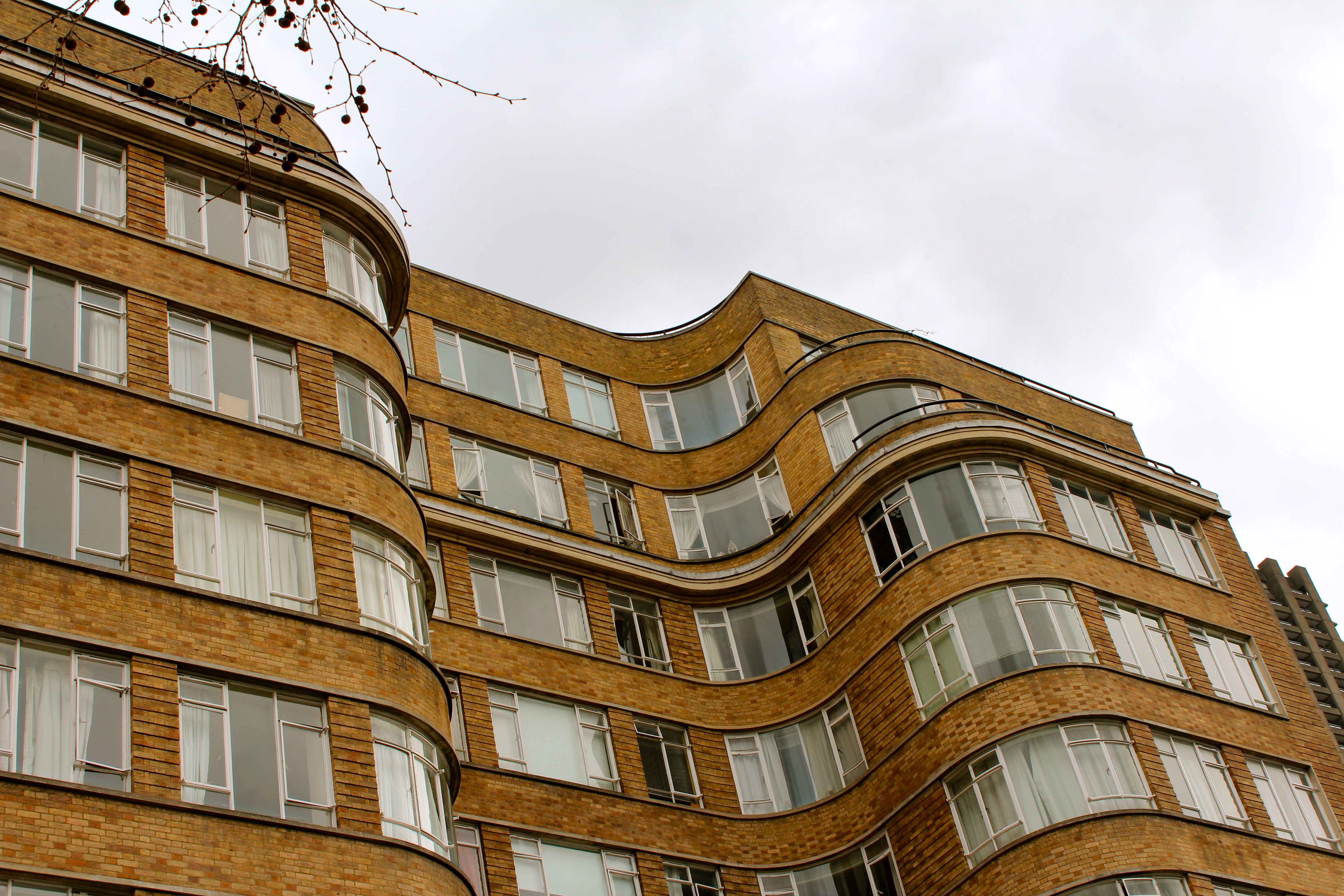
Forgive me if this post seems at all self-indulgent, but Florin Court is one of my favourite London buildings and I’m yet to write about it. Is it the luscious art deco curves, or the fact that it was home to Agatha Christie’s Hercule Poirot for much of the television series that draws me to these apartments? Probably a bit of both, to be honest…
IMG_1163_2

Built in 1936 by Guy Morgan and Partners, Florin Court (better known to Poirot fans as Whitehaven Mansions) is a delightfully modern(e) addition to the mish mash of architectural styles to be found in historic Charterhouse Square. With the Tudor buildings of old Charterhouse along the north of the square, and the Georgian beauties interspersed elsewhere, Florin Court more than holds its own on the eastern side.

IMG_1135_2

IMG_1212

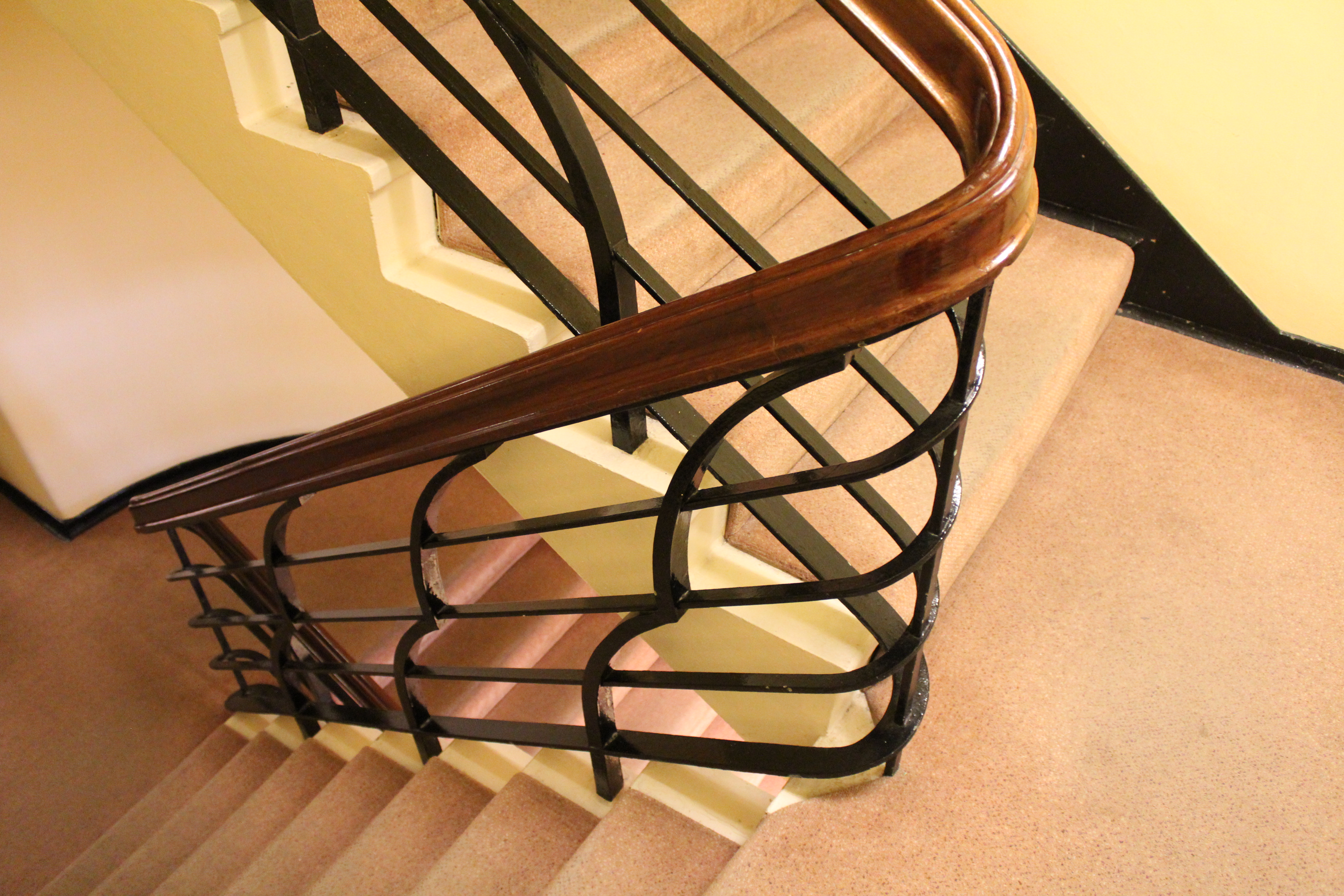
This ten-storey apartment block – composed of 120 flats – is also home to a roof garden, a basement swimming pool (pictured here), a gym and, intriguingly, a small library. Its original incarnation also included a diner and a cocktail bar. Florin Court’s interiors underwent a mostly sympathetic redesign in the 1980s by Hildebrand & Clicker architects. The foyer and staircases are more plain than I expected – though I’m a big fan of the cloud stair rail, a motif which is also seen on railings outside the building.

IMG_1243

IMG_1233

IMG_1227

The apartments themselves are said to be on the small side. Still, if it’s good enough for Poirot…And speaking of which, I was told while photographing Florin Court that Poirot (and a certain Ariadne Oliver) had recently returned to film some scenes in the entrance way and lobby – so Florin Court looks set for one final fling on the small screen.

Charterhouse Square, EC1M, straddles the divide between the City and Islington, and is located just north of Barbican tube station.

IMG_1104_2

IMG_1133_2

Wrapper

IMG_0332

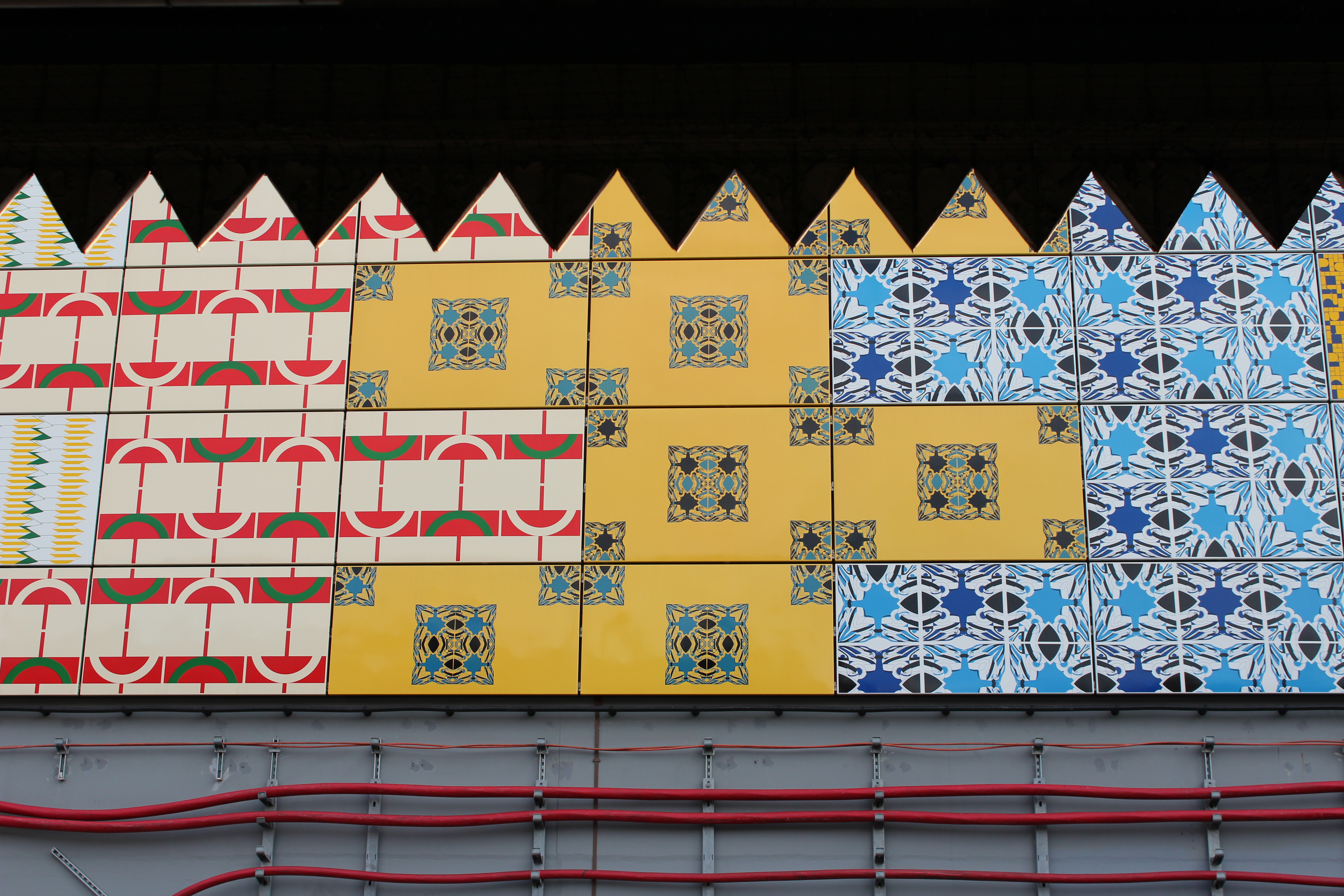
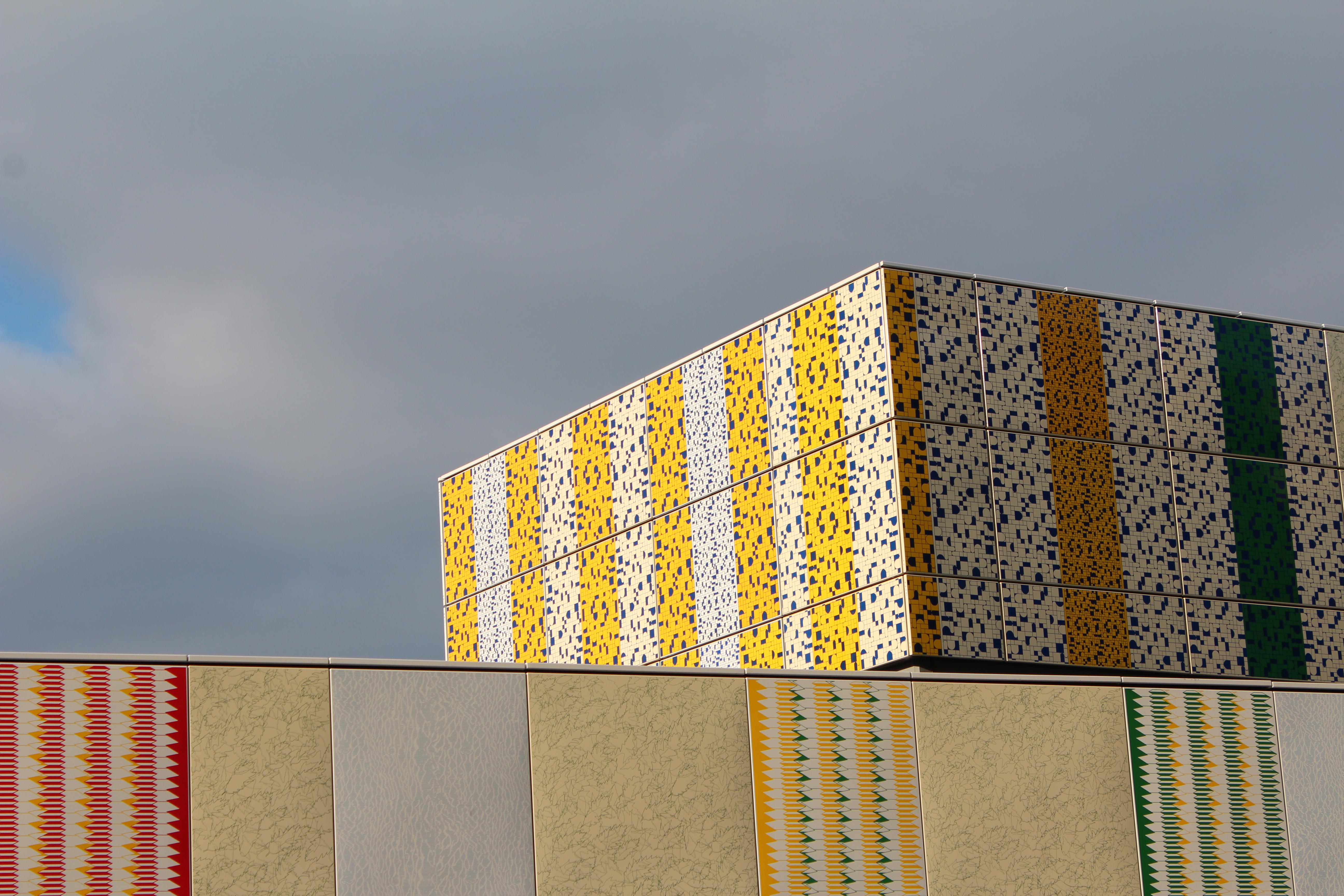
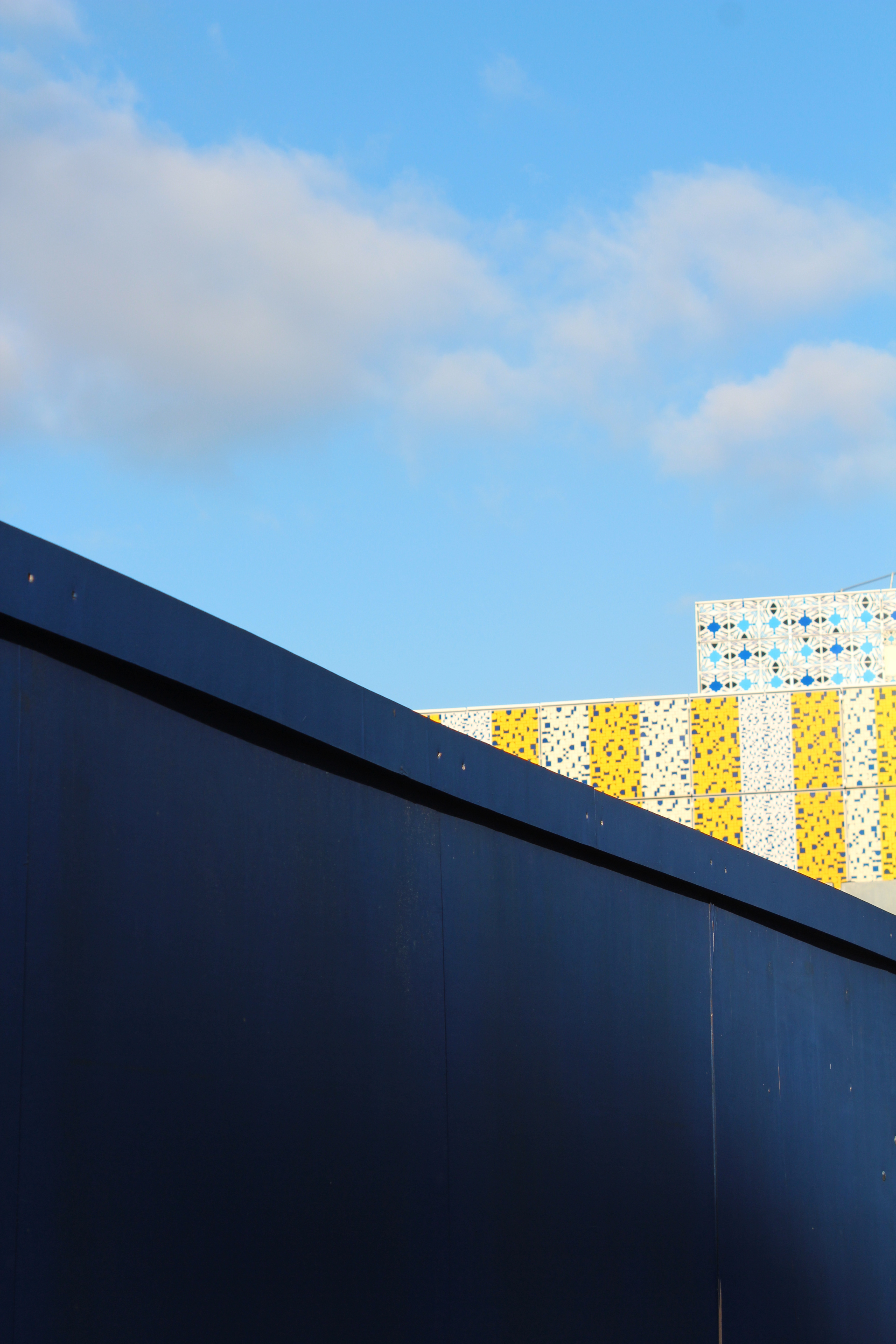
Stand on the platform at Edgware Road tube station (the Circle Line branch that is, not the Bakerloo line), face south, and you can hardly fail to notice WrapperJacqueline Poncelet’s latest work, which literally wraps the building above in 1,500 square metres of vitreous enamel. There’s much to like about this striking work – one aspect I find particularly fascinating is the way in which Poncelet uses patterns and colours to tell a story, a device often found in her work.

IMG_0442

As regular Tube travellers will soon guess, the colours employed in Wrapper reflect those used for various lines on the Tube map, in a nice hat tip to the building’s use. Poncelet’s research into the local area led to the inclusion of numerous references to local history, places, architecture, transport, waterways and people in the work’s patterns. Closer inspection reveals the leaves of Regents Park, water patterns that suggest the Tyburn stream flowing underground and Moorish tiles reflecting nearby Edgware Road.

IMG_0380

Some of the best views of Wrapper are gained from outside the station in Chapel Street. Both the variety of Wrapper’s patterns and the differing contours it follows around the building means that different stories and different views of the work are revealed depending on where the viewer stands. In this way, Poncelet’s design reflects the way in which the building is generally viewed in parts rather than in its entirety.

IMG_0448

Poncelet started her artistic career as a ceramicist but has since branched out. Wrapper’s abstract patterns were actually screenprinted onto the enamel surface. To give some idea of the massive scale of the work, over 700 enamel panels were used across approximately 1,500 square metres, making Wrapper not only Poncelet’s largest work but Europe’s biggest vitreous enamel artwork.

IMG_0411

Thanks to Joanna Moncrieff, City of Westminster Tour Guide and Westminster Walking blogger, who tipped me off about Wrapper after seeing it on one of her walks.

IMG_0437

IMG_0390_2