Vale of Health

Despite its name and current rarefied status, Hampstead’s mini-neighbourhood the Vale of Health actually started life as a bog variously known as Gangmoor or Hatchett’s Bottom – and was later home to factories, fairgrounds and laundering operations. It’s come a long way since – it is now said to be one of the most expensive residential areas in the world. It’s certainly one of the most exclusive, being composed of just a small hamlet’s worth of houses (and absolutely no amenities) entirely surrounded by Hampstead Heath. And while its name might suggest a former health spa or some such, the reality is that it probably originated as a euphemism or an invention aimed at changing the area’s tarnished image.
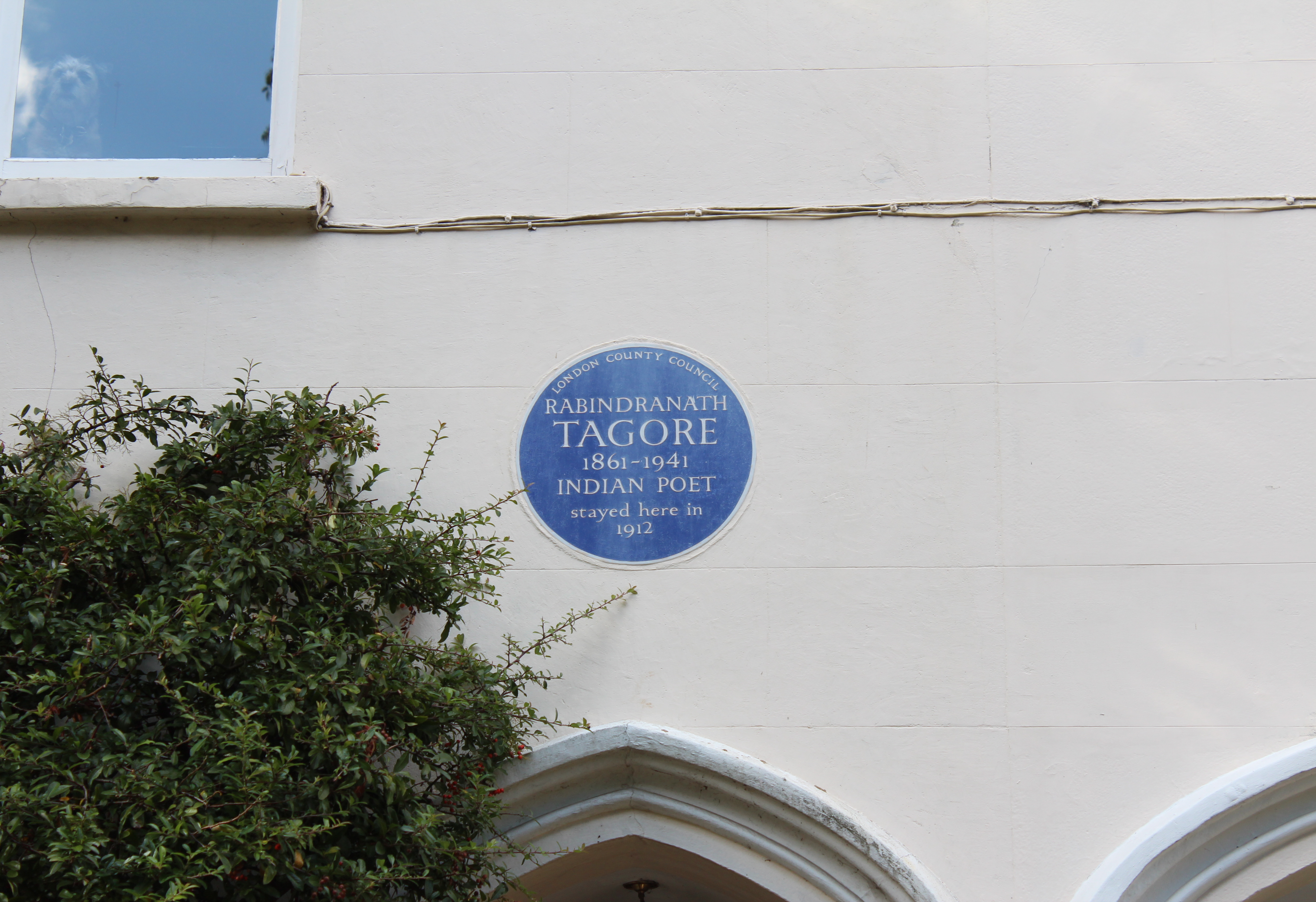
Please note the dog in the window.

Certainly the now purely residential nature of the Vale of Health was not always so – along with the odd factory, the area was once particularly popular with day-trippers (especially after the railway came to town) and was home to tea-houses, boat rides, grottoes, arbours and a fairground. Though the merry-go-rounds and slot machines were packed away some time ago, the legacy of these more giddy days continues with the existence of what would otherwise have been one of the least likely caravan parks in London, which abuts the Vale along one edge. Today it is still inhabited by fairground employees, and has been owned by the same family for over a century.
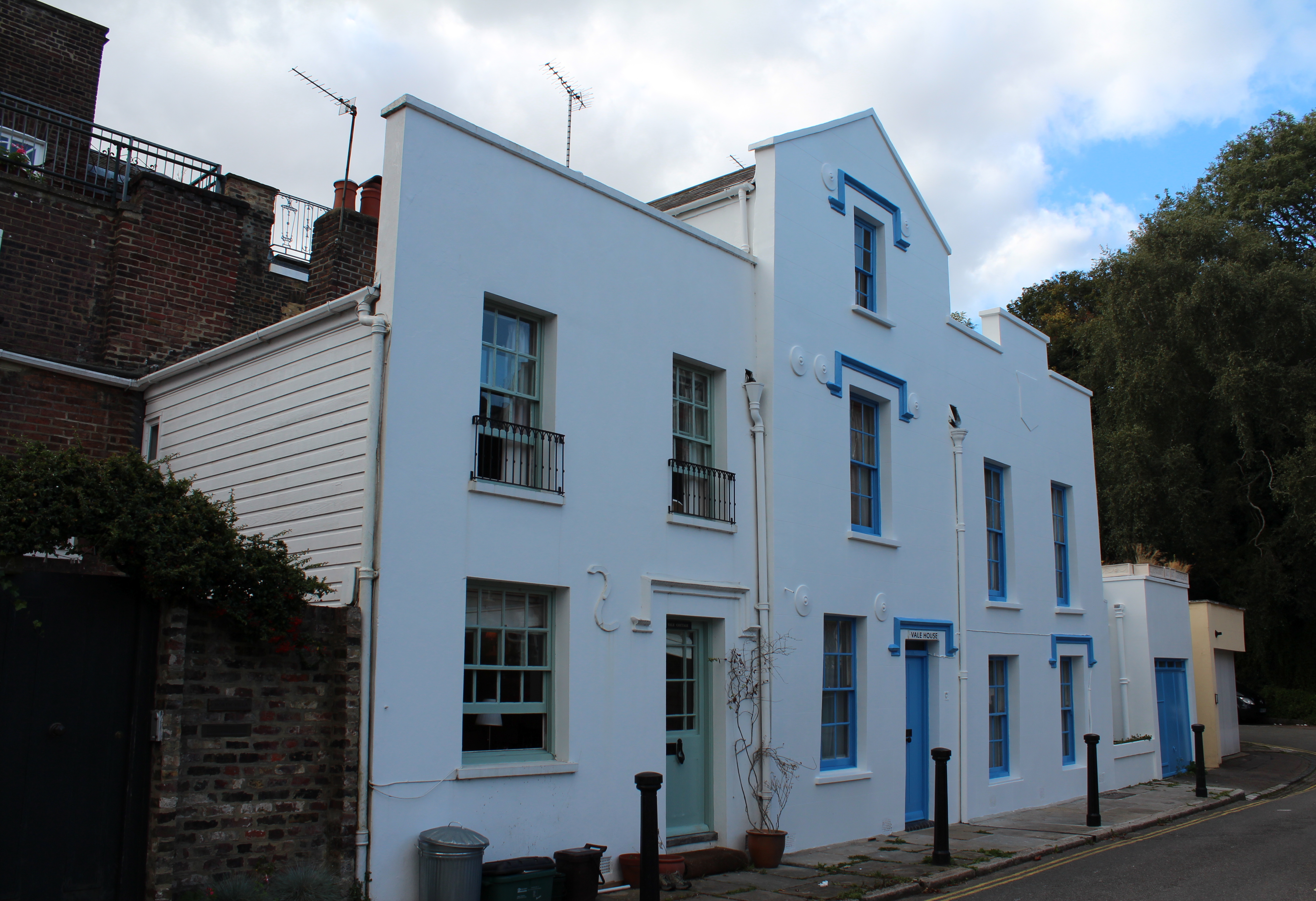
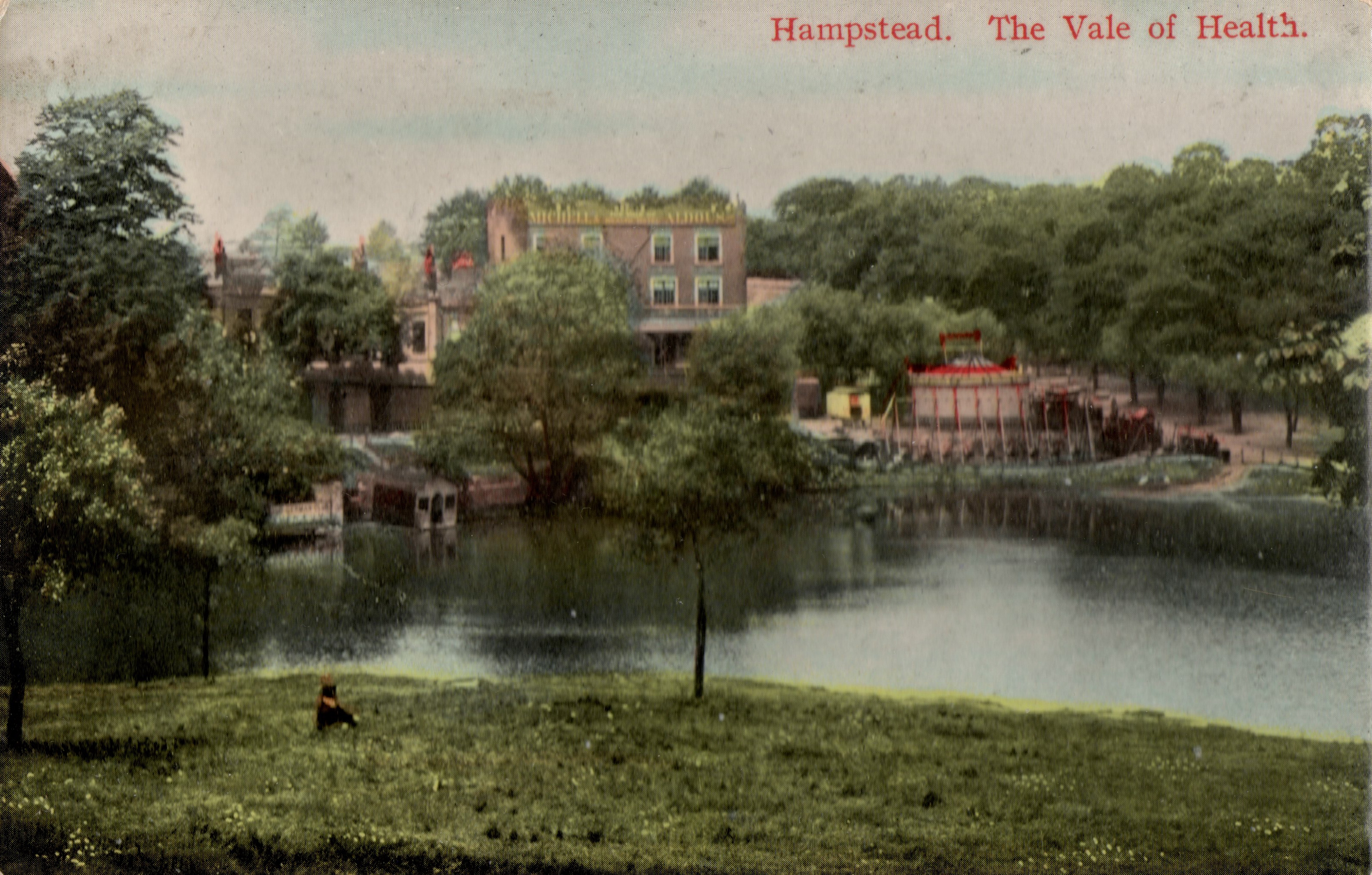
I first stumbled across the Vale of Health by complete accident while exploring Hampstead Heath. I’d remembered it as a quaint semi-village full of white houses. This recollection was only partially correct  – there are indeed a number of white residences but not exclusively so and these share space with two more modern apartment buildings. These flats were built on land once occupied by the two hotels in Vale of Health and have a lovely setting over the pond on one side of the settlement (see the before and after images below). Building in the Vale was severely curtailed in 1872 when the Metropolitan Board of Works bought the heath, limiting construction to the existing area.
By 1890 there were 53 houses in the area – and it’s much the same today, with the residences strung out along the one main road (called Vale of Health), an unnamed side road (where the apartments are) and a series of interconnecting alleyways behind these. It is a fascinating little area to explore or stumble across, with an unusual history and a number of listed buildings. Two blue plaques can be found for previous residents DH Lawrence and Rabindranath Tagore. It’s well worth a detour when you’re next rambling across the heath.

The Vale of Health can be reached via East Heath Road. The closest tube station is Hampstead Heath on the northern line.

Sandys Row Synagogue

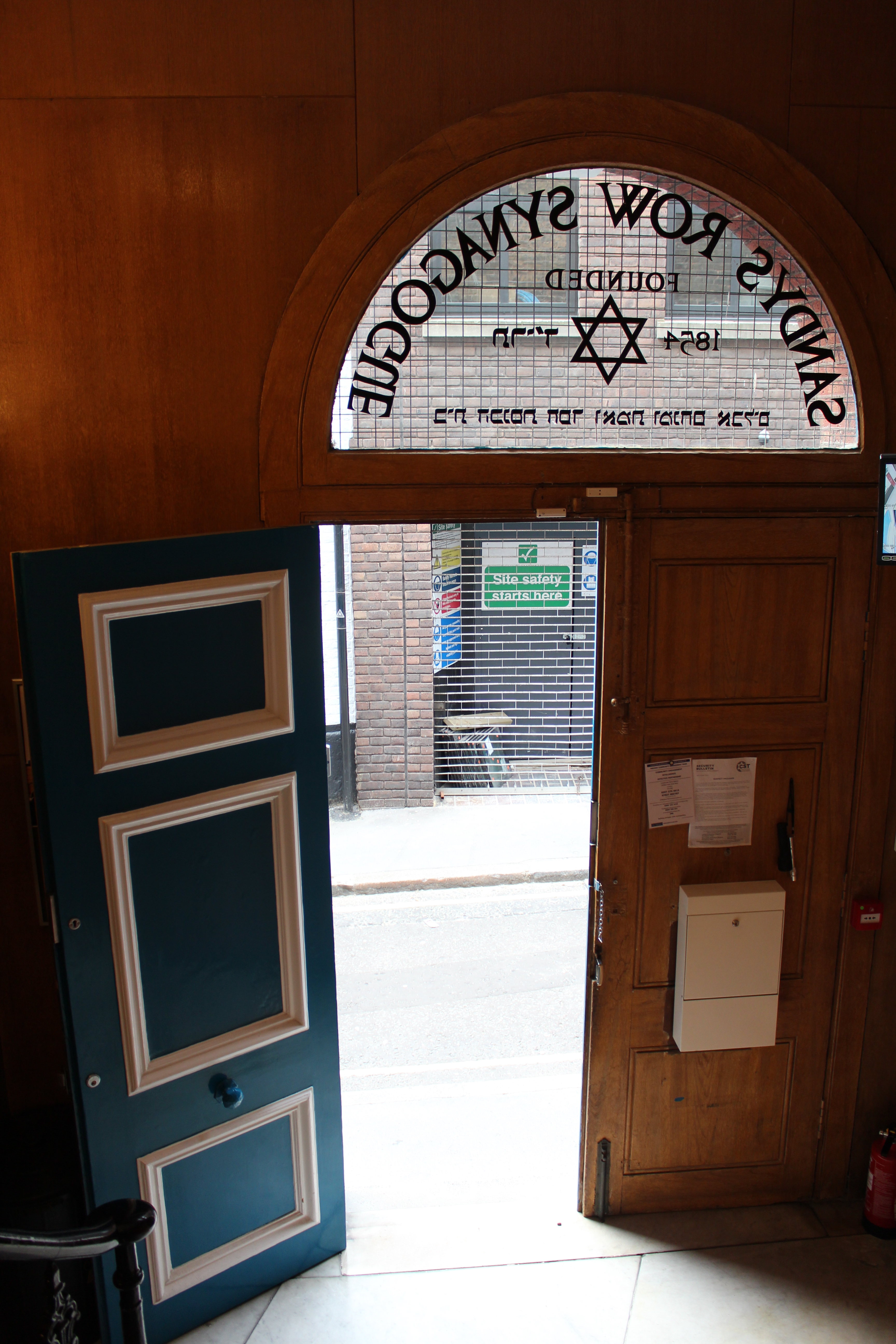
Hidden behind a fairly nondescript brick frontage in one of my favourite warrens of old streets in Spitalfields is London’s oldest Ashkenazi Synagogue – Sandys Row. Sandys Row actually started life as a Huguenot church (circa 1763) and was later a place of worship over many years for various Baptists congregations. The local Jewish community – composed primarily of Dutch Ashkenazi workers – created a fellowship in 1854 and took ownership of the site in 1867.

Utilising the chapel’s balcony as the women’s gallery, they also instigated a re-design to create the new main entrance on Sandys Row. The old entrance on the eastern side can still be seen today in its bricked-up form on Parliament Court, the alley behind the synagogue. It was relocated as the Torah Ark (a cabinet containing the synagogue’s Torah scrolls) needed to be housed on this side as it’s the closest to Jerusalem. Following the destruction of the Great Synagogue of London in Aldgate during the Blitz, Sandys Row became London’s oldest Ashkenazi synagogue.

Today Sandys Row is Spitalfield’s last surviving, operational synagogue – in an area that was once home to a flourishing Jewish community. After years of a declining congregation, it has experienced a renaissance of late, with an increasing number of Jewish families moving back into the area and board members who are keen to open the synagogue to visitors. A recent £250,000 English Heritage restoration project allowed for the repair of the Huguenot roof, which had been badly damaged by vibrations from exploding bombs in the Second World War.

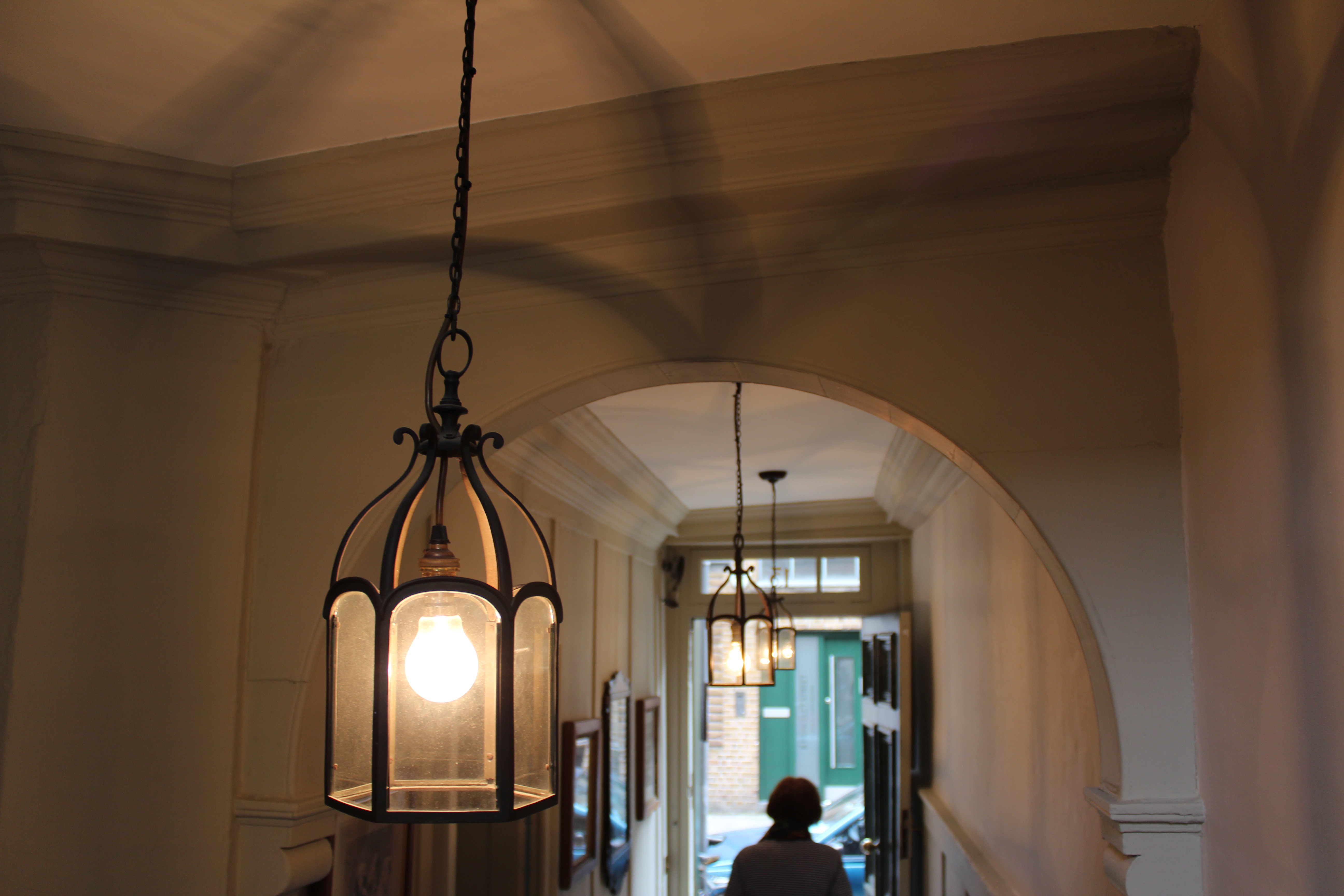
A rare glimpse of the human face in these lights – not usually depicted within synagogues.

Currently on display in Sandys Row is a series of fascinating 1912 street photography of the local area by C.A. Mathew. Mathew was an Essex-based photographer – these photographs represent his only surviving body of work. They show a heavily populated Spitalfields that is at once both familiar and unfamiliar: some areas have changed out of sight while others are surprisingly recognisable. Anyone familiar with the wonderful Spitalfields Life blog will probably have read some of the Gentle Author’s pieces about Mathew’s work – or even about Sandys Row itself.

Mathew’s photographs will be on display until February 2013 – Sandys Row is open to the public on Sundays from 10:30am-4pm, but check their calendar to confirm as the synagogue may be booked for private events on some dates.

http://sandysrow.org.uk/

Spitalfields sleepovers

Unless you happen to belong to the ranks of the mega rich, buying a lovely former weaver’s home in Spitalfields is probably pretty much out of the question these days. But the good news is that you can take a short break in one. Both the Landmark Trust – who specialise in restoring historic buildings for holiday lets – and the owner of 5a Fournier Street currently have lovely Spitalfields residences available for short stays. The Landmark Trust’s 13 Princelet Street held on open day recently (which they do annually), so I can show you some of what’s on offer.

Princelet Street was amongst the first streets to be developed in Spitalfields (circa 1705-1720), and was home to some of the most prosperous residences in the area. Number 13 (previously known as number 21) was initially built and leased by a stonemason in 1718-19, but was later inhabited by silk weavers. When Peter Lerwill – who bequeathed the property to the Landmark Trust – bought the property in 1984 it was in a sad state, but happily still retained its eighteenth century layout and much of its original joinery. Lerwill’s substantial restoration project meant that by the time the property came to the Trust they had little to do to it other than a spot of basic re-decoration, which has included a nice line in photos, maps and illustrations of the area.

Another particularly attractive feature of the house – in addition to its wonderfully sloping wooden floors and staircases – are the fascinating views of the old neighbourhood that can be glimpsed through many of the windows. And I have to mention the fireplaces with their delft tiles. The Princelet Street property has one double bedroom (with ensuite) and two twin bedrooms, as well as ample sitting and dining areas on the ground and first floors. Prices vary over the year, but upcoming prices listed online include £838 for four nights in December and £644 for the same in February. And remember that as the property sleeps six you could share the expense amongst six adults.

5a Fournier Street is also a former weaver’s abode, dating from 1720, and featuring similar period details, such as wood panelling and floorboards, while also containing direct views of Christ Church just across the road and an old weaver’s loft. There are two bedrooms, one with a double bed, the other a four-poster king-size bed. Rates range from £600 for four people for three nights.

Another option: 5a Fournier Street, with Town House at number 5.

5a is located directly above Town House at number 5 Fournier Street, which contains a lovely shop, small gallery and coffee and cakes. Well worth a look in its own right for its discerning stock and excellent coffee, it also offers you another glimpse into an old Spitalfields home – grabbing an espresso in the basement kitchen feels much like hanging out at a friend’s house. The gallery is currently featuring an exhibition of striking black and white photographs of the Square Mile by Anthony Jones (on until 21st October), so now is an excellent time to drop by.

This is history that you can live in – if only for a short while!

Landmark Trust Princelet Street

5a Fournier Street/Stay in Spitalfields

Town House

Book Review: The Regent’s Canal

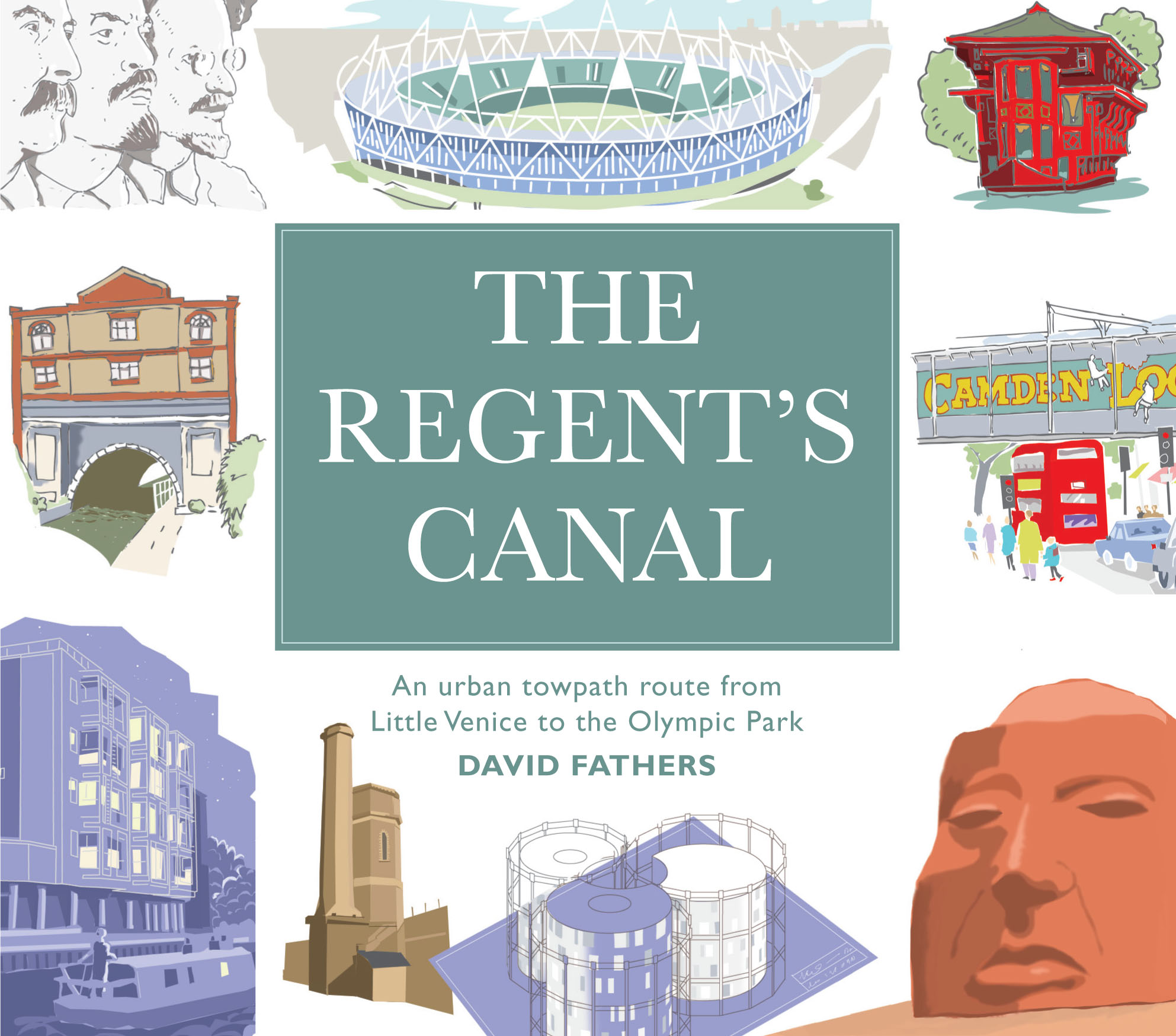
Image: David Fathers, ‘The Regent’s Canal’, Frances Lincoln

One of the best aspects of David Fathers’ new guide to the Regent’s Canal is the way that it clearly brings together what can otherwise seem like a quite disparate system of canals that run through London. This process commences from the very start of the book, with the inclusion of a map showing the full extent of these waterways, from Maida Vale’s Little Venice to Olympic Park. As the way the Regent’s Canal links up with the Hertford Union Canal, the Limehouse Cut and the River Lee Navigation is not always immediately obvious, this guide helps facilitate exploration of what is a fascinating and diverse – and often over-looked – route through our fair city.

Image: David Fathers, ‘The Regent’s Canal’, Frances Lincoln.

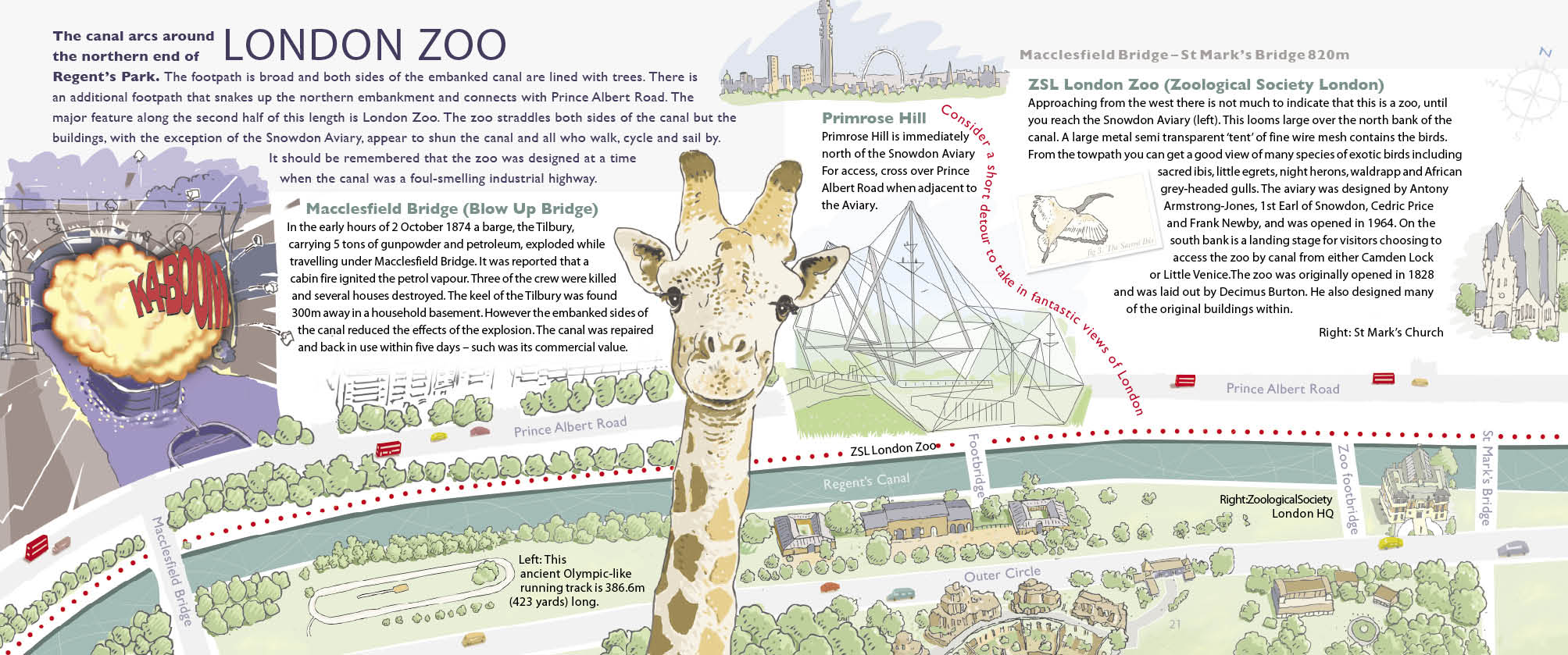
Author David Fathers trained as a graphic designer and now works as an illustrator, so it’s no surprise that his book is full of delightful illustrations and images and has an attractive yet practical layout. Every page follows a section of the waterways across London from west to east, with the closest tubes or rail links clearly marked. Fathers doesn’t just stick to the major points of interest either – fascinating historical snippets and glimpses into the lives of famous residents are also included. For example, the house where playwright Joe Orton was murdered is listed, as are details about the accidental explosion of the Macclesfield Bridge (near Regent’s Park) in 1874 – all of which makes for a pleasantly idiosyncratic guide.

The guide’s handy size also means that it is easily carried with you on the trek you should now be inspired to take along London’s waterways. The Regent’s Canal: An Urban Towpath Route from Little Venice to the Olympic Park is published by Frances Lincoln on 4th October 2012 – just in time for the 200th anniversary of the first cutting of the canal.

http://www.franceslincoln.co.uk/en/C/0/Book/3419/The_Regent’s_Canal.html

Image: David Fathers, ‘The Regent’s Canal’, Frances Lincoln.

Crossness Pumping Station

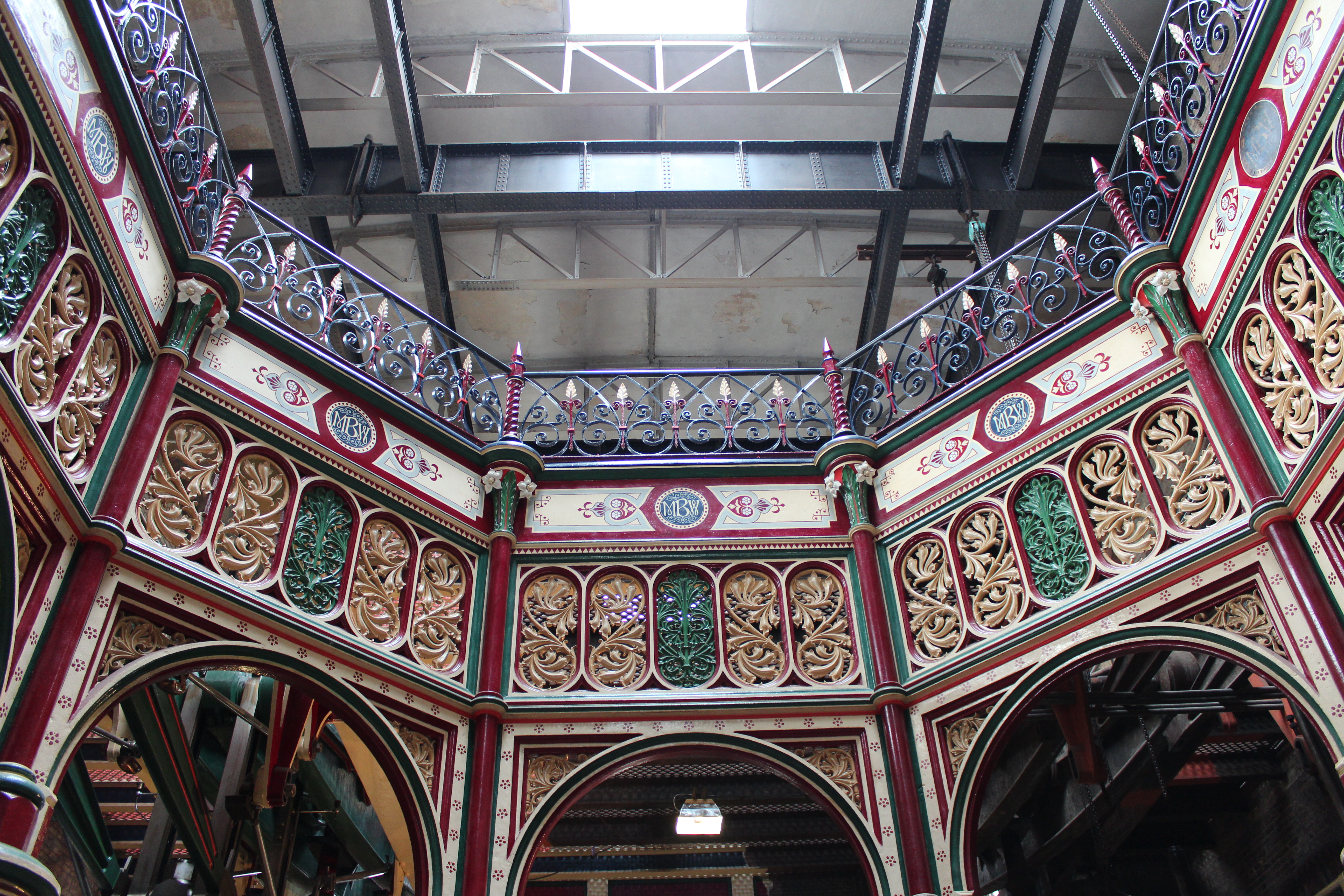
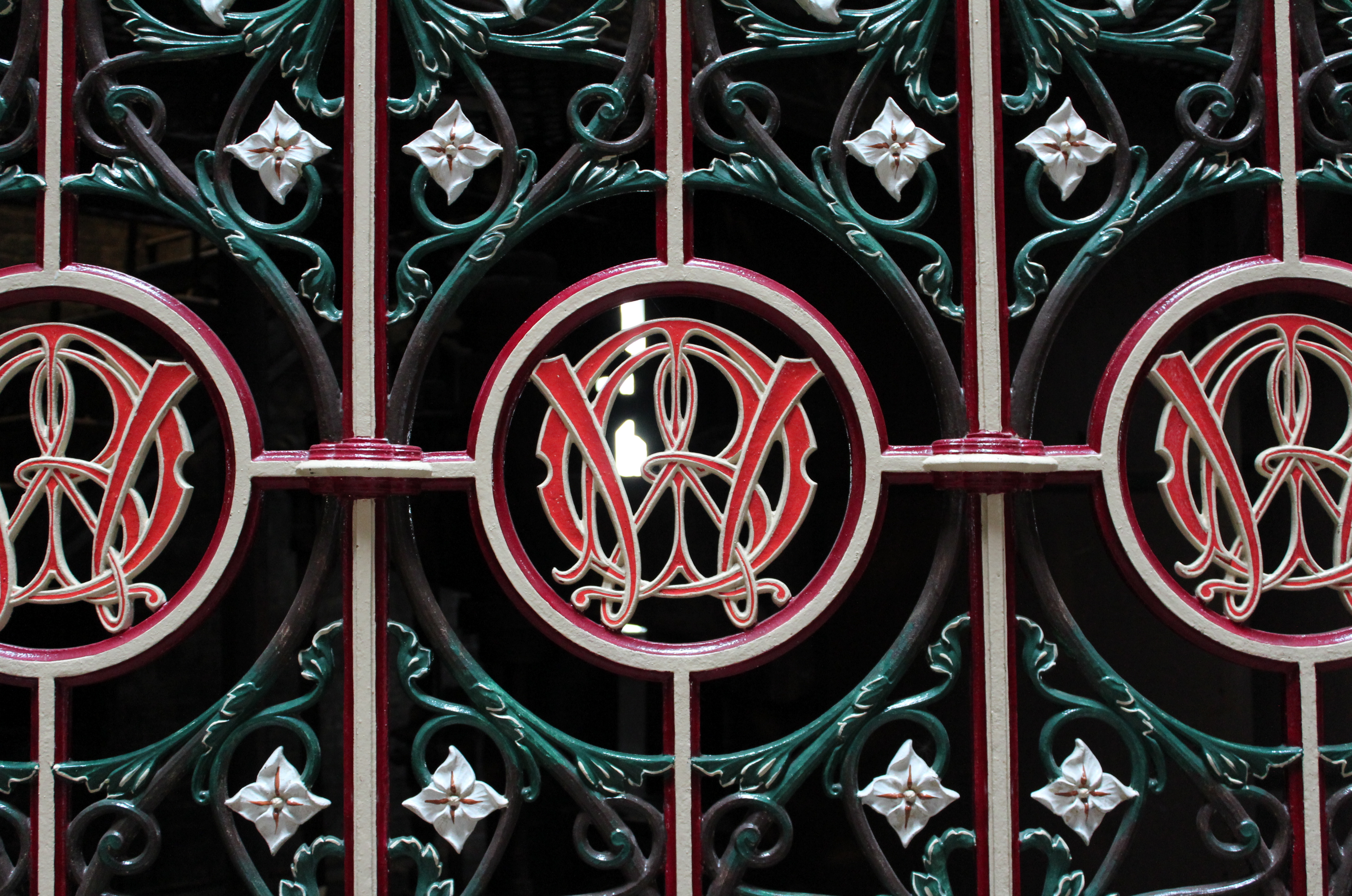
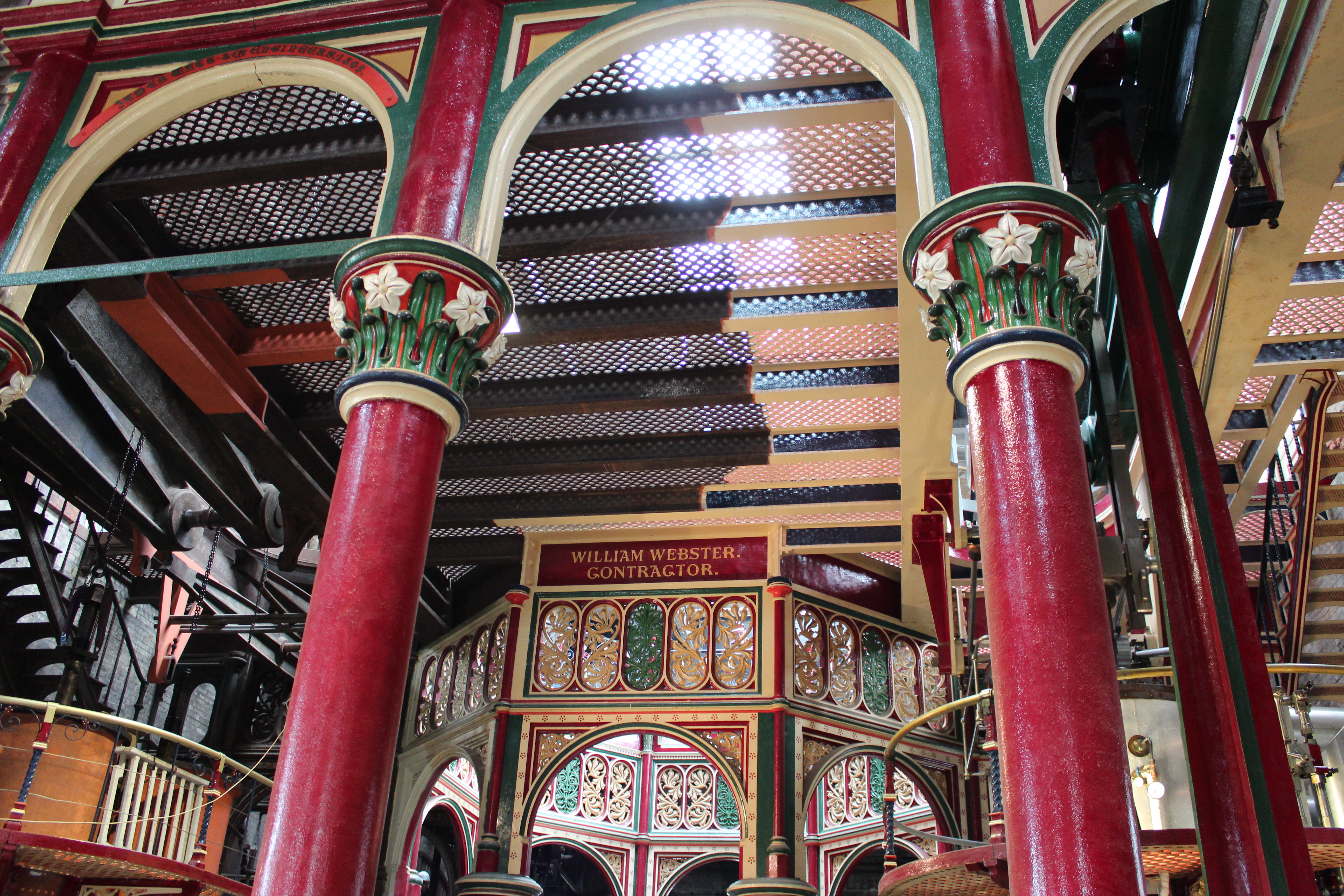
Those Victorians definitely didn’t do things by halves. I don’t know about you but if I was designing something highly practical like, say, a sewage pumping station, I’d probably be inclined towards a design that was fairly basic, plain and, well, practical. Not so with the Crossness Pumping Station, whose highly ornate cast iron belies a decidedly less pretty purpose…

In the unusually hot summer of 1858 the Thames became so unbearably polluted with sewage that Parliament hung special curtains soaked in chloride of lime in a effort to hide the smell and the politicians realised they finally needed to act – this became known as the Big Stink or the Great Stink. The engineer Joseph Bazalgette (who also engineered most of the embankment of the Thames) was tasked to find a solution, and designed 85 miles of new sewers to replace the many that emptied into the Thames. Part of this new system involved the construction of a number of new pumping stations, the only one of which surviving in any reasonable form is Crossness, near Thamesmead, which opened in 1865.

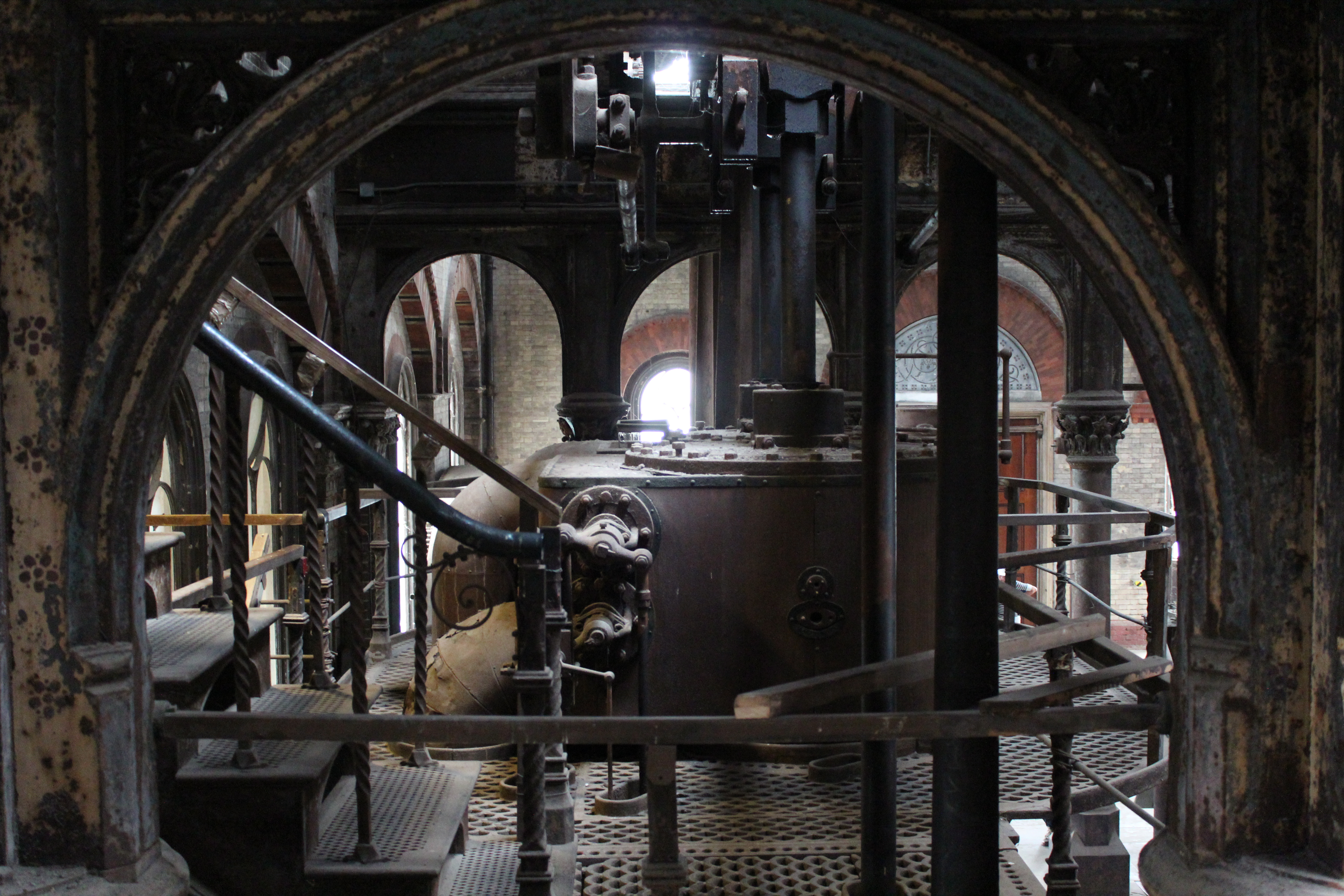
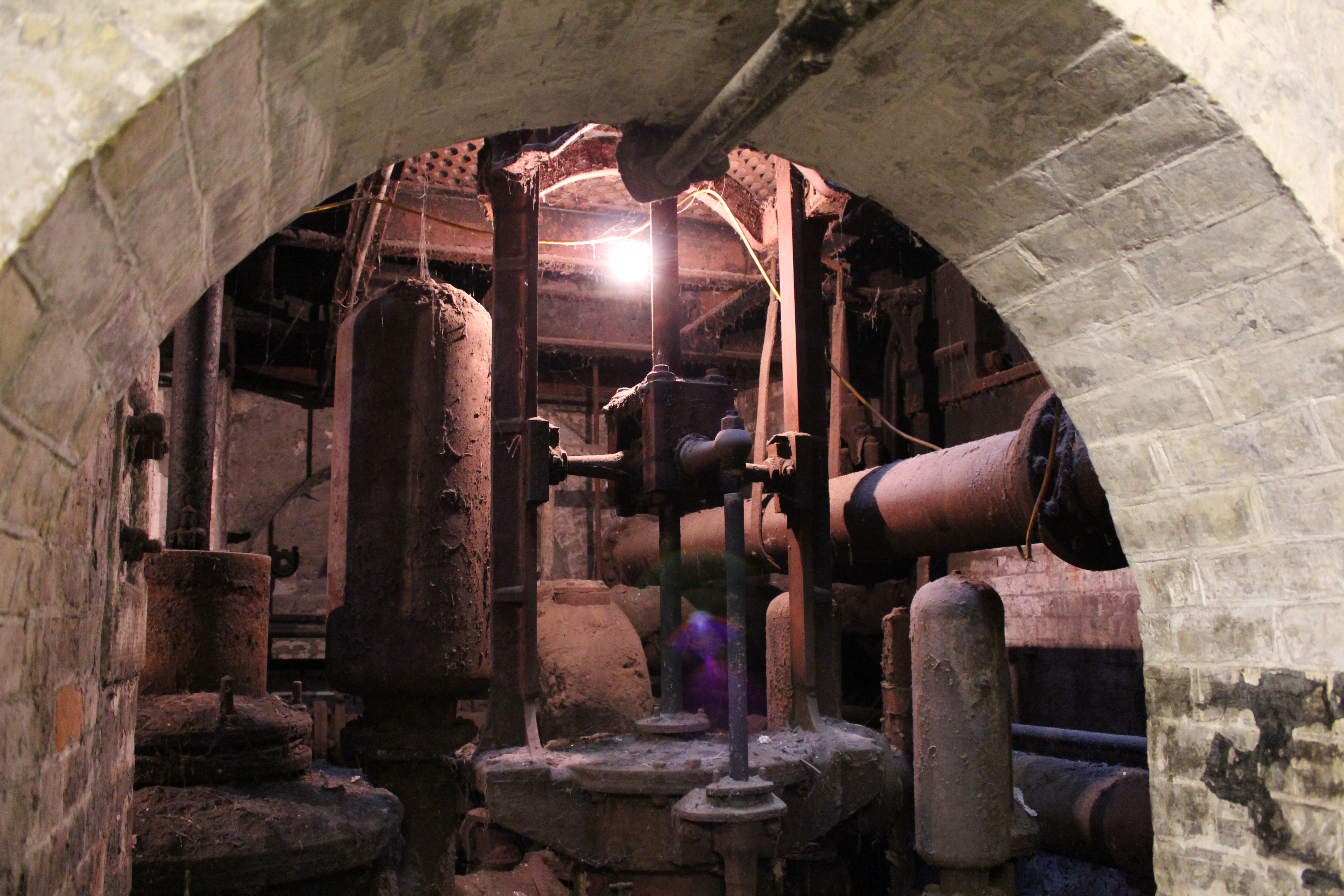
Left to decay in the 1950s after the current sewage treatment works opened next door, a team of mostly volunteers has worked to restore the this gem of Victorian industry. The painted cast iron decorating the station is truly stunning. Interestingly, although Bazalagette is usually given credit for the entire structure, it is possible that the building itself was designed by Charles H Driver, who was renowned for his decorative cast iron work. There is a section that has not been re-painted and it’s interesting to see the comparison, though the old industrial sections also have their own appeal.

This surprisingly large complex holds open days most months, with the final one for 2012 slated for Sunday 21st October, 10:30am-4pm, £5. They hope to have more regular openings next year – keep an eye on their website for details. The pumping station is also open as part of this year’s Open House weekend – which is on this weekend – on Sunday 23rd September only, 10:30am-4pm, free of charge. If you’re arriving by rail I highly recommend using their free, regular shuttle bus service from Abbey Wood station.

http://www.crossness.org.uk/

Turner’s House

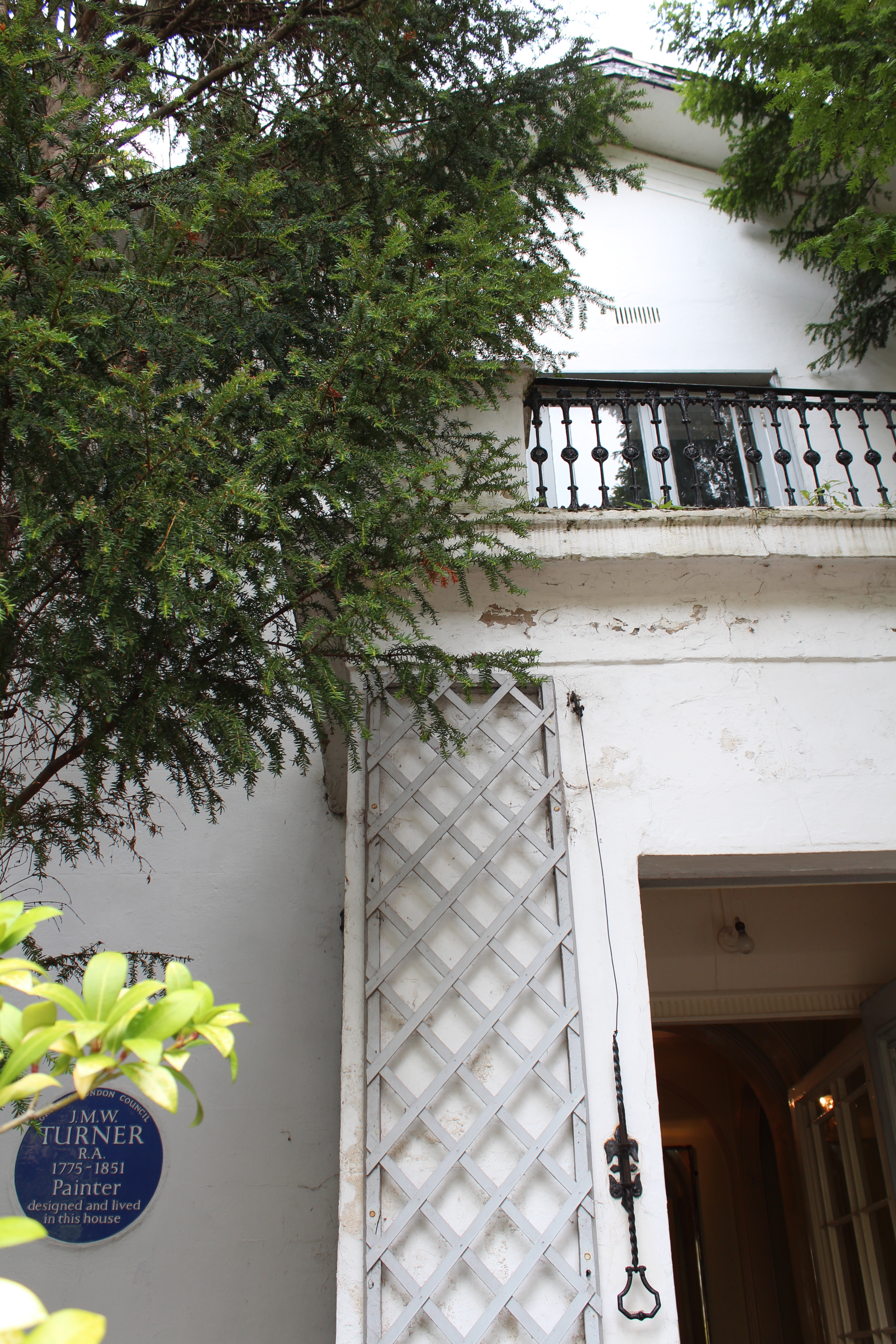
The Londonphile has been out to Twickenham again, this time to visit Sandycoombe Lodge, the former house of Britain’s renowned landscape painter, JMW Turner. This fairly modest Regency house in St Margarets is thought to have been designed by Turner himself, with a little help from his close friend John Soane. Today, Turner’s former abode is surrounded on all sides by houses, but it once sat on a plot of land that stretched all the way to the Thames, where Turner strolled, went fishing and gained inspiration.

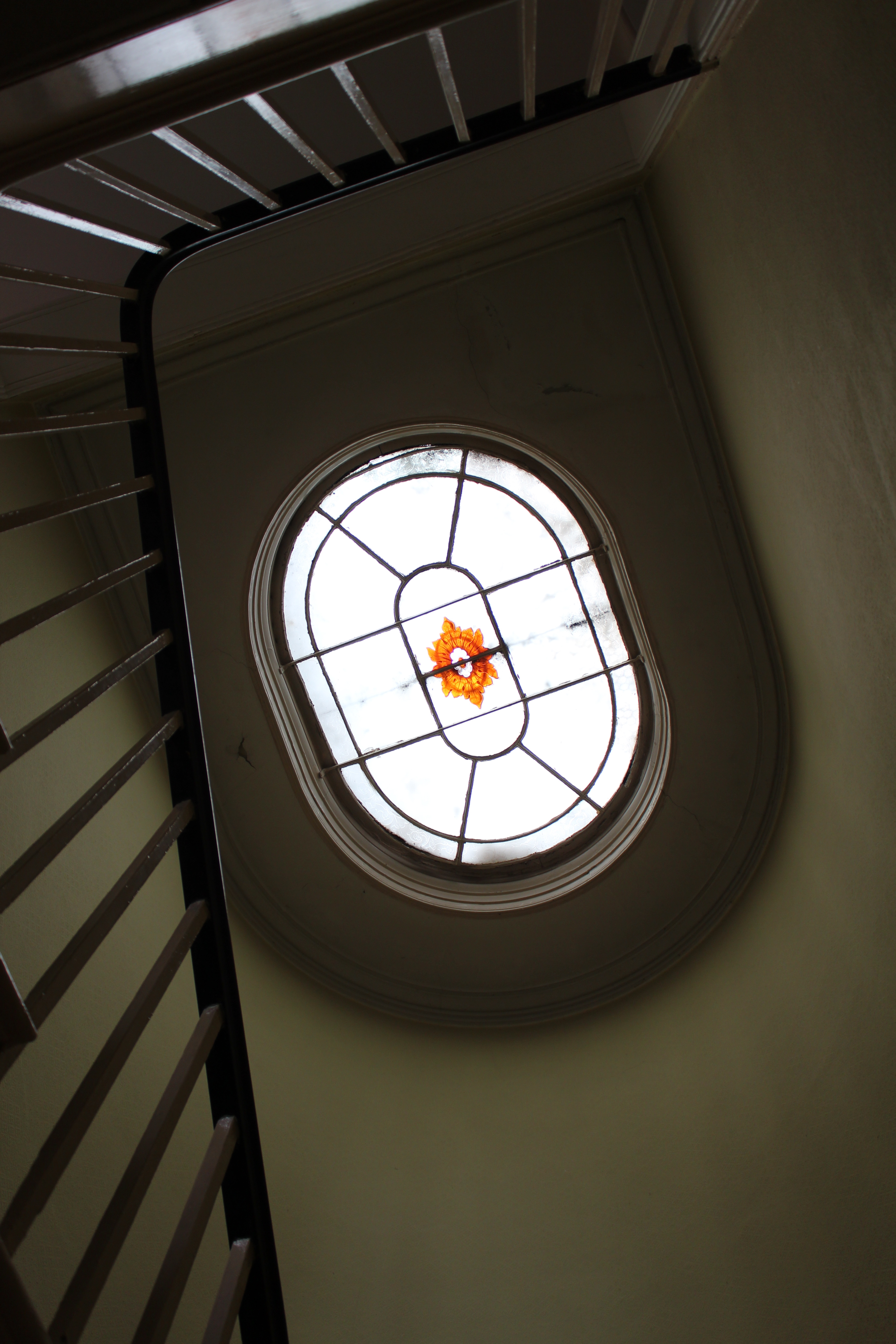
Turner bought the plot of land in 1807 as a country residence for himself and a permanent residence for his father, Old William, a Covent Garden barber and wigmaker who had long had a hankering to play farmer. The house itself was not built until 1812. Although his father generally maintained both the house and garden for him, it was Turner himself who snuck into Pope’s nearby derelict villa to steal a cutting of the poet’s famous willow tree for his own garden. Some lovely Soanian touches are still evident in the curved walls and decorative roof light in the stairwell.

Turner’s father also looked after his son’s West End studio – it’s not known for sure whether Turner had a studio at Sandycoombe Lodge, but at the very least he would have sketched here. Old William lived at Sandycoombe Lodge – his quarters were mainly in the basement area – until poor health forced him to return to central London. Even today the house is clearly still very damp. Interestingly, Turner’s mistress and two daughters never visited this house. After his father’s departure, Turner sold the residence in 1826 for £500.

Having served as a secret factory during the war (producing pilots’ goggles), the house was bought by one Professor Livermore in 1947, who was interested in preserving it as Turner’s former home. He certainly undertook very little modernisation during his time and the house is now awaiting a substantial restoration, overseen by Turner’s House Trust. This means that current visitors are allowed a rare opportunity to see the ‘before’ picture of what promises to be a significant project.

Sandycoombe Lodge has been open on the first Saturday of the month since April and will have its last opening of this year on the 6th of October from 10am-1pm (last entry 12:30). £4 gets you an informative guided tour of the premises. It will also be open for free guided tours as part of Open House on the weekend of 22nd and 23rd of September, from 10am-3pm both days, on a first-come, first-served basis. The Trust is still seeking donations towards restoration and maintenance so do get in touch if you can help out at all, or show your support by paying a visit.

2013 update: this year the house will be open on the first Saturday of each month from April-October. 10am-12:30pm, no booking required, and still only £4! It will also be open 10-12:30 on Saturdays June 8th, 15th, 22nd and 29th as part of the Twickenham Festival.

http://www.turnerintwickenham.org.uk/

http://events.londonopenhouse.org/Building/2961

City residential church towers

Fancy living in an old church tower? The towers that have been converted into homes must surely be amongst some of London’s most unusual residential options. The City’s churches have taken quite a battering over the years – once numbering over a hundred, 35 were lost in the Great Fire of 1666, while many of those which were painstakingly rebuilt afterwards were again damaged or destroyed during the Blitz. In between these two catastrophic events, yet more were demolished from the late eighteenth century onwards. The towers of a number of these lost churches were saved and put to new uses – while the conversions into commercial premises are more obvious, some have also been turned into rather intriguing private residences.

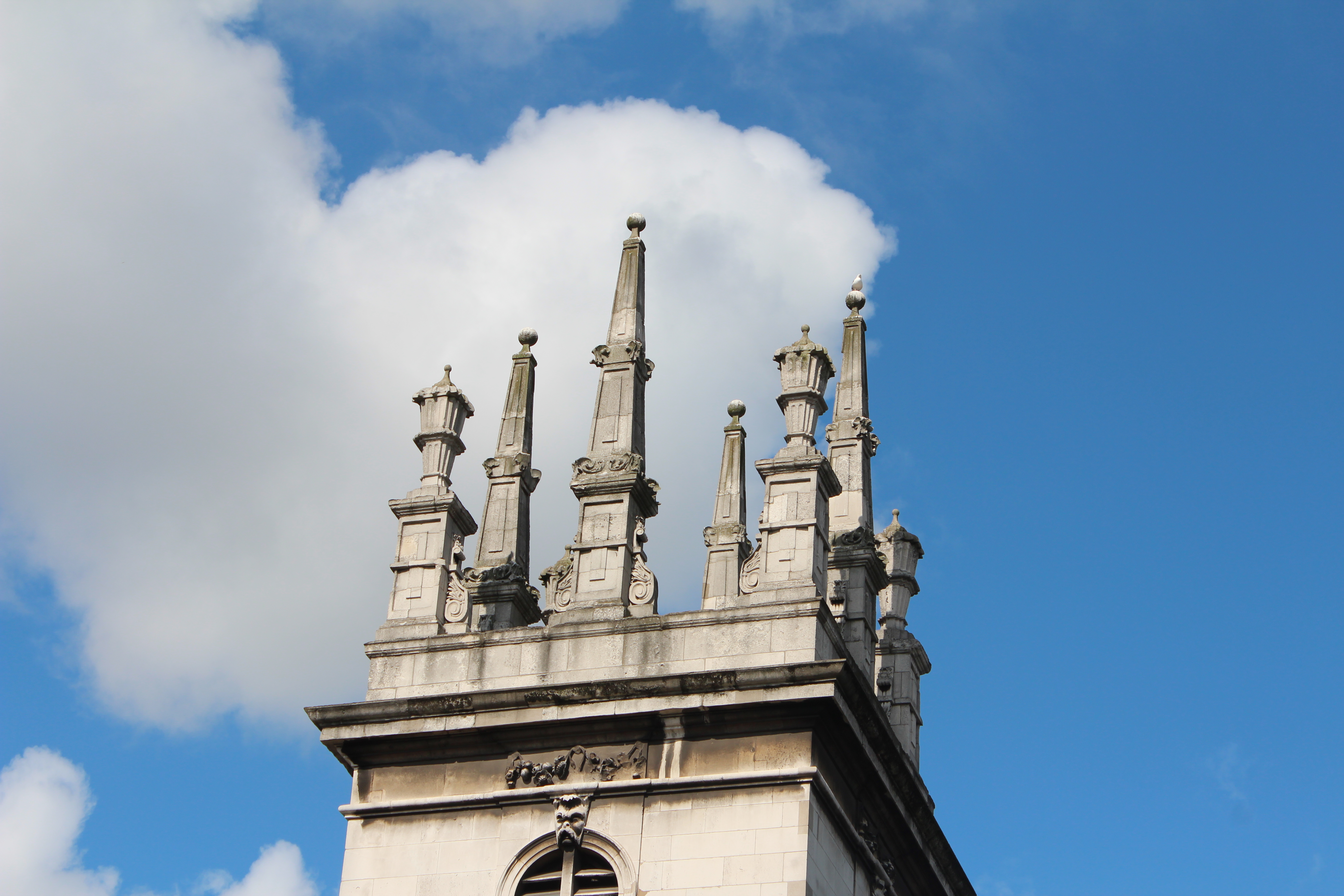
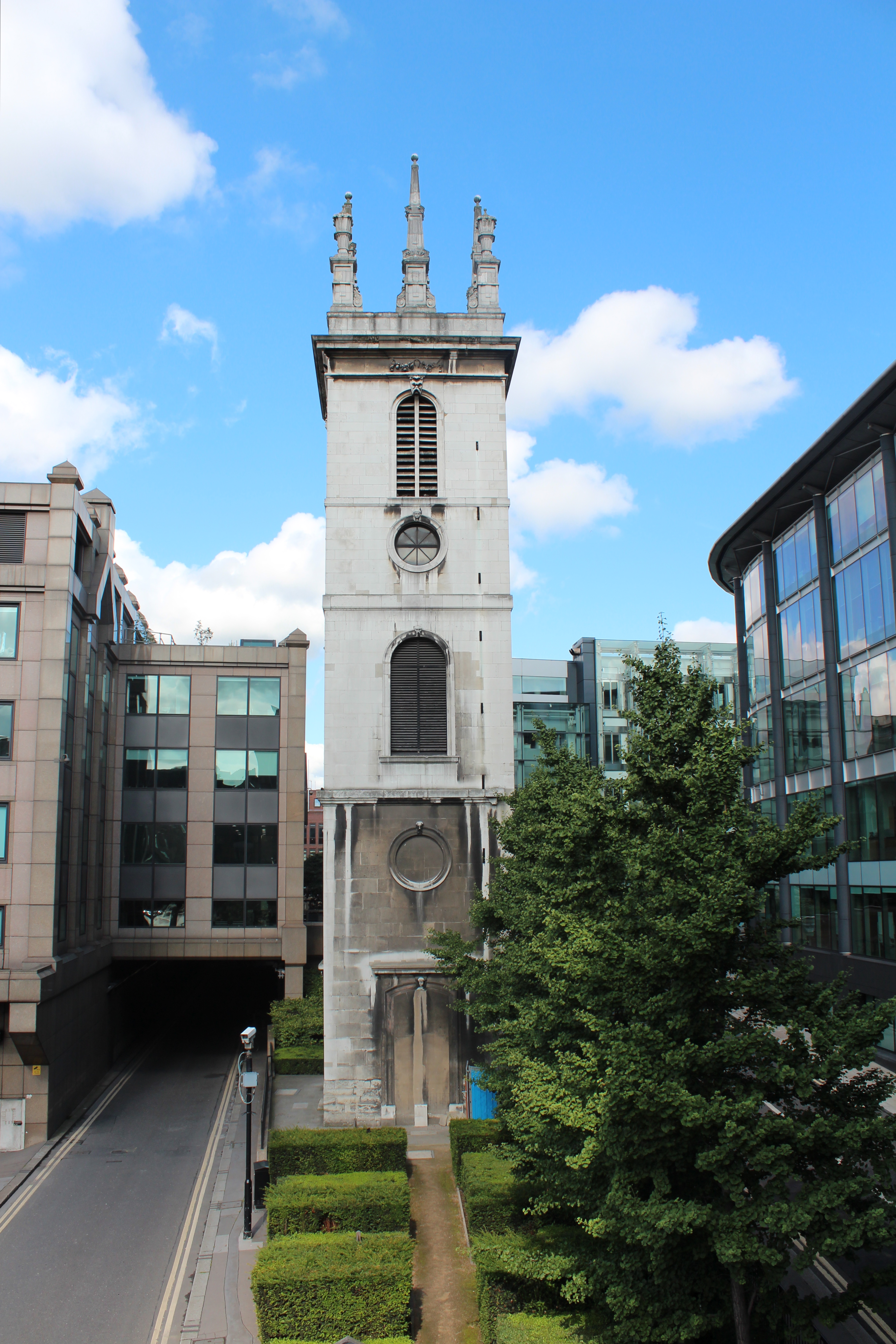
Christchurch Greyfriairs on Newgate Street (above) was damaged in the Great Fire and rebuilt by Wren between 1684 and 1704, only to be destroyed during the Blitz. Luckily the tower survived and was restored in 1960, along with the urns that now grace it which had been removed in the nineteenth century. The area that was once part of the body of the church is now a garden, which has been planted to follow the lines of its original layout, pews and pillars. The rebuilt Vestry House adjoining the tower is now a dental practice, while the tower is indeed somebody’s home (with the rather flashy front door at the top of this post) – you can see their dining area from the garden.

No doubt visitors to Wood Street over the years have pondered exactly why there is a lone church tower standing in splendid isolation in what is now the middle of a traffic island (directly across from the police station, you can’t miss it!). St Alban Wood Street (pictured above and below) was also rebuilt by Wren after the Great Fire – sadly it was destroyed on a single night during the Blitz, 29th of December 1940. Wren’s gothic-style tower survived – a glance through its doors reveals an entry foyer (when the wooden doors aren’t locked) and old stairs leading to the residence above.

I’ve heard that the tower of St Mary Somerset on Upper Thames Street is also somebody’s home, but I’m not so sure. It looks pretty desolate and boarded up to me. Another church that Wren rebuilt after the devastating fire of 1666, St Mary’s was not a victim of the Blitz. Instead it was scheduled to be demolished in the nineteenth century as it was deemed no longer necessary due to low attendance rates. Fortunately someone recognised the beauty of Wren’s wonderfully intricate Baroque pinnacles (seen below) and the tower was saved. The good news is that there appears to be some work being done on it – so maybe there could be some vacancies coming up…

If you’d like to discover more about the City’s lost churches try Gordon Huelin’s book Vanished Churches of the City of London (available at the Guildhall Library for only £5), which lists 69 vanished churches in total.

St Mary Somerset

Christchurch Greyfriars

Written in Soap

When Londonist wrote about the soap sculpture in Cavendish Square last week I knew this was something I had to see for myself. Much like the structure featured in last week’s post, Paleys upon Pilers, Meekyoung Shin’s soap sculpture is a temporary addition to London’s streetscape, which is part art installation, part historical reference.

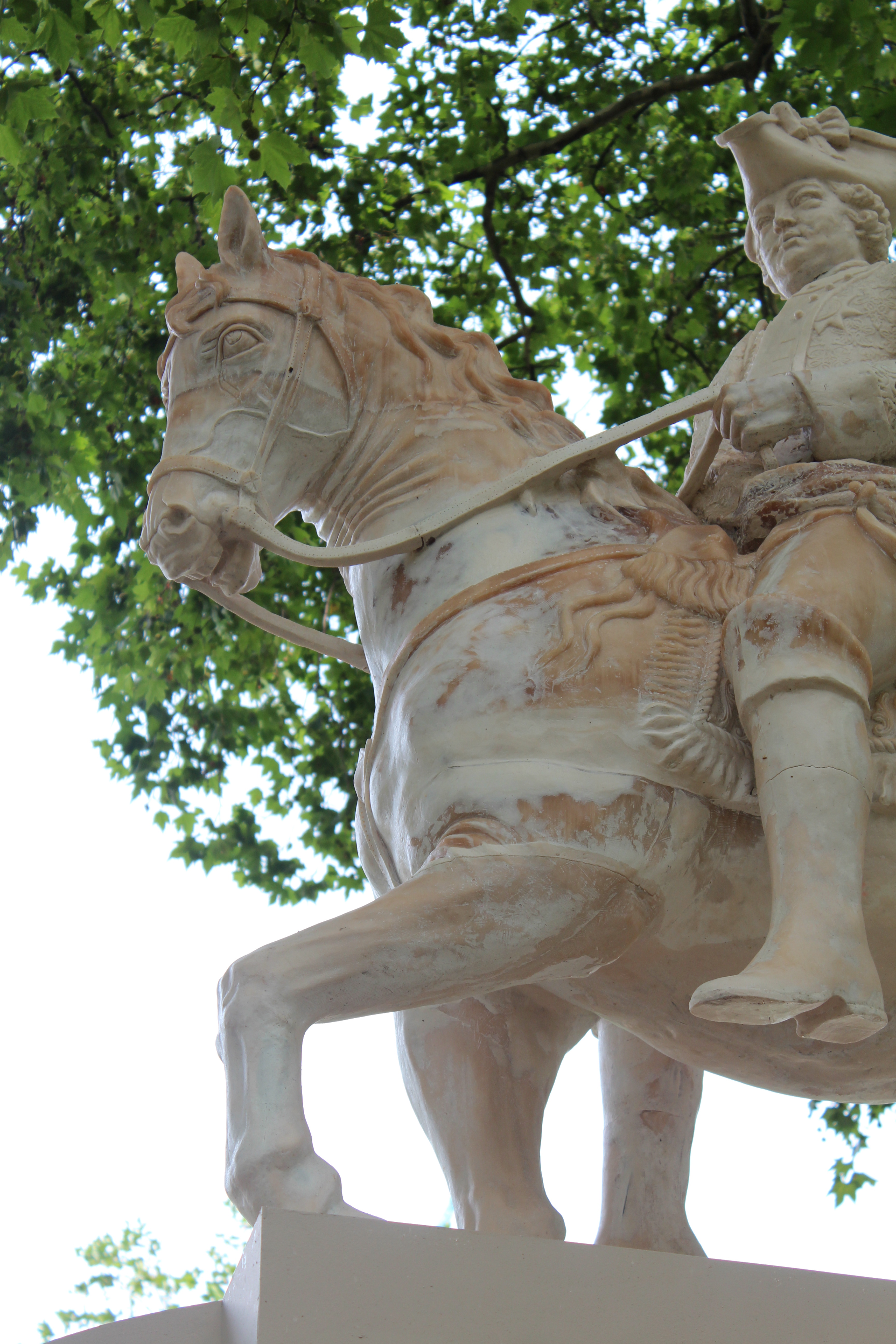
This soap scultpure of the Duke of Cumberland, which launched on 24 July, replaces the one originally installed in 1770 then removed in 1868 when the subject became increasingly unpopular. While the fate of the original statue is unknown, the stone plinth has stood empty ever since in the middle of Cavendish Square, just behind Oxford Circus.

While Shin’s work is indeed made of (vegetable-based) soaps it does include a metal skeletal armature attached to the base on which it stands to hold the sculpture upright. The piece was intended to be as close as possible to the original, based on existing sketches – although the exact dimensions remain unknown it was created to fit the proportions of the plinth. Intriguingly there are no signs in the square about its latest addition, so I can only guess that the casual visitor would assume it was an ordinary statue.

Shin’s work has much to say about the changeable nature of art, monuments and history – she is particularly interested in the way that history is drawn (and re-drawn and erased) on the urban landscape. The sculpture will remain in Cavendish Square for one year – and it’s anyone’s guess how it will endure the four seasons. I plan to revisit it over this time and will update you on how it is progressing.

http://www.writteninsoap.com/

Paleys upon Pilers

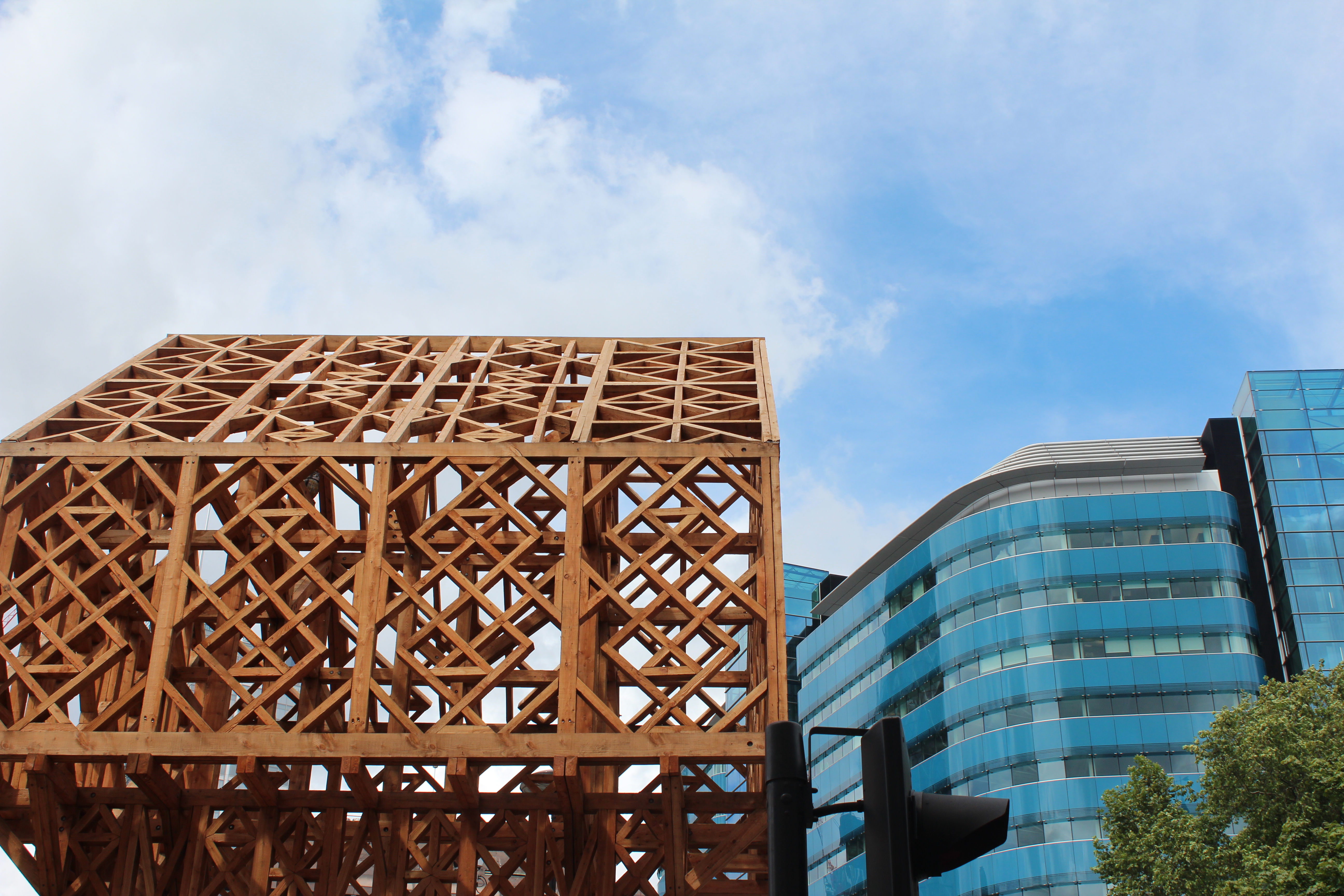
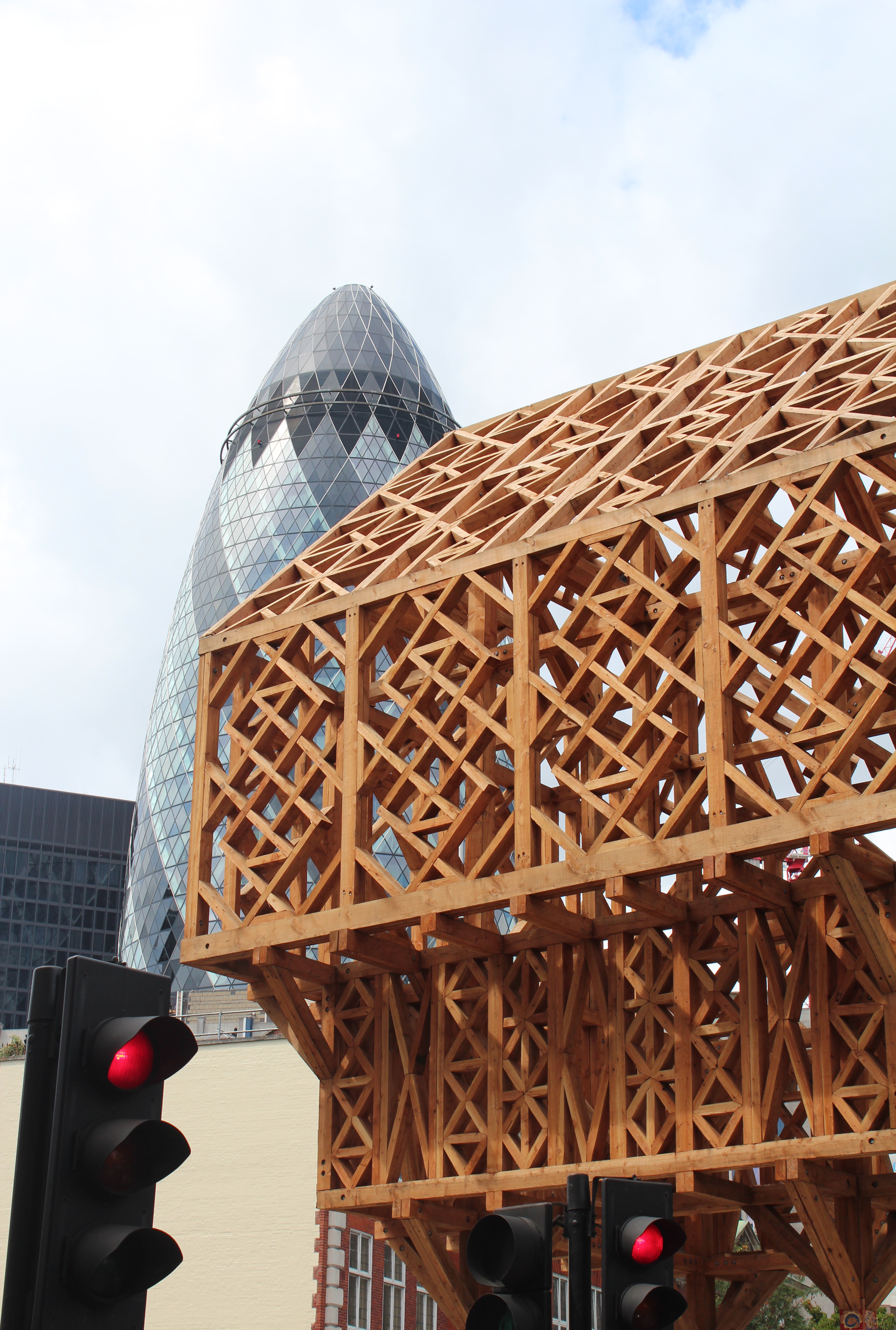
Next time you find yourself in the vicinity of Aldgate tube station take a moment to investigate this intricate wooden structure floating above the streets. This marks the location of the City wall’s easternmost gate – Aldgate. The original gate once included a small house above it, which was home to the poet Geoffrey Chaucer from 1374 to 1386.

This new structure – named Paleys upon Pilers (meaning ‘palace on pillars’) was designed by architects Studio Weave. They also took inspiration from Chaucer’s two dream poems, featuring elevated temples, which he wrote while living above the old gate.

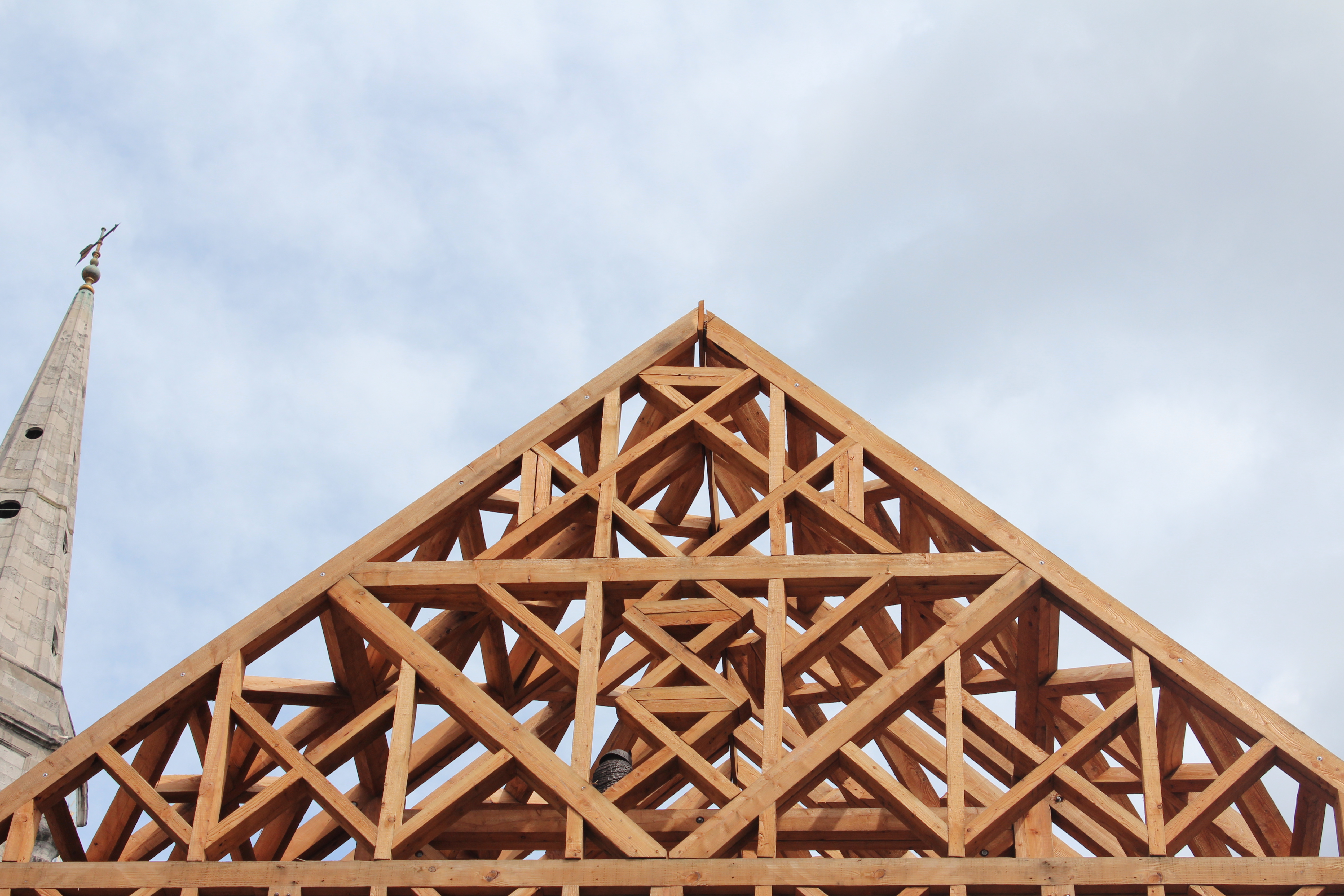
The timber – which references the wood used in the old houses of the area – is described by the designers as a kind of ‘timber embroidery’ and it is indeed beautifully intricate. The painted pillars supporting the structure were inspired by designs found in the illuminated manuscripts, and have been gilded with Dutch gold leaf.

Don’t miss the wooden owl – nicknamed Geoffrey – who perches silently in the eaves. Part architectural installation, part historical reference, Paleys upon Pilers is a welcome addition to London’s architecture, and creates fascinating juxtapositions with the various buildings surrounding it. The good news is that although it formed part of the London Festival of Architecture 2012, it is now expected to stay much longer than the three month period originally intended. It can be found very close to Aldgate station, near St Botolph’s church.

http://www.studioweave.com/projects/paleys-upon-pilers-aldgate/

Fulham Palace

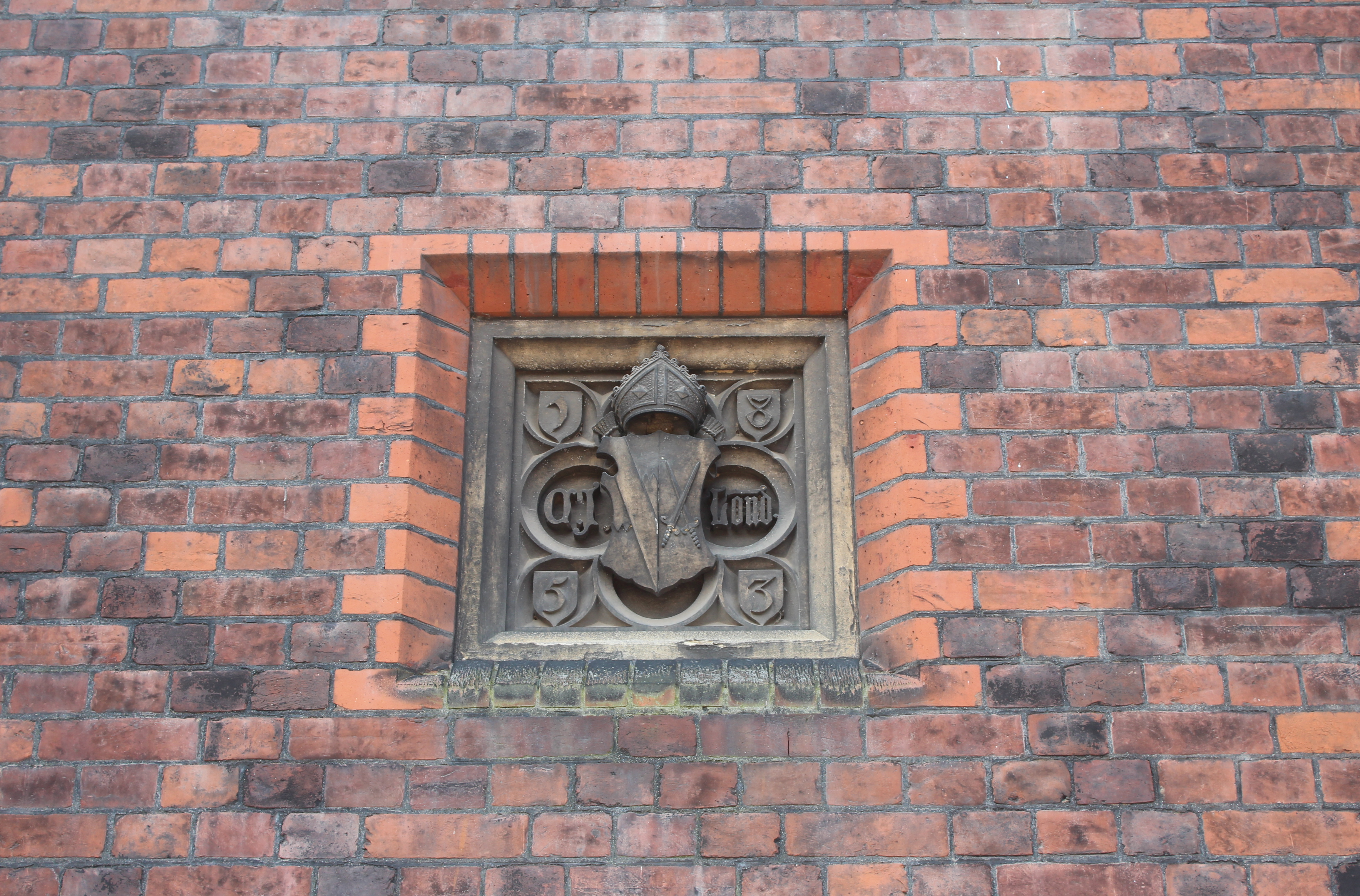
You know that a residence is very old when it has ‘est 704’ in its logo. In fact, although the earliest written evidence for Fulham Palace dates from 704 it was acquired by a bishop around 700 and the site has evidence of occupation dating back much longer than that, with Neolithic, Iron Age and Roman artefacts uncovered here. Originally the country home for the Bishop of London, the Palace later became their main abode – the last bishop to live here was Bishop Stopford, who moved out in 1973.

Today Fulham Palace is open to the public and you can wander around a number of rooms at your leisure, including the Great Hall (circa 1495), which was re-panelled in the 19th century from recycled materials including an old communion rail. Or you can have lunch in the cafe that was once Bishop Howley’s Georgian drawing room. There is also a small museum covering the history of Fulham Palace. The moat (now dry) that encircles the property was once the longest domestic moat in England. Both the Palace and the grounds have been altered over the years by the different bishops in residence, who have left their various marks upon it.

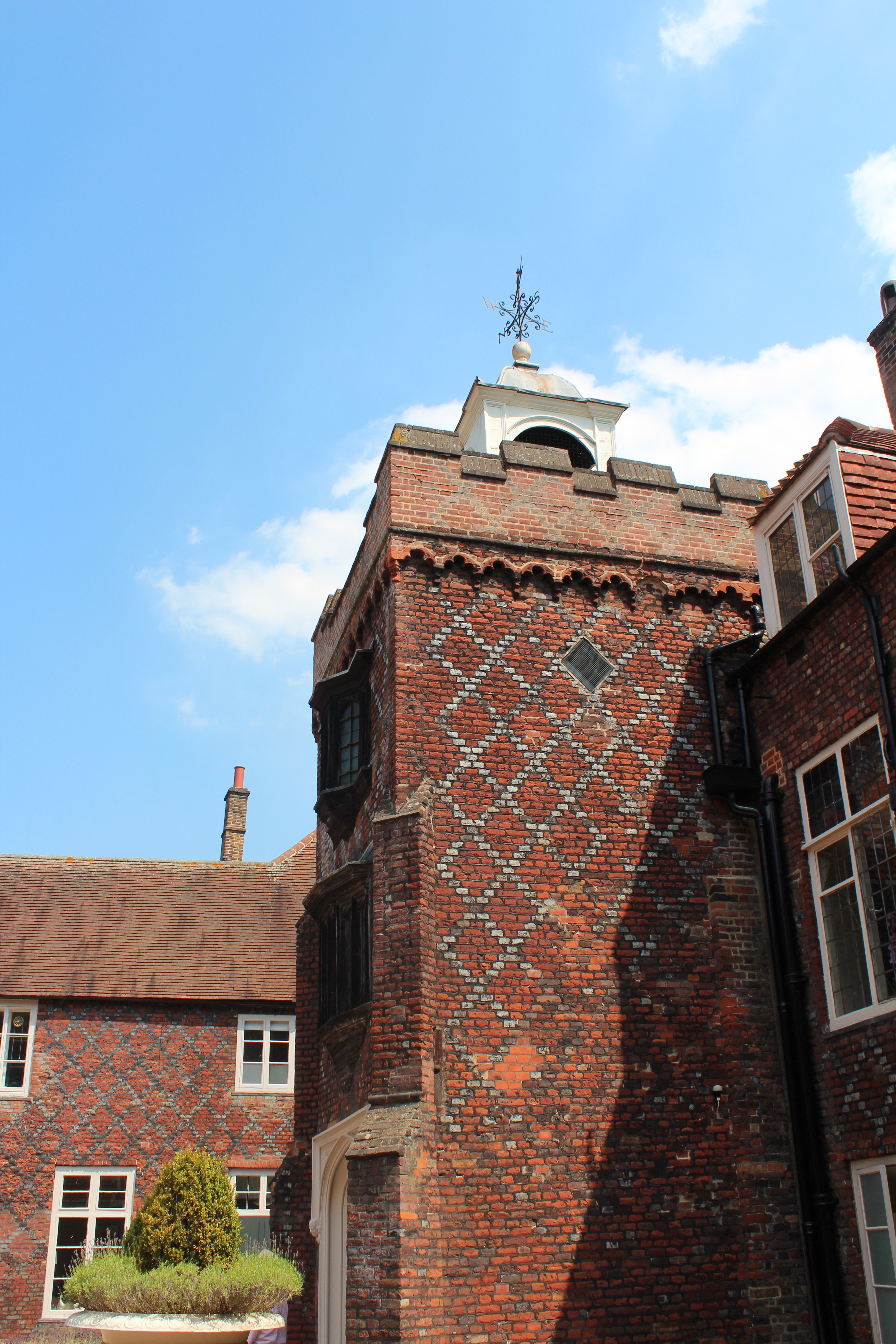
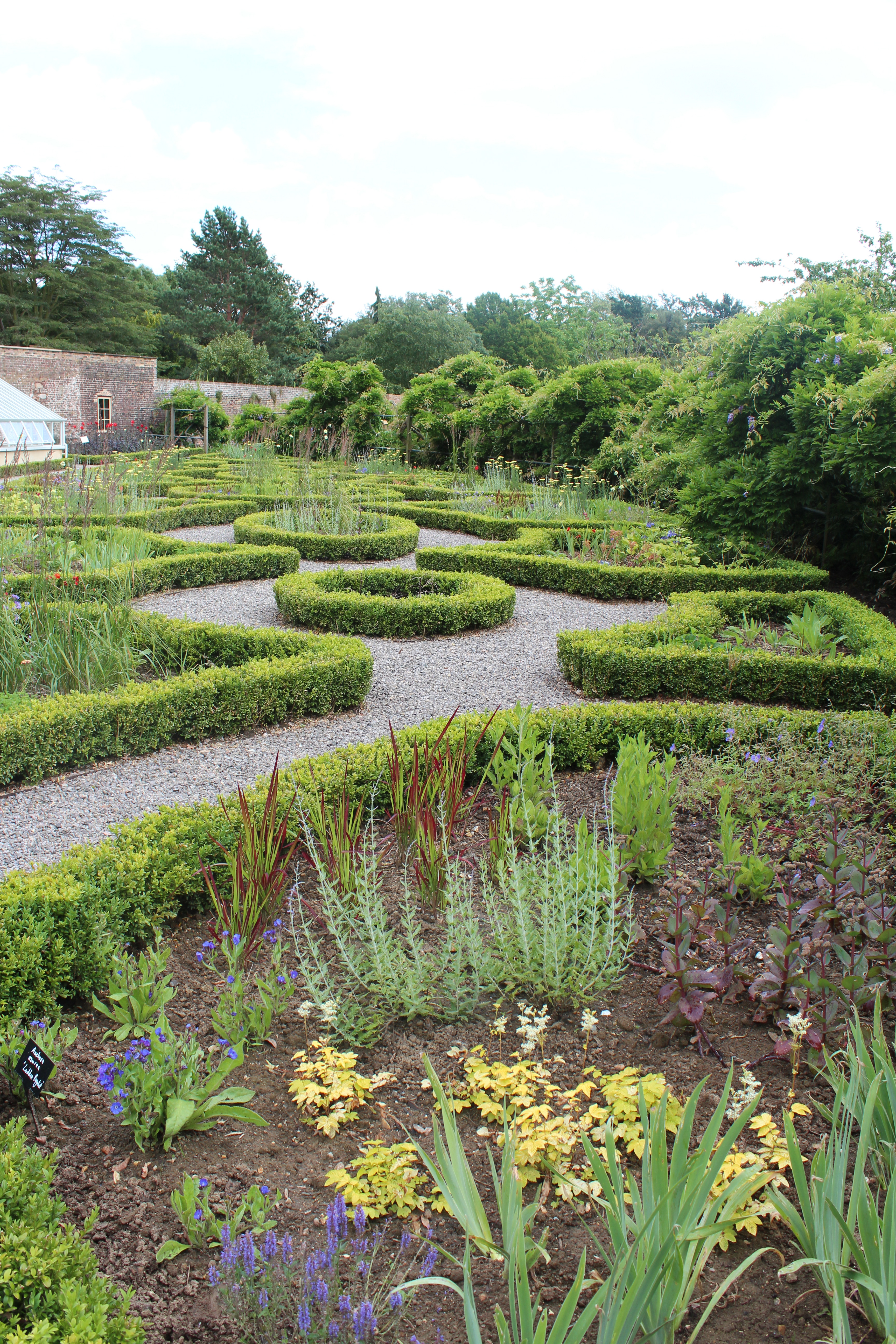
Fulham Palace is understandably excited about recent happenings in its walled garden, originally landscaped in its current form by Bishop Terrick (1764-1777), although the Tudor entranceway (pictured below) signifies an older version. It is currently being restored and was re-opened to the public on the 27th of May. The restoration is still in progress, giving visitors the opportunity to see a partial ‘before’ picture. Bishop Blomfield’s knot garden – planted in the colours of his own coat of arms and replicating his original 1831 design – is complete and a new greenhouse has been built on the exact footprint of the original. Bee boles – holes along the outside of the walls once used to attract bees, not only for their honey but to pollinate the walled garden’s fruit trees – have just been uncovered after being bricked up for over a century.

I don’t know about you, but when I hear about an archaeological dig I tend to think about bones and dead bodies. However, the purpose of the archaeological dig currently taking place in the walled garden is to uncover remnants of previous garden design, so as to inform plans for the restoration. They are seeking hints and patterns of previous planting, formal beds, paths, statuary and the like. As well as a girl guide’s badge (from the days when lunches for guides where hosted here), they have also uncovered Victorian plant labels, children’s toys and buttons from the clothing worn by former gardeners. The dig has been a community one, with volunteers joining in from the local area and schools.

The dig has recently been extended until the 10th of August, so you’ve still got time to join in if you’re interested. Fulham Palace also offers historical walks and garden tours, check their website for details: http://www.fulhampalace.org/  These are £5 per person, but admission to the Palace and its grounds is free. The closest tube is Putney Bridge on the District line.